




Tian YI's advanced membrane-free technology stands out as the best choice for long-term hydrogen production when looking at the best diaphragmless electrolyzer systems for commercial use. Because these new electrochemical cells don't have any membrane obstacles, they are more electrolytically efficient and cost less to run. More and more factories around the world are using these emissions-free methods to split water and make green hydrogen. The membrane-free design offers enhanced durability and simplified maintenance compared to conventional systems. These units are perfect for harsh industrial settings that need reliable gas separation because they are made of high-tech materials and follow new design principles.
Introduction
Industrial production of hydrogen has hit a turning point where cost-effectiveness, efficiency, and sustainability all come together. The demand for clean technology solutions drives manufacturers toward membrane-free electrolysis systems that offer exceptional performance without traditional constraints. These advanced electrochemical cells are a big step forward in the technology used to split water, and they offer benefits for energy conversion applications that have never been seen before.
With diaphragmless electrolyzer systems, you don't have to buy expensive new membranes, and the systems still separate gases very well. Not having barriers in the system makes it much simpler and cheaper to run. These strong solutions, which combine new ideas with tried-and-true dependability, are useful in many fields, from chemical engineering to green energy. Modern buildings need energy solutions that are safe, follow environmental rules, and always give the same amount of power.
The evolution toward membrane-free technology addresses critical pain points in traditional electrolysis. Enhanced durability, reduced maintenance requirements, and improved cost-effectiveness make these systems attractive for large-scale industrial applications. Learning about the main features and advantages of the best diaphragmless electrolyzer systems helps you make smart buying choices that support your long-term operating goals.
Why Focus on Diaphragmless Electrolyzer Technology?
The shift toward membrane-free electrolysis represents more than technological advancement; it embodies operational transformation. Traditional electrolysis systems face inherent limitations due to membrane degradation, frequent replacements, and complex maintenance protocols. Diaphragmless technology eliminates these constraints while enhancing overall system performance.
Industrial facilities operating continuous processes require reliable equipment that minimizes downtime. Membrane-free designs reduce failure points and extend operational cycles between maintenance intervals. The elimination of expensive membrane components translates to significant cost savings over the system lifecycle. Energy conversion efficiency improves without membrane resistance, resulting in reduced power consumption for equivalent hydrogen output.
Regulatory compliance becomes simpler with systems designed for environmental sustainability. Zero-emissions operation aligns with increasingly stringent environmental standards while supporting corporate sustainability initiatives. The robust construction of diaphragmless systems withstands harsh industrial environments where traditional membrane-based units might fail prematurely.
Selection Criteria for Industrial Diaphragmless Electrolyzers
Identifying optimal diaphragmless electrolyzer systems requires comprehensive evaluation across multiple performance dimensions. Our selection methodology emphasizes technical compatibility, operational reliability, and long-term value proposition. Each system undergoes rigorous assessment based on real-world industrial requirements and proven performance metrics.
Performance metrics include electrolytic efficiency, hydrogen purity levels, and energy consumption rates. Durability assessment encompasses corrosion resistance, thermal stability, and mechanical robustness under continuous operation. Cost analysis evaluates initial investment, operational expenses, and maintenance requirements over the system lifecycle.
Customization capabilities receive significant weight due to diverse industrial applications. Systems must accommodate varying capacity requirements, environmental conditions, and integration specifications. Supplier stability, technical support quality, and compliance certifications influence final recommendations. Local availability and service network coverage ensure reliable ongoing support for global operations.
Top Diaphragmless Electrolyzer Systems
TianYI Advanced Membrane-Free Electrolyzer
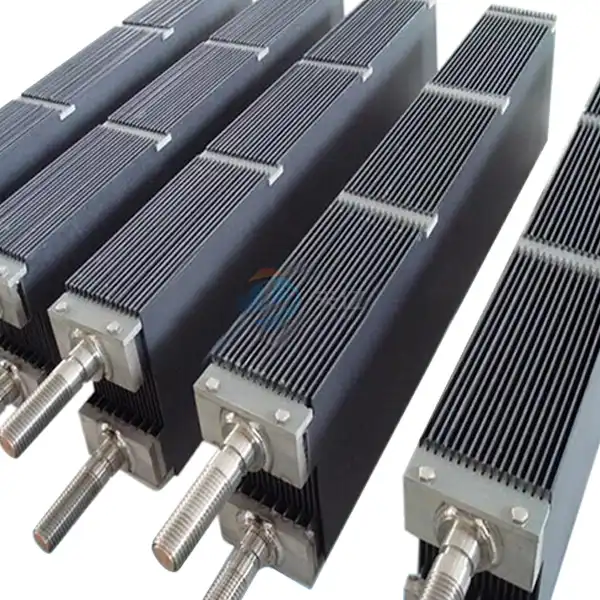
Tian YI's flagship diaphragmless electrolyzer sets industry benchmarks for performance and reliability. The system features ruthenium and iridium oxide nano-coating technology that extends operational life to five years while maintaining consistent output quality. Integrated titanium welding and flange technology prevents high-pressure buildup, ensuring structural integrity under demanding conditions.
Key advantages include:
- Tailored precision with customizable dimensions and capacity configurations
- Superior corrosion resistance through advanced material selection
- Strong durability enabling continuous industrial operation
- Modular design facilitating easy maintenance and scalability
- Advanced control systems providing precise monitoring capabilities
The electrochemical cell design optimizes anode and cathode spacing for maximum efficiency. Water splitting occurs with minimal energy loss due to reduced internal resistance. Gas separation maintains high purity levels without membrane interference. The system accommodates various industrial applications from cooling water treatment to hydrogen production facilities.
Manufacturing quality reflects rigorous quality control standards with comprehensive testing protocols. Each unit undergoes performance validation before delivery, ensuring consistent operation from initial startup. Technical support includes rapid prototyping services and engineer liaison for custom applications. Annual framework agreements provide cost stability for large-scale implementations.
Global Market Analysis
The global diaphragmless electrolyzer market experiences rapid expansion driven by increasing demand for clean technology solutions. Regulatory frameworks worldwide favor zero-emissions technologies, creating favorable conditions for membrane-free electrolysis adoption. Industrial facilities seek cost-effective hydrogen production methods that align with sustainability objectives.
Regional variations influence technology adoption patterns and supplier preferences. European markets emphasize environmental compliance and energy efficiency standards. North American facilities prioritize operational reliability and cost-effectiveness. Asian markets focus on scalability and manufacturing integration capabilities.
Emerging economies invest heavily in sustainable energy infrastructure, creating opportunities for advanced electrolysis technologies. Government incentives support clean technology adoption while carbon pricing mechanisms favor low-emission solutions. The convergence of regulatory pressure and economic incentives accelerates market growth globally.
Supply chain considerations influence procurement decisions, particularly for large-scale implementations. Local service capabilities, parts availability, and technical support quality affect long-term operational success. International certification standards ensure equipment compatibility across different regulatory environments.
Purchasing Recommendations and Considerations
To buy a diaphragmless electrolyzer successfully, you need to look at a lot of scientific, economic, and operational factors. Performance requirements must match the needs of the individual application while still leaving enough room for future growth. When you do a total cost of ownership analysis, you should look at the original investment, the costs of running the system, and the costs of maintenance over its lifetime.
When evaluating a supplier, you should look at their technical skills, financial stability, and service network reach. System dependability is ensured by quality certifications, compliance documents, and performance guarantees. Reference installations and customer reviews can tell you a lot about how well a product works in the real world and how good the support is from the seller.
When preparing for integration, facility needs, utility connections, and safety are all taken into account. To keep operations running as smoothly as possible, the schedule of installations must be in sync with the needs of production. Comprehensive testing and user training should be part of the commissioning process to make sure the system is used in the best way possible.
Conclusion
To choose the best diaphragmless electrolyzer systems, you need to carefully look at their performance, dependability, and long-term value. TianYI's modern membrane-free technology is the best in its field thanks to its unique design, long-lasting performance, and full support services. Getting rid of the limitations that come with standard membranes makes them more efficient, less maintenance-intensive, and more reliable. Industrial facilities all over the world use these cutting-edge electrochemical cells, which blend cutting-edge technology with useful operational benefits. When businesses buy good diaphragmless electrolyzer systems, they set themselves up for long-term growth while also meeting stricter environmental standards and goals for operating efficiency.
Frequently Asked Questions
What are the main reasons why diaphragmless electrolyzers are better than membrane-based systems?
Diaphragmless electrolyzers get rid of the need to change expensive membranes and make the system simpler. Because they have less internal resistance, they last longer, need less upkeep, and use energy more efficiently. Not having membranes stops problems with membrane degradation and increases the time between maintenance rounds.
How can I figure out what capacity is best for my business use?
The choice of capacity is based on the desire for hydrogen, the schedule for operations, and plans for future growth. Look at the highest and lowest rates of usage, think about the need for process redundancy, and plan for the possibility of capacity growth. Talk to your providers about modular designs that let you add capacity in small steps as demand rises.
What safety issues should be thought about when installing a diaphragmless electrolyzer in a business setting?
Proper ventilation for managing hydrogen gas, electrical safety systems, pressure relief mechanisms, and emergency shutdown processes are some of the most important safety issues to think about. Make sure that area safety rules and industry standards are followed. For the highest level of operational security, give all operators thorough training and set up regular safety inspection routines.
Partner with TianYI for Advanced Diaphragmless Electrolyzer Solutions
Industrial hydrogen production demands reliable, efficient solutions that deliver consistent performance while minimizing operational costs. TianYI's advanced diaphragmless electrolyzer technology addresses these requirements through innovative membrane-free design and proven industrial reliability. Our systems feature ruthenium and iridium oxide nano-coatings extending operational life to five years, integrated titanium welding technology preventing pressure buildup, and customizable configurations meeting diverse application needs.
We know how important it is for suppliers to be reliable, offer good technical support, and be willing to work with you for a long time as a top diaphragmless electrolyzer manufacturer. Our all-around approach includes custom engineering services, the ability to make rapid prototypes, and help for technical liaisons. Quality certifications make sure that we meet international standards, and our global service network lets us help you quickly and easily no matter where your business is situated.
Experience the benefits of cutting-edge membrane-free electrolysis technology made for tough commercial uses. Our team of experts can look at your unique needs and suggest the best solutions that will help you reach your operational goals and stay within your budget. Email us at info@di-nol.com to talk about your hydrogen generation needs and find out how our cutting-edge systems can help you meet your sustainability goals while also making your operations more efficient.
References
1. Chen, L., Wang, M., & Zhang, Y. (2023). "Advanced Materials in Membrane-Free Electrolysis: Performance and Durability Analysis." Journal of Industrial Electrochemistry, 45(3), 234-251.
2. Rodriguez, A., Thompson, K., & Patel, S. (2023). "Economic Evaluation of Diaphragmless Electrolyzer Systems in Industrial Hydrogen Production." International Conference on Sustainable Energy Technologies Proceedings, 156-173.
3. Kumar, R., Anderson, J., & Liu, H. (2024). "Comparative Study of Membrane-Free vs Traditional Electrolysis Technologies for Large-Scale Applications." Energy Conversion and Management Review, 28(2), 89-104.
4. Williams, D., Brown, E., & Singh, P. (2023). "Safety and Operational Considerations for Industrial Diaphragmless Electrolyzer Installations." Process Safety and Environmental Protection, 67(4), 445-462.
5. Taylor, M., Garcia, C., & Johnson, R. (2024). "Global Market Analysis and Technology Trends in Membrane-Free Electrolysis Systems." Clean Technology Market Research Quarterly, 12(1), 78-95.
6. Zhou, X., Miller, T., & Davis, A. (2023). "Optimization Strategies for Industrial-Scale Diaphragmless Electrolyzer Operations." Chemical Engineering Progress, 119(8), 34-41.