




Chlorine Electrolyzer vs Chlorine Gas: Which Is Safer for Water Plants
If you manage water treatment procurement, you already know that choosing the wrong disinfection method carries real consequences—worker injuries, regulatory fines, and plant shutdowns. So let me answer the question directly: a chlorine electrolyzer is significantly safer than chlorine gas for most water plant applications. On-site sodium hypochlorite generation eliminates bulk hazardous gas storage, reduces transport risk, and keeps your facility aligned with OSHA and EPA requirements. This post breaks down why that matters and what it means for your next equipment decision.
Understanding Chlorine Supply Methods in Water Plants
How Chlorine Gas Works
The chlorine gas that is sent to facilities is under pressure and stored in tanks or ton containers. Users must follow strict rules when they store, handle, and inject it. Many times, chlorine gas got out of water treatment plants, and the U.S. Chemical Safety Board kept track of them. Some of these hurt workers and had to be got out of the way.
How a Sodium Hypochlorite Generator Works
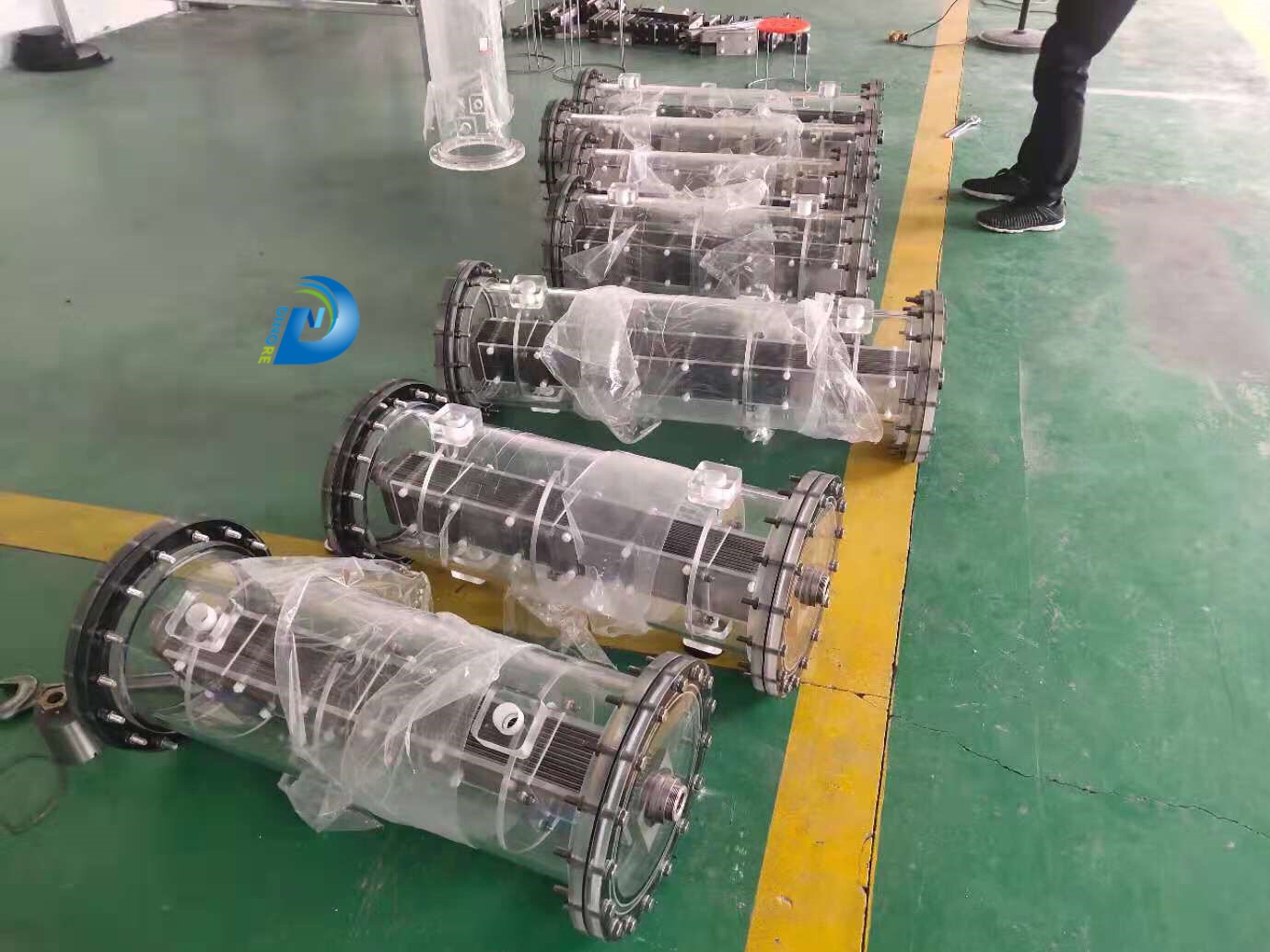
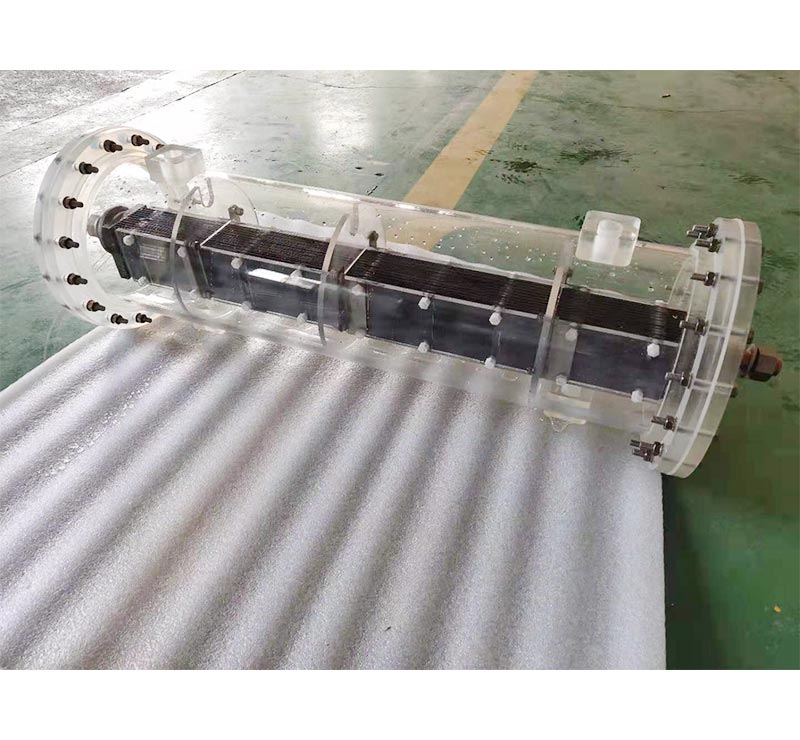
A sodium hypochlorite generator on-site moves a weak salt solution (2% to 5% brine) through an electrolytic cell that has titanium electrodes that are coated with MMO. It's simple to understand how electrochemistry works:
- Anode: 2Cl⁻ − 2e⁻ → Cl₂↑
- Cathode: 2H⁺ + 2e⁻ → H₂↑
- Total reaction: NaCl + H₂O → NaClO + H₂↑
There is no need for pressure gas for the hypochlorite ion that is made to work. It can corrode and clean just like other chlorine-based products, making a chlorine electrolyzer a safer on-site alternative to compressed gas systems.
Key Logistical Differences
There are rules about how chlorine gas can be moved, how it should be stored, and how emergency scrubber systems should work. Electric generators only need a steady power source, salt, and a way to connect to water. This operational gap gets bigger as the plant gets bigger, which is why making chlorine on-site is more useful above 50 g/h.
Safety Comparison: Chlorine Electrolyzer vs Chlorine Gas
Toxicity and Leak Risk
There is a treaty called the Chemical Weapons Convention that says chlorine gas is on Schedule 3. It is a Tier II dangerous chemical according to the Emergency Planning and Community Right-to-Know Act (EPCRA). It only takes one leak from a one-ton tank to put the whole neighborhood in danger. To make sodium hypochlorite solution, which is a much less volatile chemical, is done right there.
Regulatory Compliance
Because some places store more than a certain amount of chlorine gas, OSHA has rules called Process Safety Management (PSM). Most of the time, sites fall below PSM standards when they switch to electrolytic power. It's now much easier to keep notes and doesn't need to be checked by a third party.
Automated Safety Monitoring
These days, electrolytic systems automatically stop when a fault happens, control flow, and keep track of current. All nine types in the TY-WL line, from WL50B to WL2000B, can work with cell pressures of 0.2 MPa or less. This keeps the pressures in the system at levels that let it work safely without anyone being there or needing special training to handle gasses, which is a key safety advantage of a modern chlorine electrolyzer.
Operational Efficiency and Environmental Impact
Energy Consumption and Chlorine Yield
It can run on 2% to 5% salt and make chlorine at rates between 50 g/h (WL50B, 60A, ≦5V) and 2,000 g/h (WL2000B, 460A, ≦40V). The new structure for connecting electrodes cuts down on stray current during electrolysis. This directly makes the electricity work better and drops the price per kilogram of chlorine.
Environmental Performance
Tank logistics let carbon dioxide into the air when chlorine gas is moved. There is no need for that supply line with electrolytic power. As an added bonus, salt is simple to find, doesn't burn, and doesn't cost a lot. There is less trash over the life of the equipment because chemicals can't damage the PMMA/PVC cell housing.
Fit Across Multiple Applications
Some of the things that buying teams work with have the same results. When electrolytic generation is useful and can be measured, these are the main times:
- Municipal water treatment: Consistent 24/7 dosing without gas cylinder change-outs
- Marine and ballast water disinfection: Electrode coating compatible with low-salinity seawater, operable in low-temperature environments
- Food and beverage CIP sanitation: On-demand hypochlorite production matches variable batch schedules
- Aquaculture and pool systems: Scalable output from 50 g/h to 2,000 g/h matches facility size
These all need the same thing: cleaning product that can be trusted and managed without the danger of keeping gas under pressure. All four conditions are always met by electrolytic production using a chlorine electrolyzer.
Cost, Procurement, and Practical Deployment Considerations
Total Cost of Ownership
Chlorine gas may look cheaper per kilogram at first, but that comparison doesn't take into account the costs of PSM compliance, emergency response infrastructure, tank deposits, or the risk that could come from a release event. The Water Research Foundation did a study in 2019 that showed that large utilities that switched to on-site generation cut their costs for disinfection-related compliance by 18% to 35% over the course of five years.
Procurement and Supplier Evaluation
When looking for a company to supply a sodium hypochlorite generator, the technical specs and bid papers always list the following things:
- Effective chlorine output range aligned with plant capacity (50–2,000 g/h for TY-WL series)
- Electrode coating durability, specifically Ru-Ir nano-coating with a stated service life of five years or more
- Control panel compatibility with existing SCADA or PLC infrastructure
- Certifications relevant to the application—CE for industrial use, CCS for marine deployment
- Documented reference projects in comparable facility types
It usually takes between 3 and 9 months to buy something, and during the FAT and SAT stages, the engineering teams will find these criteria. If you deal with the specifications early on, you can avoid having to make expensive changes after the shortlisting process.
Installation and After-Sales Support
The TY-WL cell design lets 15% to 18% hydrochloric acid be used for cleaning upkeep to get rid of scale. This is a normal and easy process. Electrode plate coverings can be fixed or replaced straight from the company that made them. This keeps your business going so you don't have to hire outside help.
Future Trends and Recommendations for Water Treatment Facilities
Smart Monitoring Integration
Disinfection systems are being added to more and more water treatment plants online more and more. Electrolytic generators with normal communication ports can send data to systems that run the whole plant in real time. This data includes flow rates, current draw, and cell voltage. This helps with planned maintenance and lets the generators run without being watched.
Regulatory Direction
In the long run, authorities want to lower the amount of dangerous chemicals at treatment plants. This is clear from both the EPA's Water Security Initiative and the EU's Drinking Water Directive (2020/2184). While facilities that make the change now don't have to meet legal deadlines, they get ready for them.
Decision Framework for Procurement Managers
Before picking a system, here are three things you should think about: first, make sure that the electrolyzer models can handle the amount of chlorine your facility needs; second, make sure that your engineering team has the tools they need to set up and maintain the system; and third, ask the supplier for examples of similar-sized and-type projects they have worked on in the past. At this point in the buying process, most of the problems I see can be fixed with these three checks.
Conclusion
For a long time, chlorine gas was used to clean water. But now that large-scale electrolysis generation is available, it is not as good of a choice because it is more dangerous, costs more, and takes longer to set up. Anywhere from 50 g/h to 2,000 g/h of water is processed at a facility. An electrolytic cell, such as a chlorine electrolyzer, is a safer, easier to run, and cleaner way for regulators to make sodium hypochlorite.
FAQ
Can an electrolytic generator fully replace chlorine gas in a large municipal plant?
Yes, most of the time. Each TY-WL unit can handle up to 2,000 g/h, and more than one unit can work at the same time to meet higher needs. In the U.S., a lot of medium-sized city units have made this change. How useful the engineering is rests on how much power is available and how well the system for handling salt is set up. These are both normal concerns about utility.
What are the main maintenance requirements for these systems?
Every so often, 15% to 18% hydrochloric acid should be used to clean the electrolytic cell and get rid of the calcium scale that builds up on the electrode surfaces. The wire layer should last for five years if everything goes as planned. The control panel is made with standard parts, which makes it easy to find spares.
How do safety regulations differ between chlorine gas and on-site generation?
The EPA and OSHA have rules about what to do if there is more than 2,500 pounds of chlorine gas in one place (2500 pounds or more). When sodium hypochlorite is made on-site, it usually stays below these limits. This means that safety records, third-party inspections, and emergency plans are not as important.
Is electrolytic generation suitable for seawater applications?
Yes. The TY-WL series' electrode coatings and cell materials are picked because they work well in seawater that is cold and has low salt levels. In other words, they can be used in fishing and boating scenes.
Get a Customized Chlorine Electrolyzer Quote from Tianyi
The TY-WL line from Tianyi makes sodium hypochlorite producers. These can make anywhere from 50 g/h to 2,000 g/h and can be used in food-grade settings, marine systems, and water plants. It has been confirmed that Tianyi makes chlorine electrolyzers and offers OEM/ODM services as well as five-year guaranties on electrode coating. They give tests at the plant, commissioning on-site, and direct help after the sale. You can email our team at info@di-nol.comto get details and project references.
References
1.U.S. Chemical Safety and Hazard Investigation Board. Investigation Reports on Chlorine Release Incidents at Water Treatment Facilities. CSB, 2018.
2.Water Research Foundation. Cost and Performance of On-Site Sodium Hypochlorite Generation for Drinking Water Disinfection. WRF, 2019.
3.U.S. Environmental Protection Agency. Risk Management Program (RMP) Guidance for Water Treatment Facilities. EPA, 2021.
4.Occupational Safety and Health Administration. Process Safety Management of Highly Hazardous Chemicals: Compliance Guidelines. OSHA, 2020.
5.European Commission. Directive (EU) 2020/2184 of the European Parliament and of the Council on the Quality of Water Intended for Human Consumption. Official Journal of the EU, 2020.
6.Crittenden, J. C., et al. MWH's Water Treatment: Principles and Design, 3rd ed. John Wiley & Sons, 2012.