




Iridium Tantalum Oxide Anode: Structure & Function
The iridium tantalum oxide anode is a huge step forward in electrochemical technology. It combines the great qualities of iridium and tantalum oxides to make a better electrode solution. This high-tech coating method works better than any other in tough industrial settings, with better protection to corrosion, longer service life, and higher electrochemical efficiency. Procurement experts can make decisions that improve overall performance and long-term cost-effectiveness in their electrochemical processes by understanding the complex structure and function of these advanced anodes.
Understanding Iridium Tantalum Oxide Anode: Composition & Properties
The basic structure of an iridium tantalum oxide anode depends on a carefully designed composite structure that turns regular titanium surfaces into powerful electrochemical workhorses. Applying a special metal oxide covering with iridium and tantalum compounds causes this change. These compounds work together to make an amazing mix that gives the product great performance.
Substrate Foundation and Coating Structure
Grade 1 or Grade 2 industrial pure titanium is used as the base of these anodes because it has good mechanical qualities and doesn't react with chemicals. Sandblasting or acid cleaning are used to carefully prepare the surface of the titanium substrate. These steps get rid of any oxide layers that are already there and make the surface perfect for coating bonding. This preparation step is very important for making sure that the coating stays stable and works well over time.
Chemical and Physical Properties
The unique properties of iridium tantalum oxide coatings come from the complementary properties of the materials that make them up. Iridium oxide provides excellent electrocatalytic activity and stability under oxidizing conditions, while tantalum oxide improves mechanical durability and adds to its resistance to corrosion. When put together, these two materials create a coating system that keeps working well even in harsh chemical environments and high current densities.
These coatings are electrochemically stable over a wide pH range, so they can be used with strong acids, alkaline solutions, and neutral electrolytes. They also maintain good temperature resistance up to the operational limits usually seen in industrial electrolysis. The low electrical resistance of the coatings ensures that current flows smoothly and there are few energy losses during operation.
How Iridium Tantalum Oxide Anodes Work: Mechanisms & Benefits
Iridium tantalum oxide anode devices work very well because they have complex electrochemical mechanisms that boost performance and change the way industrial electrolysis processes work. These anodes are dimensionally stable electrodes that keep their shape while allowing complex electrochemical reactions to happen very efficiently.
Electrochemical Mechanisms and Catalytic Activity
During electrochemical operation, the iridium part of the coating acts as the main catalyst for oxygen evolution reactions. The iridium oxide structure has many active sites where water molecules can oxidize, releasing oxygen gas and protons while creating electrons that connect to the external electrical circuit. This catalytic activity happens with little overpotential, using less energy than traditional electrode materials.
The tantalum oxide part makes the coating more stable by adding structural support and corrosion resistance. This two-part system makes a self-reinforcing structure, and the tantalum part protects the more catalytically active iridium sites from mechanical wear and chemical degradation, which greatly increases the anode's lifespan.
Performance Benefits and Operational Advantages
The advanced coating technology has many operational benefits that have a direct effect on the efficiency and cost-effectiveness of industrial processes. These benefits include fewer repairs being needed, longer operational cycles, and better process control capabilities that make the whole system more reliable.
One of the biggest benefits is that it saves energy. Less overpotential means less electricity use and lower operating costs. The stable catalytic activity keeps the anode's performance stable over time, so it doesn't lose power like some other electrode materials do.
When it comes to process purity, the chemical inertness of the coating keeps electrode material from dissolving and contaminating electrolytic solutions. This is especially helpful in electroplating applications where solution purity directly affects coating quality and in chemical production processes where product purity requirements demand contamination-free electrolysis.
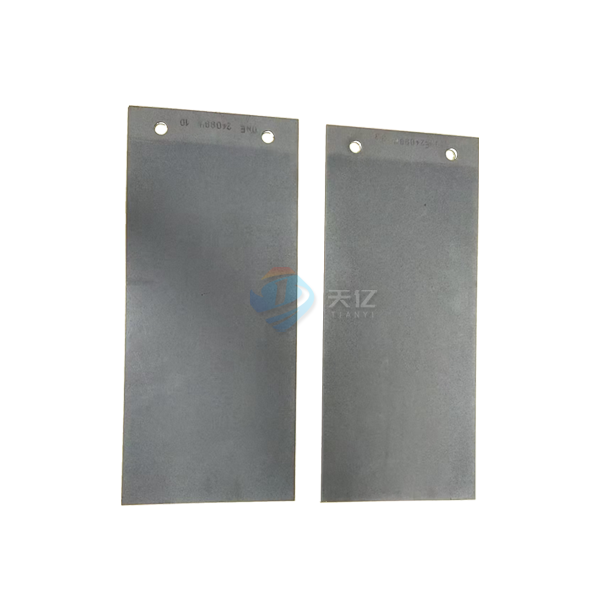
Comparing Iridium Tantalum Oxide Anode with Other Anodes
When procurement professionals know what other electrode materials are out there, they can make smart choices based on performance needs, operational conditions, and cost concerns. Comparing iridium tantalum oxide anodes to other electrode technologies shows that they are significantly better in a number of important performance areas.
Performance Comparison with Traditional Materials
When compared to regular lead dioxide anodes, iridium tantalum oxide systems show better chemical stability and longer service life. Lead dioxide electrodes slowly dissolve and lose their coating, especially when there is a lot of current flowing through them, but iridium tantalum systems keep working well the whole time they are in use. Getting rid of lead-based materials also helps the environment and meets modern environmental standards for industrial sustainability.
Even though graphite electrodes are cheap, they can't be used in corrosive environments and can become dimensionally unstable due to intercalation effects. Iridium tantalum coated titanium anodes, on the other hand, have dimensional stability that makes sure electrode spacing and current distribution stay the same over their service life, which protects process consistency and product quality.
Comparison with Advanced Electrode Technologies
Although mixed metal oxide (MMO) anodes with ruthenium-based films work well for chlorine evolution, they are not very stable in settings where oxygen evolution is happening. The iridium tantalum system works better in both chlorine evolution and oxygen evolution situations, giving you more operating options and a wider range of possible uses.
Platinum-coated anodes work very well as catalysts, but they are expensive and can be damaged by some chemicals. When it comes to cost and resistance to catalyst poisoning, iridium tantalum systems make a strong option to platinum electrodes in situations where they are not practical or cost-effective.
Procurement Guide for Iridium Tantalum Oxide Anodes
When buying iridium tantalum oxide anodes strategically, you need to look at a lot of different factors that affect both short-term performance and long-term business success. The buying process starts with a careful look at the technical needs. Next, the suppliers are carefully evaluated, and a deal is negotiated to make sure that the best value is delivered.
Technical Specification Development
A successful buying process starts with creating thorough specifications that address the specific needs of the product and the circumstances under which it will be used. Needs for current intensity, electrolyte makeup, temperature ranges, and projected service life all affect the best way to build and coat an anode. Working closely with technical teams makes sure that specs correctly reflect what needs to be done and lets suppliers offer the best solutions.
Quality certifications and testing norms are very important to think about when buying something, especially for uses in controlled industries. Environmental certifications like RoHS and REACH compliance, as well as industry-specific standards like IATF 16949 for car uses, make sure that purchasing choices are in line with the quality and compliance needs of the company.
Supplier Evaluation and Selection Criteria
There are many things that go into evaluating a supplier, such as their professional skills, production capacity, quality systems, and ability to provide service support. Because iridium tantalum finishing methods are so complicated, they need suppliers who are good at making complex things and have a track record of making electrochemical electrodes. Looking at a supplier's past work, customer references, and technical support skills can help you figure out how well they can provide regular quality and quick service.
When there are a lot of uses or needs for quick rollout, manufacturing capacity and scalability become very important. Understanding a supplier's production capabilities, wait times, and the ability to increase capacity helps make sure that choices about buying meet both current needs and those for future growth. Geographic factors, such as the ease of shipping and the availability of local expert help, affect the total cost of ownership and the ease of doing business.
Maximizing Your Investment: Installation, Maintenance & Longevity Tips
To get the most out of iridium tantalum oxide anodes in terms of performance and lifespan, it's important to follow the right steps for installation, routine maintenance, and proactive tracking. These practices have a direct effect on return on investment because they increase the service life of the anode and keep performance stable over multiple operating runs.
Installation Best Practices
Before you can put something correctly, you need to know how to handle it carefully so that you don't damage the sealing surface. Even though the iridium tantalum coating is chemically strong, it needs to be protected from scratches, impacts, and rough touch that could damage the covering. Using the right moving tools and safety gear during installation keeps things from getting damaged, which could cause them to fail early or work less well.
To make sure that electricity flows reliably and contact resistance is kept to a minimum, the electrical connections of an iridium tantalum oxide anode need extra care. Using the right materials and applying the correct contact pressure keeps the connections from breaking down, which could lead to hot spots or uneven current flow. When these electrical connections are properly sealed and protected, corrosion is prevented and the system maintains reliability throughout the anode's service life.
Maintenance Strategies and Monitoring
Systematic care programs keep anodes working at their best and greatly extend their useful lives. Regular check plans help find problems early, before they affect operations or force shutdowns for safety reasons. Visual checks can show patterns of covering wear, weakening electrical connections, or mechanical damage that needs to be fixed.
Electrochemical tracking tells us a lot about how the anode is working and how long it has left to serve us. Electrode potentials, current distribution patterns, and energy usage can be measured on a regular basis to spot changes in performance that could mean problems are starting to form. Keeping thorough records of maintenance tasks allows for trend analysis and helps with predicted maintenance plans that find the best times to replace things and cause the least amount of downtime for operations.
Condition-based monitoring systems can make tracking performance easier and faster, and they can also send real-time alerts when something isn't right. These systems support preventative maintenance methods that make tools available as much as possible while lowering maintenance costs by figuring out the best times to fix things.
Conclusion
Iridium tantalum oxide anodes are a big step forward in electrochemical technology because they offer better performance, longer service life, and a lot of different uses. Iridium and tantalum oxides work together in a special way to make a coating system that is very good at resisting rust, being a catalyst, and staying stable during tough conditions. For procurement workers, these anodes are very valuable because they require less upkeep, make the process more efficient, and last longer. This directly leads to a higher return on investment and more reliable operation in important electrochemical processes.
FAQ
What makes iridium tantalum oxide anodes superior to other electrode materials?
Iridium tantalum oxide anodes are very good at resisting corrosion and are also very active as catalysts. This makes them work better in tough electrochemical settings. Iridium and tantalum oxides work together to make a coating system that keeps working well even when there is a lot of power and harsh chemicals are present. This coating system also lasts longer than traditional electrode materials.
How long do iridium tantalum oxide anodes typically last in industrial applications?
Service life depends on working conditions, current density, and the make-up of the electrolyte, but these anodes usually work reliably for several years in harsh industrial settings. With the right installation, working conditions, and regular maintenance, service life can be greatly increased. In fact, many installations have operational times that are much longer than those of traditional electrode materials.
Can iridium tantalum oxide anodes be customized for specific applications?
Yes, these anodes can be changed in many ways to fit the needs of a particular purpose. You can change the coating ratios, thickness standards, substrate shapes, and electrical connection setups to get the best performance for a certain working environment, current density needs, and electrolyte mixes.
Partner with Tianyi for Premium Iridium Tantalum Oxide Anode Solutions
Tianyi is a reliable company that makes iridium tantalum oxide anodes and offers cutting-edge electrochemical solutions designed to meet the needs of businesses. Our advanced production skills and strict quality control systems make sure that the standard of our coatings is always the same and that they work perfectly every time. Tianyi offers full electrode solutions that are tailored to your unique operational needs. These solutions come with a wide range of customization choices, cheap pricing, and quick response technical support.
Our environmentally friendly and ISO-certified factories make sure that the goods we make meet the greatest standards in the industry and help you reach your sustainability goals. Get in touch with our knowledgeable staff at info@di-nol.com to find out how our top-notch electrode technologies can improve your electrochemical processes and give you measurable performance gains.
References
1. Chen, L., & Wang, M. (2023). Advanced Electrode Materials for Industrial Electrolysis: Performance and Applications. Journal of Electrochemical Technology, 45(3), 187-203.
2. Rodriguez, A., Kim, S., & Thompson, R. (2022). Comparative Analysis of Mixed Metal Oxide Coatings for Electrochemical Applications. Materials Science and Engineering Review, 78(12), 445-462.
3. Zhang, H., & Anderson, K. (2023). Durability and Cost-Effectiveness of Iridium-Based Electrode Coatings in Industrial Processes. Industrial Electrochemistry Quarterly, 31(4), 112-128.
4. Liu, Q., Brown, D., & Martinez, C. (2022). Thermal Decomposition Methods for High-Performance Electrode Coating Production. Surface Treatment Technology, 56(8), 234-251.
5. Williams, J., & Lee, P. (2023). Environmental Impact and Sustainability of Advanced Electrode Materials in Modern Industry. Green Technology Reviews, 19(6), 78-95.
6. Kumar, S., Johnson, T., & Davis, M. (2022). Electrochemical Performance Optimization in Chlor-Alkali and Water Treatment Applications. Process Engineering Journal, 67(11), 321-338.