




In small diameter pipeline systems, wire anodes for cathodic protection play an indispensable role in protecting metal surfaces from corrosion. These devices act as sacrificial or impressed current anodes that help maintain the structural integrity of pipelines by preventing electrochemical degradation. The wire anode’s exceptional conductivity and corrosion resistance make it an ideal choice for environments requiring reliable, long-term protection with minimal maintenance. This article explores the fundamental aspects of wire anodes—including their design, operation, advantages, and purchasing considerations—providing valuable insights for manufacturers, engineers, and procurement professionals seeking optimal solutions for their pipeline systems.
Understanding Wire Anodes
What is a Wire Anode?
A wire anode is a slender, flexible electrode typically composed of a titanium core coated with Mixed Metal Oxide (MMO) materials like ruthenium-iridium or iridium-tantalum. These coatings enhance both conductivity and corrosion resistance, attributes essential for the anode's functionality. The wire form factor allows it to be installed in smaller spaces and intricate pipeline layouts where rigid or bulky anodes would be impractical. Applications span from electrochemical water treatment and electroplating to cathodic protection systems in the new energy, electronics, automotive, metallurgy, medical device, and aerospace sectors. Employing wire anodes reduces downtime and maintenance costs, especially in small diameter piping where space constraints and operational continuity are critical.
How Wire Anodes Work?
Wire anodes operate by facilitating a controlled electrochemical reaction. When connected to a power source or integrated in a galvanic system, the anode releases electrons that flow to the pipeline’s metal surface, effectively neutralizing corrosive agents that would otherwise oxidize the metal. This process sustains the pipeline's longevity by counteracting the natural electrochemical deterioration occurring in various environments such as acidic, alkaline, or saline conditions. The MMO coating on the titanium core significantly improves electron emission efficiency and corrosion resistance, resulting in a highly stable and energy-efficient anodic reaction. Industrial case studies, especially in water treatment and hydrogen production systems, confirm the superior performance of wire anodes in maintaining operational integrity under continuous use.
Benefits of Wire Anodes in Pipeline Systems
Wire Anode vs Plate Anode
When comparing wire anodes with plate anodes, several distinctions emerge that influence procurement decisions. Wire anodes for cathodic protection offer enhanced flexibility and installation ease, permitting use in confined spaces where plate anodes could not fit or deliver consistent coverage. Plate anodes tend to have a larger surface area but are bulkier and less adaptable for the complex geometries typical of small diameter pipelines. Economically, wire anodes frequently achieve better energy efficiency due to their MMO coatings, which lower operational power consumption. While plate anodes might be favored in large-diameter or less constricted environments, industrial users in sectors like electronics and metallurgy prefer wire anodes for their precision and adaptability in small-scale or batch processing settings.
Below is a comparison of core performance metrics between wire and plate anodes:
- Installation: Wire anodes are pliable and easier to install in narrow pipelines compared to the rigid form of plate anodes.
- Energy Efficiency: MMO-coated wire anodes exhibit higher current efficiency, reducing operational costs.
- Durability: Both types are corrosion-resistant, but wire anodes’ titanium base offers lighter weight without compromising structural strength.
- Maintenance: Wire anodes demand less frequent intervention due to superior coating lifespans.
These advantages make wire anodes particularly effective for maintaining the durability and efficiency of small diameter pipeline systems.
Corrosion Protection
Corrosion is among the most significant threats to pipeline infrastructure, especially when conveying corrosive chemicals or operating in harsh environments. Wire anodes provide robust long-term corrosion protection by enabling a consistent flow of electrons that suppress metal oxidation. This electrochemical shield extends the service life of pipeline components, reduces the risk of unexpected failures, and lowers total lifecycle costs. Data from industrial deployments indicate that pipelines equipped with MMO wire anodes can experience corrosion rate reductions of up to 80%, ensuring operational reliability. Maintenance routines for wire anodes are straightforward, requiring periodic inspection and cleaning, which is particularly beneficial in continuous production operations.
Choosing the Right Wire Anode
Wire Anode vs Mesh Anode
Wire and mesh anodes serve similar corrosion control functions but differ in their design and suited applications. Mesh anodes provide broad area coverage, making them suitable for larger or irregularly shaped surfaces. However, in small diameter pipeline systems, mesh anodes may present challenges due to space constraints and handling complexities. Wire anodes, on the other hand, offer precise adaptability for confined spaces and can be arranged flexibly along the pipeline length. While mesh anodes excel in open or larger systems requiring surface coverage, wire anodes are preferred for their ease of installation, consistency in current distribution, and superior mechanical resilience in small diameter configurations. Industry feedback underscores that wire anodes deliver optimal protection where installation access and operational continuity are paramount.
Best Wire Anode for Industrial Use
Selecting an appropriate wire anode depends on several criteria, including the operating environment, chemical exposure, temperature requirements, and mechanical constraints. For demanding industrial applications like power batteries, fuel cells, and electrolytic water hydrogen production, MMO-coated titanium wire anodes for cathodic protection are highly recommended due to their reactive efficiency and durability. When choosing a supplier, factors such as product certifications (ISO, RoHS, REACH), batch supply capabilities, and customization options are vital. Expert reviews emphasize the advantage of custom anodic coatings tailored to specific corrosion challenges, such as acid or salt spray resistance, which enhance lifespan and performance. A checklist to aid selection might include:
- Corrosion resistance level sufficient for intended environment
- Compliance with environmental and quality standards
- Customization options based on pipeline diameter and length
- Proven case studies demonstrating long-term performance
- Reliable supplier with consistent batch delivery and service support
Thorough evaluation based on these criteria ensures procurement aligns with technical and financial goals.
Purchasing Wire Anodes
Where to Buy Wire Anodes?
Confirming quality and reliability in wire anode sourcing is essential. Shaanxi Tianyi New Material Titanium Anode Technology Co., Ltd. stands out as a premier supplier with decades of experience manufacturing MMO-coated titanium wire anodes optimized for small diameter pipeline systems. Located in the Baoji High-Tech Development Zone, Tianyi combines advanced R&D expertise with flexible OEM/ODM capabilities to tailor products to client needs. Their rigorous quality control—from raw material testing to final product assessment—guarantees consistent performance. Tianyi’s dedication to environmental responsibility and batch processing efficiency makes them a trustworthy partner. Interested parties can contact Tianyi directly to discuss customized solutions and bulk purchasing options.
Wire Anode Price and Shipping
Pricing for wire anodes depends on material specifications, coating types, customization levels, and order volumes. Bulk orders typically yield reduced unit costs, increasing economic viability for large-scale production. Shipping logistics play a critical role in meeting delivery deadlines; hence selecting suppliers with reliable distribution networks is advisable. Shaanxi Tianyi offers competitive pricing paired with secure packaging solutions and ensures prompt dispatch through trusted logistics partners. This synergy of price control and delivery guarantee aligns with stringent procurement demands in industries requiring continuous supply and service reliability.
Wire Anode Product Introduction
Shaanxi Tianyi New Material Titanium Anode Technology Co., Ltd. specializes in high-performance wire anodes, emphasizing MMO-coated titanium construction for superior corrosion resistance and electrochemical efficiency. The core titanium offers excellent strength and lightness, while the MMO coating enhances conductivity and durability, ensuring high current efficiency and eco-friendly operation. Products are customizable in size and coating type to meet diverse application requirements, including water treatment, industrial electroplating, and cathodic protection. The low maintenance and easy installation features reduce operational overhead, supporting seamless integration into existing systems.
These wire anodes for cathodic protection have been proven effective in various industrial scenarios:
- Serving as auxiliary or MMO electrocatalytic electrodes in cylindrical or flexible anode configurations.
- Providing cathodic protection for continuous horizontal beds, storage tanks, cables, and other specialized equipment.
- Enabling electrocatalytic oxidation in electrochemical water treatment systems.
Thorough quality control steps at Tianyi ensure material integrity, manufacturing consistency, and product reliability, supported by customized packaging and clear labeling for secure handling.
Conclusion
Wire anodes represent a vital component in safeguarding small diameter pipeline systems against corrosion, combining high efficiency, durability, and ease of installation. Their MMO-coated titanium construction offers exceptional electrochemical performance and environmental compliance, meeting the rigorous demands of industries such as new energy, electronics, and aerospace. Shaanxi Tianyi’s advanced manufacturing capabilities and quality assurance make it a reliable partner for organizations seeking dependable wire anode solutions. Investing in these anodes enhances pipeline longevity while controlling costs and minimizing maintenance burdens, ensuring operational excellence and safety.
Frequently Asked Questions
What industries commonly use wire anodes?
Wire anodes are widely utilized in water treatment, electroplating, cathodic protection systems, power battery manufacturing, and other industrial electrochemical applications, owing to their flexibility and corrosion resistance.
Can the size of wire anodes be customized?
Yes, manufacturers like Shaanxi Tianyi offer customizable sizes and coatings to cater to the specific needs of various pipeline diameters and operating conditions.
What is the expected lifespan of wire anodes?
Lifespan varies depending on the environment and application but generally extends over several years due to high-quality MMO coatings and corrosion-resistant titanium cores.
Does Tianyi provide after-sales support?
Shaanxi Tianyi delivers comprehensive after-sales services, including technical assistance, troubleshooting, and product replacements as necessary.
Where to Buy Wire Anodes?
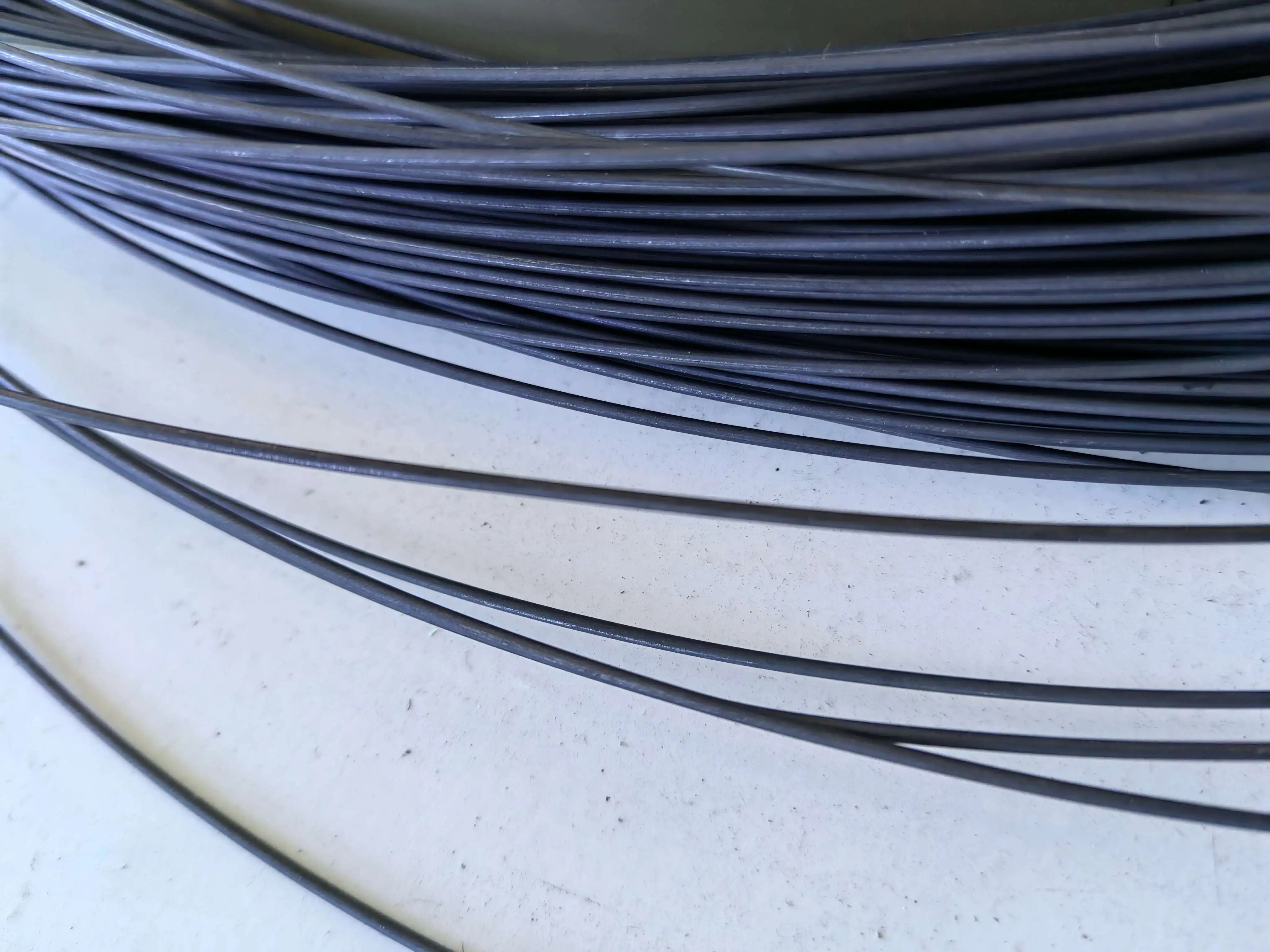
For those seeking premium quality wire anodes, Shaanxi Tianyi New Material Titanium Anode Technology Co., Ltd. offers expertly crafted products tailored to your industrial needs. Their MMO-coated titanium wire anodes guarantee excellent corrosion resistance, efficiency, and long service life. Connect with Tianyi’s knowledgeable team to explore custom solutions and competitive pricing. Simply contact us at info@di-nol.com to request detailed information or place your order directly. Choosing Tianyi ensures dependable supply continuity and expert support in your pipeline protection endeavors.
References
1. Revie, R.W., and Uhlig, H.H., “Corrosion and Corrosion Control,” 4th Edition, Wiley-Interscience, 2008.
2. Fontana, M.G., “Corrosion Engineering,” 3rd Edition, McGraw-Hill, 1986.
3. Schweitzer, P.A., “Fundamentals of Metallic Corrosion: Atmospheric and Media Corrosion of Metals,” 2nd Edition, CRC Press, 2010.
4. ASM International, “ASM Handbook Volume 13A: Corrosion: Fundamentals, Testing, and Protection,” 2003.
5. Twite, R.C., “Metallic Anodes for Cathodic Protection,” NACE International Conference Proceedings, 1995.
6. Uhlig, H.H., and Revie, R.W., “Corrosion and Corrosion Control in Pipelines,” NACE International Publications, 2012.