




If your water heater anode rod is stuck, it’s a common issue that homeowners and maintenance professionals face. The anode rod plays a critical role in protecting the interior of the water heater tank from corrosion by sacrificing itself to rust first. When the rod becomes seized due to corrosion or mineral buildup, removing it safely is essential to avoid damaging the tank or the water heater system. To address this problem, specialized tools and methods such as applying penetrating oils, gentle tapping, or heat are commonly employed. Understanding the right approach can help you preserve your water heater’s lifespan and maintain its efficiency.
Understanding the Water Heater Anode Rod
The water heater anode rod is a vital component that extends the life of your water heating system. It acts as a sacrificial metal, designed specifically to corrode instead of the steel tank, thereby preventing rust and corrosion inside the unit. These rods are typically made from either magnesium, aluminum, or a zinc-aluminum alloy, each with benefits suited to particular water qualities.
Magnesium rods tend to work best in soft water conditions due to their high reactivity, whereas aluminum rods are favored in hard water areas to combat mineral buildup effectively. Zinc-aluminum alloy rods are often selected in cases where sulphur bacteria cause unpleasant odors like rotten eggs in the water supply. Understanding which type fits your water chemistry and environmental conditions will ensure optimal protection for your water heater.
Diagrammatically, the rod runs the length of the tank, connecting to the hot water outlet or top flange, making it accessible for inspection and replacement. This accessibility is vital because periodic maintenance is necessary to ensure ongoing protection and prevent corrosion from compromising your water heater’s structural integrity.
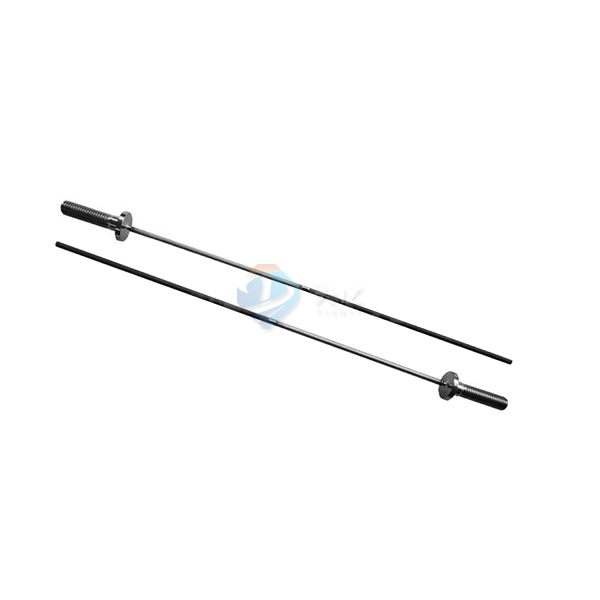
Common Issues with Water Heater Anode Rods
Recognizing when the water heater anode rod is failing or stuck is paramount to avoid costly repairs related to water heater corrosion. One key symptom of water heater anode rod degradation is the appearance of rust or cloudy water, indicating that the rod is no longer effectively protecting the tank.
The main reason an anode rod becomes stuck is mineral deposits and corrosion within the tank causing it to bind tightly into its socket. Hard water containing calcium and magnesium accelerates this build-up. After years of use, corrosion products combined with scale form a solid barrier, complicating removal attempts.
A case example is from a commercial facility where routine checks after four years found an anode rod completely seized due to heavy mineral deposits. Breakdown of protections led to rust spots appearing inside the tank, signaling impending failure. Active preventive measures, such as regularly scheduled inspections and rod replacement, helped avoid premature tank replacement.
How to Replace a Stuck Anode Rod?
Removing a stuck anode rod involves careful preparation and the proper tools. Before starting, you should shut off power to the heater and turn off the water supply. Drain enough water from the tank to locate the anode rod and minimize water spillage.
Here’s a cautious step-by-step process:
- Apply Penetrating Oil: Spray a penetrating lubricant into the rod’s sealing area and let it soak for several hours or overnight. This softens corrosion and mineral bonds.
- Use the Correct Tools: Employ a deep socket wrench (often 1 1/16” size) with a breaker bar or ratchet. This provides enough torque without damaging fittings.
- Gentle Tapping: Apply light hammer taps to loosen the rod. Heat application with a heat gun to the hexagonal fitting area may expand metal to break up seizure.
- Steady Force: Gradually increase force until the rod moves. Avoid excessive force which might damage threads or the tank.
If these measures fail, consulting a professional technician equipped with specialized tools is advisable. Attempting aggressive methods risks costly tank replacements. After removal, installation of a new, high-quality water heater anode rod is crucial to continue protection and extend your heater’s service life.
Choosing the Right Anode Rod for Your Water Heater
Selecting the correct anode rod depends on your water chemistry and application needs. Magnesium rods are generally preferred in residential settings with soft to moderate water hardness because of their strong protective qualities.
Aluminum rods offer a cost-effective solution particularly suited for hard water areas due to the metal’s resistance to mineral scaling. Zinc-aluminum alloy rods bring added benefits when odor control is necessary.
At Shaanxi Tianyi New Material Titanium Anode Technology Co., Ltd., our rods incorporate advanced MMO coatings on titanium or aluminum substrates that excel in corrosion protection and service life. Custom lengths, diameters, and coatings are available to tailor fit your system’s demands, ensuring technical compatibility and prolonged heater durability.
Expert reviews and performance evaluations indicate our titanium anode rods outperform conventional materials in high-temperature, corrosive environments, with far less maintenance needed. A comparative chart of material performance can aid in deciding the optimal rod for your water heater.
Maintenance Tips for Water Heater Anode Rods
Proactive maintenance is key to maximizing the efficiency and lifespan of your water heater anode rod. Scheduling regular inspections every 1-2 years allows early detection of rod consumption or sticking issues, preventing tank corrosion.
Replacing the anode rod every 3-5 years, depending on water quality and use frequency, keeps the sacrificial protection intact. Routine cleaning of mineral scale around the rod fittings also facilitates easy future removal.
Data from water heater studies demonstrate that consistent anode rod replacement can improve system efficiency by reducing repair needs and extending tank life, potentially saving up to 30% in operating costs over a ten-year period. Investing in quality rods and maintenance routines ensures your water heater remains reliable and cost-effective.
Company Introduction and Product Services
Shaanxi Tianyi New Material Titanium Anode Technology Co., Ltd. is a pioneering enterprise located in Baoji High-Tech Development Zone. We specialize in developing, producing, and selling advanced electrochemical electrode materials focusing on high-performance MMO-coated titanium anodes. Our product range includes ruthenium-iridium-coated, iridium-tantalum-coated, platinum-coated titanium anodes, lead dioxide-coated anodes, and flexible electrodes.
We pride ourselves on advanced R&D expertise, customization flexibility, and environmental responsibility. Our OEM production capabilities cater to medium-to-large manufacturers in new energy, semiconductor, automotive, medical, and aerospace industries with tailored high-quality coating solutions.
Every water heater anode rod for cathodic protection we produce undergoes rigorous quality inspections, ensuring consistent corrosion resistance, durability, and excellent electrochemical efficiency with low maintenance requirements. Easy installation designs complement operational continuity in various water heating applications including residential, commercial, and industrial sectors.
Conclusion
A stuck water heater anode rod is a manageable challenge when approached with the right knowledge, tools, and quality replacement products. Understanding the function of the anode rod highlights why timely removal and replacement safeguard your water heater from costly repairs. Shaanxi Tianyi’s advanced titanium and aluminum MMO-coated rods offer superior protection, efficient electrochemical performance, and ease of installation, making them a smart choice for long-term reliability. Regular maintenance and professional guidance will preserve your water heater’s functionality and ensure excellent corrosion resistance for years to come.
Where to Buy Water Heater Anode Rod?
When seeking high-performance water heater anode rods, look no further than Shaanxi Tianyi New Material Titanium Anode Technology Co., Ltd. Our products combine excellent corrosion protection, efficient electrochemical processes, and easy installation, all requiring low maintenance. If you need tailored solutions or OEM services, don’t hesitate to contact us at info@di-nol.com. Let TianYi provide you with durable, customizable anode rods that meet your exact industry standards and technical needs.
Frequently Asked Questions
How often should I replace my anode rod?
It's generally advised to inspect your water heater anode rod every 1-2 years. Replacement timing depends on water quality and system usage, typically between 3-5 years, to maintain effective corrosion protection.
Can I install the anode rod myself?
Our rods feature designs that enable straightforward installation. If you possess basic plumbing skills and tools, you may perform the replacement. However, consulting a professional is recommended if uncertain to avoid damage.
What is the difference between aluminum and titanium anode rods?
Titanium rods provide superior corrosion resistance and are preferred in harsh or high-temperature environments. Aluminum rods are lighter and cost-effective, better suited for areas with softer water and moderate corrosion risk.
References
1. American Water Works Association, Standards on Water Quality and Corrosion Control
2. Journal of Electrochemical Society, Studies on Anode Material Durability in Water Heaters
3. National Association of Plumbing-Heating-Cooling Contractors Guidelines on Water Heater Maintenance
4. Materials Science & Engineering Reports on Titanium and Aluminum Alloys for Corrosion Resistance
5. U.S. Environmental Protection Agency Guidelines on Lead-Free Compliance and Water Safety
6. Industry Report: Innovations in Electrochemical Coatings for Water Heater Applications, 2023