




Best Micro Acidic Electrolyzed Water Generator for Food Hygiene
When food safety audits tighten and chemical residue regulations grow stricter, a micro acidic electrolyzed water generator has become one of the most practical investments for food processing operations. These compact devices electrolyze a dilute saline solution to produce hypochlorous acid (HOCl) water with a pH of 2.5–6.5 and an ORP of +700 to +1100 mV—enough oxidative power to eliminate E. coli, Staphylococcus aureus, and common molds without leaving chemical residue on food contact surfaces. For procurement directors and QA managers evaluating a sanitization upgrade, this guide covers everything from technology fundamentals to supplier selection.
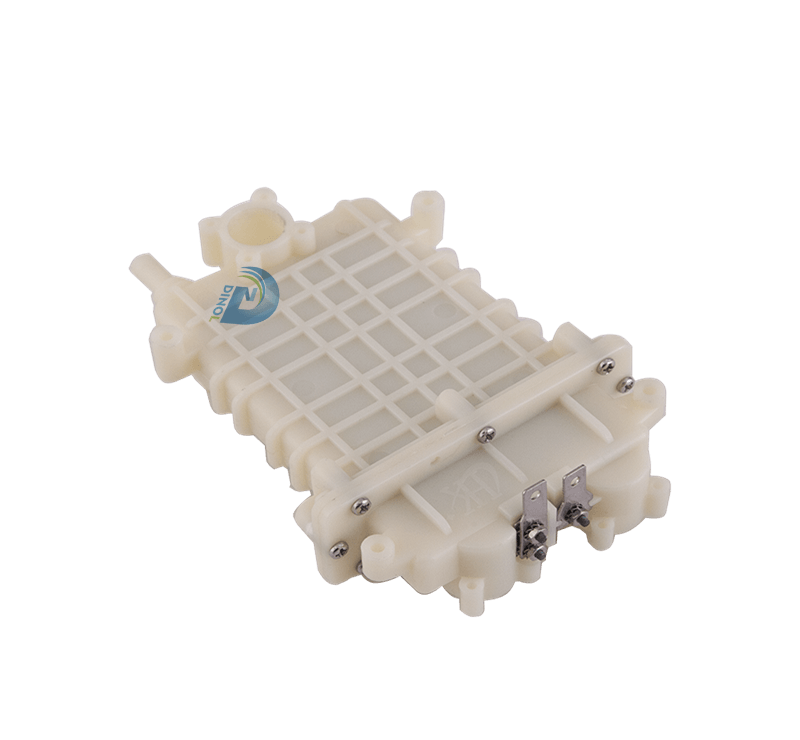
Understanding Micro Acidic Electrolyzed Water Generators and Their Role in Food Hygiene
How the Electrolysis Process Works
A weak salt-and-water solution moves through an electrolytic cell inside a micro acidic electrolyzed water generator. The cell has a titanium anode that is covered in platinum or mixed metal oxides. At levels between 10 and 80 parts per million, the anodic reaction changes chloride ions into HOCl. At these levels of concentration, HOCl breaks down bacteria cell membranes much better than sodium hypochlorite at the same ppm levels. This is mostly because the neutral molecular form can get through cell walls without being repelled by ions.
The electrolyzed water that is made doesn't have any added chemicals. It breaks down into water and small amounts of air after use, so you don't have to rinse it off like you do with other disinfectants. This residue-free feature directly addresses the chemical contamination control point that inspectors look at most closely in facilities that follow the HACCP or FSSC 22000 frameworks.
Why It Outperforms Conventional Sanitizers?
Quaternary ammonium compounds and chlorine bleach have been used in the food business for many years, but both have known problems, such as leaving behind leftovers that could be allergenic, having to store dangerous materials properly, and making some types of bacteria more resistant. These worries are completely ignored by micro acidic electrolyzed water generator technology. The sanitizing agent is made on demand from water and food-grade salt, so there is no need for chemical supply, emergency storage permits, or workers to keep an eye on the concentration.
Core Features and Evaluation Criteria for the Best Generators
Key Technical Specifications to Compare
Not every electrolyzed water unit on the market really makes micro acidic water. Before making a deal with a supplier, buyers should ask for written data on pH stability and ORP calibration certificates. When it comes to food hygiene, the most important factors for a micro acidic electrolyzed water generator are:
- pH range: A steady range of 2.5 to 6.5 makes HOCl dominate the solution the most. When units move above pH 6.5, they make hypochlorite ions, which are less useful.
- ORP output: Consistent results between +700 and +1100 mV show that the oxidative capacity is good enough to kill germs on surfaces that come into touch with food.
- Production capacity: Models with production capacities between 1 and 5 L/min can handle everything from small central kitchens to large processing lines.
- Electrode lifespan: Platinum-coated titanium electrodes with a 2,000–5,000-hour working time rating are the standard for commercial-grade units in the business. Clear replacement pricing is a good way to tell if a supplier is honest.
- Power consumption: Units drawing 50–300 W (compatible with 110V/220V, 50/60 Hz) can be added to existing electrical systems without having to replace panels.
- Certifications: The CE, RoHS, and ISO marks are the minimum requirements for equipment to enter food facilities in the EU and the US.
These specs tell you if a generator will keep up its kill-rate performance even when the shift changes and the water quality changes with the seasons. This is especially important for facilities in places where the hardness of the source water changes with the seasons.
Micro acidic output should not be confused with alkaline electrolyzed water, which has a pH range of 10–13 and is used to remove grease from surfaces. The two technologies work together in a full CIP procedure, but they can't be switched out for controlling pathogens.
Application Areas in the Food Industry
Surface Sanitization and CIP Integration
A micro acidic electrolyzed water generator works well with current clean-in-place (CIP) systems and cleans things like conveyor belts, cutting boards, processing tables, and storage bins all the time. A study in Food Control showed that stainless steel surfaces treated with HOCl water at similar concentrations killed more than 99.9% of Listeria monocytogenes. This was done without the need for the long contact time that is needed with regular chlorine solutions.
Produce Washing and Agricultural Post-Harvest
Electrolyzed water washing is used to make fresh fruits and vegetables last longer on the shelf while lowering the number of microbes that live on the surface. Agricultural businesses that use micro acidic electrolyzed water generators for washing after harvesting have seen a clear drop in costs caused by spoilage. At concentrations that are safe for food, the solution doesn't leave behind any chlorine taste or smell, so it helps make ready-to-eat produce lines taste better.
Compliance and Audit Readiness
US FDA rules and EU Regulation (EC) No 852/2004 both say that hypochlorous acid-based cleaners can be used on surfaces that come into touch with food at amounts that have been proven to work. If a facility keeps pH logs, ORP trend data, and HOCl concentration checks for their generator's output parameters, third-party auditors will be able to find the records they need during GFSI-scheme certification visits.
Procurement Guide: How to Choose the Right Generator?
By matching the model of micro acidic electrolyzed water generator to your facility's actual throughput needs, you can avoid both under-investment (not enough output capacity) and over-specification (wasting energy). A 1–2 L/min unit is usually enough for a medium-sized central kitchen, while a 3–5 L/min unit is best for processing lines that run two or more shifts continuously.
When looking at providers, give those that help with adapting to changes in water quality the most weight. If the source water has more than 300 mg/L of CaCO3, it can make the electrodes less effective and shorten the time between service visits. Instead of just handing you a standard unit and leaving, a trustworthy seller will ask for your water research data and suggest pre-treatment if it's needed.
OEM buyers should check with the maker to see if it has its own production facilities for titanium anodes. Suppliers that make their own electrodes, like Tianyi, which specializes in MMO-coated titanium anode technology and has a facility in Baoji, have better quality control over the part that affects generator performance and electrode longevity the most.
Maintenance and Operational Best Practices to Maximize ROI
Routine Care That Protects Electrode Life
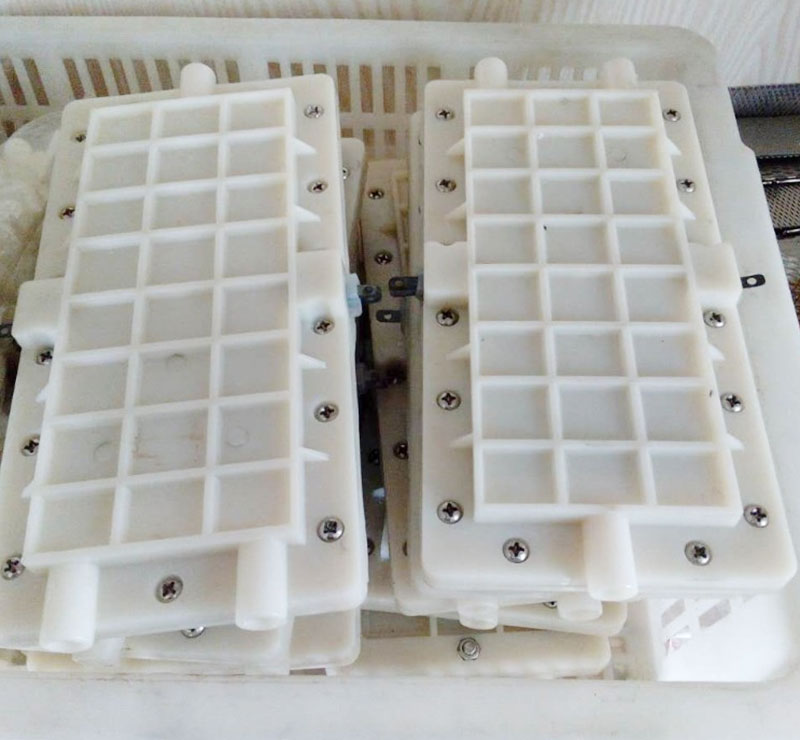
Controlling the quality of the water coming into a micro acidic electrolyzed water generator is the most important maintenance task. Scale buildup on electrode surfaces speeds up wear and tear and shortens the useful life below the estimated 2,000–5,000 hours. Calcium carbonate buildup can be stopped before it becomes a problem by using a citric acid rinse cycle once a week.
In addition to taking care of the electrodes, workers should record the pH and ORP levels at the start of each shift. If the readings are off by more than 0.3 pH units or 50 mV ORP from the standard, the salt concentration, water flow rate, and electrode condition should be checked to see what's wrong. If you catch drift early, you can avoid the more expensive situation of a generator fault in the middle of a shift stopping sanitization compliance.
To make sure that coating specifications are always met, replacement electrode assemblies should come from the original maker or a certified authorized partner. Using cheaper electrodes usually cuts down on service times and adds output variability that makes it harder to record kill rates.
Conclusion
Electrolyzed water technology has grown into a dependable and audit-ready way to clean food makers who need to show proof of kill-rate performance without the risk of chemical waste. The best micro acidic electrolyzed water generators have platinum-coated titanium electrodes, stable pH and ORP output even when the water conditions change, and clear economics for replacing electrodes. When buying something, these factors—not just the price—always lead to a better long-term return on investment (ROI) for both single-facility deployments and multi-site rollouts.
FAQ
Is MAEW safe for direct food contact surfaces without rinsing?
Yes. The solution is safe for food-contact surfaces according to US FDA guidelines and relevant EU directives when the HOCl concentration is between 10 and 80 ppm and the pH level is between 2.5 and 6.5. It breaks down into water and very small amounts of air, so it doesn't leave behind any chemicals that need to be rinsed off after use.
How often do electrodes need replacement?
In industrial micro acidic electrolyzed water generators, platinum-coated titanium electrodes usually last between 2,000 and 5,000 hours of standard use. The actual lifespan depends on the quality of the source water, how often it is used, and how well it is descaling maintained. Clear pricing on electrodes from your supplier is an important thing to make sure of before you buy.
Can MAEW generators fully replace sodium hypochlorite in food plants?
When it comes to cleaning surfaces and fruits and vegetables, MAEW works just as well. Facilities that already have sodium hypochlorite dosing systems for treating water can keep them for treating large amounts of water while switching contact surface sanitation to MAEW. A phased transition approach lets testing happen in parallel before the full switchover.
What certifications should a generator carry for export-market food facilities?
Most EU and US third-party food safety checks require that products have at least one of the following certifications: CE, RoHS, or ISO. Also, buyers should ask for safety paperwork for all wet parts that contain food-contact materials.
Partner With Tianyi for Your Electrolyzed Water Sanitization Upgrade
From its Baoji plant, Tianyi designs both the MMO-coated titanium anodes and full micro acidic electrolyzed water generator systems. This gives OEM partners and direct buyers a single source they can trust for core electrode quality and system performance. Our team can help you with water quality adaptation analysis, multilingual paperwork, and quick after-sales support, whether you need three units for a test line or a lot of OEM units. To get a detailed datasheet or project price, email us at info@di-nol.com.
References
1.Hricova, D., Stephan, R., & Zweifel, C. (2008). Electrolyzed water and its application in the food industry. Journal of Food Protection, 71(9).
2.Huang, Y. R., Hung, Y. C., Hsu, S. Y., Huang, Y. W., & Hwang, D. F. (2008). Application of electrolyzed water in the food industry. Food Control, 19(4).
3.Rahman, S. M. E., Jin, Y. G., & Oh, D. H. (2011). Combination treatment of alkaline electrolyzed water and citric acid with mild heat to ensure microbial safety. Journal of Food Science, 76(6).
4.Cui, X., Shang, Y., Shi, Z., Xie, H., & Cao, W. (2009). Physicochemical properties and bactericidal efficiency of neutral and acidic electrolyzed water under different storage conditions. Journal of Food Engineering, 91(4).
5.US Food and Drug Administration. (2020). Hazard Analysis and Risk-Based Preventive Controls for Human Food: Draft Guidance for Industry. FDA.
6.International Electrotechnical Commission. (2021). IEC 62443: Security for Industrial Automation and Control Systems. IEC Publication.