




Best Powered Water Heater Anode Rod for Tank Corrosion Control
When it comes to protecting your water heater tank from the inside out, selecting the right powered water heater anode rod for cathodic protection is one of the most consequential procurement decisions you can make. Unlike traditional sacrificial rods that deplete over time, MMO-coated titanium powered anodes deliver a consistent, low-voltage electrical current that actively neutralizes oxidation on the tank's steel wall. For B2B procurement managers sourcing reliable aftermarket components, this technology represents a measurable upgrade in service life, maintenance cost reduction, and end-user satisfaction.
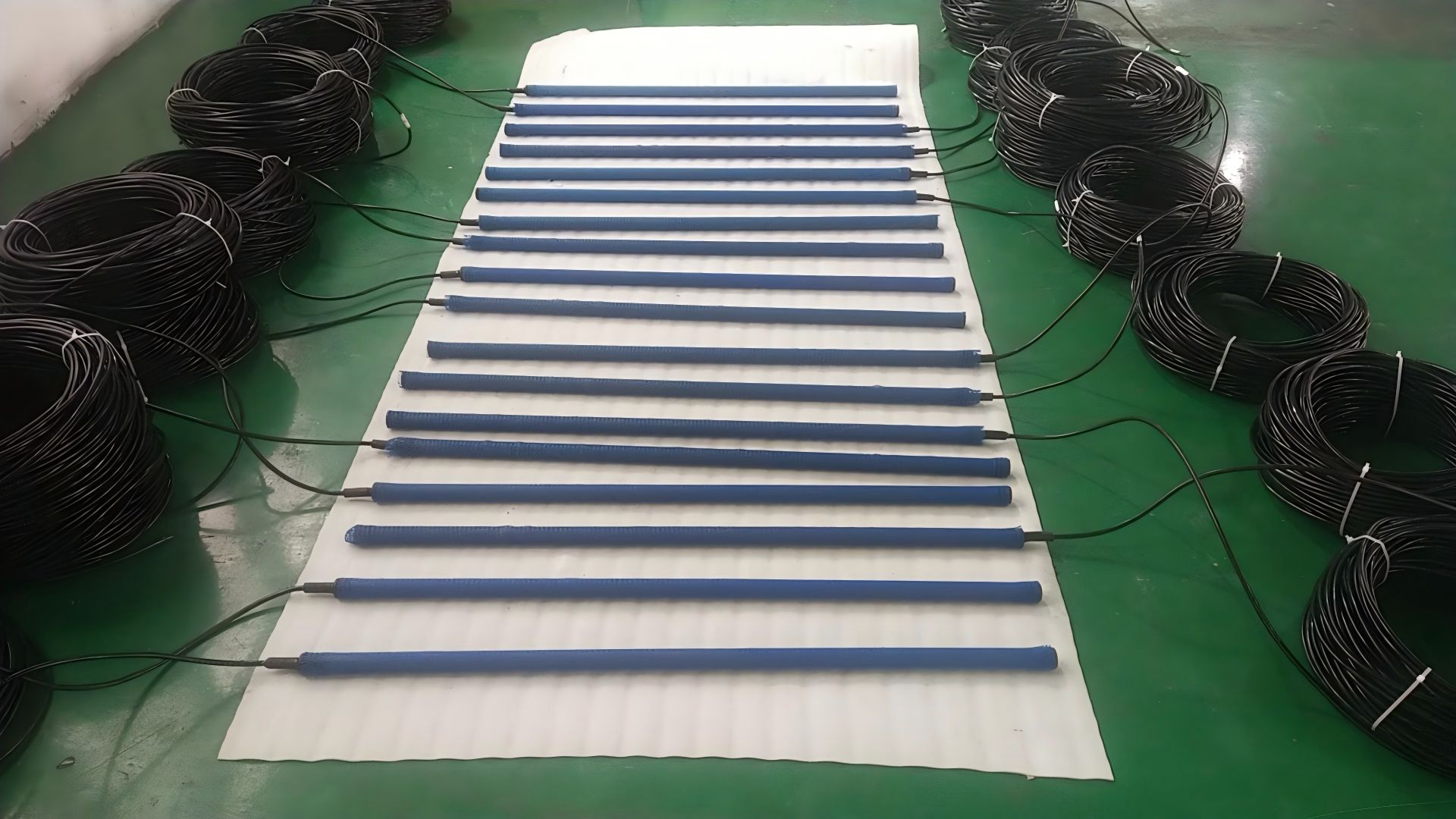
Understanding Powered Water Heater Anode Rods and Cathodic Protection
How Impressed Current Cathodic Protection Works?
Usually, magnesium or aluminum spare rods are used to protect a tank by corroding in place of the steel shell. This process wears down the rod and releases waste products. Anodes that are powered work on a completely different idea called Impressed Current Cathodic Protection (ICCP). A low-voltage DC current is sent into the water through a titanium substrate that can't be broken down. This changes the electrochemical potential of the tank wall so that oxidation can't happen. The rod doesn't lose any weight.
Materials That Define Performance
A high-end powered anode rod's core base is made of commercially pure titanium, either Grade 1 or Grade 2 according to ASTM B338/B348. Titanium was chosen because it is very good at conducting electricity and doesn't rust. The electrocatalytic coating is made up of several layers of mixed metal oxides, most often Iridium-Tantalum Oxide (IrO₂-Ta₂O₅) or Ruthenium-Iridium mixtures. This coating design makes it possible for oxygen to escape efficiently in settings with potable water while keeping its shape over decades of constant use. The end result is a device that is made to last longer than the tank it covers. Forpowered water heater anode rod for cathodic protection, this titanium core and mixed metal oxide coating are what deliver reliable, long-term corrosion protection in residential and commercial water heating systems.
Comparing Powered Anode Rods with Traditional Anode Rods
Professionals in procurement often compare the initial cost to the total cost of ownership. In this way, powered and sacrificial rods are very different from each other. Depending on how hard the water is, a normal magnesium rod needs to be changed every two to four years. Each replacement costs money in work, downtime, and trash. The rated service life of an MMO titanium driven rod is more than 20 years, which is often longer than the tank itself.
Along with lasting longer, magnesium rods react with sulfate-reducing anaerobic bacteria to make hydrogen sulfide gas. This gas gives off the notorious "rotten egg" smell that leads to a lot of bad reviews on Amazon and Home Depot. The MMO titanium rod doesn't cause that reaction because it is chemically neutral. This gets rid of a major cause of product returns and brand damage for wholesalers. In places like hotels, hospitals, and laundromats where maintenance downtime is a real cost of doing business, this non-sacrificial performance directly leads to fewer service calls and longer periods of time between tank checks.
Benefits of Using Powered Anode Rods in Water Heaters for Tank Corrosion Control
MMO-powered anodes have performance benefits that go far beyond just stopping rust. The main technical and business benefits in this category that make it appealing to B2B buyers are:
- Non-sacrificial design: The titanium/MMO rod loses no mass during operation. Procurement teams managing high-SKU catalogs benefit from drastically reduced replacement frequency and simpler inventory planning.
- Odor elimination: The inert MMO surface generates no hydrogen sulfide, resolving a persistent complaint that affects seller ratings on major retail platforms.
- Scale inhibition: The electrochemical reaction locally adjusts pH at the tank wall, inhibiting calcite adhesion and reducing sediment buildup — a secondary benefit that protects heating elements and extends energy efficiency.
- Compliance-ready design: Premium units comply with NSF/ANSI 61 for drinking water contact safety and align with NACE TM0108 standards for ICCP anode performance, supporting the certification requirements that quality engineers prioritize during vendor qualification.
All of these benefits help procurement managers in the North American aftermarket with the problems they most often face, such as warranty claims, SKU turnover, and the price of reactive upkeep for end users. By switching a private-label line to powered titanium anodes, the amount of service work that needs to be done after the sale goes down, which allows for a higher selling profit. Forpowered water heater anode rod for cathodic protection, this means fewer returns, longer product life and a stronger margin structure for brands serving the North American replacement market.
Installation and Common Issues with Powered Water Heater Anode Rods
Installation Essentials
A standard 3/4" NPT threaded fitting is used to install most residential-grade driven anodes. This is the common port that can be found on Bradford White, Rheem, A.O. Smith, and State water heaters. Most of the time, the power module changes 110V or 220V AC to a low-voltage DC output of less than 3.5V. About 10–50 kWh of electricity are used a year, which is a very small amount of money. Before installation, it's easy to make sure everything works together: check the thread specifications on the tank and choose the right rod length for the tank's capacity (40–89 gallons for most domestic units; high-output controls and longer rod lengths are needed for business tanks above 100 gallons).
Troubleshooting and Supplier Support
Power supply interruptions and poor wire connections are the most common operating problems. Premium units have LED indicator modules that fix this problem. A solid green signal means the circuit is working properly, and a fault indicator means there is a break in the conductivity. When buying in bulk, give more weight to sellers who offer written guarantee terms, technical data sheets, and expert help after the sale. How responsive a supplier is during the qualification and testing phase is a good indicator of how good the partnership will be in the long run.
How to Choose the Best Powered Water Heater Anode Rod: A B2B Buying Guide
To choose the right seller, you need to look at a number of things that affect each other. The base material is the titanium substrate, which should be Grade 1 or Grade 2. The MMO coating chemistry should also be known. Ru-Ir formulations work well for drinkable water uses, while Ir-Ta coatings work better in high-TDS or industrial settings. The type of coating (single-sided vs. double-sided) and shapes that are available (mesh, ribbon, disk, or custom geometries) affect how evenly the current flows and should match the shape of the tank. Forpowered water heater anode rod for cathodic protection, evaluating these substrate, coating and geometry variables is what separates a reliable long-life anode from one that fails prematurely in the field.
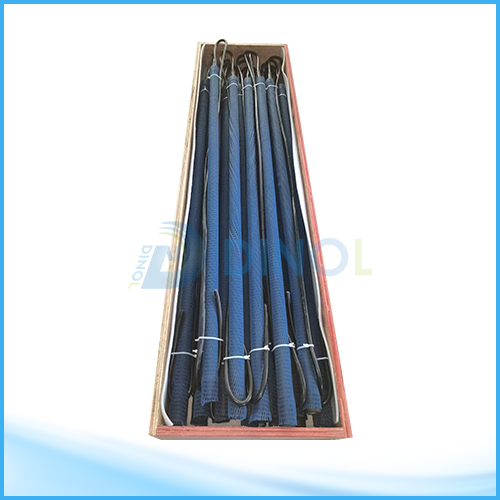
When buying something, the wait time and MOQ are just as important as the unit price. The best B2B suppliers offer different levels of prices, private-label packaging with barcodes that are ready for retail, and the ability to handle both sea-freight container orders and fast air-freight replenishment. During seller qualification, certification paperwork for NSF/ANSI 61 and UL/ETL should be ready right away. If a supplier has shown they can do both OEM and ODM, which means they can change the rod dimensions, thread specifications, and packaging to fit your brand's needs, they are more like a single-source partner than a transactional vendor.
Conclusion
A powered water heater anode rod made on an MMO-coated titanium base is not just a small step up from sacrificial technology; it is a huge step forward in how reliable corrosion protection is. This product has a long service life, gets rid of smells, and meets NSF safety standards, making it perfect for procurement managers who are starting or growing a private-label water heater repair line. The most important part of the execution process is finding a supplier that can match that product quality with real OEM capabilities, certification paperwork, and flexible payment terms. The tips above give you a clear way to find and analyze the right source. Forpowered water heater anode rod for cathodic protection, this means working with a manufacturer that can deliver consistent titanium substrate quality, verified MMO coating performance and the documentation needed for North American aftermarket compliance.
FAQ
How often does a powered anode rod need inspection?
Formal inspections happen more often than with spare rods because the rod doesn't run out. Most makers say that the electrical system should be checked once a year to make sure that the LED light shows a healthy circuit. Under normal conditions, an eye check of the power cell and conductor link every two to three years should be enough.
Is a powered anode rod compatible with existing tank installations?
Yes, units with 3/4" NPT threading can be used instead of the spare rod port on almost all tank-style water heaters sold in North America. No changes need to be made to the tank.
What certifications should B2B buyers require?
For parts that come into touch with drinking water in the U.S. and Canada, NSF/ANSI 61 approval is the norm. UL or ETL listing makes sure that the power source module is safe for electrical use. Also, suppliers should be able to show NACE TM0108 test results that prove the ICCP anode works.
Does the powered rod work in soft water or high-TDS water?
Yes. The current density in quality units automatically changes based on the resistivity of the water. This makes sure that there is enough protection in both softened water and high-TDS industrial settings where sacrificial rods wear out quickly.
Partner with Tianyi for Reliable Powered Anode Rod Supply
Tianyi specializes in MMO-coated titanium anodes designed for ICCP uses. They offer full OEM/ODM services and make designs that are NSF/ANSI 61-compliant. Because we are a reliable company that makes powered water heater anode rod for cathodic protection, we allow private-label purchases and offer adjustable MOQ, retail-grade packing, and tiered pricing. You can get a list of our products or sample prices right now by emailing us at info@di-nol.comand starting the approval process.
References
1.NACE International. Cathodic Protection of Water Storage Tanks. NACE SP0169. 2019.
2.NSF International. NSF/ANSI Standard 61: Drinking Water System Components — Health Effects. 2022.
3.American Society of Mechanical Engineers. Corrosion Control in Potable Water Systems. ASME B31.3. 2020.
4.Shreir, L.L., Jarman, R.A., & Burstein, G.T. Corrosion: Metal/Environment Reactions. Butterworth-Heinemann. 2000.
5.Fontana, M.G. Corrosion Engineering. 3rd ed. McGraw-Hill. 1986.
6.Electric Power Research Institute. Performance Assessment of Impressed Current Cathodic Protection Systems for Water Storage Infrastructure. EPRI Technical Report. 2018.