




Can Power Anode Rods Prevent Water Heater Corrosion?
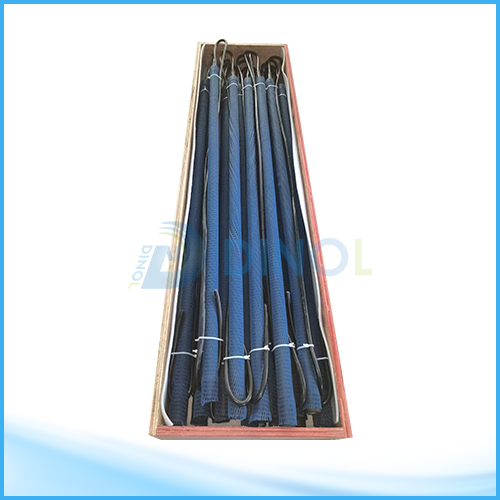
Yes — a water heater power anode rod can prevent corrosion effectively, and the science behind it is well established. Unlike passive sacrificial rods that physically dissolve over time, a powered anode rod uses Impressed Current Cathodic Protection (ICCP) technology, delivering a controlled DC current through a non-consumable titanium electrode coated with Mixed Metal Oxide (MMO). This electrochemical process actively neutralizes corrosive reactions on the tank's interior steel surface. For procurement engineers and facility managers operating large-scale or high-demand water heating systems, this technology represents a measurable upgrade in asset protection and lifecycle cost control.
Understanding Water Heater Corrosion and the Role of Anode Rods
Corrosion in a water heater tank is not a slow problem with how it looks; it is a strong electrochemical process that is sped up by minerals dissolving, high temperatures, and changes in pH. In business and industry settings, the effects are very bad: tanks failing before they should, unexpected downtime, and repair costs that are much higher than what they would have been if corrosion control had been done properly.
How Traditional Sacrificial Anodes Work — and Where They Fall Short
Traditional magnesium or aluminum substitute anode rods work on a simple galvanic principle: the rod corrodes more quickly than the steel tank wall, keeping the steel wall safe from the electrochemical attack. But these rods wear out over time—usually between two and five years—and need to be checked and replaced every so often. When water is softened or has a high TDS, depletion happens much faster. As dissolved rod residues build up as grit, heating efficiency goes down and the hydrogen sulfide reaction that gives off the smell of a "rotten egg" happens.
The Shift to Powered Protection Technology
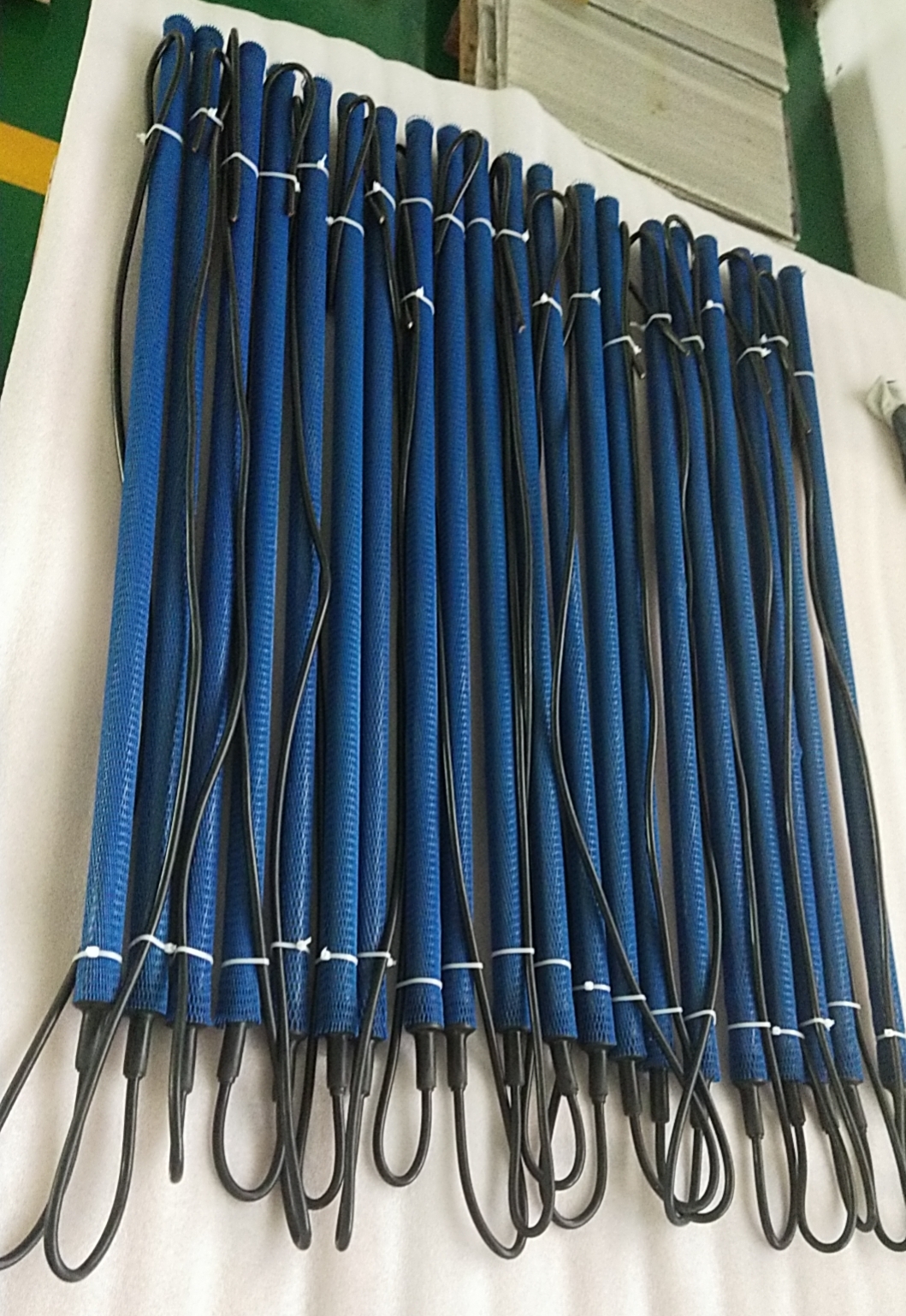
A water heater power anode rod gets around these problems by providing constant, controlled electrical defense. The titanium electrode that is coated with MMO doesn't break down. Its adjustable voltage output, which is usually between 1.5V and 24V, changes based on how the water is conducting in real time and the condition of the tank's surface. Quality units meet the standards set by QA teams and sourcing managers for compliance with NSF/ANSI 61 for drinking water safety and have CE/UL approval.
Comparing Power Anode Rods with Traditional Anode Rods
To make an informed sourcing choice, you need to know how these two protection methods compare in real-world working situations. This is a direct comparison of the key performance indicators that people who work in procurement should look at:
- Service Life: Powered ICCP anodes with titanium substrates that are coated with MMO often have service lives of more than 20 years. Standard magnesium rods need to be replaced every two to five years, and aluminum rods break down more quickly in water with harsh chemicals.
- Maintenance Demand: Traditional rods need to be inspected and replaced on a regular basis, which costs money in work and materials over time. A water heater power anode rod doesn't need much upkeep; all it needs is an annual LED status check to make sure the power source is on.
- Water Chemistry Compatibility: Because it has fewer minerals, softened water is very rough on metals that are meant to be sacrificed. ICCP systems are better in softened or high-TDS situations because they can handle this with controlled current flow.
- Odor and Sediment Control: Powered systems get rid of the smell of hydrogen sulfide within 24 to 48 hours of installation by stopping the sulfur-reducing bacterial reaction that happens when sacrificial metal dissolves.
These differences in performance directly lead to lower total costs of ownership for large-scale commercial or industrial water heating systems. When looking for solutions for five years, procurement teams looking for uses in industrial, hospitality, or multi-unit residential will always find that the powered option has a better return on investment.
Selecting the Best Power Anode Rod for Your Water Heater
When procurement managers choose a water heater power anode rod for batch or framework procurement, they need to think about three things: compatibility, water chemistry, and supplier reliability.
Key Selection Criteria for Industrial and Commercial Applications
The standard 3/4-inch NPT thread on most high-quality units means they can be used with most major water heater brands, like AO Smith, Rheem, and Bradford White. However, there are adapters available for non-standard setups. In addition to the thread specification, buyers should check the electrical module's heat tolerance, since boiler rooms often have temperatures above the normal ranges for operation. How strict a company is with quality control can be seen in their burn-in testing (which usually takes 48 to 72 hours) and thermal cycling validation.
Evaluating Suppliers for Bulk and OEM Procurement
When purchasing managers are in charge of large orders or yearly contracts, they should look at more than just the unit price when evaluating suppliers. Some important things to look for are whether or not the maker can provide NACE TM0108 accelerated life test results, ASTM D3359 coating adhesion verification, and proof of ISO or IATF16949 compliance. OEM customization, which includes substrate geometry, coating formulation, and voltage controller specification, is a key differentiator for customers who have specific needs.
Installation, Testing, and Maintenance of Power Anode Rods
It's easy to put something correctly. Most water heater power anode rod units thread straight into the current anode port. This can be done with common tools and doesn't require any special plumbing knowledge. To do this, you have to drain some of the tank, take out the old sacrificial rod, thread in the powered unit, connect the low-voltage power supply, and make sure the LED status indicator shows "active protection."
Standardized Testing and Routine Verification
A steady green LED shows that the cathodic protection is working and that the circuit is properly grounded. During regular checks, places that have big boiler banks or systems with multiple tanks should write down the state of the LEDs. Most of the time, a broken power supply is to blame when the indicator lights up, not a failed electrode. This is because the titanium MMO electrode has a proven service life that lasts much longer than standard maintenance cycles. During production, the hermetic seal assembly is checked under 150 PSI to make sure there is no chance of a leak at standard working pressures.
Why Power Anode Rods Are the Preferred Choice for B2B Water Heater Applications?
Commercial buildings and industrial owners in the hotel, manufacturing, and multi-family housing industries have all seen the same results: fewer repair calls due to corrosion, longer service gaps for tanks, and no more efficiency losses caused by sediment. When there is a lot of demand and water heaters are always on, the cost of the work needed to check and replace standard anode rods is enough to make the switch to powered protection.
Along with recovering costs, the use of recyclable, non-hazardous titanium substrates and compliance with RoHS/REACH environmental regulations support companies' sustainability goals, which are now part of the way top manufacturers and Tier 1 suppliers buy things. As electrochemical coating technology improves, especially in MMO formulas, the maximum performance level for driven anode systems keeps going up. This means that adopting a water heater power anode rod early is a smart way to buy them.
Conclusion
Traditional sacrificial systems can't provide permanent, low-maintenance corrosion protection that is calibrated to the actual operating conditions of a water heater power anode rod. For people who work in B2B procurement and are in charge of industrial water heating assets, the performance data is always the same: longer tank life, less upkeep, no smell, and full compliance with environmental compliance standards. If you buy from a company that has proven MMO coating knowledge, clear quality control procedures, and the ability to customize for OEMs, you can be sure that the security performance you define will be delivered reliably at scale.
FAQ
How long does a power anode rod last compared to a traditional rod?
Titanium water heater power anode rods that have been treated with MMO are said to last more than 20 years under normal conditions. Depending on the temperature and chemistry of the water, traditional magnesium or aluminum sacrificial rods need to be replaced every two to five years.
Can I retrofit a power anode rod into an existing water heater?
Yes. Most units have a standard 3/4-inch NPT thread and can be put into the current anode port without any changes. For configurations that aren't standard, adapters are available.
Does water quality affect which type of anode rod to use?
In a big way. Water that has been softened speeds up the breakdown of sacrificial metals, which greatly reduces their usefulness. Because the regulated current output can handle harsh water chemistry, ICCP-based powered systems work especially well in softened and high-TDS water environments.
What happens to protection during a power outage?
During a power outage, the tank is suddenly not protected. However, current power anode systems return full cathodic protection instantly when the power comes back on, without having to be reset by hand.
What certifications should I verify before purchasing?
Check that the drinking water meets NSF/ANSI 61 standards, that the electronic module meets CE/UL standards, and that the cathodic protection meets NACE standards.
Source Premium Water Heater Power Anode Rod Solutions from Tianyi
Tianyi, also known as Shaanxi Tianyi New Material Titanium Anode Technology Co., Ltd., makes high-performance MMO-coated titanium anodes that are designed to protect against rust in industrial and business settings. Tianyi is a reliable company that supplies water heater power anode rods. They can make OEM customizations, supply in batches, and provide full ISO-compliant quality paperwork. Get in touch with our technical team to get a catalog of our products, bulk pricing information, or a review of your specific requirements. Email us at info@di-nol.comto get in touch.
References
1.Shreir, L. L., Jarman, R. A., & Burstein, G. T. — Corrosion: Metal/Environment Reactions, Butterworth-Heinemann, 2000.
2.NACE International — Cathodic Protection of Water Storage Tanks, NACE SP0388, 2007.
3.Fontana, M. G. — Corrosion Engineering, McGraw-Hill, 1986.
4.NSF International — NSF/ANSI Standard 61: Drinking Water System Components — Health Effects, NSF International, 2023.
5.Lide, D. R. (Ed.) — CRC Handbook of Chemistry and Physics, CRC Press, 2005.
6.ASTM International — ASTM D3359: Standard Test Methods for Rating Adhesion by Tape Test, ASTM International, 2017.