




Can Titanium Anodes Improve PCB Etching Solution Performance at Scale?
Yes — and the evidence is hard to ignore. When production volumes rise, even minor inconsistencies in an etching bath compound into costly defects and downtime. A titanium anode for PCB etching solution addresses this directly. Built on a high-purity titanium substrate with a Mixed Metal Oxide (MMO) coating, these anodes maintain stable current distribution, resist chemical degradation, and outlast conventional materials by a wide margin. For engineers evaluating electrode options at scale, they represent a technically sound and economically defensible choice.
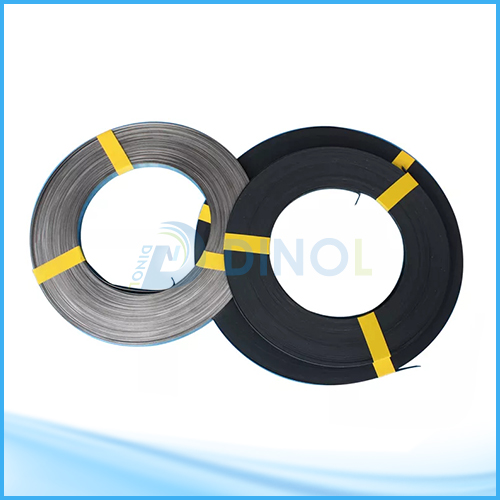
Understanding Titanium Anodes in PCB Etching Solutions
What Is an MMO-Coated Titanium Anode?
An MMO-coated titanium anode has a base of Grade 1 or Grade 2 titanium that is bonded to a layer of a catalytic mixed metal oxide. This oxide is usually a mix of iridium, tantalum, and ruthenium. Because it has this coating, the anode has a lot of electrochemical activity and is very hard to etch with acidic solutions like cupric chloride (CuCl₂). Graphite electrodes can't do this because they change size when they're working at a high current all the time. This makes an electrode that doesn't?
How It Works in an Etching System
When a PCB is etched, the anode starts oxidation reactions that remove copper from the board's surface that isn't needed. Titanium anodes that are covered in MMO keep these reactions going with not too much extra potential. This means the bath uses less power per square inch of surface that is scratched. It is very important to remember that when etching big fine-pitch circuits, the trace definition is also even because the current flows evenly across the anode surface.
Key Performance Properties
Titanium anodes don't rust, don't need much power, last a long time, make deposits that are spread out evenly, and aren't expensive to keep up. It's also easy to move and set them up in automated lines because they are very light. Because they are so easy to use, they can be added to etching equipment that is already in use or put in new setups.
Performance Comparison: Titanium Anodes vs. Other Anode Materials
Titanium vs. Graphite
As the machine runs, the graphite anodes wear down. This lets loose carbon particles that contaminate the etching solution and make the bath last less long. Also, they have more resistance inside, which means that over time, they need more power. The titanium anode for pcb etching solution, on the other hand, doesn't change shape over time. DSAs have been studied and found to have service lives of more than 5–8 years in acidic copper solutions. Graphite, on the other hand, only lasts months in the same conditions.
Titanium vs. Stainless Steel
In etching baths that are high in chloride, stainless steel anodes rust over time. The number 3 is correct. This makes metal ions come out, which hurts the quality of the board and makes the solution less pure. Titanium's inactive oxide layer acts as its own defense, and the MMO finish adds another layer of protection. In real life, it takes a lot longer for a titanium electrode to dissolve in a CuCl₂ bath. This keeps the bath's chemistry safe and cuts down on how often the solution needs to be changed.
Total Cost of Ownership
When you first buy them, titanium anodes cost more than graphite or steel ones. Steel, on the other hand, is what the long-term math says. You'll save money because you won't have to change the tub as often, buy as many replacements, and pay less for energy because the voltage drops less. Based on operating data from the industry, MMO titanium electrodes can cut the cost of maintenance and consumables by 20 to 35% per year for a medium-sized PCB shop with two or three etching lines.
Optimization and Maintenance of Titanium Anode Systems at Scale
Common Challenges and How to Address Them
Layer wear, single pitting, and voltage shift are the main issues that any large-scale anode device faces most of the time. With MMO titanium anodes, these risks are much lower because the layer sticks well to the base and is good at handling temperature changes. Still, it's suggested that you look at the board visually and check the voltage every 500 to 1,000 hours of use to find early signs of coating wear before they damage the board's quality.
Routine Maintenance Procedures
Titanium anodes are easy to keep up with as long as they get regular care. Each shift ends with a rinse of the anode assemblies with deionized water. This keeps salt from building up. Aside from that, they should look for rust or loose connections at the connection points and record voltage readings over time to set a standard. Some layers need to be replaced or looked at if the voltage goes up more than 10–15% above the normal level while the current density stays the same.
Real-World Performance: A B2B Case Study
A Southeast Asian company that made PCBs with horizontal etching lines switched from using graphite anodes to the titanium anode for pcb etching solution that had MMO on them. Inside three months, they said that the number of bath replacements needed had dropped by 28%, the amount of energy used per panel had dropped by 15%, and there were almost no contamination events because of anode erosion. The output went up because the time it took to swap the anodes went from once a week to three times a year. Over several lines, these gains added up, and in eight months, the purchaser got back the money they put into the anode.
Environmental and Economic Impact of Using Titanium Anodes
Reduced Chemical Waste
Not many people know this, but titanium anodes can help cut down on waste when used in PCB etching. Treatments that etch don't break down in the water, so they keep the tub cleaner for longer. It makes the bath last longer and cuts down on the amount of used etchant that needs to be thrown away or treated. This keeps wastewater treatment plants from having to work as hard, which saves money and is better for the environment.
Alignment with Environmental Regulations
Around the world, rules on chemical discharge and toxic waste are getting stricter for making PCBs. Anodes made of titanium help places follow the rules by cutting down on pollution where it starts. Anaodes last longer than graphite, so less of them end up in the waste stream. Graphite breaks down quickly and needs to be thrown away a lot.
Economic Justification for High-Volume Operations
The business case gets stronger as production size grows. Things like buying anodes cost money that can't be changed, so those costs are spread out over more panels. So, the money saved from a longer bath life and less energy use adds up. The price of each panel can go down by a certain amount with titanium anodes. This is noticeable in places that process tens of thousands of panels every month.
Procuring Titanium Anodes for PCB Etching Solutions: What B2B Buyers Need to Know
Evaluating Supplier Capability
People who want to buy a titanium anode for a PCB etching solution should make sure that the substrate grade (ASTM B265 Grade 1 or 2), the coating makeup, and the certified coating thickness are all clear. Companies you can trust will test the coating to see how well it sticks and how well it works with electricity. You can get examples from places that use bath chemicals and have current levels that are like yours.
Customization and Certification
Bath shape, current density, and chemical make-up are different for each PCB etching line. The titanium anode for pcb etching solution should be able to be made with the exact sizes, shapes, and finishes that you need for your process from a good provider. Quality is shown by being certified to ISO 9001 or a similar standard. Being able to OEM and ODM is important if you are putting anodes into your own tools.
Key Procurement Criteria
Business buyers with a lot of experience rank these things in order of how important they are when looking for an MMO titanium anode provider:
- Substrate and coating traceability: Confirm ASTM-grade titanium and documented MMO composition (Ru-Ir or Ir-Ta).
- Custom fabrication: Supplier should accommodate non-standard dimensions, mesh configurations, and coating loading levels.
- Technical support: Pre-sales engineering assistance and post-delivery troubleshooting reduce implementation risk.
- Lead time and logistics: Verify production lead times against your project schedule, especially for large-volume orders.
- After-sales service: Coating reactivation or substrate recoating services extend product life and protect your initial investment.
Conclusion
It is always better to use the titanium anode for pcb etching solution with MMO coatings in PCB etching settings than graphite or stainless steel ones when it comes to current efficiency, solution stability, service life, and total working cost. When used on a large scale, the performance gains are clearest. In this case, output gains come from things like fewer fixes, better baths, and less energy use. Titanium anodes are a good investment that has been shown to work in the field. They can be used by engineers to make a list of recommended suppliers or by purchasing teams to make a shortlist of possible suppliers.
FAQ
What coating types are available for PCB etching anodes?
The two most common MMO coatings for PCB etching applications are ruthenium-iridium (Ru-Ir) and iridium-tantalum (Ir-Ta). Ru-Ir coatings are preferred for chloride-rich environments like CuCl₂ baths because of their high chlorine evolution activity. Ir-Ta coatings perform better in oxygen-evolution conditions and sulfate-based chemistries. Your supplier should help you match the coating to your specific bath chemistry and current density range.
How long does an MMO titanium anode last in PCB etching service?
Under normal operating conditions in acidic copper etching solutions, MMO titanium anodes typically last 5–8 years before coating reactivation or replacement is needed. Actual lifespan depends on current density, bath temperature, and maintenance practices. Tracking voltage trends over time is the most reliable way to monitor coating condition.
Can titanium anodes be recoated after the coating wears out?
Yes. One practical advantage of titanium substrates is that they can be recoated rather than discarded. Reputable manufacturers strip the worn MMO layer and reapply a fresh coating to the original substrate, which extends the functional life of the electrode assembly and lowers long-term cost per operating hour.
What dimensions and configurations are available?
Titanium anodes are available as flat plates, mesh panels, tubes, and rods. Custom sizes and perforation patterns are standard practice among established manufacturers. Buyers should specify bath dimensions, anode-to-cathode gap, and target current density when requesting a quotation.
Get a Direct Quote from Tianyi — Trusted Titanium Anode for PCB Etching Solution Manufacturer
The titanium anodes that Tianyi makes are coated with MMO and are made to work well in harsh PCB etching conditions. We make our anodes to order based on what your process needs, and we offer full technical support and material traceability. Whether you need a small sample batch or the whole production run, our team will help you without making you buy. Email us at info@di-nol.com or visit dsa-anodes.com to get specs or send an RFQ.
References
1. Trasatti, S. Electrochimica Acta, 2000.
2. Beer, H. B. Journal of the Electrochemical Society, 1980.
3. Comninellis, C., & Vercesi, G. P. Journal of Applied Electrochemistry, 1991.
4. Moradi, F., & Dehghanian, C. Progress in Organic Coatings, 2014.
5. Kraft, A. Platinum Metals Review, 2007.
6. IPC — Association Connecting Electronics Industries. IPC-2221B: Generic Standard on Printed Board Design, 2012.