




MMO Anode for Electrowinning: Benefits, Uses, and Buying Guide
If you're evaluating mixed metal oxide anodes for a metal recovery project, this guide covers everything you need to know. An MMO anode for electrowinning is a titanium-substrate electrode coated with noble metal oxides—typically ruthenium, iridium, and tantalum—that delivers high current efficiency, long service life, and low energy consumption. Whether you're recovering copper, zinc, or nickel, this guide walks through how these anodes work, why they outperform traditional options, and how to buy the right product for your operation.
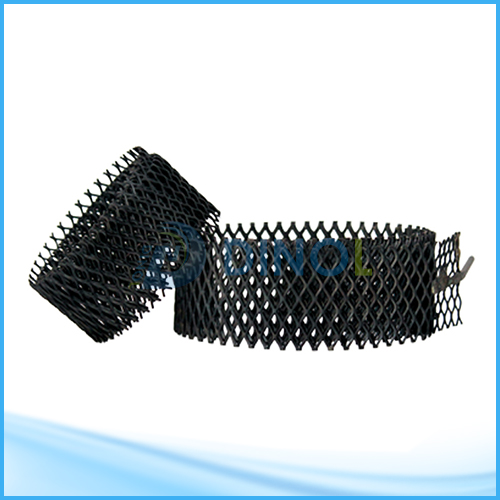
Understanding MMO Anodes in Electrowinning
What Is an MMO Anode?
An MMO (Mixed Metal Oxide) anode is an electrode that is stable in shape and is made on a base of very pure titanium. The base is covered with a tiny layer of ruthenium, iridium, and tantalum oxides that was put on very carefully. This covering creates a surface that works as a catalyst and lets oxygen escape quickly during electrolysis. It stays in shape even when it's being loaded because the layer is very strong on the titanium base. With graphite and lead anodes, you can't be sure that this will work over time.
How the Electrochemistry Works
Electrowinning is the process of running an electric current through a solution of an electrolyte. Acid-base reactions happen at the anode, and metal ions that are dissolved at the cathode turn into solid metal. The overpotential for oxygen generation is lowered by the MMO layer. This means that power that isn't used will make less heat. This makes things run more smoothly and saves money on running the business during long production runs.
Key Material Properties
Ruthenium, iridium, and tantalum are used to make these anodes. They don't rust in acidic sulfate and chloride electrolytes, they conduct electricity well so the current flows evenly, and they usually last longer than five years in industrial settings where they are used all the time. With lead anodes, the electrolyte breaks down and becomes dirty. The MMO coating, on the other hand, stays chemically stable while it works.
Benefits of Using MMO Anodes in Electrowinning
It always works better when engineers use mmo anode for electrowinning instead of other types. You should know about these major benefits before you make your next order.
- High current efficiency: The catalytic coating reduces side reactions and drives more of the applied current toward metal deposition rather than heat generation, lifting overall yield per kilowatt-hour.
- Low energy consumption: Because overpotential at the anode surface is significantly reduced, facilities running continuous electrowinning cells can see meaningful reductions in their electricity bills compared to lead-based systems.
- Long service life: With proper operating conditions, titanium MMO anodes routinely last five to ten years, cutting replacement frequency and the associated labor costs.
- Good deposition uniformity: Uniform current distribution across the anode face prevents localized burning or thin spots on the cathode deposit, improving product quality in copper and zinc tankhouses.
- Low maintenance cost and light weight: The titanium substrate weighs far less than equivalent lead anodes, making handling easier and reducing structural load on bus bars and tankhouse infrastructure.
The catalytic layer cuts down on side processes and sends more of the current to metal formation instead of heat production, which saves current. This makes more kilowatt-hours of power available.
Comparing MMO Anodes with Other Anode Types
MMO vs. Graphite Anodes
After some time, the graphite anodes start to wear away. This adds carbon bits to the solution and makes the cathode deposit dirty. Because they are not stable in terms of size, the way current flows changes over time. MMO anodes keep their form and surface activity for as long as they are used. This makes their electrical performance stable, which graphite can't match in long-term industrial settings.
MMO vs. Lead Anodes
Copper electrowinning has used lead-silver anodes for many years, but they have some serious issues. Lead mixes with the electrolyte in small amounts. This makes it more likely to become dirty, so the electrolyte needs to be cleaned more often. Heavy metal trading rules are also getting stricter in big markets. Lead doesn't get into the environment through MMO anodes, they don't need as many electrolyte corrections, and they don't pollute as much. All of these things are important for both running the business and reporting on ESG issues.
MMO vs. Dimensionally Stable Anodes (DSA)
DSA is a more general term that includes electrodes that are treated with MMO. The difference that buyers should be aware of is how the layer is made. For the mmo anode for electrowinning, when copper and zinc are electrowinning, acidic sulfate conditions are typical. This is where ruthenium-iridium mixtures do well. Iridium-tantalum coatings work well when there is a lot of acid and oxygen is being released. Having a DSA label is not as important as picking the right coating chemical for your electrolyte.
Procurement Guide for MMO Anodes
Specifying the Right Product
Before you ask for a quote, you should know four things: the target metal, the operating current density (A/m²), the shape of the cell, and the composition and concentration of the electrolyte. These things say what the right coating formula, substrate thickness, and anode measurements should be. Someone who asks these questions before giving you a price is someone you should work with.
Evaluating Suppliers
Don't just look at the price per piece when you compare MMO anode providers. Ask for proof that the materials are safe to use, details about how thick the coating is, and references from similar projects. It is important to find out if the supplier can make changes for OEMs and if they can still provide replacement anodes that meet the same standards after all these years. Delivery times for special sizes are usually four to eight weeks, so keep that in mind when you plan your purchases.
Pricing, Bulk Orders, and After-Sales Support
Titanium anodes that are treated with MMO cost different amounts based on the type of titanium used, the amount of noble metal added, and the size of the order. When you order more than a certain amount, you generally get a big deal and your order goes straight to production. You should talk to the supplier about after-sales service before you sign a purchase order. This includes the terms of the guarantee, professional help, and spare coating services.
Installation, Maintenance, and Optimization Tips
Pre-Installation Checks
Check each mmo anode for electrowinning before adding a new one to make sure the coating is even and the connection points are clean and free of oxide scale. Localized resistance is made when connections are loose or rusted. This makes the anode last less long and makes it harder for electricity to flow through the cell.
Routine Maintenance Practices
If you check the anode surface every once in a while, you can see early signs of damage to the covering or the metal itself. Rinse the anodes with deionized water before planned shutdowns to get rid of sulfate or chloride buildup. In a maintenance log, write down the battery's pH, working temperature, and current density. This lets you see small changes in speed before they have an effect on yield.
Optimizing Operating Parameters
It takes longer for the coating to stick when you use more power than is suggested. The layer is safer and lasts longer if you stay within the design current density range, which is usually 200–500 A/m² but can change depending on the use. The noble metal coating is even better protected and the least amount of energy is used when the electrolyte temperature and acid concentration stay within the range given by the supplier.
Conclusion
For electrowinning processes that want to keep things the same, use little energy, and need less upkeep, the mmo anode for electrowinning is a good choice. The base is titanium, which doesn't rust, and the layers of ruthenium, iridium, and tantalum are very electrochemically active.
They work better than lead and graphite anodes for the same amount of time because of this. The data on current efficiency, service life, and lifecycle cost always point in the same direction when procurement teams make their case to management. It is important to find a supplier whose manufacturing standards have been checked and whose anode specifications can be made to fit your exact cell design.
FAQ
Why choose MMO anodes over traditional lead anodes?
Titanium anodes that are coated with MMO don't add heavy metals to the electrolyte. The cathode layer is cleaner and the battery doesn't need to be cleaned as often. The current flow stays the same over the life of the anode because they are dimensionally stable. These are not things that lead anodes can promise since they rust.
How long do MMO anodes typically last in continuous operation?
Normal operating conditions include keeping the temperature steady, controlling the electrolyte's make-up, and making sure the current density stays within the range given. MMO titanium anodes usually last between five and ten years. How long it lasts depends on how much noble metal is loaded and how stable the conditions are while it's working.
Can MMO anodes be customized for different cell designs?
Yes, boards of different widths, covering chemicals, and sizes can be made by reliable companies to work with different electrolyte conditions. With a good MMO anode source, you should be able to get the form you need for your cell, whether it's flat plates, stretched mesh, or tubes.
What metals can be recovered using these anodes?
MMO-coated titanium anodes are used in a lot of different ways, like electroplating, nickel recovery, copper electrowinning, and zinc electrowinning. Depending on the type of fluid used in the metal recovery process, the crust recipe may be a little different.
Start Your MMO Anode Sourcing with Tianyi
Tianyi, a specialist Mmo anode for electrowinning manufacturer based in Baoji, China, can perform extensive OEM and custom work with ruthenium-iridium and iridium-tantalum coating systems. Our anodes are made to exact specifications and have been tested thoroughly to make sure they are safe. We also provide quick and helpful technical support for the whole duration of your project. Your cell shape and electrolyte data can be sent to info@di-nol.com or sent to dsa-anodes.com to get a price and a copy of our product specification sheet.
References
1. Trasatti, S. (1991). Physical electrochemistry of ceramic oxides. Electrochimica Acta, 36(2), 225–241.
2. Comninellis, C., & Vercesi, G. P. (1991). Characterization of DSA-type oxygen evolving electrodes. Journal of Applied Electrochemistry, 21(4), 335–345.
3. Tilak, B. V., & Chen, C. P. (1993). Dimensionally stable anodes for the chlor-alkali industry. Journal of Applied Electrochemistry, 23(7), 631–640.
4. Schlesinger, M., & Paunovic, M. (Eds.). (2010). Modern Electroplating (5th ed.). Wiley.
5. Abbot, J. (2001). The role of anodes in copper electrowinning. Minerals Engineering, 14(2), 193–204.
6. Kuhn, A. T. (Ed.). (1992). Industrial Electrochemical Processes. Elsevier Science Publishers.