




How Does a Titanium Electro-Chlorination System Improve Performance and Safety?
A titanium electrolyzer for electro-chlorination improves performance and safety by converting saline water into sodium hypochlorite on-site through controlled electrochemical reactions. Unlike liquid chlorine storage, this approach eliminates hazardous chemical handling, reduces compliance risk, and delivers consistent disinfectant output.
Titanium electrodes coated with mixed metal oxide (MMO) resist corrosion under continuous high-current operation, maintaining stable chlorine yield over thousands of hours. For water treatment facilities, marine operators, and food processing plants, this means fewer shutdowns, lower lifecycle costs, and a verifiable safety record backed by certifiable equipment standards.
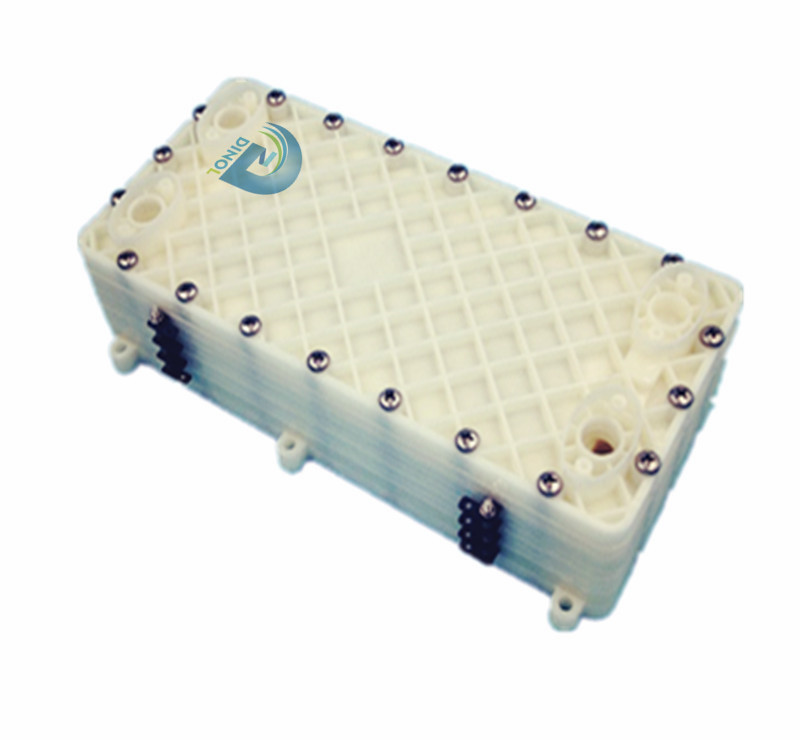
Understanding the Titanium Electro-Chlorination System
The Core Electrochemical Reaction
A 2% to 5% NaCl solution moves between the titanium anode and cathode plates inside the electrolytic cell. This reaction goes faster with the anode, which turns 2Cl⁻ − 2e⁻ → Cl₂↑ into 2H⁺ + 2e⁻ → H₂↑. Most of the time, NaCl + H₂O → NaClO + H₂↑ makes sodium hypochlorite into a liquid. Like other chlorine products, the hypochlorite ion can burn and kill germs. So, it can be used in a lot of different ways to treat water and kill bacteria.
Why Titanium Is the Electrode Material of Choice
This titanium base covered in ruthenium-iridium (Ru-Ir) MMO is different from graphite and stainless steel in two ways: it doesn't change size or shape and it doesn't rust. Graphite electrodes wear down over time, contaminating the electrolyte and making the current less strong.
Stainless steel rusts when chlorine comes in contact with it. No matter how much force is put on them, titanium electrodes keep their shape. As long as the electrode is in good shape, it can last over 10,000 hours. This means that the chlorine output and current distribution stay the same.
Structural Design Features That Reduce Stray Current
A new way for the TY-WL series cell to join to itself inside cuts down on the amount of unwanted current that runs during electrolysis. Stray current shortens the life of electrodes by speeding up electrochemical side reactions that don't need to happen.
Tianyi's titanium electrolyzer for electro-chlorination design controls the flow of electricity inside the cell body, which keeps the electrolytic efficiency high. The body of the cell is made of either PMMA or PVC, neither of which reacts chemically with hypochlorite solutions. The cell can work with normal water systems in homes and businesses because it can handle pressures up to 0.2 MPa.
Performance Advantages of Titanium Electrolyzers Over Traditional Materials
Energy Efficiency and Operating Cost
Titanium MMO electrodes can achieve up to 95% electrolysis efficiency. This means that 0.1 gram of chlorine can be made with less energy. The TY-WL series has nine different grades of capacity, from WL50B at 50 g/h to WL2000B at 2,000 g/h. The voltage used can be anywhere from 5 V to 40 V, depending on the model.
With low voltage and high current efficiency, energy bills are lower than with graphite-based cells, where electrode wear means that voltage has to be raised over time just to keep output the same. Here's why cells made from titanium are better than other ideas:
Extended Service Life and Reduced Downtime
What kind of time does the covering last? Under normal conditions, the Ru-Ir nano-coating on the TY-WL wires should last at least five years. Due to this, wires will not need to be changed as often, which will keep output going.
- Coating durability: The Ru-Ir nano-coating on TY-WL electrodes is rated for a minimum five-year service life under standard operating conditions, reducing the frequency of electrode replacement and associated production interruptions.
- Cold-water operability: The electrode material and coating remain effective in low-temperature environments and in low-salinity seawater, making the system suitable for offshore drilling platforms and ocean-going vessels operating in cold climates.
- Air-exposure tolerance: Even if an electrode plate is momentarily exposed to air during cell maintenance or partial drainage, it continues to function normally upon resumption of water flow—a practical advantage during field servicing.
All of these things work together to cut down on unplanned downtime, which is the most expensive part of running a water treatment plant all the time. The total cost of ownership should include more than just the price of the gadget. It should also include how much energy it uses and how often the electrodes need to be changed.
Consistent Chlorine Output Across Capacity Grades
You can change the WL series results and you can count on the titanium electrolyzer for electro-chlorination. A city water plant that needs 1,000 g/h can choose the WL1000B (156 A, ≦40 V, flow rate 125–170 L/h), and a ship's ballast water system can choose the WL300B (84 A, ≦20 V, flow rate 36–50 L/h). It can handle a salt feed of 2% to 5%, a temperature range of 5 to 15°C, and a cell pressure of up to 0.2 MPa. It is easier to keep track of spare parts and train repair workers from one site to another when everything is the same.
Enhancing Safety Through Titanium Electro-Chlorination Technology
Eliminating Liquid Chlorine Storage Risk
When sodium hypochlorite is made on-site, pressure liquid chlorine tanks don't have to be stored, which is against OSHA PSM and U.S. EPA RMP rules because they are dangerous. To keep everyone safe, the whole building has to be removed if a pressurized tank leaks chlorine.
There is only ever enough hypochlorite made by the electro-chlorination system at any given time. This means that the most chemicals that can be kept on-site are always well below the limits set by the government. It is easier to show that you are following the rules this way, and your insurance risk goes down.
Corrosion Resistance as a Safety Mechanism
Copper ions eat away at electrochemical cells when they come into contact with chlorine. There are holes in the structure that let water leak out when an anode or cell body corrodes. This can let metal ions into the treated water. The inactive oxide layer of titanium can fix itself when it gets hurt, so it can keep guarding even when the chemicals and current change.
A 15%–18% hydrochloric acid solution picked over electrodes on a frequent basis gets rid of scale and particle growth on their surfaces. This makes things work better without hurting the graphite or coated steel electrodes through normal wear and tear.
Maintenance Protocols That Sustain Safe Operation
They should plan regular checks to see how the electrode surface is doing, how stable the cell body seal is, and how the wires in the control cabinet are. You can plan to fix the electrode instead of changing it in an emergency if you notice covering wear early on. This can be seen as darkening in one spot or a drop in how well the current flows.
Tianyi can fix original electrode plate coatings, so users can get electrodes back to how they were when they were first made without having to buy a whole new cell. This service keeps the hardware working for a long time and keeps you from having to deal with the safety risks that come with using old gear.
Procurement Considerations for Titanium Electrolyzers in Electro-Chlorination Systems
Matching Capacity and Water Conditions to Model Selection
It is important for buyers to know the effective chlorine demand (g/h), feed water salinity, working temperature range, and power supply before they select a titanium electrolyzer for electro-chlorination model. The WL series has standard shell diameters (100–270 mm) and flange sizes (135–360 mm), so it can fit most standard pipe schemes. It can handle between 50 and 2,000 g/h. Marine applications should have CCS or an equivalent classification society certification, as class surveyors need proof of type approval for electrical equipment on ships that handle dangerous gasses.
Evaluating a Supplier's Technical and After-Sales Capabilities
Factory acceptance testing (FAT), site acceptance testing (SAT), and proof that spare parts are available are all things that a good supplier should offer. When suppliers offer electrode recoating services for the same design, long-term buying costs are lower.
This is because things that are bought are better and last longer. You can find Tianyi in the Baoji High-Tech Development Zone. They can do both OEM and ODM work. They help buyers from the time they first come up with a specification until the product is put into service and they provide ongoing technical support.
Certification and Compliance Documentation
The United States and other countries that want to buy a ship should make sure it has the following certifications: CE marking for European markets; CCS type approval for ships registered under Chinese classification; and compatibility documentation to make sure the ship meets the requirements of the IMO Ballast Water Management Convention. Materials that get wet, like titanium, PMMA, and PVC, should meet FDA or NSF/ANSI material safety standards for use in places where food or potable water will come into contact with them.
Future Outlook and Industry Trends in Titanium Electro-Chlorination Systems
Advances in MMO Coating Technology
More research is being done on iridium-tantalum and higher-loading Ru-Ir MMO formulas to make wires last longer than they can now. By using heat to break down thinner coats that stick better, you can get a higher number of active sites. This makes it easier for chlorine to evolve and harder for oxygen to co-evolve, which wastes energy and electricity. It will be better for end users because they will be able to go longer without having to do as much upkeep.
Integration with Remote Monitoring and Automated Control
Modern electrochlorination systems use PLC-based control boxes that can talk to SCADA systems from afar more and more. Keep an eye on current efficiency, cell voltage, and chlorine output in real time to spot performance drift before it leads to a fault. Remote diagnostics lower the cost of service calls that have to be made to the installation site. They also help plan preventative maintenance for installations that aren't being watched, like automatic CIP loops in food plants, offshore platforms, and remote city intakes.
Growing Demand Across Marine and Municipal Sectors
Electrochlorination is used on both new ships and old ships that have been fixed up because it meets the IMO's D-2 standard for treating bilge water. At the same time, towns that are replacing old systems that used liquid chlorine with systems that make chlorine on-site are picking scalable electrolysis cells because they are safer and more flexible. The need for high-performance titanium-based electrolytic systems will keep growing over the next ten years, as shown by these two trends.
Conclusion
Titanium electro-chlorination systems built around the titanium electrolyzer for electro-chlorination address three practical priorities for industrial water treatment buyers: consistent performance, operational safety, and long service life. The electrochemical reaction is well-established, and the TY-WL series translates that chemistry into a scalable product line covering 50 g/h to 2,000 g/h.
Ru-Ir MMO coatings resist corrosion and maintain efficiency across the electrode's rated lifespan. For procurement managers weighing total cost of ownership, the combination of low energy draw, repairable electrodes, and on-site chemical generation creates a measurable advantage over both liquid chlorine supply and graphite-based electrolytic alternatives.
FAQ
What saline concentration does the TY-WL series require?
The WL series operates on 2%–5% NaCl saline solution, which covers both prepared brine and natural low-salinity seawater. Feed water temperature should be within 5–15°C for optimal electrode performance and chlorine yield.
How long do the titanium electrodes last?
Under standard operating conditions, the Ru-Ir nano-coated titanium electrodes in the TY-WL series are rated for a minimum five-year service life. Actual longevity depends on current density, water chemistry, and adherence to recommended pickling schedules using 15%–18% hydrochloric acid.
Can the cell operate without continuous operator attendance?
Yes. The structural design minimizes stray current and the control cabinet provides automated fault monitoring. For remote or unattended installations, integration with SCADA or PLC systems allows real-time performance tracking and alerts, reducing the need for continuous on-site personnel.
What certifications are available for marine applications?
CCS type approval is available for shipboard installations. Buyers targeting other flag states should confirm compatible class society documentation during the quotation process. IMO BWM Convention compliance documentation can also be provided upon request.
What happens if an electrode plate needs refurbishment?
Tianyi offers original electrode plate recoating services. Worn electrodes are returned to factory specifications without replacing the full cell assembly, which reduces lifecycle procurement costs and shortens equipment downtime during planned maintenance windows.
Partner with Tianyi for a Proven Electro-Chlorination Solution
Salt water (2% to 5% NaCl) is what the WL series works with. In this group are both made brine and naturally occurring ocean that is low in salt. For technical inquiries, please contact us atinfo@di-nol.com. The lead electrode should work best and produce the most chlorine when the feed water is between 5°C and 15°C.
References
1. Kraft, A. (2008). Electrochemical water disinfection: A short review. Platinum Metals Review, 52(3), 177–185.
2. International Maritime Organization. (2004). International Convention for the Control and Management of Ships' Ballast Water and Sediments (BWM Convention). IMO Publishing.
3. Panizza, M., & Cerisola, G. (2009). Direct and mediated anodic oxidation of organic pollutants. Chemical Reviews, 109(12), 6541–6569.
4. U.S. Environmental Protection Agency. (2016). Risk Management Program (RMP) Guidance for Wastewater Treatment Facilities. EPA Office of Emergency Management.
5. Comninellis, C., & Chen, G. (Eds.). (2010). Electrochemistry for the Environment. Springer.
6. Water Research Foundation. (2019). On-Site Generation of Hypochlorite for Drinking Water Disinfection: State of the Science. Water Research Foundation.