




Can Lead Dioxide Electrodes Improve Advanced Oxidation Processes?
When engineers ask whether a lead dioxide electrode can genuinely improve advanced oxidation processes (AOPs), the short answer is yes—and the evidence is substantial. Ti/PbO₂ anodes carry a high oxygen evolution potential of 1.75 V, which drives the surface generation of hydroxyl radicals (·OH).
Those radicals attack refractory organic compounds—phenol, nitrobenzene, aniline—far more aggressively than conventional Fenton chemistry. Unlike Fenton-based systems, electrochemical oxidation with a PbO₂ anode produces no chemical sludge, which makes it a cleaner fit for industrial wastewater projects that must meet tightening discharge standards.
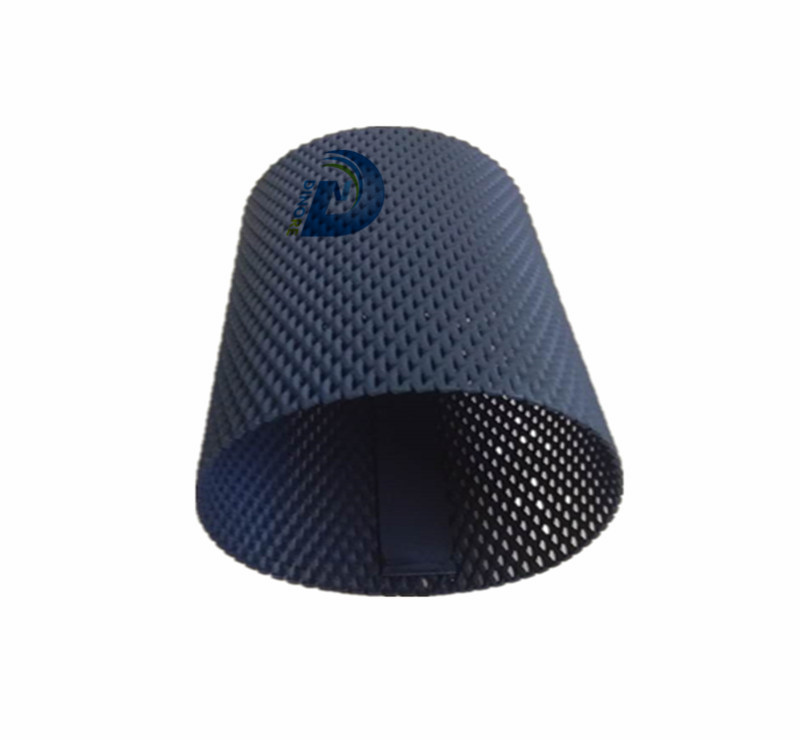
Understanding Lead Dioxide Electrodes and Their Role in AOPs
How the Electrode Is Structured
A Ti/PbO₂ anode is more than just a layer of lead dioxide on metal. It is made up of several layers: a titanium mesh base, an intermediate layer of tin-antimony oxides or platinum-group metal oxides for sticking and conducting electricity, an α-PbO₂ buffer layer put down in acidic conditions, and an active surface made of β-PbO₂. This stacked design keeps the TiO₂ from passivating at the base and lowers the stress on the coating inside. These two things make the service life 1.5 to 2 times longer than with regular lead anodes.
The Reaction Mechanism Behind Pollutant Removal
During electrolysis, water molecules oxidize on the surface of the anode in the following way:
OH₂ads + H⁺ + e⁻ → H₂O
The hydroxyl radicals that were chemisorbed then react with organic molecules that move to the electrode surface. Because β-PbO₂ has a high oxygen overpotential, side processes that lose current—mainly oxygen evolution—are stopped. This sends more charge toward oxidizing pollutants. After five hours of electrolysis, Ti/PbO₂ anodes removed 65% of the COD in nitrobenzene-containing wastewater in the lab, which was better than graphite electrodes in the same conditions.
Typical AOP Performance Data
The following numbers show how well Ti/PbO₂ electrodes work at breaking down organic pollutants:
- Methyl orange (10 mg/L): ~100% removal in 12 minutes at a current density of 36 mA/cm²
- Phenol and aniline: high removal rates within 3 hours of electrolysis
- Hydroxystyrene and similar compounds: full mineralization to inorganic products or CO₂ within 3–6 hours
These numbers show that the lead dioxide electrode really does have electrocatalytic activity that can be repeated with different kinds of pollution.
Comparing Lead Dioxide Electrodes with Alternative Electrode Materials
Ti/PbO₂ vs. Graphite and Platinum
When oxygen levels rise and the environment is very acidic, graphite anodes break down quickly, releasing carbon particles that pollute the effluent. Platinum has about the same or slightly higher oxygen overpotential, but it costs a billion times more. A Ti/PbO₂ anode is in the middle.
It has a current efficiency of 93–95%, a cell voltage that is 5–8% lower than traditional lead anodes, and a history of not corroding in H₂SO₄ or HNO₂ media. The total cost of ownership for Ti/PbO₂ is lower than that of either graphite or platinum in industrial AOP projects where cost and life span are important.
Ti/PbO₂ vs. Dimensionally Stable Anodes (DSAs)
In chlorine-evolution systems, DSAs are usually made of ruthenium-iridium or iridium-tantalum covered titanium. When treating high-COD wastewater with oxygen, DSAs have a lower oxygen overpotential. This means they make fewer hydroxyl radicals per unit of charge. Ti/PbO₂ anodes work best in places where strong oxidation of refractory organics is needed. This makes them the better choice for pharmaceutical intermediate wastewater, coking wastewater, and landfill leachate.
Key Selection Criteria for Procurement Teams
As for the operating medium, β-PbO₂ is stable in H₂SO₄ and HNO₀, but it needs to be carefully studied in streams that are highly alkaline or chlorinated.
Ti/PbO₂ can handle high current densities without getting too hot when a mesh substrate is used. This is because the open mesh lowers the resistance to electrolyte flow.
- Operating medium: β-PbO₂ is stable in H₂SO₄ and HNO₃ but should be evaluated carefully in alkaline or highly chlorinated streams.
- Current density range: Ti/PbO₂ handles high current densities without overheating when a mesh substrate is used, because the open mesh reduces electrolyte flow resistance.
- Lead ion compliance: Reputable manufacturers apply dense, well-adhered β-PbO₂ coatings that pass standard leaching tests; always request test reports confirming Pb²⁺ release levels meet discharge limits.
- Geometry options: Plates, tubes, and mesh forms are all available, allowing the electrode to fit existing reactor designs.
Together, these things show if a Ti/PbO₂ anode will work the way it's supposed to throughout the whole project lifecycle.
Procurement Insights: Sourcing Lead Dioxide Electrodes for Your Business
Evaluating Manufacturer Capabilities
Not every company that sells a lead dioxide electrode has the process control to make anodes that are consistent and last a long time. When looking at different providers, I suggest asking for proof of the makeup of the middle layer, the coating thickness tolerance, and the adhesion test results.
Manufacturers who have their own electrodeposition facilities and well-documented nanoparticle treatment methods, like adding CeO₂ or carbon nanotubes, usually have more stable coatings. Ask for a COA (Certificate of Analysis) and, if possible, a test report from a pilot-scale project that used similar wastewater.
MOQ, Lead Time, and Customization
Lead time is a real problem for EPC projects that have to be delivered 30 to 60 days after the award. Choosing a process package and then bidding on equipment is a common way to buy things, so getting suppliers involved early on lowers risk. Plate, tube, and mesh shapes can be made to order from reputable makers, and many of them can support 1:1 pilot-scale testing before full production runs. When buyers spend between ¥500,000 and ¥3,000,000 a year, they usually get personal account management and priority booking.
OEM and Design Institute Collaboration
A lot of EPC companies work with design institutes that have already approved certain electrode brands. It is very helpful for buyers if suppliers can provide co-designed process drawings, pilot test data in PDF format, and technical review sessions where design teams and suppliers work together. Give more weight to suppliers who have worked with chemically complex wastewater, not just clean electroplating baths.
Maintenance and Optimization Tips for Lead Dioxide Electrodes in AOPs
Routine Inspection and Cleaning
Scale and organic matter build up on the active surface of the lead dioxide electrode, Ti/PbO₂ anodes that are used in wastewater service over time. A three-month inspection plan that includes eye checks for delamination of the layer and changes in the color of the surface finds problems before they affect how well COD is removed. Mild acid washing with diluted H₂SO₄ (5–10%) gets rid of carbonate and sulfate scale without hurting the β-PbO₂ layer. Do not use mechanical scraping because it hurts the structure of the surface.
Managing Current Density to Extend Coating Life
Running an anode with more current than it can handle speeds up the wear on the coating. Most Ti/PbO anodes work best in the 20–50 mA/cm² range when they are used to treat wastewater. It's okay to step above this range sometimes, like when the load is very high, as long as the total charge flow stays within the design limits. A cheap way to protect the electrode investment is to set up a current tracking switch that goes off when the density reaches 110% of the rated level.
Troubleshooting Common Performance Drops
Most of the time, one of three things is to blame when COD removal efficiency drops out of the blue: surface fouling, coating delamination near the bus bar link, or a short circuit in the cell stack. This is a quick diagnosis plan:
- Check cell voltage—a rise of more than 10% from baseline suggests surface fouling.
- Visually inspect the anode surface for gray or white patches, which indicate TiO₂ formation from passivation.
- Test Pb²⁺ in the treated effluent; a sudden increase signals coating damage.
If the voltage goes up by more than 10% from the starting point, it means that the surface is getting dirty.
Future Trends and Innovations in Lead Dioxide Electrodes for AOPs
Nanoparticle Doping and Gradient Coating Architectures
The main goal of current research in this area is to make coatings stick better and lower cell power at the same time. Adding CeO₂ nanoparticles to the PbO₂ matrix makes the surface more active and slows the growth of grains during electrolysis, which makes the coating last longer.
Adding carbon nanotubes makes the mass transmission better. A recent study found that gradient coating structures, in which the α/β ratio changes gradually from the base outward, improve binding by 30% and lower cell voltage by 0.3 V. These are not just theoretical improvements; they are now being made available to the public.
Stricter Regulations Driving Demand
Every year, the rules for releasing refractory organics like pharmaceutical compounds, pesticide residues, and cyanide are getting stricter in the US and Europe. Electrochemical oxidation with high-performance anodes is becoming more popular as an alternative to Fenton processes because it doesn't produce toxic sludge and can run nonstop without the need to handle reagents. This regulatory pressure is making more people want tested, high-performance Ti/PbO solutions from companies that have a history of using these solutions in the past.
Strategic Procurement Considerations
People making long-term plans for their money should take into account that nanoparticle-doped anodes are getting cheaper and that known makers are making it easier to do pilot tests. EPC companies can now react quickly as project volumes rise because they have locked in a supply deal with a partner that is technically capable.
Conclusion
Ti/PbO₂ anodes make advanced oxidation processes better by producing more hydroxyl radicals, getting rid of more COD, and lasting longer than graphite or regular lead anodes. The multilayered structure, which includes a titanium substrate, an intermediate oxide layer, and a dual-phase PbO₂ coating, was designed to work well in harsh wastewater environments. It is technically sound and financially sound for EPC teams in charge of refractory organic wastewater projects to choose a lead dioxide electrode system that has been properly manufactured and maintained.
FAQ
Does a Ti/PbO₂ anode release lead ions into treated water?
A properly manufactured β-PbO₂ coating is dense and chemically stable in acidic media. Reputable suppliers provide leaching test data confirming that Pb²⁺ release stays below regulatory discharge limits. Always request this documentation before purchase.
How long does a Ti/PbO₂ anode typically last?
Under normal operating conditions, titanium-based PbO₂ anodes last 1.5 to 2 times longer than traditional lead anodes. Service life depends on current density, medium composition, and maintenance practices.
Can pilot-scale data scale up to full production?
Yes, provided the current density, flow rate, and electrolyte composition are maintained proportionally. Suppliers with EPC project experience can provide scale-up guidance and co-designed process drawings.
What wastewater types are best suited for Ti/PbO₂ anodes?
These anodes perform well in pharmaceutical intermediate wastewater, pesticide wastewater, coking wastewater, landfill leachate, and other high-COD, refractory organic streams—particularly in sulfuric acid media.
Is a Ti/PbO₂ anode compatible with existing reactor designs?
Plate, tube, and mesh geometries are available, making integration into most existing electrolytic cell designs straightforward with minimal modification.
Get a Lead Dioxide Electrode Solution from Tianyi
Tianyi makes Ti/PbO₂ anodes that have a current efficiency of 93–95%. They also make plate, tube, and mesh geometries that can be customized and help with pilot-scale testing for complicated wastewater applications. As a manufacturer with a lot of experience in making lead dioxide electrodes, we work directly with EPC project teams and design companies to make sure that the electrode specs meet the needs of your process. To get a trial test report or a technical advice, email us at info@di-nol.com or go to dsa-anodes.com right now.
References
1. Comninellis, C. (1994). Electrocatalysis in the electrochemical conversion/combustion of organic pollutants for waste water treatment. Electrochimica Acta, 39(11–12), 1857–1862.
2. Feng, Y. J., & Li, X. Y. (2003). Electro-catalytic oxidation of phenol on several metal-oxide electrodes in aqueous solution. Water Research, 37(10), 2399–2407.
3. Martínez-Huitle, C. A., & Brillas, E. (2009). Decontamination of wastewaters containing synthetic organic dyes by electrochemical methods. Applied Catalysis B: Environmental, 87(3–4), 105–145.
4. Panizza, M., & Cerisola, G. (2009). Direct and mediated anodic oxidation of organic pollutants. Chemical Reviews, 109(12), 6541–6569.
5. Simond, O., Schaller, V., & Comninellis, C. (1997). Theoretical model for the anodic oxidation of organics on metal oxide electrodes. Electrochimica Acta, 42(13–14), 2009–2012.
6. Xu, L., & Wang, J. (2012). A heterogeneous Fenton-like system with nanoparticulate zero-valent iron for removal of 4-chloro-3-methyl phenol. Journal of Hazardous Materials, 186(1), 256–264.