




How to Choose an Electrolytic Sodium Hypochlorite Generator for Farms
Choosing the right on-site chlorine generation system for farm use is not as simple as picking the cheapest unit on the market. An electrolytic sodium hypochlorite generator converts dilute salt water into a disinfectant solution through electrochemical reactions, producing hypochlorite ions that match the oxidizing power of conventional chlorine-based agents. For farms managing irrigation water, livestock sanitation, or equipment wash-down, selecting the correct model means matching output capacity, electrode durability, and control features to your specific daily demand. This guide walks you through every decision point so you can buy with confidence.
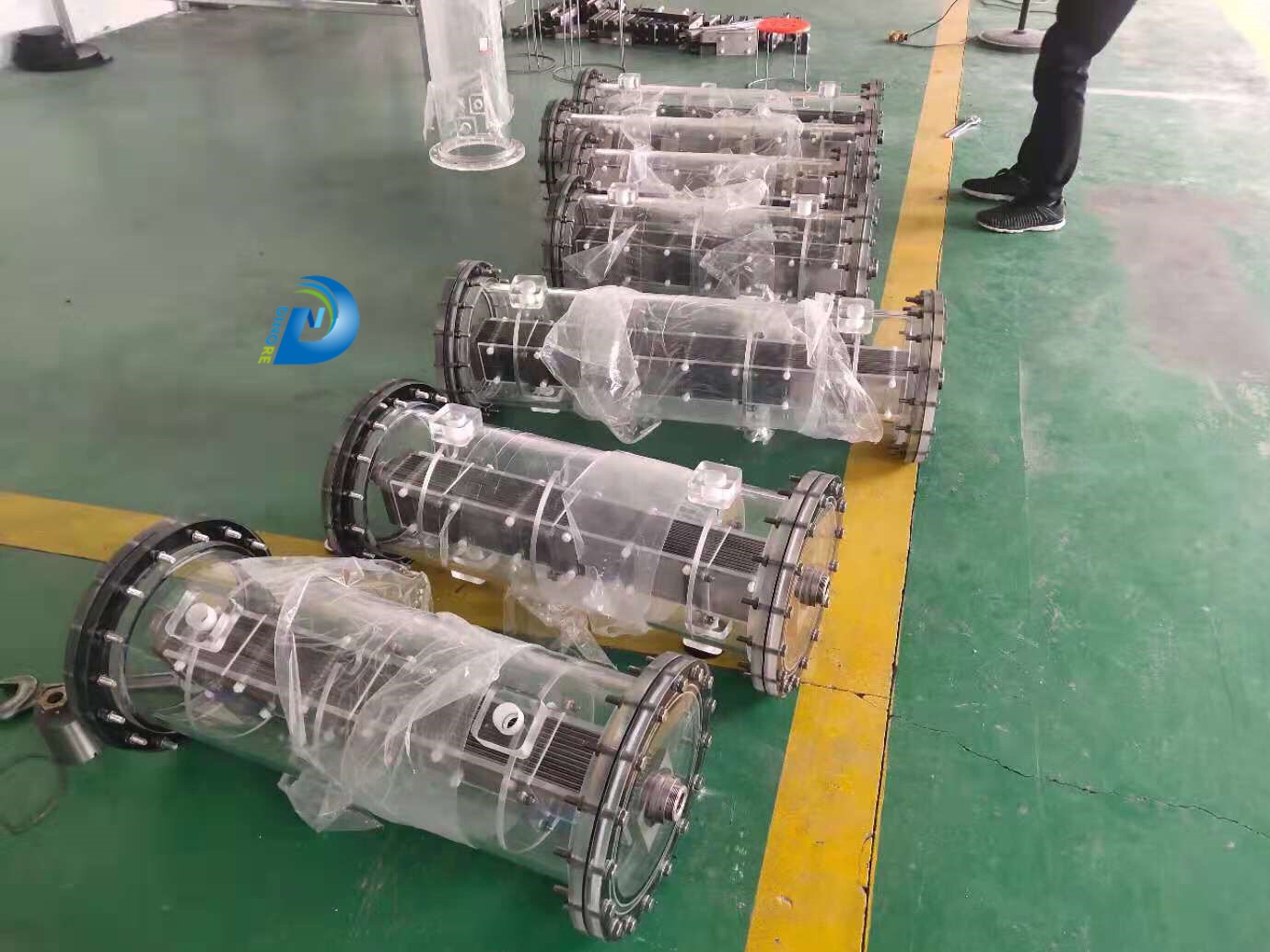
Understanding Electrolytic Sodium Hypochlorite Generators
How the Electrochemical Process Works
Salt water (2–5% NaCl solution) moves between the titanium anodes and cathodes inside the electrolytic cell. When chloride ions lose electrons at the anode, they turn into chlorine gas (2Cl⁻ − 2e⁻ → Cl₂↑). When electrons are gained at the cathode, hydrogen gas is released (2H⁺ + 2e⁻ → H₂↑). The net reaction is NaCl + H₂O → NaClO + H₂↑. This makes a sodium hypochlorite solution that kills bacteria, viruses, and biofilm very effectively without bringing dangerous liquid chlorine to your site.
Key System Components
Three pieces of hardware determine how well a system works. The electrolytic cell is what makes things happen. Tianyi's TY-WL series has PMMA/PVC shells with MMO (Mixed Metal Oxide) inside. Nano-coated titanium wires with Ru-Ir that are said to last at least five years. The power supply and control cabinet makes sure that the DC current and voltage stay within the ranges set for each model. The monitoring interface keeps track of flow rate, cell pressure (≤0.2 MPa across all models), and output concentration, so farms can run without anyone being there.
Generator Types Available
From WL50B to WL2000B, Tianyi's TY-WL line of electrolytic sodium hypochlorite generator has nine different capacity types that range from 50 g/h to 2,000 g/h of effective chlorine output. Smaller packaged units (WL50B–WL200B) are good for watering chicken coops and greenhouses. Mid-range modular units, like the WL300B to WL750B, are good for larger livestock operations or CIP wash stations. High-capacity models (WL1000B–WL2000B) are made for water treatment on a local level or sea aquaculture, where demand is high all the time and downtime is expensive.
Key Selection Criteria for Farm Applications
Match Output to Daily Chlorine Demand
Figure out how much chlorine you need in grams per hour at peak times every day before you ask for a price. A small vegetable farm that waters 50 acres might only need 100–200 g/h, but a big poultry integrator that cleans all of their equipment all the time might need 500 g/h or more. Too big of a size loses money, and too small of a size leaves you short on chlorine during peak disinfection rounds. You can get a clean step-up in capacity with the TY-WL series, so you don't have to pay for extra space that you won't use.
Evaluate Electrode Coating Durability
Long-term operating costs depend on the quality of the electrode coating more than anything else. Tianyi uses Ru-Ir nano-coatings that stop corrosion even in seawater with low salt content and low temperatures (inlet water 5–15 °C). Poorly covered electrodes break down when they are exposed to high current for a long time. This increases the voltage needed and lowers the chlorine supply. When you are comparing providers, make sure that the coating composition and electrode replacement times are written down and backed up by field data, not just marketing promises.
Assess Energy Efficiency and Salt Consumption
There are economics that matter on a farm where profits are small. Here are the main ways to compare how efficient different models are:
- Salt consumption should be low per gram of chlorine produced; TY-WL cells are designed for reduced salt draw through an optimized electrode gap and connection structure that also minimizes stray current losses.
- Voltage and current ratings define energy draw; for example, the WL500B operates at ≤30 V / 120 A, while the WL2000B operates at ≤40 V / 460 A.
- Flow rate range (e.g., 65–85 L/h for WL500B) must align with your existing water supply pressure and pipe sizing.
These numbers have a direct effect on your monthly salt and electricity bill, so make sure that any supplier you shortlist gives you a full energy audit.
Ensuring Reliability and Performance on the Farm
Site Preparation and Integration
A good repair starts before the tools show up. The temperature at the cell's entrance must stay between 5 and 15 °C. In hot places, a pre-chiller or a plumbing run in the shade may be needed. Standard threaded fittings are used for pipe connections (G1 internal thread on the WL50B and up to G1 internal thread on the WL2000B), which makes it easy to connect to existing PVC water lines. To safely let out the hydrogen gas that is made at the cathode, there needs to be enough air flow.
Routine Maintenance Practices
Unplanned downtime can be avoided with regular upkeep. Pickling with 15–18% hydrochloric acid gets rid of scale layers on electrode surfaces and improves output efficiency. This is a normal, planned process that doesn't mean the equipment is broken. Every week, operators should check the flow rate and cell pressure, every month they should check the connections in the control box, and every time they should compare the log output concentration to the initial reading they took during setup. Tianyi offers full expert help for re-coating electrodes if they need it, which greatly lowers the costs over the whole lifecycle.
Safety and Compliance Standards
For farms in the United States, making sodium hypochlorite solution on-site is much safer to store and handle than using pressurized liquid chlorine tanks, which are controlled by OSHA 29 CFR 1910.119 as dangerous materials. When power is generated on-site, there is no risk of transport at all. A PLC-controlled generator makes dosing clear and easy to track, which is helpful for farms that need to export food or follow the rules of the Food Safety Modernization Act (FSMA).
Procurement Guide: How to Buy the Right Generator for Your Farm?
Verify Supplier Certifications and Track Record
A reliable company that makes electrolytic sodium hypochlorite generators should have the right licenses for the markets it serves, such as CE marking for European compliance, CCS (China Classification Society) approval for naval uses, and quality systems that are in line with ISO standards. If you can, ask potential suppliers for a list of similar farms or food processing plants, along with contact information for those facilities. It is very risky to buy from suppliers whose project records can't be checked. This is especially true for projects with 3–9 month delivery and completion timelines.
Review Warranty Terms and After-Sales Support
The standard guarantee should cover the control box and electrolytic cell for at least one year after they are put into service. The ability of the supplier to respond is more important than the length of the warranty. Tianyi provides on-site adjustments, re-coating services for electrode plates, and spare parts, so if something goes wrong in the third year, the whole system doesn't have to be replaced. Before you sign a purchase order, make sure you know how long it will take to get replacement electrodes and what the supplier's response protocol is for remote diagnostics.
Factor in Total Cost of Ownership
The price you pay for something is just one line item. The real comparison is the total cost of ownership over five years. Find out how much salt and electricity will cost per kilogram of chlorine produced, how often the electrodes will need to be replaced, and how much it will cost to upgrade the control system. If you spend a little more up front on a unit with a durable MMO coating and a factory-standard control cabinet, it will usually save you money over five years than a cheap unit that needs new electrodes every 18 months.
Case Studies and Practical Applications in Farming
Livestock Water Sanitation
A medium-sized chicken farm that treats its drinking water all the time put in a WL300B electrolytic sodium hypochlorite generator. By making sodium hypochlorite on-site, the facility got rid of the need for weekly supply of bulk liquid disinfectant. This cut down on the number of pathogens in the drinker lines and saved about 30% on the annual cost of buying disinfection. The unsupervised operation mode let the staff focus on taking care of the animals instead of handling chemicals.
Greenhouse Irrigation Disinfection
It was better for drip irrigation lines when a greenhouse vegetable grower in the southwestern United States switched from using granular calcium hypochlorite to having a unit make the chemical on-site. Because the control panel let them change the output in real time, the chlorine residual stayed within the 0.5–2 ppm goal range that was needed by their FSMA compliance plan. This kept them from under-dosing and crop phytotoxicity incidents.
Aquaculture Water Treatment
A shrimp hatchery that used seawater needed a system that would work reliably in marine water with low salt levels. Tianyi's electrode coatings can be used in low-salt seawater, so the WL500B unit worked as expected and didn't have the electrode degradation that the facility had with a different supplier's product.
Conclusion
There are four practical things to think about when choosing an on-site sodium hypochlorite generation system for a farm: matching output to real demand, making sure electrode coatings last, making sure control systems work with each other, and picking a seller with a well-known service network. Tianyi's TY-WL series of electrolytic sodium hypochlorite generator solves all of these problems with a nine-model range of capacities, Ru-Ir nano-coated titanium electrodes that are guaranteed to last five years, and full technical support from setting up the system to maintaining the electrodes. Making the right choices at the specification stage protects both the budget for procurement and the continuity of operations.
FAQ
How long do the electrodes in an on-site chlorine generator typically last?
With quality Ru-Ir MMO coatings, electrodes in Tianyi's TY-WL series are rated for five years under normal operating conditions. Actual lifespan depends on current density, water salinity, and regular pickling maintenance. Re-coating services extend electrode life without full cell replacement.
How often should I clean the electrolytic cell?
Schedule pickling with 15–18% hydrochloric acid based on water hardness and operating hours. For most farm applications, a monthly cleaning cycle is a reasonable starting point. Hard water with high calcium content may require more frequent descaling to maintain chlorine output efficiency.
Can these generators operate in cold climates?
Yes. Tianyi's TY-WL cells are specified for inlet water temperatures of 5–15 °C, making them suitable for northern U.S. farm environments during most of the year. In sub-freezing conditions, insulating the feed water supply line protects system performance.
What salt concentration is required?
All TY-WL models operate on 2–5% NaCl solution. Food-grade or water-treatment-grade salt is sufficient; specialist brine preparation equipment is not required for most farm installations.
Is on-site generation safer than buying liquid sodium hypochlorite?
On-site generation produces only what you need, when you need it, at a lower concentration than bulk commercial hypochlorite. This reduces storage volume, eliminates transport hazards, and lowers the risk of accidental spills of concentrated chemical.
Get a Custom Quote from Tianyi — Trusted Electrolytic Sodium Hypochlorite Generator Supplier
If your farm needs chlorine, Tianyi's engineering team at Shaanxi Tianyi New Material Titanium Anode Technology Co., Ltd. has the products and knowledge to meet those needs. Whether you need a small WL50B or a powerful WL2000B, we can help you choose the right size, give you full instructions, and provide ongoing electrode support. Email us at info@di-nol.com to get a personalized quote and find the best on-site chlorine generation solution for your business.
References
1.White, G. C. Handbook of Chlorination and Alternative Disinfectants. Van Nostrand Reinhold, 1999.
2.Kraft, A. "Electrochemical water disinfection: A short review." Platinum Metals Review, 2008.
3.U.S. Environmental Protection Agency. Alternative Disinfectants and Oxidants Guidance Manual. EPA, 1999.
4.Patermarakis, G., & Fountoukidis, E. "Disinfection of water by electrochemical treatment." Water Research, 1990.
5.Food and Drug Administration. FSMA Final Rule on Produce Safety: Agricultural Water Requirements. FDA, 2015.
6.Bergmann, M. E. H., et al. "Electrochemical generation of sodium hypochlorite for water treatment." Journal of Applied Electrochemistry, 2008.