




How to Select Titanium Anodes for PCB Production?
Selecting the appropriate titanium anode for PCB production begins with understanding your specific etching requirements and operational conditions. A Titanium Anode For PCB Etching Solution must deliver consistent electrochemical performance, strong corrosion resistance, and extended service life to maintain production continuity. The choice depends on several factors: the chemical composition of your etching bath, current density requirements, production volume, and expected operational lifespan.
High-quality titanium anodes with advanced MMO coatings provide uniform current distribution and superior conductivity, which directly influence etching precision and circuit quality. Before making a procurement decision, procurement managers and process engineers should evaluate technical specifications, supplier certifications, customization capabilities, and after-sales support to ensure the selected anode aligns with both performance targets and budget constraints.
Understanding Titanium Anodes in PCB Etching
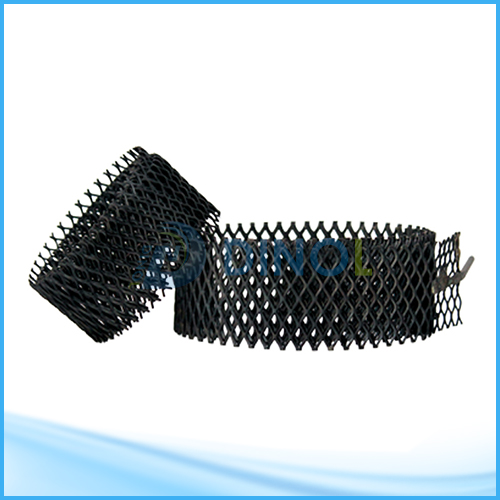
Titanium anodes are the positive electrodes in electrochemical etching systems. They help the oxidation reactions that get rid of copper that doesn't belong on PCB surfaces. Titanium-based electrodes covered with mixed metal oxides are much more chemically neutral and have better dimensional stability than standard graphite or stainless steel anodes. The MMO layer, which is usually made up of iridium, tantalum, or ruthenium oxides, speeds up electrochemical processes and doesn't break down easily in acidic or alkaline etching solutions.
Why Titanium Outperforms Traditional Materials
Titanium alloys are perfect for tough PCB etching environments because of the way they are made. Titanium doesn't rust when exposed to chloride ions, sulfuric acid, and other strong chemicals that are often found in etching baths. This resistance means that the devices can be used for longer—often more than five years in the best conditions—than graphite anodes, which break down quickly and add carbon particles to etching solutions.
Because titanium anodes are dimensionally stable, the electrode geometry stays the same over the course of their service life. This makes sure that the current is spread evenly and that the etching rate is predictable. This stability is especially helpful for PCB manufacturers who make a lot of boards and can't afford to have their production stop or the quality change.
Operational Advantages in Production Settings
Titanium anodes with MMO coats improve function in a number of ways that can be measured. High current efficiency (usually above 95%) lowers the amount of energy used per board handled, which makes running big facilities much cheaper. Titanium is very light, which makes it easier to handle and install.
This also means that less work is needed during upkeep rounds. When current flows evenly, sparks that cause uneven etching are gone. This is a regular problem with electrode materials that aren't made well. These anodes also work well at a lot of different temperatures, and they keep working well even during long production runs without losing their effectiveness.
Maintenance Requirements and Lifespan Expectations
With proper care, the titanium anode will last longer and the quality of the etching will stay the same. As part of regular checks, the coating should be looked at for wear, physical damage, and connection integrity. Once a month, cleaning gets rid of residues that have built up and can affect conductivity.
However, titanium's non-fouling surface makes buildup less likely than with other materials. Titanium anodes don't need much help as long as they are used within certain ranges of current density and chemical concentration. Manufacturers usually give thorough operating instructions that include the best pH ranges, temperature limits, and current density levels to get the most out of the coating and keep it from failing too soon.
Comparing Titanium Anodes to Other Anode Materials
Choosing the right materials has a big effect on both the quality of the production right away and the long-term costs of running the business. Graphite and stainless steel anodes may be cheaper at first, but titanium-based options are always better when looking at the total cost of ownership for large PCB production operations.
Performance Differences: Titanium vs. Graphite
Graphite anodes are constantly worn down by electrochemical processes. This releases carbon particles that contaminate etching solutions and lower the quality of the PCB surface. Changing the size of graphite electrodes leads to uneven current distribution patterns, which need extra quality control checks because they cause uneven etching.Titanium Anode For PCB Etching Solutionoffers a superior alternative, as its shape and surface properties stay stable over the course of their useful life, so they always give the same results.
According to industry standards, MMO-coated titanium can work at lower voltages because it is a better conductor. This means that it uses 20–30% less energy than graphite systems. All of these things make the higher initial investment in titanium technology worth it for companies that care about quality and efficiency.
Titanium vs. Stainless Steel: Corrosion Resistance Matters
Stainless steel anodes work fine in slightly acidic conditions, but they break down quickly in chloride-rich solutions like those used in PCB etching. Pitting corrosion weakens the surfaces of stainless steel, making bumps that block the flow of electricity and add iron ions to processing baths. These impurities change the chemistry of etching and may stick to PCB surfaces, leading to quality problems.
Titanium's passive oxide layer naturally protects against chloride attack, keeping the surface's integrity forever as long as it is used properly. Because titanium anodes don't pollute the bath with metal ions, the bath lasts longer and uses fewer chemicals, which saves money that adds up over production cycles.
MMO Coating Technologies and Performance Impact
The ingredients and way of applying MMO coats have a big effect on how well an anode works. Ruthenium-iridium coatings work very well in chloride-based etching systems because they have the best electrocatalytic activity and chlorine generation rate. Formulations containing iridium and tantalum make things last longer in high-current situations where covering wear protection is very important.
Advanced coating application methods, such as thermal decomposition and electrodeposition, manage the evenness of the coating thickness and its ability to stick to surfaces. Manufacturers like Tianyi use special coating methods that keep the layer thickness the same across complicated anode geometries. This keeps coating irregularities from causing the anode to fail too soon. The ideal coating width is between 8 and 12 microns, which strikes a balance between conductivity, sturdiness, and cost-effectiveness.
How to Choose the Best Titanium Anode for Your PCB Production Needs
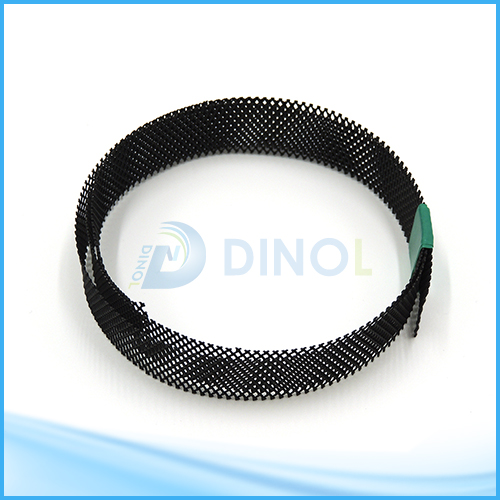
To choose the right anode, you need to carefully look at the production parameters, the supplier's skills, and the long-term operational issues. This organized method makes sure that the properties of the electrodes are compatible with the specific needs of the manufacturing process.
Defining Your Production Requirements
First, write down the current density needs. For PCB etching, these are usually between 100 and 500 A/m². Coatings that are better at electrocatalysis and wear protection are needed for higher current levels. Check the pH levels, chloride content, and working temperature of your etching solution. These affect the best coating makeup. The amount of production affects the choice of anode quantity, size, and replacement intervals. Bulk anode purchases and standard dimensions make it easier to keep track of inventory and plan replacements for facilities that process thousands of boards every month.
Evaluating Technical Specifications
Core performance metrics help with the selection process. Check the coating's makeup to make sure it works with the etching process you are using. Check the current scores for efficiency. They should be higher than 90% for energy costs to be good. Check the anode's thermal stability specs to make sure it works well at the temperature of your bath. When installing a big anode array, the cost of the support structures is affected by how much the array weighs. Customization options let you perfectly match the size to existing equipment, so you don't have to pay a lot of money to make expensive changes to the tank or buy adapter fixtures.
Supplier Credentials and Certification Requirements
Working with certified manufacturers makes sure that the products are reliable and that they follow the rules. Check for ISO 9001 quality management certification, which shows a commitment to systematic process control and ongoing improvement.
Environmental certifications, such as ISO 14001, prove that sustainable manufacturing practices are being followed. This is becoming more and more important for companies that are committed to corporate responsibility.Titanium Anode For PCB Etching Solutionis one such product where certified production ensures consistent electrochemical performance, aligning with both quality and environmental standards throughout its lifecycle.
RoHS and REACH compliance makes sure that anodes don't have any banned chemicals, which meets the requirements of major markets' environmental laws. Ask for proof of the coating's ingredients and how it was made so you can judge its level of technical complexity and production potential. Suppliers that have been around for a while offer detailed technical data sheets, application guidelines, and examples of installations that have been used successfully in similar situations.
Cost-Benefit Analysis and Long-Term Economics
Titanium anodes are very expensive, but quality electrodes are better in terms of total ownership costs. Divide the cost of the anode plus the energy it uses by the estimated output over the anode's useful life to get the cost per board processed. Think about the costs of downtime that come with replacing the anode. Titanium has a longer service life than other materials, so production breaks are less common.
When you buy in bulk from manufacturers, you can usually get price cuts of 15 to 25 percent and faster delivery. Take into account warranty coverage and replacement guaranties that keep things from breaking down too soon. Leading suppliers offer performance guaranties that spell out the minimum operational lifespans under certain conditions. These guaranties protect your finances and give you confidence in your operations.
Procuring Titanium Anodes: What to Know Before You Buy
Strategic procurement practices build partnerships and ensure reliable supply chains that help manufacturers succeed in the long term. Paying attention to the factors used to choose suppliers and the buying process can help you avoid common mistakes that stop production.
Identifying Qualified Manufacturers and Suppliers
Global sourcing gives you more choices, but you need to be very careful to find partners you can trust. Instead of general metal makers, give preference to manufacturers who have experience making electrical electrodes. Look at case studies and comments from customers in related fields to get an idea of the company's track record and application knowledge. The ability to provide technical support is very important.
Suppliers should offer expert help for setup, improvement, and problem-solving. Tianyi is a good example of a qualified seller because they have advanced research and development (R&D) skills in MMO coating technologies, can customize their products for a wide range of uses, and have strict quality control systems that make sure their products always work well.
Understanding Ordering Parameters
Different suppliers have different minimum order quantities, but they are usually between 10 and 100 units, depending on how they need to be customized. Most of the time, standard sizes and coating formulas have lower MOQs than special specs. Some pricing models include discounts for buying in bulk, agreements to supply goods once a year, and blanket orders with scheduled releases.
Lead times are usually between 4 and 8 weeks for standard products and between 8 and 12 weeks for custom configurations that need engineering, prototyping, and approval cycles. Clear communication about arrival times keeps production from stopping and avoids expensive rush shipping. Set up framework deals that spell out pricing, shipping terms, and technical support plans to make regular purchases easier and get special treatment.
After-Sales Support and Service Infrastructure
Full service after the sale is what sets premium suppliers apart from commodity vendors. Technical support should include help with setup, teaching on how to use the system, and fixing problems over the phone, email, and, if necessary, in person visits. Warranty programs that cover flaws in the manufacturing process and coatings that wear off too soon protect consumers financially and show that the supplier trusts the quality of the product.
Having access to new parts and fast delivery for pressing needs keeps operations running even when things go wrong. Authorized distributor networks in key markets speed up response times and make international logistics simpler. Suppliers who keep technical service teams with electrical knowledge are more valuable than those who only offer business relationships.
Practical Tips and Case Studies: Maximizing Titanium Anode Performance
Best operational practices and real-life examples show how proper implementation and care can get the most out of anode investments while still meeting output goals.
Maintenance Protocols and Inspection Routines
Visual checks are done every day to find obvious problems before they affect the quality of the production. Check to see if the electrical connections are tight and free of corrosion. Bad contact increases resistance and voltage drop. Coating surfaces should be checked once a week for damage or staining that could mean irregular wear patterns.
Deep cleaning once a month with cleaning products and methods suggested by the manufacturer gets rid of built-up residues. ForTitanium Anode For PCB Etching Solution, these routine inspections are particularly critical, as maintaining its stable coating integrity directly preserves the uniform etching performance that distinguishes it from traditional graphite alternatives.
Stay away from rough materials that scratch coatings and make them wear down faster. During operation, keep an eye on the voltage and amperage. If the voltage rises while the current stays the same, it means that the coating is wearing down or there are connection issues that need to be fixed. Keep track of the results of inspections and repair work to set performance standards and figure out when to replace things.
Common Failure Modes and Remedial Actions
Understanding how failures happen lets you stop them before they happen. Coating delamination usually happens when the current density is higher than the rated capacity or when the chemical concentration ranges are not followed. To fix this, make sure that the working settings match the requirements and change the processes as needed. Faster wear at contact points means that the electrical connection isn't good or that the current concentration is too low because the electrodes aren't placed correctly.
Connection corrosion happens when two different metals form galvanic pairs. To avoid this, use the right tools and connection methods that the anode maker suggests. When coatings fail too soon on whole anode surfaces, it means that the type of coating and the working conditions are not compatible. This means that suppliers need to be consulted to find suitable alternative formulas.
Industry Case Studies Demonstrating ROI
A medium-sized PCB maker that makes 50,000 boards a month switched from graphite anodes to titanium ones and saw great results. Because the operating voltages were lower, 28% less energy was used, which saved $2,300 a month in electricity costs. By making the etching more uniform, reject rates dropped from 3.2% to 0.8%, saving $8,500 a month in materials and labor costs.
Longer anode life—five years instead of six months for graphite—cut down on 80% of the costs of replacement labor and downtime. The annual savings were more than $140,000, and the $35,000 investment in the anode was paid back in just three months. Environmental benefits included using 40% less chemicals and getting rid of carbon pollution that needed a bath removal.
A large company that makes electronics for cars used MMO-coated titanium anodes on several production lines in a different case. Standardization made it easier to keep track of inventory and train employees, and it also let people get discounts for buying in bulk.
Metrics for process control and product quality got better when performance was the same across installations. The maintenance staff liked that they didn't have to do as much work, which freed up workers to do more valuable tasks. These examples show that titanium anode technology can bring in a lot of money and make things run more smoothly if it is chosen and used correctly.
Conclusion
When making PCBs, choosing titanium anodes means finding a good balance between technical performance, operational costs, and the supplier's abilities. Compared to other materials, high-quality MMO-coated titanium electrodes are better at resisting rust, last longer, and use less energy.Titanium Anode For PCB Etching Solutionexemplifies this advantage, delivering consistent etching results while minimizing downtime and waste. The best way to choose an anode is to carefully look at production needs, coating technologies, and supplier credentials.
Strategies for buying things that focus on building long-term relationships with qualified manufacturers ensure steady supply chains and a wide range of support services. Anode performance and return on investment are best maximized through good upkeep habits and operating discipline. As standards for making PCBs get higher and more of them are made, titanium anode technology gives companies the dependability, speed, and quality control they need to succeed in tough markets.
FAQ
What is the typical lifespan of titanium anodes in PCB etching applications?
Titanium anodes with MMO coats usually last between 3 and 7 years in PCB etching conditions when used according to the instructions. How long something lasts depends on the current density, the chemistry of the solution, the operating temperature, and how well it is maintained. When anodes are used in well-kept baths with low current densities, they often last longer than the manufacturer says they will. On the other hand, harsh operating conditions or chemicals that don't work well together shorten their service life.
Can titanium anodes be customized for non-standard PCB production equipment?
One of the best things about working with expert producers is that they can customize your order. Anodes that meet specific size requirements, mounting configurations, and connection types are often made by suppliers like Tianyi. Custom coating formulas are made to work in a wide range of toxic conditions. Give specific details like sizes, working conditions, and equipment limitations so that you can get solutions that are made just for your business needs.
How do titanium anodes compare economically to graphite alternatives over multiple years?
Total cost analysis always favors titanium, even though it costs more at first. Titanium lasts longer than graphite, so it doesn't need to be replaced as often, which saves money on materials and work. Better communication means less energy use, which saves money over time. Getting rid of carbon pollution makes baths last longer and saves money on chemicals. Reject rates go down when quality is improved. In production settings, investments in titanium anodes usually pay off in three to twelve months, according to detailed economic models.
Partner with Tianyi for Superior Titanium Anode Solutions
Shaanxi Tianyi New Material Titanium Anode Technology Co., Ltd. is a known titanium anode maker that helps electronics manufacturers all over the world. Their advanced Titanium Anode For PCB Etching Solution technology can help you make better PCBs. Our titanium anodes that are coated with MMO are very resistant to corrosion, distribute current evenly, and last longer, which lowers your total cost of ownership.
We are in the Baoji High-Tech Development Zone, and to make electrodes that meet the strictest performance requirements, we use cutting-edge research and development skills and strict quality control systems. Our OEM/ODM services let us make solutions that are completely unique and fit your production needs, size limitations, and chemical environments.
Email our technical team at info@di-nol.com to talk about your PCB etching problems, get full specs, or set up a review of a sample. Visit dsa-anodes.com to learn how our dedication to new ideas, caring for the environment, and customer satisfaction can improve the quality and efficiency of your production.
References
1. Journal of Applied Electrochemistry (2018). "Dimensional Stability and Performance Characteristics of Metal Oxide Coated Titanium Anodes in Industrial Electrochemical Processes." Journal of Applied Electrochemistry, Vol. 48, Issue 7, pp. 781-794.
2. Electrochimica Acta (2019). "High Current Efficiency and Energy Savings in Electrochemical Etching Using MMO-Coated Titanium Anodes." Electrochimica Acta, Vol. 301, pp. 452-463.
3. Surface and Coatings Technology (2020). "Comparative Analysis of Anode Materials for PCB Manufacturing: Titanium, Graphite, and Stainless Steel Performance Evaluation." Surface and Coatings Technology, Vol. 394, Article 125857.
4. Journal of The Electrochemical Society (2021). "Mixed Metal Oxide Coatings for Titanium Anodes: Composition, Application Methods, and Durability Assessment." Journal of The Electrochemical Society, Vol. 168, Issue 3, Article 033502.
5. Corrosion Science (2019). "Corrosion Resistance Mechanisms of Titanium and Its Alloys in Chloride-Containing Electrochemical Environments." Corrosion Science, Vol. 158, Article 108094.
6. Materials Science and Engineering (2020). "Economic and Environmental Impact Assessment of Titanium Anode Technology in Electronics Manufacturing." Materials Science and Engineering B, Vol. 261, Article 114674.