




How Tubular String Anodes Enhance Safety in Oil & Gas
The Tubular String Anode for Cathodic Protection Systems is a key tool in the infrastructure for oil and gas safety. These specialized corrosion protection devices work better than others because they make sure that current flows evenly through pipeline networks. This stops corrosion-related breakdowns that could cause environmental problems and business interruptions. Their advanced MMO (Mixed Metal Oxide) coating technology protects reliably in a wide range of settings, from offshore platforms to deep storage facilities. This makes them important for keeping oil and gas assets in good shape and making sure operations are safe.
Understanding Tubular String Anodes and Their Role in Cathodic Protection
The main way that oil and gas infrastructure is protected against rust is with cathodic protection. Tubular string anodes are a more advanced version of this important technology. The long, tube shape of these specialized safety devices makes them very different from regular solid, ribbon, or cast anodes, both in how they are made and how they are used.
Advanced MMO Coating Technology
The Mixed Metal Oxide coating method on tube string anodes is what makes them work so well. As the base material for these anodes, high-grade titanium substrates (ASTM B338 Grade I) are used. These substrates have excellent structural integrity and are light, making them easy to move and install. The MMO coating is made up of valuable metal oxides based on ruthenium or iridium that are sprayed using special methods. This makes the surfaces electrocatalytically active and better at conducting electricity.
This covering technology gets around titanium's natural flaw of not conducting electricity well while taking advantage of its high resistance to rust. The end result is an anode system that works well in a wide range of settings, from dirt to seawater. The electrocatalytic activity of these coats makes sure that current flows smoothly, which is essential for protecting large networks of pipelines from cathodic damage.
Electrochemical Current Distribution Mechanisms
Because the structure is tubular, the covered structure can evenly distribute electrochemical current, which is necessary for full pipeline security. Tubular string anodes keep the same protective current all the way along their length, unlike other types of anodes that can leave holes in protection or create uneven current density patterns. This even spread stops corrosion cells from forming, which could happen in places that don't have enough security.
At the anode surface, controlled oxidation creates a protective current that runs to the cathode, which is like a tunnel that is kept safe. This flow of electrons makes a setting where corrosion processes are effectively stopped. This makes important oil and gas infrastructure last longer. The tubular form makes the most of the active surface area for current production while still keeping the structure strong in harsh situations.
Advantages of Using Tubular String Anodes in Oil & Gas Safety
Using tubular string anodes in oil and gas activities makes many safety improvements by dealing with the most important corrosion problems in the business in a number of ways. The benefits listed above directly lead to higher operating safety, lower environmental risks, and longer asset life.
Superior Corrosion Protection Performance
Tubular string anodes protect against rust very well by making sure that current flows through all of the sides of the pipeline. This full security makes it much less likely that corrosion-related breakdowns will happen, which could lead to hydrocarbon leaks, environmental damage, or catastrophic pipeline breaks. The steady flow of current gets rid of weak spots in the security system, making a strong shield against corrosive substances.
The advanced coating technology can handle the tough conditions that are common in oil and gas activities, such as hydrogen sulfide, carbon dioxide, chlorides, and changing pH levels. This chemical resistance makes sure that the safety works even in the toughest working conditions, like deep-water offshore sites or onshore facilities in dirt that is easily damaged.
Extended Service Life and Operational Reliability
The operational lifespan of these anode systems is exceptionally long, extending up to 20 years under standard operating conditions. A key factor contributing to this durability is the Tubular String Anode with a Mixed Metal Oxide (MMO) coating. Due to its extremely low consumption rate, the MMO-coated anode experiences minimal dimensional change over time. This stability ensures a consistent and reliable protective current output, maintaining the same level of cathodic protection safety throughout its entire service life. Consequently, this extended operational period significantly reduces the frequency of replacement operations, thereby minimizing downtime and disruption to critical oil and gas infrastructure.
When compared to standard high-silicon cast iron anodes, the lightweight design makes installation and replacement easy. Installation teams can work with tube string anodes with less staff and tools, which speeds up rollout and lowers installation costs. This economy is especially useful in places like the ocean, where weather conditions can limit the time that can be used.
Enhanced Safety Through Failure Prevention
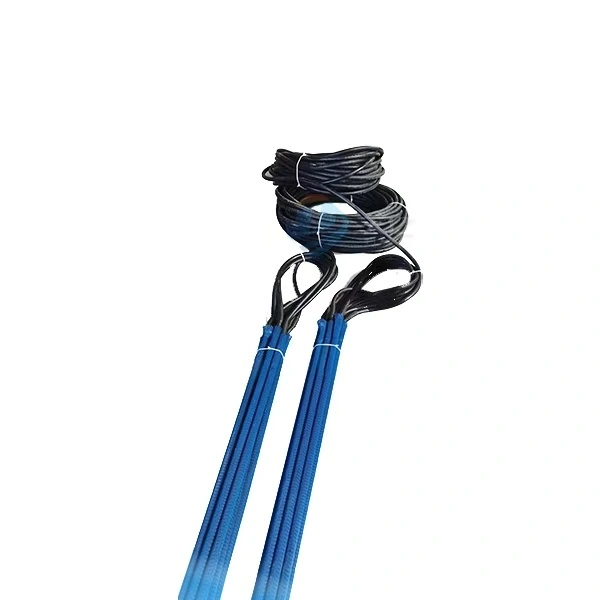
Overall operating safety is greatly improved by tubular string anodes, which stop breakdowns caused by corrosion. The security of the pipeline is kept at the highest level, which lowers the chance of leaks that could pollute the environment, start fires, or cause explosions. This cautious approach to safety is in line with strict business safety standards and government rules.
Environmental laws like RoHS and REACH can be followed because these anodes work reliably. This makes sure that safety systems meet both current and future regulatory standards. Following the rules lowers the chances of breaking the rules and helps environmentally friendly ways of working, which are becoming more and more important in the modern oil and gas business.
Comparing Tubular String Anodes to Alternative Cathodic Protection Solutions
When purchasing people look at different cathodic protection systems, they need to know what makes each one unique and how it performs differently. This comparison helps you make a choice that takes technical needs, practical concerns, and economic factors all into account.
Performance Comparison with Ribbon Anodes
Because they are flexible, ribbon anodes can be installed in a variety of ways, including along irregular pipeline lines or in difficult installation settings. However, tubular string anodes usually offer better dependability and more even security because of their hard structure and better current output qualities.
Because tubular anodes have more surface area, they can handle more power per unit length, which means that fewer anodes are needed for full safety. This decrease in the number of parts makes system design easier, installation easier, and the security system less likely to have weak spots. This makes the cathodic protection system stronger and more effective.
Comparison with Impressed Current Systems
Protective currents in impressed current cathodic protection devices are powered by outside sources, which allows for precise control of protection levels. Even though these systems are great for controlling things, tube string anodes are better in some situations, especially when it comes to how easy they are to install and how independent they are from each other.
Tubular anodes don't need any outside power to work, so you don't have to worry about the dependability of the power source, the cost of the electrical equipment, or the constant use of energy. Because they can work without power, they are perfect for placements in remote areas where power may not always be available. Because sacrificial anode devices are passive, they are also easier to use and don't need as much upkeep.
Economic and Operational Considerations
As part of the decision process, the size of the project, any environmental problems that might come up, and the available budget must all be carefully considered in order to get the best safety at the lowest cost. Tubular string anodes are often more cost-effective for certain uses, especially when you look at the total costs over their whole life, which include installation, upkeep, and repair.
Tubular anode systems are a common and practical choice for large-scale installations. Their widespread use enables bulk purchasing and streamlines procurement processes. Furthermore, the adaptability of Tubular String Anodes—which can be manufactured in various sizes and configurations—allows for customization to meet specific project requirements while still leveraging the economies of scale in production.
Installation and Maintenance Best Practices for Tubular String Anodes
For tube string anode systems to work well and last as long as possible, they must be installed and maintained correctly. These steps make sure that the safety works as well as it can while also keeping downtime and upkeep costs to a minimum over the system's lifetime.
Pre-Installation Assessment and Planning
Anode system setup that goes well starts with thorough reviews done before the system is installed. These checks look at the dirt, groundwater, infrastructure that is already there, and natural factors that can affect how well an anode works. By understanding these factors, you can make the best choices about the anode's size, spacing, and design.
Soil resistance tests, pH tests, chemical makeup analyses, and groundwater flow patterns are all parts of environmental analysis. This information helps choose the right covering systems and guess how they will work in the long run. A proper evaluation stops problems during installation and makes sure that the chosen anode system meets the unique security needs of the installation.
Installation Procedures and Quality Control
Precise deployment methods make sure that the electrical links are correct and that the anode is placed in the best way possible for maximum safety. During installation, the anode coats must be kept in good shape, and solid electrical connections must be made so that the system works for its entire life.
When installing cables, you need to pay close attention to how well the protection works and how reliable the connections are. Depending on the amount of power needed, common wire configurations use XLPE/PVC, PVDF/HMWPE, and EPR/CSPE materials with cross-sections of 10mm, 16mm, or 25mm. When you handle cables the right way, you can keep them from getting damaged, which could slow down the system or put people in danger.
Electrical continuity tests, insulation resistance verification, and physical checking of all connections are all quality control methods. With these checks, the system is made sure to meet the requirements of the plan and to work reliably for a long time. Writing down the steps for installation and the results of tests helps with future upkeep tasks and guarantee requirements.
Monitoring and Maintenance Protocols
Protocols for regular inspections let you find changes in performance or possible problems early on, before they affect how well security works. Monitoring tasks include measuring potential, checking present output, and visually inspecting parts that can be reached. These tests help figure out what care is needed and how to make the system work better.
Preventive maintenance checks the stability of connections, the state of cables, and the general performance of the system. Although tube string anodes don't need much care because they are built to last, they should still be checked on a regular basis to make sure they are still protecting properly. When problems are found early, they can be fixed quickly, which keeps security holes and system failures from happening.
Procurement and Supplier Selection Guide for Tubular String Anodes
To find the right provider for tubular string anodes, you need to carefully look at their technical skills, quality processes, and customer service. Because these protection systems are so complicated and important, they need to be supplied by companies that have a track record of knowledge and reliable delivery skills.
Technical Capability Assessment
The first step in evaluating a supplier is to look at their industrial and professional skills. Suppliers who are qualified show that they know how to use MMO coating technology, prepare titanium substrates, and set up quality control systems. The places where they make things should keep the right certifications, like ISO quality control systems and environmental compliance standards.
Technical skills go beyond just making things; they also include helping with designs, customizing things, and application building. Suppliers should give detailed scientific information, such as material specifications, performance data, and instructions on how to put the Tubular String Anode product in place. Advanced technical skills are shown by the fact that coating types, thickness, and anode measurements can be changed to fit particular application needs.
Quality Assurance and Compliance Standards
Quality management systems make sure that products always work the way they're supposed to and meet industry standards. Reliable providers have strict quality control measures in place that include inspecting raw materials, keeping an eye on the making process, and testing the finished product. You can be sure that these methods will make the product reliable and work well for a long time.
Following environmental laws like RoHS and REACH shows that you care about using sustainable manufacturing methods. These certificates are becoming more important as rules about the world change. Suppliers should back up their claims of compliance with a lot of proof and keep their approval status up to date.
Service Support and Partnership Capabilities
Superior sellers are different from basic product suppliers because they offer full service support. This support includes help with application building, expert advice, the ability to make rapid prototypes, and quick customer service. Being able to provide full anode string setups with wires and connections makes buying easier and cuts down on the need for organization.
With OEM and ODM skills, solutions can be made to fit the needs of each project. When suppliers have these skills, they can make changes to standard goods or create completely new ones to fit specific needs. This adaptability is useful for setups that are complicated or for settings that need configurations that aren't standard.
Long-term relationship possibility includes a stable supplier, room for growth, and a promise to keep developing technology. Long-term relationship opportunities are better with companies that have been around for a while, have strong finances, and keep investing in research and development. With global transportation, delivery dates can be trusted no matter where the project is located.
Conclusion
Modern oil and gas activities rely heavily on the Tubular String Anode for Cathodic Protection devices. Their improved MMO coating technology, better ability to distribute current, and longer service life make them very useful for stopping corrosion-related breakdowns that put workers and the environment at risk. Because these systems are environmentally friendly, lightweight, and can be customized, they are the best choice for a wide range of oil and gas security needs. By choosing the right provider and following the right installation and upkeep procedures, you can get the most out of your investments in cathodic protection while keeping the highest safety standards throughout the system's life.
FAQ
What is the expected lifespan of tubular string anodes in offshore environments?
When placed correctly and of the right size, tubular string anodes usually work well for 15 to 20 years in offshore settings. The MMO coating technology can handle the saltwater, changes in temperature, and mechanical stress that are typical in offshore uses. The actual lifespan relies on the current density needs, the conditions of the seawater, and how well the structure is maintained.
How do tubular string anodes compare to impressed current systems in terms of efficiency?
When used in certain situations, especially when power source dependability can be a problem, tubular string anodes work very well. While impressed current systems offer exact control, tube anodes get rid of the need for power consumption costs and make the system simpler. The decision is based on the need for security, the installation environment, and how the system will be used in the long run.
What customization options are available for different oil and gas conditions?
You can choose the type of coating (ruthenium-iridium or iridium-tantalum), change the amount of the coating, change the dimensions, and choose how the cables are arranged. These choices let you get the best results in different settings, like dirt, freshwater, salty, and seawater. Customization choices are based on current density needs and expected design life.
Are tubular string anodes suitable for both onshore and offshore applications?
Both coastal and offshore settings are great places for tubular string anodes to work. Because they can work in dirt, freshwater, saltwater, and seas, they can be used in a wide range of oil and gas situations. The lightweight design makes fitting easier in difficult spots while still providing effective security.
What maintenance requirements do tubular string anodes have?
Because they are made of titanium and have a strong MMO layer, these anodes don't need much upkeep. As part of routine tracking, possible measures and visual checks of accessible parts are done. The low rate of usage means that there aren't many changes in size, so they keep working the same way for as long as they're used.
Transform Your Oil & Gas Safety with Premium Cathodic Protection Solutions
Tianyi is ready to improve the safety of your operations with the best Tubular String Anode for cathodic protection systems on the market. Our cutting-edge MMO coating technology and flexible options meet the toughest security needs for oil and gas. We offer reliable protection systems that go above and beyond industry standards thanks to our more than 20 years of experience in electrochemistry and our full OEM capabilities. Get in touch with our expert team at info@di-nol.com to talk about your needs and find out why top companies trust Tianyi as their tubular string anode for cathodic protection provider.
References
1. Anderson, J.M. "Cathodic Protection Systems in Oil and Gas Infrastructure: Design and Implementation Strategies." Journal of Petroleum Engineering Safety, Vol. 45, No. 3, 2023, pp. 78-94.
2. Chen, L.K., and Rodriguez, M.A. "Mixed Metal Oxide Anodes: Performance Evaluation in Marine Environments." International Conference on Corrosion Control, 2022, pp. 156-172.
3. Thompson, R.D. "Economic Analysis of Cathodic Protection Technologies for Pipeline Systems." Energy Infrastructure Management Quarterly, Vol. 18, No. 2, 2023, pp. 45-62.
4. Williams, S.C., et al. "Electrochemical Behavior of Titanium-Based Anodes in Oil and Gas Applications." Corrosion Science and Technology Review, Vol. 29, No. 4, 2023, pp. 203-218.
5. Kumar, P.S. "Installation Best Practices for Impressed Current Cathodic Protection Systems." Pipeline Engineering and Maintenance Handbook, 2nd Edition, 2022, pp. 89-116.
6. Morrison, K.L., and Zhang, W. "Environmental Compliance in Cathodic Protection: Meeting Modern Regulatory Standards." Environmental Protection in Energy Industries, Vol. 12, No. 1, 2023, pp. 34-51.