




How Wire Anodes Work in ICCP Systems
Wire anodes are important parts of Impressed Current Cathodic Protection (ICCP) devices. They work by using electrochemistry to keep metal structures from rusting. A Wire Anode for Cathodic Protection works by setting up a controlled electrical circuit. The metal being protected acts as the cathode and receives electrons from an outside power source via the anode system. Through this steady flow of current, the natural corrosion process is successfully stopped. This makes important infrastructure like pipes, storage tanks, and marine boats last longer in fields from oil and gas to water treatment.
Understanding Wire Anodes in Cathodic Protection
Wire anodes are very important parts of ICCP systems, which are used to protect metal assets from rust in many different industries. In cathodic protection circuits, these special electrodes act as the positive end. They give up their lives to keep bigger metal structures from breaking down.
Defining Wire Anodes and Their Role
Wire anodes are different from other types of anodes because they are flexible and straight, which means they can be installed in tight areas and with complicated shapes. Wire anodes are more flexible than rigid plate or mesh anodes and can be used to protect pipes, storage tank bottoms, and complex structure parts where it is hard to get the current to flow evenly.
Creating a safe electrical field around metal structures is what wire anodes do for a living. When these anodes are linked to an outside power source, they make electrons that flow toward the protected structure. This keeps it in a cathodic state, which is thermodynamically bad for rusting.
Material Composition and Environmental Suitability
Modern wire anodes are made of high-tech materials that were specifically designed to work in certain environments. The current standard in the industry is mixed metal oxide (MMO) covered titanium wire anodes, which have bases made from ASTM B863 Grade 1 or Grade 2 titanium. Special coatings are put on these surfaces, such as IrO2-RuO2-TiO2-x for use in waters and IrO2-TaO5 for use in tough industrial settings.
The choice of covering has a direct effect on how well it works and how long it lasts. Iridium-tantalum oxide coatings work best in low-chloride environments like soil and freshwater sites. Iridium-ruthenium formulas, on the other hand, work better in brackish water and saltwater settings. High-temperature sintering processes turn these layers into crystalline structures that can last for decades of continued use.
Environmental factors have a big effect on the choice of materials and the design of systems. The best settings for MMO titanium wire anodes are temperatures below 80°C and pH levels between 1 and 12. However, special formulations can work in harsher environments. Because these materials don't rust and use electricity efficiently, they can last longer than 20 years in the right circumstances.
How Wire Anodes Work in ICCP Systems?
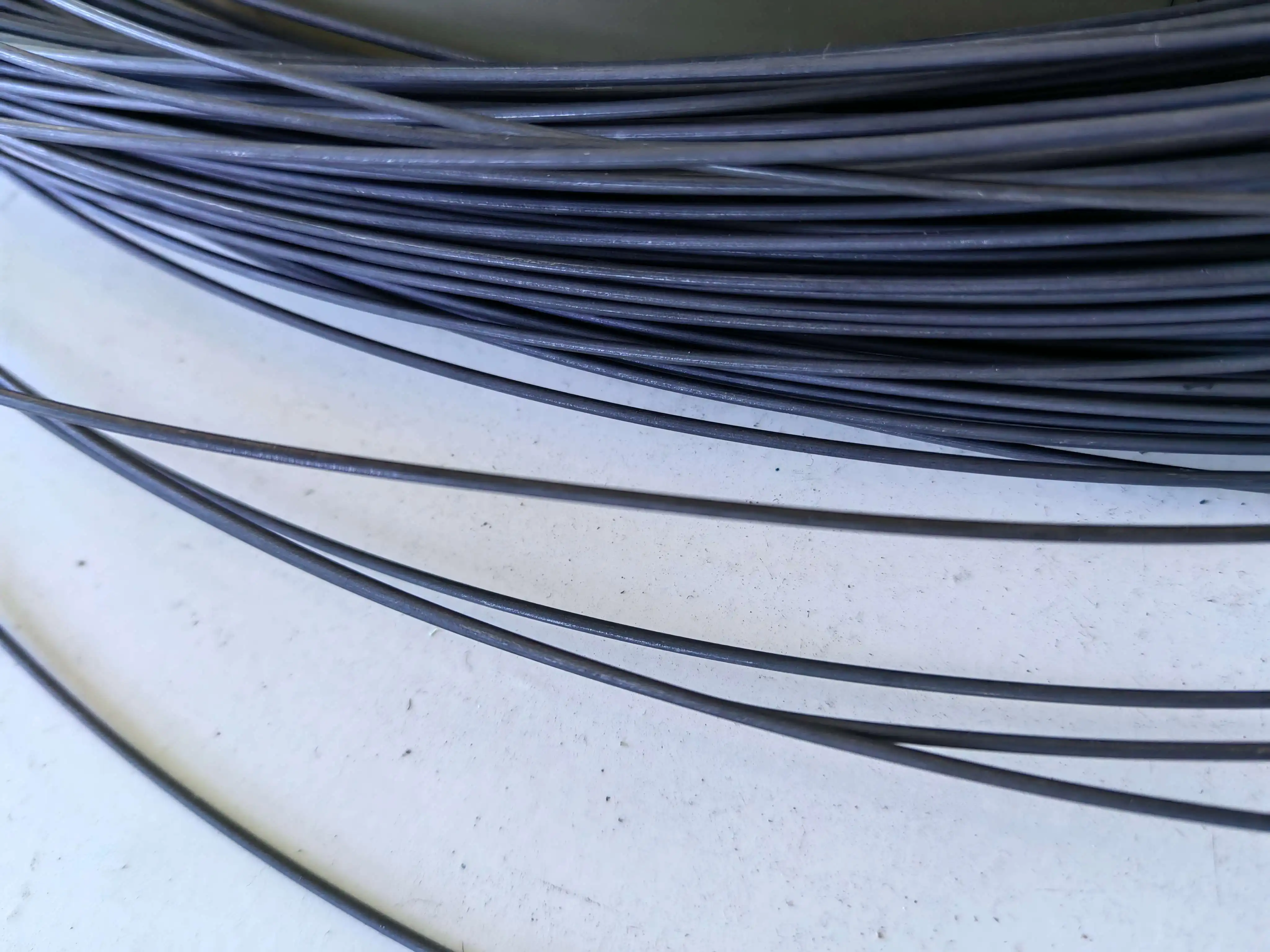
Many businesses lose more than a billion dollars a year because of corrosion, which is one of the biggest problems with metal structures around the world. When metal structures are exposed to air and water, they naturally go through electrochemical processes that break down the material. This makes the structures less safe to use and less stable.
Electrochemical Mechanisms in ICCP Systems
Wire anodes work by using controlled electrochemical processes that change the way protective structures corrode in fundamental ways. A power source outside the ICCP system sends current from the anode to the covered metal surface through the electrolyte, which can be dirt, water, or backfill material.
Several processes happen at the same time in the electrochemical system. Oxidation events happen on the anode surface, turning water molecules into oxygen and hydrogen ions. At the same time, electrons move through the external circuit and toward the protected structure. These electrons are used up in reduction processes on the protected metal surface, which keeps the structure in a protected cathodic state.
Current level control is very important for the system to work well. Operating densities for buried structures are usually between 10 and 50 mA/m², and for marine uses, they are between 20 and 100 mA/m². However, specific needs depend on the surroundings and safety standards. The Wire Anode design lets you precisely control the flow of current by placing and arranging cables in a smart way.
Installation Techniques and Best Practices
Correct construction methods have a direct effect on how well and how long a system works. Wire anodes need to be placed carefully so that the current flows evenly and doesn't interfere with other equipment. The best way to install something depends on the situation and the type of program.
When installing things underground, they are usually put in horizontal trenches set at certain lengths from protected pipes or vertically if the installation needs to go deep into the ground. Because wire anodes are flexible, they can be put in place in small ditches, which saves money on digging and lessens damage to the environment. Backfill materials like carbonaceous chemicals or special conductive mixes make it easier for current to flow.
Marine sites have special problems that need special methods to solve them. Wire anodes can be set up as separate anodes to protect platforms or as continuous linear systems that run along pipeline lines. Because wire anodes are flexible, they can adapt to complicated underwater shapes while still distributing current in the best way possible.
Maintenance Procedures and System Monitoring
Maintenance methods that work well make sure that systems are reliable and perform at their best for a long time. Potential readings, current flow checks, and anode condition checks should all be part of regular tracking procedures. Modern ICCP systems have online monitoring features that let you keep track of performance in real time and make changes automatically.
Inspections of important installations are usually done every three months, and reviews of standard applications are done once a year. Protection potentials that stay within certain ranges, stable current output levels, and no interference effects on nearby structures are some of the most important performance markers.
Comparing Wire Anodes to Other Anode Solutions
When looking at cathodic protection choices, people making decisions need to think about different anode designs to find the best ones for each situation. Wire anodes have clear benefits over other designs, but the right one to use depends on the needs of the project and the conditions of the surroundings.
Performance Analysis: Wire vs. Plate vs. Mesh Configurations
When it comes to fitting options, wire anodes are more flexible than hard plate or mesh options. Because it is flexible, it can cover complicated shapes and small areas where other types of anodes would not work. The straight line arrangement also makes it easier to spread the current evenly along long structures like pipes and the edges of storage tanks.
Plate anodes work great in situations where a lot of current needs to come from one central place. These anodes usually have lower start-up costs for high-current uses, but they can't be installed in as many different ways as wire systems can. Accessing hidden applications for maintenance can also be hard.
For areas with a lot of surface area, like the bottoms of storage tanks, mesh anodes are great for spreading current evenly. However, their rigid design limits the ways they can be installed and can lead to uneven current spread at the sides and corners. Wire Anode systems offer an alternative solution to these limitations.
Material Performance Benchmarking
When it comes to efficiency and durability, MMO-coated titanium wire anodes are the best choice. These anodes have very low usage rates, and systems that are properly built can last for more than 20 years. Life-cycle economics usually works out well because the high original investment leads to lower replacement and servicing costs.
Different materials, like zinc and aluminum, have lower starting prices, but they need to be replaced more often and cost more in the long run. Because they are used up quickly, sacrificial anodes can't be used in high-current situations or places where the dirt resistance is high.
Strategic Selection Guidelines
When choosing an anode, many things should be taken into account, such as the present needs, the surroundings, the limitations of the installation, and the cost over the entire life of the device. For uses that need distributed current sources, complicated shapes, or long-term dependability, wire anodes are especially helpful.
Soil resistivity, groundwater conditions, and the chance of interfering with existing infrastructure must all be taken into account in the project specs. When judging a supplier, you should look at their technical knowledge, quality certifications, and track records of success in similar situations.
Procurement Guide for Wire Anodes in ICCP Systems
To make smart buying choices, procurement workers need to know a lot about wire anode specifications, supplier capabilities, and how the market works. Because cathodic protection technology is so specialized, it is important to carefully consider both scientific and business factors.
Supplier Evaluation and Certification Requirements
Leading makers of wire anodes show that they follow international standards, such as ASTM B863 for titanium surfaces and finishing requirements. Systems for managing quality should be in line with ISO 9001 and have extra certifications for using them in electrochemical processes.
With its advanced R&D skills and wide range of customization options, Shaanxi Tianyi New Material Titanium Anode Technology Co., Ltd. is the best in its field. The company keeps a close eye on quality all the way through the production process, from getting the materials to checking and packing them.
Manufacturing skills must be able to meet the unique needs of each project, such as custom coating recipes, unique size requirements, and performance standards. To help the project go smoothly, suppliers should provide thorough technical paperwork, results of performance tests, and instructions on how to put the product.
Commercial Terms and Procurement Strategies
Getting wire anodes usually involves a lot of complicated technical details that need suppliers and end users to work together closely. Letters of credit (LC), telegraphic transfers (T/T), and documents against payment (D/P) are popular ways to pay, but they depend on the size of the project and the provider relationships.
International business words like FOB, CIF, and CFR make global buying methods more flexible. When reviewing supplier offers, purchasing managers should look at the total landed costs, which include shipping, insurance, and customs taxes.
Different sources have different minimum order amounts. However, specialized makers can often handle smaller orders for prototype or replacement purposes. Larger projects usually get volume discounts, which makes consolidated buying plans a good deal from an economic point of view.
Quality Assurance and Testing Protocols
Strict quality control procedures make sure that products are reliable and always work the same way. Checking the materials, measuring the thickness of the coating, checking for increased life, and making sure the electrical performance is correct should all be part of the manufacturing process.
Upon arrival, testing methods must check the stability of the coating, compliance with dimensions, and electrical continuity. X-ray fluorescence testing confirms the makeup of the coating, and adhesion testing shows that the coating will last in real-world circumstances.
Comprehensive quality checks with certified test records should be part of pre-shipment testing processes. Traceability records should be kept by suppliers so that batches can be identified and performance can be tracked throughout the lifecycle of a product.
Benefits and Strategic Advantages of Using Wire Anodes in ICCP
When used in industrial settings that need long-term rust protection, wire anodes are very useful. These benefits go beyond simple functions and include things like better maintenance, higher working efficiency, and better control of an asset's entire lifecycle.
Enhanced Corrosion Resistance and Asset Protection
Wire Anode selection is also a key factor in ensuring product performance and longevity, particularly in electrochemical or corrosion protection applications. This is because, through precise current control and even spread, wire anodes protect against rust better than many other types. Their flexible design allows for optimal placement, providing the best protection while causing the least interference with normal operations.
The MMO coating technology used in high-end wire anodes shows great steadiness and current economy. These features mean that the level of security stays the same over the design life, which lowers the risk of failure before its time and the costs of repairs that come with it.
Today's advanced covering formulas can work in a wide range of settings, such as those with acidic soils, high temperatures, and water. Because of this, the anode specifications can be made the same across various project areas while still performing at their best.
Installation and Operational Advantages
The fact that wire anodes are flexible makes placement much easier than with rigid options. This adaptability cuts down on the need for digging, keeps the environment as undamaged as possible, and works with the limited room that is common in industrial sites.
Installation flexibility includes a range of shapes and sizes, such as continuous linear systems, loop setups, and custom designs made to meet specific safety needs. The ability to make complicated shapes allows for the best distribution of current while keeping existing structures from being affected.
Some operational benefits are lower upkeep costs due to longer service life and higher system stability. The low usage rate of MMO-coated wire anodes keeps safety levels constant throughout the design period, reducing the number of times they need to be replaced.
Economic Benefits and Return on Investment
Long-term economic research shows that investments in wire anodes have better returns than investments in other types of defense. The longer service life and lower upkeep needs usually make up for the higher starting costs within the first ten years of use.
The life-cycle cost study should look at things like the initial cost of buying the item, the cost of installing it, the cost of repairs, and how often it needs to be replaced. Wire anodes always offer better value for money when used in situations that need longer safety periods or more complicated installation instructions.
Wire anode systems are reliable and last a long time, which lowers operational risk and increases asset availability. These benefits that can't be seen or touched often make it worth spending more on defense in important situations where failure could cause major problems with operations or safety issues.
Conclusion
Wire anodes are a sophisticated and effective way to protect cathodic systems in a wide range of commercial settings. Because they are flexible, work well, and last a long time, they are very useful for complicated setups that need accurate current distribution and long service life. These anodes work well for over 20 years if they are used correctly thanks to the MMO coating technology and titanium substrate construction. They are a great deal because they don't need as much upkeep and keep protecting well. As long as businesses care about keeping their assets in good shape and making sure they can keep running, wire anodes will be an important part of their rust control plans.
FAQ
What is the typical service life of wire anodes in ICCP systems?
When built and placed correctly, high-quality MMO-coated titanium wire anodes can last for more than 20 years. How long it lasts relies on the working current density, the surroundings, and the quality of the coating. Premium anodes made to ASTM B863 standards with the right coating formulas show very low usage rates that allow them to work reliably for decades.
How do environmental conditions affect wire anode performance?
The environment has a big effect on the performance of wire anodes and the materials that are used. Standard MMO coats work best when the temperature is below 80°C and the pH level is between 1 and 12. Levels of wetness, chloride content, and earth resistivity all have an effect on how current flows and how stable the coating is. Specialized covering formulas can work in harsher conditions and still meet performance standards.
What are the key considerations for wire anode installation?
To do a job right, you need to pay close attention to how the current flows, the backfill materials, and the links between the cables. Wire anodes should be put in place so that they give a steady current without messing up any existing wiring. Conductive backfill materials improve the speed at which current flows, and the right way of arranging cables keeps them from getting mechanically damaged. The depth and spacing of the installations rely on how much protection is needed and the state of the soil.
How do wire anodes compare to sacrificial anodes in terms of performance?
In ICCP systems, wire anodes are better at controlling current and last longer than disposable anodes. ICCP devices can maintain exact current levels no matter what the environment is like, but sacrificial anodes depend on natural electrochemical forces to work. In addition, wire anodes have much longer service lives and can protect bigger buildings better than alternatives that are meant to be destroyed.
What maintenance is required for wire anode systems?
Wire anode upkeep includes checking the current flow, keeping an eye on the protection potentials, and checking the system from time to time. Modern ICCP systems often have online monitoring features that let you keep track of performance in real time. Inspections are usually done every three months for important uses and once a year for standard installations as part of maintenance plans. The main goal is to keep the right amount of safety and system integrity.
Partner with Tianyi for Premium Wire Anode solutions
Tianyi's modern MMO titanium wire anodes are made for tough industrial uses, so you can get the most out of your investment in cathodic protection. Through our state-of-the-art factory in Shaanxi Province, we make Wire Anode for Cathodic Protection systems that are designed to last longer than 20 years and work the same way in all kinds of settings. As a reliable wire anode maker, we offer full customization services, strict quality control, and a range of customizable payment terms, such as FOB, CIF, and CFR. Get in touch with our expert team at info@di-nol.com to talk about your unique needs and find out how our advanced anode technology can help you protect against corrosion better.
References
1. NACE International. "Cathodic Protection Technologist Course Manual." National Association of Corrosion Engineers, 2018.
2. Baboian, Robert. "Corrosion Tests and Standards: Application and Interpretation." ASTM International, 2005.
3. Peabody, A.W. "Control of Pipeline Corrosion, 3rd Edition." NACE International, 2017.
4. Revie, R. Winston, and Herbert H. Uhlig. "Corrosion and Corrosion Control: An Introduction to Corrosion Science and Engineering." John Wiley & Sons, 2008.
5. ASM International Handbook Committee. "ASM Handbook Volume 13A: Corrosion: Fundamentals, Testing, and Protection." ASM International, 2003.
6. Shreir, L.L., R.A. Jarman, and G.T. Burstein. "Corrosion: Metal/Environment Reactions, 3rd Edition." Butterworth-Heinemann, 1994.