




MMO-Ti Wire Anode vs Zinc Anode for Seawater
When looking at cathodic protection options for seawater uses, the choice between MMO-Ti Wire Anode systems and standard zinc anodes has a big effect on how well they work and how much they cost in the long run. MMO-Ti wire anodes have mixed metal oxide layers on titanium surfaces, which makes them very resistant to corrosion and gives them a service life of more than 20 years. This cutting-edge electrochemical technology offers stable current output and better performance than zinc-based options. This makes it the best choice for harsh marine settings where dependability and longevity are very important for industrial operations.
Understanding MMO-Ti Wire Anode and Zinc Anode
These anode technologies are fundamentally different from each other because they use different materials and work in different ways. Knowing about these differences helps buying teams make smart choices that meet their individual needs for protecting seawater.
MMO-Ti Wire Anode Composition and Technology
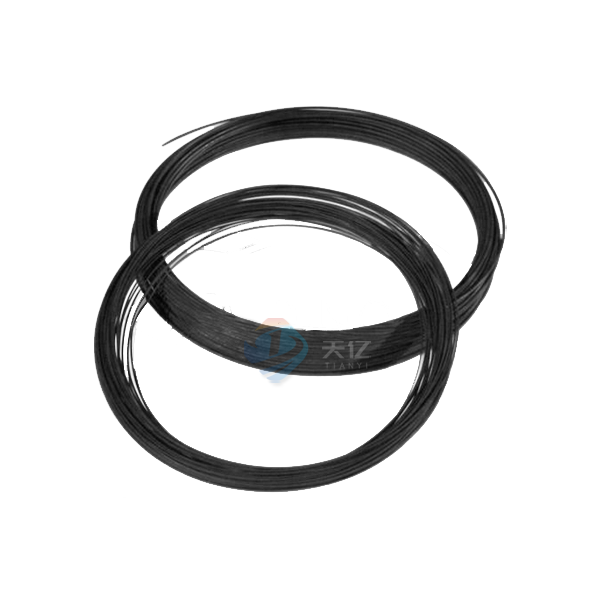
Astm B863 Grade 1 and Grade 2 high-grade titanium substrates are used in MMO titanium wire anodes. These substrates are covered with special mixed metal oxide ingredients. Usually, IrO is used for the layer.
The process of making something makes sure that the quality and efficiency are always the same. These anodes work well in seawater with temperatures below 80°C and pH levels between 1 and 12. This shows how versatile they are in a wide range of situations. These wire anodes come in normal diameters of 1.0mm, 2.0mm, and 3.0mm, and their lengths can be changed up to 150 meters per roll. This gives marine uses a lot of installation choices.
Zinc Anode Characteristics and Limitations
Zinc anodes are like sacrifices because they actively degrade to protect buildings through galvanic action. Although zinc naturally resists rust and is a cost-effective original investment, it is a sacrificial metal that means it will eventually need to be replaced. Zinc's electrical qualities make it less useful in seawater with a high conductivity, where faster consumption rates can have a big effect on keeping operations going.
Traditional zinc anodes need to be checked and replaced every so often, usually every one to five years, but this depends on the climate and the current density needs. This method requires a lot of maintenance, which raises running costs and the chance of downtime. This is especially a problem for important marine infrastructure that is hard to get to, which makes maintenance even more difficult.
Key Factors Affecting Anode Selection for Seawater Applications
Choosing the right anode for naval cathodic protection systems depends on a number of important factors. These things have a direct effect on how well the system works, how much it costs to run, and how reliable it is over time in harsh ocean settings.
Corrosion Resistance and Environmental Performance
High salt, changing temperatures, and harsh chemical conditions make seawater settings very difficult to work in. Because their base material is inert and they have special oxide coats, MMO-coated titanium anodes work really well in these tough circumstances. The titanium base is very resistant to attack by chloride, and the mixed metal oxide covering keeps the electrochemical activity fixed over long periods of service.
Because MMO titanium anodes are very resistant to rust, their performance can be predicted and they don't break down much over time. This stability ensures that the current flow and protection levels remain consistent. This is a key advantage of solutions like the MMO-Ti Wire Anode, which lowers the risk of insufficient protection—a common issue when zinc anodes degrade. Furthermore, MMO anode performance isn't significantly affected by environmental factors, such as water velocity, oxygen content, or marine growth. Zinc systems, on the other hand, can experience substantial variations in their efficiency.
Current Efficiency and Output Stability
One important way to measure how well cathodic protection devices work is by their current efficiency. When compared to zinc options, MMO-Ti wire anodes are more current efficient, which means they protect better per unit of electrical input. This higher level of efficiency cuts down on power use and operating costs while keeping the best levels of safety.
Because MMO anodes produce stable current, they make it possible to precisely control the system and ensure that it is protected. In contrast to zinc anodes, which lose efficiency over time, MMO systems keep working well throughout their entire service life. This steadiness makes system design easier and cuts down on the need for frequent changes or higher protection currents to make up for anode degradation.
Maintenance Requirements and Operational Impact
Maintenance issues have a big effect on the total cost of ownership and plans for operations. The only upkeep that MMO-Ti wire anodes need is to be inspected and checked for electrical connection on a regular basis. Because of their strong construction and stable performance, they don't need to be replaced as often as copper systems do.
Zinc anodes need to be inspected, monitored for wear and tear, and replaced on a regular basis to keep up safety levels. The practicalities of replacement operations, especially when they happen abroad or underwater, cause big problems with operations and safety that go beyond just the cost of materials.
Application Scenarios and Use Cases
For different nautical uses, cathodic protection devices need to be set up in different ways. Understanding these application-specific needs helps choose the best anode for the best security at the lowest cost.
High-Performance Marine Applications
MMO-Ti wire anodes work great in harsh naval settings where dependability and durability are very important. MMO technology's even current spread and low upkeep needs make it useful for ship hull protection systems. The flexible wire design makes it possible for even covering across complicated hull geometries, providing full protection without any dead spots that can happen with separate zinc anodes.
Offshore bases and subsea buildings are great places for MMO anode systems to be used. Because the working environment is harsh and upkeep is hard to get to, MMO anodes with long service lives and good reliability are especially useful. Case studies from sites in the North Sea show that the materials can last more than 20 years with little performance loss, which is a lot longer than zinc options that need to be replaced every 3 to 5 years.
MMO anodes are used to protect the seawater intake systems of desalination plants because the harsh saltwater conditions and high current density needs make MMO technology ideal. Specifically, the MMO-Ti Wire Anode's steady performance and resistance to fouling ensure that it consistently provides protection without being compromised by marine growth or scaling, which can otherwise lower effectiveness.
Industrial Seawater Processing Applications
Water treatment plants that use seawater need effective cathodic protection for steel structures that are subject to corrosive conditions. MMO wire anodes can be installed in a variety of ways to suit complicated equipment and pipe setups. The high current efficiency lowers the amount of power used, which is important for water cleaning processes that use a lot of energy.
MMO anode devices let you precisely control the flow of current through heat exchanges and condensers in seawater cooling systems. Being able to keep protection levels steady stops both too little and too much protection, which can damage equipment or make it work less efficiently. The long service life keeps important cooling tasks that support making electricity and running factories running smoothly as much as possible.
Comparative Performance in Marine Environments
When you compare the performance of MMO and zinc anodes, you can see that MMO technology is better for use in seawater. According to tests done by marine research institutions, MMO anodes keep more than 95% of their original current flow after 10 years of use, while zinc anodes lose between 60 and 80% of their usefulness in the same time frame.
MMO technology is also better when it comes to how it affects the earth. As zinc anodes break down, they send zinc ions into the marine environment, which could have an effect on the species nearby. When MMO anodes work, they don't use any materials, so they don't pollute the environment and give better safety.
Procurement and Cost Analysis for B2B Buyers
Total cost of ownership research shows that MMO-Ti wire anodes are more cost-effective, even though they require a bigger starting investment. To make the best choices for their companies, procurement teams have to look at more than just the price of an item.
Initial Investment vs. Lifecycle Costs
Even though MMO-Ti wire anodes cost more up front than zinc options, they save a lot of money in the long run because they last longer and need less upkeep. Economic research usually shows that a product or service breaks even within three to five years, and then it has big cost benefits for the rest of its life.
The known service life of MMO anodes makes budgeting easier and lowers the financial risk that comes with zinc anode usage rates that change over time. It's easier to plan capital expenditures when replacement schedules can be correctly predicted decades in advance, instead of having to be reevaluated often based on watching usage.
Benefits for operational costs include using less electricity because the current is more efficient, not having to repair parts as often, and less system downtime for maintenance tasks. These operational savings add up over time, giving sites with long-term operational plans big economic benefits.
Supplier Evaluation and Procurement Considerations
Because MMO anodes are purchases that will last for a long time, it is important to choose providers that you can trust. Well-known companies like Shaanxi Tianyi New Material Titanium Anode Technology Co., Ltd. offer full technical help, the ability to customize, and quality testing programs that make sure the system works at its best.
Important things to look for when buying something are production certifications (ISO and ASTM compliance), the ability to get expert help, the ability to customize the product for a particular use, and flexible payment terms. Being able to offer FOB, CIF, and CFR terms along with a range of payment choices, such as LC, T/T, D/P, PayPal, and Western Union, shows that the provider is flexible and able to do business internationally.
Planning for buying is affected by minimum order quantities (MOQ) and the ability to handle orders in batches. Reliable manufacturers have acceptable MOQ requirements—such as those for MMO-Ti Wire Anodes, which can be as little as 1 meter for some uses—and can still handle large industrial orders when needed.
Why MMO-Ti Wire Anode Often Outperforms Zinc Anode in Seawater Environments?
In difficult ocean situations, where standard zinc anodes can't work properly, the performance benefits of MMO technology stand out even more.
Superior Environmental Compatibility
Titanium surfaces are very resistant to chloride attack, biofouling, and chemical breakdown that happen in seawater because they are inert. Zinc can form passive films that make it less useful, but MMO coatings keep their active electrochemical surfaces the whole time they're in use.
Another big benefit is that it stays stable at room temperature. It is possible for MMO anodes to work well in a wide range of temperatures without losing performance. Zinc anodes, on the other hand, can lose performance or consume faster in harsh conditions. This stability makes sure that security stays the same no matter the time of year or the temperature at work.
Enhanced System Control and Monitoring
Because MMO anodes have stable electrical properties, they can be used for complex system control and tracking. When MMO anodes are used in impressed current systems, they can have exact potential control, automated current adjustment, and remote tracking features that make security better while using less power.
Because the standard for MMO systems is stable, data logging and performance tracking become more useful. Trends in system performance can be accurately measured without taking into account factors that affect anode degradation and make tracking a zinc anode system harder.
Regulatory Compliance and Environmental Benefits
Environmental laws are favoring tools that have less of an effect on the environment more and more. By stopping the release of metal ions into the water, MMO anodes help make sure that marine environmental protection standards are met. This benefit is especially useful for sites in marine settings that are sensitive or places where strict environmental oversight is in place.
Zinc anodes need to be changed more often, but MMO anodes last longer, so they produce less waste and are easier to get rid of. Lifecycle environmental reviews always favor MMO technology when they look at how it affects production, how it affects shipping, how it affects installation, and how it affects disposal at the end of its useful life.
Conclusion
The comparison between MMO-Ti wire anodes and zinc anodes for use in salt water makes it clear that MMO technology is better in terms of performance and cost. Even though zinc anodes are cheaper at first, MMO systems have many benefits that make them a better choice for industrial uses. These include longer service life, better rust resistance, stable current efficiency, and low upkeep needs.
When procurement teams look at cathodic protection options, they should look at the total cost of ownership (TCO) more than the original purchase price. The MMO-Ti wire anodes have a service life of 20 years or more, consistent performance, and operating dependability that make them worth the higher initial investment for most seawater uses.
FAQ
What is the expected service life of MMO-Ti wire anodes in seawater?
MMO-Ti wire anodes are made to last more than 20 years in seawater situations. Independent tests and real-world experience show that MMO systems that are put correctly keep working at least 95% of the time after 10 years, and many setups continue to work well for up to 25 years.
How do installation costs compare between MMO and zinc anode systems?
MMO-Ti wire anodes cost more to make, but they are easier to install and don't cost as much to set up because the wires are flexible. Because the service life is longer, zinc anodes don't have to be installed more than once. This saves a lot of money on installation costs over the life of the system.
Can MMO-Ti wire anodes be customized for specific applications?
Yes, reliable makers give you a lot of ways to customize your order, such as choosing the diameter (1.0mm, 2.0mm, 3.0mm, and custom sizes), the length, the coating formulas for different environments, and the specific settings you need for your installation. Custom technical help makes sure that each application gets the best system design possible.
What quality certifications should I expect from MMO anode suppliers?
Look for providers that meet the ASTM B863 standards for titanium wire, the ISO quality control standards, and the RoHS/REACH environmental standards. Well-known companies make sure the quality of their products and the success of their applications by offering thorough testing records, performance guarantees, and expert help.
How do I figure out the total cost of ownership for each type of anode?
When you do a total cost analysis, you should look at things like the starting cost of materials, the cost of installation, the operating power consumption, the upkeep needs, the replacement schedules, and the costs of system downtime. Due to lower operational and upkeep costs, MMO systems usually show a good return on investment (ROI) within 3 to 5 years, even though they cost more at first.
Partner with Tianyi for Superior MMO-Ti Wire Anode Solutions
Shaanxi Tianyi New Material Titanium Anode Technology Co., Ltd. is a reliable company that makes MMO-Ti wire anodes and has a history of providing effective cathodic protection options for harsh seawater environments. Our advanced production skills, wide range of customization options, and strict quality control programs guarantee that your marine infrastructure security needs will be met perfectly.
Email our engineering team at info@di-nol.com to talk about your unique needs and get full technical specs. Tianyi offers flexible payment terms, cheap prices, and professional help 24 hours a day, seven days a week. They have the dependability and knowledge that your procurement team needs for a successful cathodic protection application.
References
1. Jones, D.A. "Principles and Prevention of Corrosion, Second Edition." Prentice Hall, 1996.
2. Baeckmann, W. von, Schwenk, W., and Prinz, W. "Handbook of Cathodic Corrosion Protection: Theory and Practice of Electrochemical Protection Processes." Gulf Professional Publishing, 1997.
3. NACE International. "Cathodic Protection Technologist Course Manual." NACE International, 2008.
4. Peabody, A.W. and Bianchetti, R.L. "Peabody's Control of Pipeline Corrosion, Third Edition." NACE International, 2001.
5. ASM International. "Corrosion: Understanding the Basics." ASM International, 2000.
6. Uhlig, H.H. and Revie, R.W. "Corrosion and Corrosion Control: An Introduction to Corrosion Science and Engineering." John Wiley & Sons, 2008.