




Lead Dioxide Electrode vs MMO: Which Anode Best Fits Your Process?
If you're designing an electrolytic oxidation system for refractory wastewater or industrial electrochemical synthesis, your anode choice will define the project's outcome. The short answer: a lead dioxide electrode (Ti/PbO₂) is the right choice when you need a high oxygen evolution potential — typically 1.75 V vs. SCE — to break down persistent organics like phenol, nitrobenzene, or high-COD pharmaceutical effluent. MMO anodes perform better where low chlorine evolution overpotential and long continuous service life matter most. Read on for the full technical breakdown.
Understanding Lead Dioxide Electrodes and MMO Anodes
What Is a Lead Dioxide Electrode?
A Ti/PbO₂ anode is made up of a titanium base that has an intermediate layer on top of it. This layer is usually made of tin-antimony oxide or iridium-tantalum oxide. Next, α-PbO₂ and β-PbO₂ are deposited one on top of the other. The β phase is better at resisting rusting and conducting electricity in strong acidic environments (HSO₄, HNO₃). Titanium-based PbO₂ anodes can handle 93% to 95% of the current, and they last 1.5 to 2 times longer than traditional lead alloy anodes.
What Is an MMO Anode?
Anodes for Mixed Metal Oxide (MMO) also use a titanium base that is covered with catalytic oxide layers, most often ruthenium-iridium for chlorine evolution or iridium-tantalum for oxygen evolution. Thermal decomposition is used to put on MMO coatings. They work very reliably across a wide pH range and are commonly used in electroplating lines, chlor-alkali production, and cathodic protection where low cell voltage and even current distribution are important.
How Do Their Application Profiles Differ?
Titanium substrates and electrochemical surface coatings are used in both types of electrodes, but their functional windows are different. Under anodic polarization, the PbO₂ coating makes a lot of hydroxyl radicals (·OH), which are the main oxidants that break down organic compounds that don't want to break down. When it comes to processes with lower oxidation potential, MMO anodes work best. To put it simply, Ti/PbO₂ is used to "destroy the molecule," while MMO is used to "sustain the reaction."
Comparative Analysis: Lead Dioxide Electrode vs MMO Anode
Electrochemical Performance
The overpotential for oxygen evolution in lead dioxide electrode (PbO₂ electrodes) is one of the highest of any useful anode material. This causes ·OH to form on the electrode surface, which has been shown in published lab and field studies to remove more than 85% of COD from phenol and nitrobenzene wastewater. MMO anodes, especially Ru-Ir mixtures, have a lower oxygen evolution potential. This means they produce less energy per unit of chlorine but can't break stable organic bonds as easily.
Corrosion Resistance and Service Life
Ti/PbO anodes are very stable in environments with a lot of H₂SO₄ and HNO₃. Nanoparticle-doped versions (CeO₂, carbon nanotube inclusion) make the coating stick better by up to 30% and lower the voltage of the cell by 0.3 V. MMO anodes last a long time in chloride media that are neutral to slightly acidic, but they can break down more quickly in strong oxidizing acid conditions. Ti/PbO coatings usually last longer than regular MMO coatings in chemical wastewater with low pH and a lot of organic matter.
Cost-Effectiveness Over the Project Lifecycle
This is a direct comparison that procurement engineers often ask for:
- Ti/PbO₂ anodes carry moderate upfront cost, deliver 1.5–2× longer service life versus lead alloy alternatives, and reduce cell voltage by 5–8%, cutting long-term power costs. Pilot-scale data translate reliably to full-scale systems.
- MMO anodes (Ru-Ir) carry higher coating material costs but excel in low-energy chlorine evolution processes. Their lifecycle cost advantage applies primarily to chlor-alkali and electroplating scenarios, not refractory wastewater oxidation.
If you pick the wrong anode type for a project with hard organic wastewater, it will cost you more in replacement cycles and wasted time and money in the process than the difference in price at first. The most important thing to think about when buying something is how to match the anode chemistry to your process chemistry.
How to Choose the Right Anode for Your Electrolysis Process
Define Your Process Chemistry First
Everything depends on the operating medium for lead dioxide electrode. It works perfectly with H₂SO₄ or mixed acid that has a lot of COD organic matter in it, like pharmaceutical intermediates, pesticide wastewater, coking effluent, or landfill leachate. PbO₂'s high oxygen evolution potential makes it a perfect match.
An MMO Ru-Ir or Ir-Ta anode will work better if your process involves making sodium hypochlorite or keeping an electroplating bath at a pH level close to neutral. Before you call any suppliers, write down your pH range, the pollutants you want to get rid of, the current density you need, and the operating temperature.
Technical Parameters to Screen Against
When looking at anodes for an industrial tender or EPC design package, keep these things in mind:
- Oxygen evolution potential: Ti/PbO₂ reaches 1.75 V vs. SCE; most MMO formulations sit 0.2–0.4 V lower in oxygen-evolving conditions.
- Stable current density range: Ti/PbO₂ handles high current density in acidic media without accelerated coating loss.
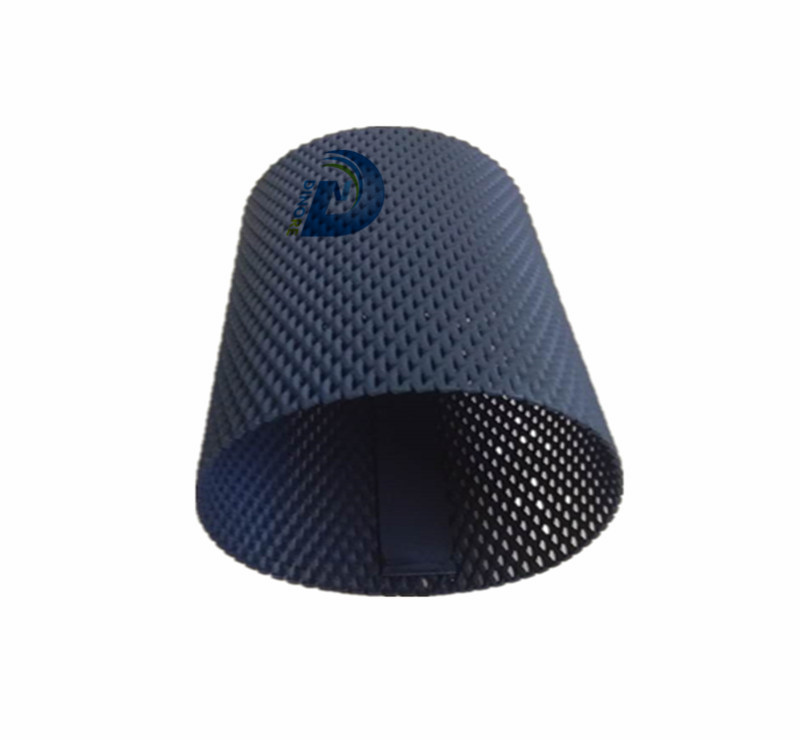
- Substrate geometry: Both types are available in plate, mesh, and tubular forms — confirm that your supplier can deliver the geometry your cell design requires.
- Lead ion leaching compliance: Reputable Ti/PbO₂ manufacturers supply third-party leaching test data. Ask for these before specifying the material.
Procurement and Compliance Considerations
When EPC companies work on environmental engineering projects in chemical or industrial parks, they look at more than just price when choosing a supplier. Make sure that the company that sells you the anode is ISO certified, can give you full pilot-scale test results (not just lab data), and has quick technical support after the sale. Before you commit to a bulk sale, ask for a 1:1 bench or pilot trial deal. Any difficult wastewater project runs the risk of buying from a supplier who refuses to help with pilot projects.
Procurement Guide: Sourcing Lead Dioxide Electrodes and MMO Anodes
Identifying Qualified Suppliers
Reliable PbO₂ and MMO anode makers can do both electrochemical research and large-scale production. Instead of marketing summaries, look for suppliers who put out technical data sheets with real performance numbers, such as current efficiency, coating thickness, adhesion strength, and accelerated lifetime test results.
The Baoji High-Tech Development Zone is home to Shaanxi Tianyi New Material Titanium Anode Technology Co., Ltd., which makes Ti/PbO₂ anodes and all of MMO's other products. Their team can help with custom geometry design and delivery schedules that work with EPC.
Pricing Factors and Order Strategy
The cost of the coating material, the size and shape of the substrate, the order volume, and any customizations all affect the price of the anode. When buying something for a project with a 30–60 day delivery window, make sure you know the lead time at the inquiry stage.
The cost per unit of lead dioxide electrode goes down with bulk sales, but only if the specs are set before production starts. It is common to ask for a pilot order of 5–20 pieces before placing a full-scale order, and any serious lead dioxide electrode maker will be able to handle this.
After-Sales Support and Risk Management
Anode failure in the middle of an environmental engineering project is not only a maintenance issue, but also a risk for not following the rules. Check to see if providers can respond technically—do they offer emergency help 24 hours a day, seven days a week? Can they quickly send over new parts? When looking for a long-term anode partner, these things often mean more than the original unit price.
Future Trends and Innovations in Anode Technology
Advanced Doping and Coating Engineering for PbO₂
Researchers are adding cerium dioxide (CeO₂), carbon nanotubes, and fluoride chemicals to PbO layers to make them last longer and produce more ·OH. Gradient-structure designs, in which the coating's makeup changes from the substrate's interface to the surface, lower stress inside the material and make it stick better. It's already happening at leading Chinese anode manufacturers: these new ideas are moving from the lab to mass production.
MMO Anode Evolution and Digital Process Integration
The main goals of developing MMO anodes are to make coatings last longer in high-chloride, high-temperature environments and to lower the amount of iridium that is loaded onto them without affecting their performance. Adding sensor-compatible anode frames for process monitoring is becoming more popular in automated industrial electrolysis lines. When buying teams choose systems today, one forward-looking due diligence step is to ask providers about sensor compatibility and smart tracking readiness.
Sustainable Sourcing and Global B2B Strategy
Secondary pollution levels are going down for both types of anodes. Manufacturers of Ti/PbO₂ are improving lead encapsulation to lower the risk of leaching. This solves one of the main procurement problems environmental engineering firms have. When looking for goods around the world, buyers should give more weight to suppliers who can show proof of environmental compliance from a third party and process experience with the specific type of wastewater, not just the ability to make electrodes.
Conclusion
There is no one right answer when it comes to choosing between a Ti/PbO₂ anode and an MMO anode. It depends on the chemistry of your process, the pollutants you want to target, and the climate in which you will be working. The PbO₂ layer gives the high oxygen evolution potential and ·OH generation rate that get things done for difficult organic wastewater oxidation in acidic media.
Most of the time, MMO formulations work better for electrochemical processes that involve chlorine evolution or are close to neutrality. When selecting lead dioxide electrode, make sure you have clear guidelines, ask for pilot data, and work with a seller who knows your process as well as their product.
FAQ
What is the main difference between a lead dioxide electrode and an MMO anode?
A Ti/PbO₂ anode creates a high oxygen evolution potential (1.75 V vs. SCE), which makes it good for breaking down stable organic compounds in acidic wastewater. An MMO anode, which is usually coated with Ru-Ir or Ir-Ta, works at a lower potential and is better for electroplating and chlorine evolution.
Can lead dioxide anodes cause secondary pollution from lead ion leaching?
That is a good reason to be worried. Third-party leaching test results from qualified makers show that lead ions are released from properly manufactured Ti/PbO₂ anodes well below legal limits when the system is running normally. Before specifying a material for an environmental project, you should always ask to see test results.
What geometries are available for Ti/PbO₂ anodes?
Normal shapes include plate, mesh, and cylindrical ones. Mesh surfaces work especially well when there is a lot of current flowing through them because they lower the liquid flow resistance and keep the electrode from getting too hot.
How long do PbO₂ anodes last compared to traditional lead anodes?
Titanium-based PbO₂ anodes usually work 93–95% of the time and last 1.5 to 2 times longer than regular lead alloy anodes.
Do suppliers support pilot testing before full-scale orders?
Yes, vendors you can trust offer 1:1 pilot trial deals. This is especially important for projects that deal with hard-to-treat garbage and need to validate the process before going from bench data to full scale.
Get a Process-Matched Anode Solution from Tianyi
Your process needs an anode design that is based on real data. Tianyi offers custom-shaped anodes made of Ti/PbO₂ and the full range of MMOs. They also offer third-party leaching compliance reports and help with pilot-scale trials. Our company is a reliable source of lead dioxide electrodes for EPC companies and industrial wastewater treatment projects. We make sure that the technical details of your project are in line with your schedule. To get a specification sheet or test trial agreement, email our tech team at info@di-nol.com or go to dsa-anodes.com.
References
1. Feng, Y., & Li, X. (2003). Electro-catalytic oxidation of phenol on several metal-oxide electrodes in aqueous solution. Water Research, 37(10), 2399–2407.
2. Comninellis, C., & Pulgarin, C. (1991). Anodic oxidation of phenol for waste water treatment. Journal of Applied Electrochemistry, 21(8), 703–708.
3. Rodrigo, M. A., Cañizares, P., Sánchez-Carretero, A., & Sáez, C. (2010). Use of conductive-diamond electrochemical oxidation for the treatment of aqueous organic pollutants. Catalysis Today, 151(1–2), 173–177.
4. Chen, G. (2004). Electrochemical technologies in wastewater treatment. Separation and Purification Technology, 38(1), 11–41.
5. Panizza, M., & Cerisola, G. (2009). Direct and mediated anodic oxidation of organic pollutants. Chemical Reviews, 109(12), 6541–6569.
6. Trasatti, S. (2000). Electrocatalysis: understanding the success of DSA. Electrochimica Acta, 45(15–16), 2377–2385.
