




Micro Acidic Water Generator vs Sodium Hypochlorite Generator
When food plant managers ask me which disinfection system makes more sense for a modern processing facility, I always start with the same question: what does your QA team actually need to document, and what does your floor team need to handle safely every shift? The answer usually points straight to the core difference between a micro acidic electrolyzed water generator and a sodium hypochlorite generator — and that difference matters far more than the sticker price.
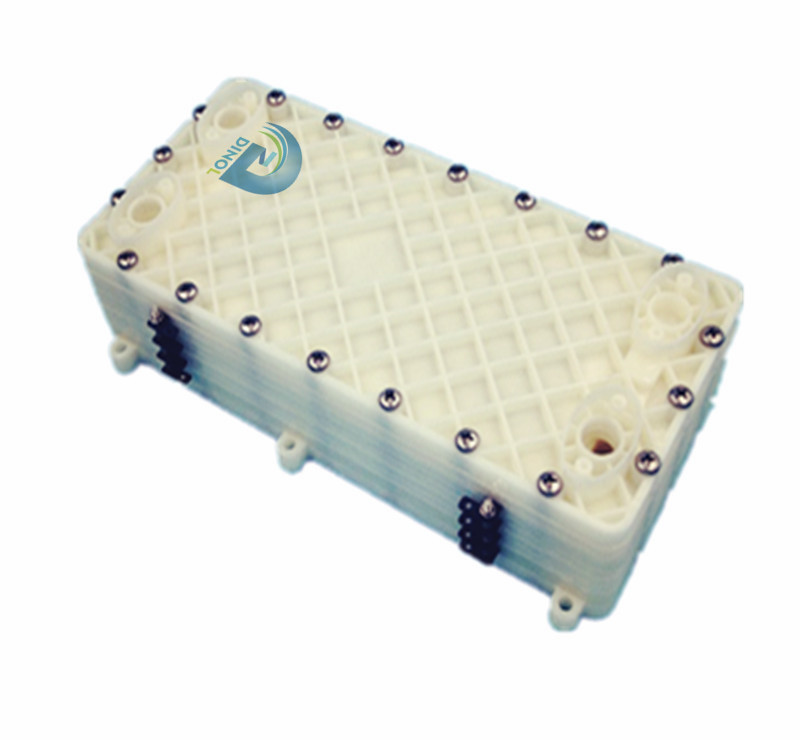
What Are These Two Technologies, and How Do They Work?
Both systems produce active chlorine-based disinfectants through electrochemical processes, but the chemistry and operational profiles diverge significantly in practice.
How a Micro Acidic Electrolyzed Water Generator Produces Disinfectant?
A micro acidic electrolyzed water generator passes a dilute saline solution through a titanium-platinum electrode cell. The anode reaction produces hypochlorous acid (HOCl) at concentrations between 10 and 80 ppm, with a pH range of 2.5 to 6.5 and an oxidation-reduction potential (ORP) of +700 to +1,100 mV. These parameters place the output firmly in the zone where HOCl is most biocidal — research published in the Journal of Food Protectionconfirmed that HOCl at pH 5–6 is approximately 80 times more effective as a disinfectant than hypochlorite ion (OCl⁻) at alkaline pH.
How a Sodium Hypochlorite Generator Works?
A sodium hypochlorite generator electrolyzes a stronger brine solution to produce alkaline bleach (NaOCl), typically at pH 9–11. The output is a familiar disinfectant, but the high pH significantly reduces the proportion of active HOCl in solution, requiring higher total chlorine doses to achieve equivalent kill rates. Storage tanks, corrosion-resistant piping, and chemical handling protocols add to the operational footprint.
Side-by-Side Chemistry at a Glance
| Parameter | Micro Acidic EW | Sodium Hypochlorite |
|---|---|---|
| pH | 2.5 – 6.5 | 9 – 11 |
| ORP | +700 to +1,100 mV | +200 to +500 mV |
| Active HOCl fraction | High (>80%) | Low (<10%) |
| Rinse required | No | Yes |
| Residue risk | Minimal | Moderate–High |
Key Performance and Safety Differences
It's easy for the procurement and quality assurance teams to make decisions based on the numbers in the table above.
Disinfection Speed and Spectrum
A study published in Food Control found that slightly acidic electrolyzed water (SAEW) produced by a micro acidic electrolyzed water generator with ORP values above 700 mV can kill >99.9% of E. coli, Staphylococcus aureus, and common mold species in 30 seconds. It takes longer for sodium hypochlorite to do the same job when free chlorine levels are the same. This is because the alkaline pH changes the balance between HOCl and OCl⁻.
Residue, Safety, and Compliance
The micro acidic product is made from water and food-grade salt, and it breaks down into water and trace chloride when it's no longer needed. This means that it doesn't leave any chemicals on surfaces that come into touch with food. This directly supports the paperwork needs of HACCP and FSSC 22000 standards; inspectors from European and American store groups are asking for proof of rinse-free disinfection procedures more and more. Sodium hypochlorite, on the other hand, needs to be rinsed off and stored in a way that meets OSHA's danger communication guidelines.
Cost and Consumable Profile
Having a direct on-site production unit cuts out the costs of buying, transporting, and storing bulk hypochlorite. Titanium-platinum electrodes are used in electrolyzed water systems. They can work for between 2,000 and 5,000 hours. Depending on the size of the model, it uses between 50 and 300 W of power. This means that the cost of production per liter can be predicted and checked for ROI estimates.
The areas with the biggest performance gaps are food processing, washing fresh produce, and keeping livestock facilities clean. These are the places where controlling residue, working quickly, and keeping records are all musts.
What B2B Procurement Teams Should Evaluate Before Buying?
It's not just a technical choice between these two technologies; it also depends on how reliable the source is, how much approval coverage there is, and how long you can get service.
Here are the main rating factors that I think procurement teams should use:
- Certification coverage: Confirm the unit carries CE, RoHS, and ISO certifications. For food plant applications, ask specifically for food-contact material safety declarations. These documents are the first thing a third-party auditor will request during a facility inspection.
- Electrode specification and replacement cost: Titanium anodes with platinum or mixed metal oxide (MMO) coating are the industry standard for electrolyzed water production. Request the published electrode lifespan (hours), replacement unit price, and lead time before signing any purchase contract.
- Water quality compatibility: Local water hardness and mineral content in Southeast Asian and East Asian markets vary widely. A qualified supplier should provide a water quality assessment before specifying the correct model, not after installation problems emerge.
- Production capacity match: Models producing 1 to 5 L/min cover most central kitchen and mid-scale processing line requirements. Verify that the stated capacity reflects your peak CIP demand, not average throughput.
When choices are made at this level, they usually take between two and five months, from internal approval of the return on investment (ROI) to source comparison to pilot testing. Choosing a provider of a micro acidic electrolyzed water generator with clear after-sales services like spare parts availability, remote diagnostics, and working instructions in multiple languages will protect your investment over the lifespan of the equipment.
Maintenance Practices That Protect Your Investment
Electrolyzed water equipment is easier to maintain than many chemical dosing systems in terms of how it works, but it does need to be used regularly.
Electrode Cleaning Schedule
The main reason why ORP and pH readings shift is that mineral scale builds up on the sides of electrodes. Performance stays within specs thanks to a flush once a week with a weak citric acid solution and a visual check of the electrode coating's integrity once a month.
Flow and Pressure Monitoring
Input pressure, water flow rate, and salt concentration all have an effect on the quality of the output. Every day, operators should write down these factors and compare them to the ORP meter number. If the ORP number is less than +700 mV, it means that the electrode or salt dose system needs to be fixed.
Operating Environment Controls
The machine can work in temperatures ranging from 5°C to 40°C. Putting units where they will be directly hit by sunlight or where the temperature is above 40°C shortens the life of the electrodes and makes the output less consistent. Basic needs include enough air flow and a stable power source (110V or 220V, 50 or 60 Hz).
Where Electrolyzed Water Technology Is Heading?
In disinfection technology, it is clear that things are moving toward real-time monitoring and process data that can be tracked. A number of manufacturers of a micro acidic electrolyzed water generator are adding ORP and pH sensor outputs directly into SCADA or MES systems at the plant level. This gives quality assurance managers a constant record of the parameters used for disinfection, which is exactly the kind of paperwork that meets the requirements for HACCP CCP verification.
Pressure from the environment is also a role. Regulatory bodies in the EU, Japan, and more and more in Southeast Asia are making it harder to get rid of chemical disinfectants and store dangerous materials. Most of these legal responsibilities are taken away by on-site electrochemical production. Grand View study's market study from 2023 says that the global electrolyzed water technology market will grow at a compound annual growth rate (CAGR) of 7.8% through 2030. This is mostly because of rules about food safety and policies that big retailers have about buying things that are good for the environment.
Conclusion
A micro acidic electrolyzed water generator or a sodium hypochlorite generator should be chosen based on three practical factors: how well it disinfects at the point of use, the amount of paperwork that needs to be kept, and the total cost of ownership over the lifecycle of the equipment. For food processing plants that follow HACCP, FSSC 22000, or third-party retail audit programs, the high-ORP output of slightly acidic electrolyzed water systems better meets all three goals than alkaline hypochlorite production. Sodium hypochlorite units are still a good choice for situations where pH-sensitive surfaces are not a problem and where there is already equipment for handling chemicals, but the trade-offs between compliance and waste are real and getting worse.
FAQ
Is micro acidic electrolyzed water safe for direct food contact surfaces?
Yes. Output at pH 2.5–6.5 and HOCl concentrations of 10–80 ppm is recognized as safe for food contact surfaces by international food safety bodies when produced within specification. The solution degrades to water and trace chloride, leaving no chemical residue that requires rinsing before food contact.
How long do the electrodes last, and what does replacement cost?
Titanium electrodes with platinum coating typically last 2,000 to 5,000 operating hours, depending on water quality and load. Replacement cost and lead time should be confirmed in writing with your supplier before purchase. Tianyi's electrode assemblies are produced under ISO-controlled conditions and carry documented performance specifications.
Can an electrolyzed water system fully replace a sodium hypochlorite dosing line?
In most food processing and surface disinfection applications, yes. The primary requirement is that the on-site generator's production capacity (L/min) matches peak demand. For CIP systems with high-volume demand cycles, a flow rate and pressure audit before specification is advisable.
What certifications should I require from the supplier?
At minimum: CE, RoHS, ISO manufacturing certification, and food-contact material safety declarations. If the facility ships to EU or US markets, ask for documentation that maps the disinfection system to HACCP CCP records.
Get a Customized Disinfection Solution from Tianyi — Trusted Micro Acidic Electrolyzed Water Generator Supplier
Tianyi's factory in Baoji, China, makes electrolyzed water systems with great care. They use MMO titanium anode technology and follow ISO standards for production. For food processing clients in Southeast Asia, Japan, and other places, our team does full compliance documentation, capacity matching, and water quality assessments. Get in touch with us right away to talk about the needs of your facility and ask for a technical datasheet or a sample test arrangement. You can email our team at info@di-nol.comto find out more about our micro acidic electrolyzed water generator line of products.
References
1.Hricova, D., Stephan, R., & Zweifel, C. — Journal of Food Protection, 2008.
2.Huang, Y. R., Hung, Y. C., Hsu, S. Y., Huang, Y. W., & Hwang, D. F. — Food Control, 2008.
3.Al-Haq, M. I., Sugiyama, J., & Isobe, S. — Food Science and Technology Research, 2005.
4.Koide, S., Shitanda, D., Note, M., & Cao, W. — Postharvest Biology and Technology, 2011.
5.Cui, X., Shang, Y., Shi, Z., Xing, H., & Cao, W. — Food Control, 2009.
6.Grand View Research — Electrolyzed Water Market Size, Share & Trends Analysis Report, 2023.
