




Titanium Conductor Band vs Titanium Anodes: Which Is Best for CP?
When engineers and procurement managers ask which component matters more in an ICCP system — the titanium conductor band or the titanium anode — the honest answer is: both, but for different reasons. A titanium conductor band for cathodic protection moves current reliably between the power source and the MMO anode without joining the electrochemical reaction. The MMO titanium anode, by contrast, actively releases that current into the electrolyte. Choosing the right one — or the right combination — depends on your application, design life target, and budget. This guide breaks it down clearly.
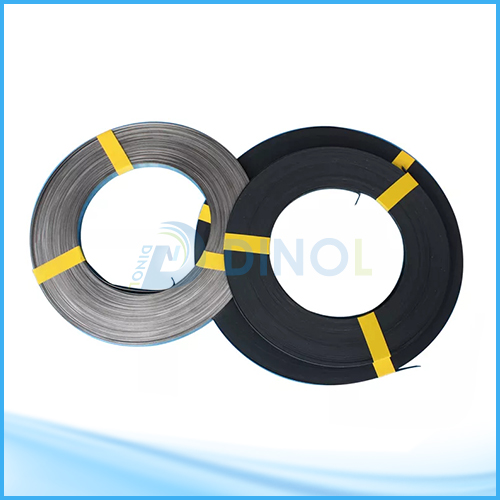
Understanding the Basics of Titanium Conductor Bands and Titanium Anodes
What Is a Titanium Conductor Band?
Titanium conductor bands are conductive parts made from commercially pure titanium, usually Grade 1 or Grade 2 according to ASTM B265. It sends electricity from the rectifier or busbar to the MMO anodes and acts as an electrical highway inside an ICCP anode assembly. It doesn't take part in electrochemical reactions because it doesn't have a catalytic coating. This means that it won't corrode or deplete under normal operating conditions.
Titanium conductor strips from Tianyi come in flat strip, ribbon, and sheet shapes. Standard lengths range from 100 to 6,000 mm, widths from 10 to 50 mm, and thicknesses from 1 to 5 mm. All of these can be changed to fit the needs of a particular project.
What Is a Titanium MMO Anode?
An MMO (Mixed Metal Oxide) titanium anode is made up of a titanium substrate that has a catalytic oxide layer deposited on top of it. This layer is usually made up of iridium-tantalum oxides or ruthenium-titanium oxides. When it's hooked up to an outside DC power source, it sends a protected current into the electrolyte (seawater or earth) around it. This makes the target steel structure polarized to a safe level.
According to NACE SP0176, MMO anodes have been shown to consume as little as 1 mg/A·year in seawater, while high-silicon cast iron anodes consume about 500 g/A·year. One reason ICCP system designers now choose titanium-based solutions is because they last longer.
How They Work Together
The titanium conductor band for cathodic protection and the MMO anode work together in a well-designed ICCP system. The band moves current with little loss in resistance, and the anode turns that current into electrochemical defense. A link between two weak conductors raises the contact resistance, which throws off the output and speeds up localized degradation. Figuring out this connection is the first thing that every sound CP system designer needs to do.
Performance Comparison: Titanium Conductor Bands vs Titanium Anodes
Durability and Corrosion Resistance
Titanium that is commercially pure (Gr1/Gr2) naturally forms a stable TiO₂ passive film that doesn't let chloride, sulfate, or biological fouling through. Installing a titanium conductor strip in seawater will keep its stable conductivity for its entire service life because it won't form a polarization layer or scale deposits. MMO anodes have the same base benefit, but how long they last relies on how thick the coating is and how much power they are running at.
Mechanical Strength and Installation Flexibility
Titanium conductor bands have a high tensile strength and are very light—about 60% lighter than copper parts that do the same job. They can be clamped, welded, bolted, or built into anode modules that have already been put together. This gives installation workers a lot more freedom, which saves a lot of time on offshore platforms and the bottoms of storage tanks. MMO anodes, on the other hand, are specific to geometry; changing the shape of an anode in the middle of a project usually needs a new design submission.
Design Life and System Reliability
For procurement decisions, this is where the difference is most important:
- Titanium conductor bands (Gr1/Gr2): Service life exceeds 30 years in seawater or buried soil environments when properly installed, because no electrochemical consumption occurs.
- MMO titanium anodes: Design life ranges from 20 to 50 years depending on catalytic oxide loading and operating current density. Iridium-tantalum coatings at 8–10 g/m² typically support a 25–30 year design at standard current densities per EN 12954 recommendations.
When chosen correctly, both parts of an ICCP system can work for decades without any maintenance, which is a big benefit over traditional graphite or high-silicon cast iron options.
Cost and Procurement Considerations for Titanium Conductors and Anodes
Total Cost of Ownership vs. Unit Price
Titanium conductor band for cathodic protection costs more per unit than copper strip, but the total cost changes over the life of a 25-year project. Copper rusts in salty water, needs to be replaced every so often, and adds weight that raises the load on structures. Lifecycle maintenance costs are much lower for a Grade 2 titanium conductor strip that is only installed once and never needs to be replaced.
MMO anodes cost more up front than sacrificial zinc or magnesium anodes, but they pay for themselves in the first maintenance period, which for offshore platforms is usually five to seven years. This is because they eliminate the need for regular replacement dives and tank outages.
Certifications and Supplier Qualification
Before giving out supply contracts, qualified procurement teams should make sure of the following:
- Certificate of Conformance (CoC) with material traceability to ASTM B265 Gr1/Gr2
- MMO coating composition report specifying noble metal loading (g/m²)
- Compliance documentation aligned with EN 12954, NACE SP0176, or GB/T 50934
- IP68-rated cable-to-anode connection test records
- Capacity for phased delivery — for example, monthly batch shipments over a 12-month project schedule
Bulk Ordering and Lead Times
Large projects like building a tunnel or a distant wind farm usually need a phased supply over 6 to 18 months. Spot market price changes can be less of a problem if you lock in a price with a maker that keeps raw titanium in stock. Before you award the contract, make sure that your supplier can promise to release batches on time.
When to Choose Titanium Conductor Bands Over Titanium Anodes (and Vice Versa)
Choose a Titanium Conductor Band When…
The main need is for current routing, connection integrity, or busbar linkage in an ICCP assembly that is already in place. A Gr1/Gr2 conductor strip is the right material standard if your design already calls for MMO anodes but needs a solid connection that won't corrode, break down, or add contact resistance over many years. In buried tank bottom ICCP systems, where the conductor has to stay in contact with the soil for a long time without any active protection, this is also the standard choice.
Choose an MMO Titanium Anode When…
An live current source is needed for the system. For example, offshore platform piles, jetty steel sheet piles, ship hulls, underwater long-distance pipes, and aboveground storage tank floors all need an electrode that can keep a steady current flow for the life of the safety system. A wide range of ICCP shapes can be covered by MMO titanium anodes that come in rod, tubular, ribbon, or mesh shapes.
Using Both in the Same System
Most well-designed ICCP installations use both in real life. The MMO anode sends out a protective current, and the titanium conductor band for cathodic protection connects the anode strings to the power feed with very little resistance and no chance of corrosion. For example, when engineers are asked to protect the foundations of offshore wind farms, they often use tubular MMO anodes along with titanium conductor strips that are run through J-tube cable conduits. This unified method keeps the resistance of the contact below 0.01 Ω and spreads the current evenly across the steel surface that is being protected.
Future Trends in Cathodic Protection Materials
Advanced Titanium Alloys and Coating Chemistry
MMO anode designs can last up to 50 years at normal current densities thanks to ongoing study into higher-loading iridium-tantalum oxide formulas. At the same time, thinner and lighter conductor strip geometries make it possible to embed them in precast concrete elements for ICCP of reinforced bridge decks, which is a use that is growing quickly in both North America and Europe.
IoT-Enabled CP Monitoring
Smart ICCP systems now include logging data at each anode zone and monitoring the potential from afar. Real-time alerts can spot a current imbalance or connection failure before it causes structural damage. This is especially helpful for assets that can't be reached, like buried pipelines and tank floors.
Sustainability Pressures Reshaping Procurement
Increasing pressure from regulations on infrastructure projects' carbon footprint is pushing buyers toward long-lasting materials that don't need much upkeep. A titanium conductor strip that doesn't need to be replaced for 30 years or more means less work in the field, lower costs for moving things around, and less waste, all of which are factors that are becoming more important in scoring how sustainable a project is.
Conclusion
The titanium conductor band for cathodic protection and MMO titanium anodes are both needed for an ICCP system to work, but they do very different things. The conductor band keeps the flow of current stable and free of rust, and the MMO anode protects the steel infrastructure from electrolytic damage.
Your ICCP system will work consistently for 20, 30, or even 50 years if you choose the right specification for each one, making sure it has the right certifications and is a good fit for the project setting. It works best when both parts are ordered from the same reliable source and come with full documentation.
FAQ
How long does a titanium conductor band last in seawater?
A pure titanium (Gr1/Gr2) conductor strip for sale does not break down or corrode in seawater because it does not take part in any electrochemical reactions. Under normal ICCP working conditions, the material should last more than 30 years if it meets ASTM B265 Grade 2 standards and the joints should stay sealed with IP68.
Can titanium conductor strips replace copper busbars in ICCP systems?
Yes. Copper has a higher baseline conductivity, but titanium conductor strips are better in corrosive or underwater settings because the passive oxide film on titanium stops it from breaking down. For most ICCP busbar uses in salt water or buried soil, Gr2 titanium's high conductivity is enough, and the fact that it doesn't corrode makes it the safer long-term choice.
What customization options are available for conductor bands?
Tianyi sells conductor strips that are 10 to 50 mm wide, 1 to 5 mm thick, and up to 6,000 mm long. You can get titanium conductor bands in either a custom-formed coil or a flat design that has already been drilled to match the installation plans for your project.
Do titanium conductor bands meet NACE and EN standards?
Yes. Material that meets ASTM B265 Gr1/Gr2 standards and Tianyi's CoC paperwork is in line with EN 12954, NACE SP0176, and GB/T 50934 requirements. If you ask, you can get full standard cross-reference documentation to back up design institute approval.
Partner with Tianyi for Your Next CP System
The Shaanxi Tianyi New Material Titanium Anode Technology Co., Ltd. provides a wide variety of titanium conductor bands for cathodic protection needs, including Gr1/Gr2 conductor strips and MMO-coated anodes. These bands come with full certification paperwork and can be delivered in stages. Tianyi is a reliable company that makes titanium conductor bands for cathodic protection. They can help you with your project from the planning stages to the final delivery. You can email us at info@di-nol.com or go to dsa-anodes.com to get a technical datasheet or a quote that is tailored to your project.
References
1. NACE International. NACE SP0176: Corrosion Control of Steel Fixed Offshore Structures Associated with Petroleum Production. NACE International, 2007.
2. British Standards Institution. EN 12954: Cathodic Protection of Buried or Immersed Metallic Structures — General Principles and Application for Pipelines. BSI, 2019.
3. ASTM International. ASTM B265: Standard Specification for Titanium and Titanium Alloy Strip, Sheet, and Plate. ASTM International, 2020.
4. Baeckmann, W. von, Schwenk, W., and Prinz, W. Handbook of Cathodic Corrosion Protection. 3rd ed. Gulf Professional Publishing, 1997.
5. Morgan, J. H. Cathodic Protection. 2nd ed. NACE International, 1993.
6. Pedeferri, P. Corrosion Science and Engineering. Springer, 2018.