




Titanium Electrolyzer vs MMO Anodes in Electro-Chlorination Systems
When selecting electrode technology for an electro-chlorination system, the choice between a titanium electrolyzer for electro-chlorination and MMO anodes carries real consequences for operating costs, equipment lifespan, and system reliability. Whether you manage a municipal water plant, a marine vessel, or a food processing facility, understanding how these two technologies differ helps you make a procurement decision you won't regret. This article breaks down both options clearly so you can match the right solution to your specific application.
Understanding Electro-Chlorination and Electrode Technologies
How Electro-Chlorination Works
Through electrochemical processes inside an electrolytic cell, electro-chlorination changes a saline fluid into sodium hypochlorite. The chloride ions are changed into chlorine gas at the anode: 2Cl⁻ − 2e⁻ → Cl₂↑. Hydrogen gas is given off at the cathode: 2H⁺ + 2e⁺ → H₂↑. NACl + H₂O → NaClO + H₂↑ is the overall reaction. It makes a sodium hypochlorite solution that is a strong oxidant. As with other chlorine derivatives, the hypochlorite ion can kill germs. This means that making it on-site is a good alternative to storing liquid chlorine.
What Is a Titanium Electrolyzer?
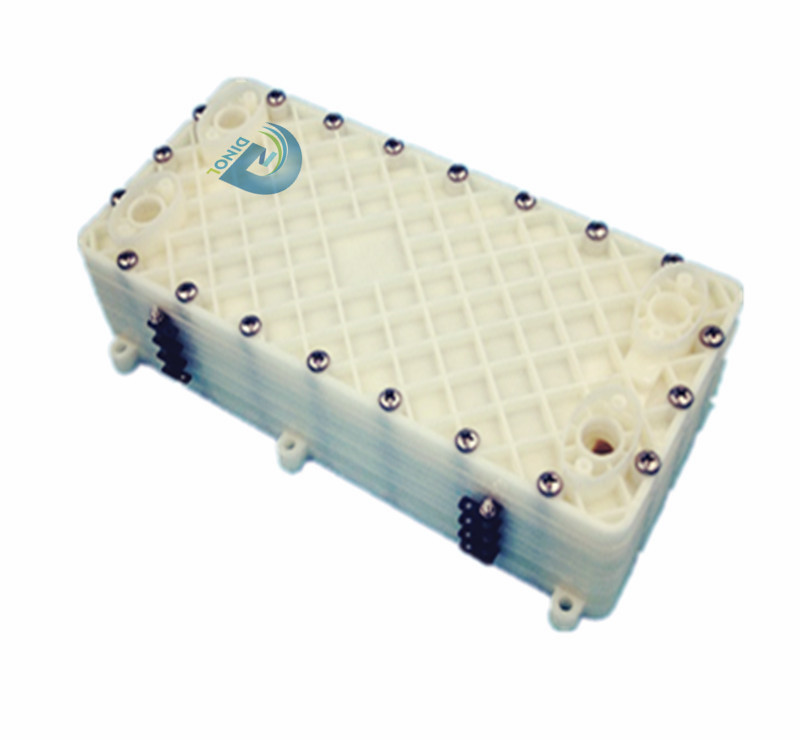
To make a stable anode, a titanium electrolyzer covers a titanium substrate with precious metal oxides, most often ruthenium and iridium. This design won't rust in settings with both seawater and diluted saltwater. For instance, the Tianyi TY-WL line uses a new structure link to cut down on stray currents while electrolysis is happening. The cell works properly even if the electrode plates are quickly exposed to air. It also works with a wide range of chlorine outputs, from 50 g/h (WL50B) to 2000 g/h (WL2000B), so it can be used in both small pools and large municipal plants.
What Are MMO Anodes?
Mixed Metal Oxide (MMO) anodes are made up of a titanium base layer that is covered in a mix of metal oxides, such as iridium dioxide and ruthenium dioxide. They are often used as new anodes that can be used on their own in electrolytic cells that are already in place. You can get MMO anodes in plate, mesh, or rod shapes, and they have good electrochemical activity. Most of the time, they are a cheap way for facilities to change worn-out anodes without having to buy a whole new cell assembly, especially when retrofitting a titanium electrolyzer for electro-chlorination. Because they are so flexible, they can be used for electroplating, chlorination, and cathodic protection.
Titanium Electrolyzer vs MMO Anodes: Performance and Efficiency Comparison
Electrochemical Efficiency and Chlorine Output
To get up to 95% electrolysis efficiency, a full titanium electrolyzer has the right cell geometry, flow control, and electrode spacing. When the Tianyi WL series is turned on, it uses 2% to 5% salt and input temperatures between 5 and 15°C. The cell pressure stays at 0.2 MPa. On the other hand, separate MMO anodes that are put in a general cell might not work as well because the cell design hasn't been made to work with the anodes. The integrated electrolyzer design usually works better than an MMO anode setup that has been added later for high-demand applications that need consistent chlorine output.
Lifespan and Coating Durability
Over 10,000 hours of operation are planned for the Ru-Ir nano-coating on the Tianyi TY-WL series, and it is expected to last longer than five years in normal use. When used in electro-chlorination, standalone MMO anodes can have similar covered lifetimes, but how long they actually last varies a lot on the current density, solution concentration, and design of the system. When an anode works with more current than it was designed to handle, coating wears off faster. These factors are controlled by a fully integrated titanium electrolyzer, which has less coating wear than anodes that are put into third-party cells.
Maintenance and Operational Demands
Both technologies need to be cleaned with acid every so often to get rid of scale buildup. Descaling with 15–18% hydrochloric acid is a normal maintenance step for both types of electrolyzers and is used in the Tianyi WL series. The main benefit of the complete titanium electrolyzer for electro-chlorination is that it can be used without anyone being there. The combined control system constantly checks performance, which lowers the chance that something will go wrong and not be noticed. Even though standalone MMO anodes are easier to switch out one at a time, the environment around the cell must be carefully watched to make sure that pH changes or overloading don't cause the coating to wear off too quickly.
Cost Analysis and Procurement Considerations
Total Cost of Ownership
When compared to getting new MMO anodes alone, buying a full titanium electrolyzer requires a bigger initial investment. For most industrial users, though, the total cost of ownership over five years is better for the integrated system. The Tianyi WL series has nine different output options, ranging from WL50B to WL2000B. This lets buyers choose a unit that is exactly the right size for their load needs. If you oversize or undersize a system, you waste more energy and the electrodes wear out faster, which both raise the long-term costs of running the system.
Supplier Reliability and Certification
Electrode systems must have recognized certifications like CCS (China Classification Society) or equivalent international class approvals for use in marine applications like offshore drilling platforms, ocean-going cargo ships, and treating ballast water. It is important for procurement teams to make sure that their supplier keeps output records that can be tracked, offers factory acceptance testing (FAT), and offers on-site commissioning (SAT) help. Tianyi is located in the Baoji High-Tech Development Zone and offers OEM and ODM services. They carefully check all incoming materials and keep an eye on quality throughout the manufacturing process.
After-Sales Support and Warranty
One risk that comes up during the procurement process that often comes up late in the project cycle is post-installation support. Tianyi offers services for recoating electrode plates, which lets facilities increase the life of electrodes instead of replacing the whole cell, an important advantage for a titanium electrolyzer for electro-chlorination. The company also helps with changing the scheme during installation if the site conditions are different from what was planned at the beginning. Teams that have to deal with long bidding cycles—usually three to nine months from the start of a project to its completion—will benefit greatly from a seller that answers technical questions quickly.
Application and Suitability: Matching Solutions to Industrial Needs
High-Demand Industrial Environments
A full titanium electrolyzer works best for large-scale uses like making chlorine on-site in city water treatment plants, saltwater electrolysis systems on offshore bases, and treating ballast water in ships. Continuous operation with a high current, exposure to saltwater or brackish water, and strict rules about following the rules are all part of these environments. The Tianyi WL series electrode coating can work in low-salinity waters and low temperatures, which are both common in deep-sea and offshore operations. When facilities switch from storing liquid chlorine to making it on-site, the integrated system makes things safer and makes it easier to follow the rules.
Smaller and Budget-Sensitive Applications
It may be cheaper to replace just the anode in an existing cell structure for swimming pool recirculation systems, small aquaculture disinfection units, and food and beverage CIP (clean-in-place) circuits that need less chlorine—50 to 300 g/h. Plate or mesh-shaped MMO anodes can fit into cell housings that are already there, so the whole assembly doesn't have to be replaced. But buyers should make sure that the current and flow specs of the new anode match those of the original cell. If they don't, the coating will wear out faster and the output will be less consistent.
Environmental and Safety Considerations
Because sodium hypochlorite can be made on-site, there is no need to move and keep liquid chlorine, which has strict classification rules set by the U.S. EPA and OSHA. When they are working properly, both titanium electrolyzer systems and MMO anode assemblies don't make any dangerous waste. The hydrogen gas that is released at the cathode needs to be properly vented. This is something that Tianyi talks about in its design suggestions for cell configuration. On-site electro-chlorination is a cleaner way to run a business for places that want to get ISO 14001 environmental management certification than chemical dosing from bulk chlorine.
Future Trends and Technological Innovations in Electrode Materials
Advances in Titanium Electrode Coatings
A study in the Journal of Applied Electrochemistry showed that sol-gel deposition and thermal decomposition techniques can make the Ru-Ir oxide coating stick better. This makes the anode last longer at higher current densities. Nanostructured coats make the active surface area bigger, which means that less energy is needed to make one gram of chlorine. Tianyi's ongoing research and development (R&D) partnerships with scientific study institutions make sure that its covering formulas are up to date with these new findings.
Smart Monitoring Integration
The newest electro-chlorination cells have electrode units that are paired with real-time tracking systems that keep an eye on the voltage, current efficiency, and solution conductivity of the cells. Before output drops, predictive alerts let maintenance teams know about early signs of coating degradation. This lets them plan for cleaning or recoating without having to shut down in an emergency. This is especially helpful for installations that need to be left alone on boats in remote areas or water treatment stations in rural areas.
Procurement Strategy Trends
More and more, industrial buyers prefer suppliers that offer full lifecycle support, from initial specification to electrode recoating, over those that only sell hardware. Water authorities and shipyards are writing longer-term service contracts into bidding papers. This means that confirmed service capability and reaction time are now more important than unit price when judging bids.
Conclusion
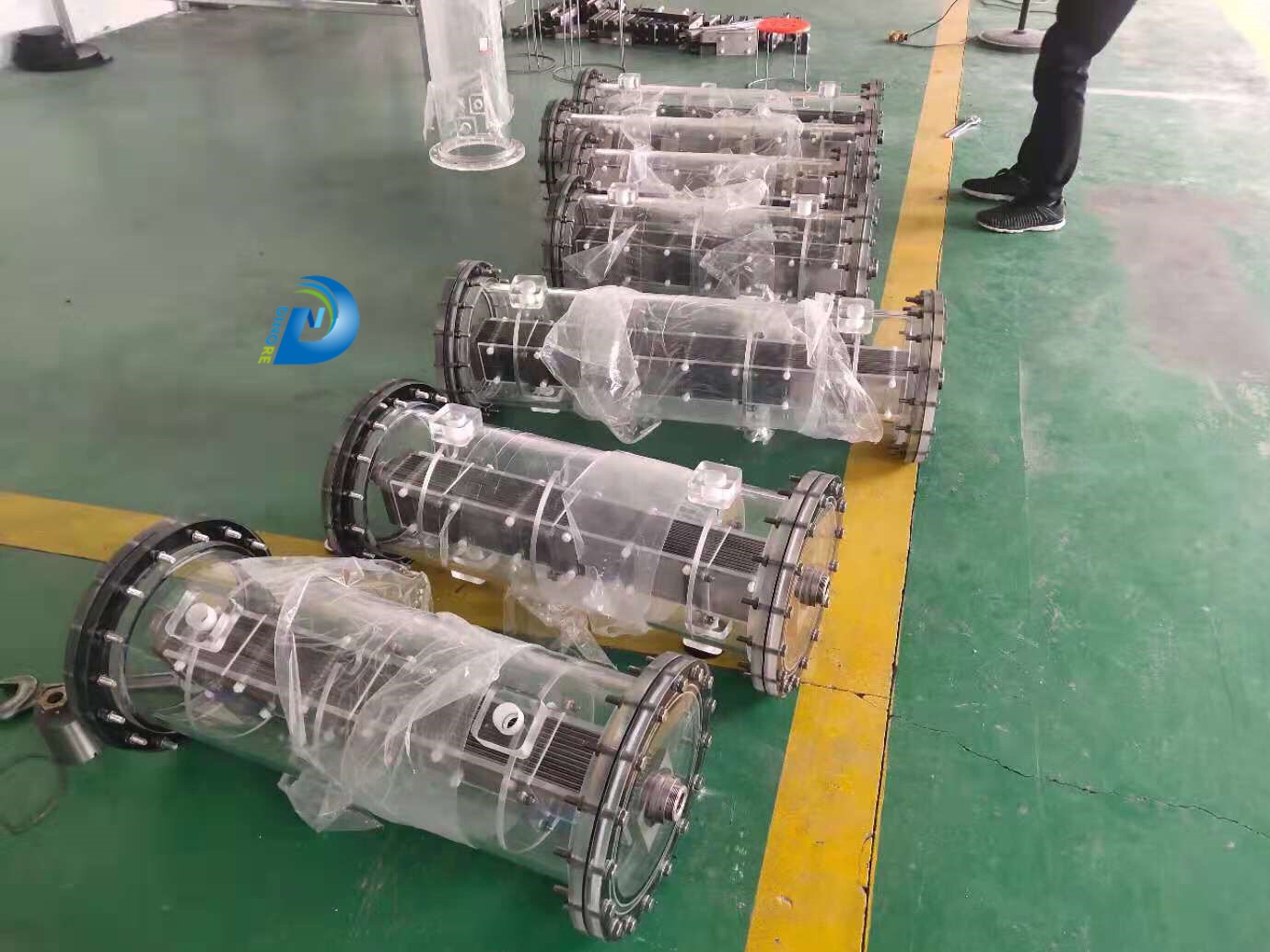
Choosing between a full titanium electrolyzer and separate MMO anodes relies on the size of the application, how hard it needs to work, and how much it costs all together. A titanium electrolyzer for electro-chlorination is usually the better fit for larger, continuously operating facilities because it arrives as a complete, integrated unit with matched electrodes, housing, and control logic already tuned to work together. That integration reduces the risk of mismatched components, simplifies installation, and often lowers the total cost of ownership over a multi-year service life. Standalone MMO anodes, by contrast, make more sense for smaller retrofits or when an existing cell body is still in good condition. The deciding factor is not just purchase price but the long-term cost of maintenance, downtime, and electrode replacement.
FAQ
What is the difference between a titanium electrolyzer and MMO anodes?
A titanium electrolyzer is a full cell assembly that includes flow control, electrodes, and a housing that is made to work together as a single unit. MMO anodes are the electrode parts themselves. They are made of a titanium base covered in mixed metal oxides. These can be used in either a custom or a general cell body. The electrolyzer controls the operating variables that affect how long the anode lasts. Controls for standalone anodes depend on how the cells around them are built.
How long do the electrodes in a titanium electrolyzer last?
In normal settings, with 2% to 5% saline, an input temperature of 5 to 15°C, and a working pressure of 0.2 MPa or less, the Tianyi TY-WL series' Ru-Ir coated electrodes are made to last more than 10,000 hours, which is more than five years of service. Acid descaling with 15–18% hydrochloric acid at regular times keeps the electrodes working well for as long as they are used.
Can a titanium electrolyzer operate in seawater directly?
Yes. The Tianyi WL series is designed to work in low-salinity seawater and normally does so at low temperatures. This means it can be used to treat marine ballast water, disinfect systems on offshore platforms, and full-strength seawater feed solutions for aquaculture along the coast.
What certifications are required for marine electro-chlorination systems?
Depending on the flag state of the ship, marine devices usually need permission from a reputable classification society like CCS, DNV, or Lloyd's Register. Before narrowing down the list of suppliers for shipboard or offshore platform applications, procurement teams should ask to see proof of certification.
Partner with Tianyi for Your Electro-Chlorination System Needs
Tianyi's TY-WL titanium electrolyzer for electro-chlorination has output ranges from 50 g/h to 2000 g/h. It comes with Ru-Ir nano-coating technology, can do full OEM/ODM, and has confirmed electrode recoating services available after the sale. As a reliable provider of titanium electrolyzers for electro chlorination, we work with city, marine, and commercial clients all over North America on FAT, SAT, and long-term service contracts. To get project price and details, please email our technical team at info@di-nol.com.
References
1.Journal of Applied Electrochemistry— Comninellis, C. & Vercesi, G.P. (1991). Characterization of DSA-type oxygen evolving electrodes: choice of a coating.
2.Electrochimica Acta— Trasatti, S. (2000). Electrocatalysis: understanding the success of DSA.
3.Water Research— Kraft, A. (2008). Electrochemical water disinfection: a short review.
4.Desalination— Cho, K. et al. (2014). Effects of anodic material on the generation of oxidants and by-products in seawater electrolysis.
5.Journal of Hazardous Materials— Martínez-Huitle, C.A. & Ferro, S. (2006). Electrochemical oxidation of organic pollutants for the wastewater treatment.
6.IMO MEPC.227(64)— International Maritime Organization (2012). Guidelines for approval of ballast water management systems.