




Top Titanium Anodes for PCB Etching Solution Systems in 2026
If you're sourcing a titanium anode for PCB etching solution systems in 2026, you're likely comparing specifications, evaluating suppliers, and building a case for your procurement team. This guide gives you a clear technical foundation and practical selection criteria. MMO-coated titanium anodes have become the preferred electrode material in PCB manufacturing lines because they deliver stable current distribution, resist acidic etchants, and last significantly longer than graphite alternatives—often exceeding 5 years under standard operating conditions.
Understanding Titanium Anodes in PCB Etching Solutions
How They Work in Etching Chemistry
When you etch a PCB, the anode is the last part of the electrochemical circuit. It takes the copper off the board's surface. The anode needs to stay the same size and current flow in acidic or basic cupric chloride or alkaline etching baths. Mixes of metal oxides (MMO), usually iridium-tantalum (Ir-Ta) or ruthenium-iridium (Ru-Ir), on titanium surfaces make it easy for oxygen to enter the solution without dissolving.
Copper Recovery Integration
Recovery of copper is a key function that is often overlooked in the early steps of studying to buy. After the etching fluid is gone, MMO-coated titanium anodes help get the copper back through electrolysis. This lets PCB factories get copper that is 99.9% pure or more from old CuCl₂ ponds. This closed-loop method gets rid of hazardous waste more cheaply while also getting something useful back. This means that the choice of anode is important for reasons other than how well the process works.
Why Titanium Outperforms Alternatives
As time goes on, graphite anodes wear away, adding carbon bits to the etching bath that make the trace less good. Gold-covered anodes work well, but they cost a lot more at first. Silver rusts in places where there is a lot of salt. Titanium with an MMO layer doesn't leave metal behind, keeps its shape under load, and can handle the frequent changes in pH that happen in busy etching lines. This makes it the best value for money for a 3–5 year working window.
Top Titanium Anode Materials and Specifications for PCB Etching in 2026
Core Material and Coating Options
Because it is pure and strong, titanium from ASTM B265 Grade 1 or Grade 2 is often used as the base for industrial-grade anodes such as the titanium anode for pcb etching solution. What happens with electricity is controlled by the MMO coating that is put on top of this base. When chlorine needs to be evolved, Ir-Ta coatings work best. In sulfuric acid systems, Ir-Ta coatings work best for oxygen evolution. This choice helps keep the voltage drop across the anode surface low while still letting a lot of current flow.
Key Specifications to Review
Engineers should make sure that any supplier can confirm the following things before they ask for a quote:
- Substrate grade: ASTM B265 Grade 1 or 2
- Coating type: Ru-Ir (for chloride environments) or Ir-Ta (for sulfate/oxygen evolution)
- Precious metal loading: expressed in g/m²; higher loading correlates with longer service life
- Operating current density: typically 100–500 A/m² for PCB etching applications
- Service life expectation: 5+ years under standard conditions with proper maintenance
- Dimensional tolerance: custom shapes (mesh, plate, rod) available to fit existing cell geometry
Maintenance Practices That Extend Service Life
Regularly checking the paint surface can help find passivation in its early stages. Do not run the anode at a higher current density than what it is rated for, as this will cause the coating to break down faster. TiO2 passivation is shown by a quick rise in cell voltage. Most of the time, the base can be cleaned and re-coated, which is much cheaper than buying a new one. If you keep the electrolyte concentration in the range suggested by the supplier, the coating stress will go down.
Selecting the Right Titanium Anode for Your PCB Etching Solution
Matching Anode Type to Your Process
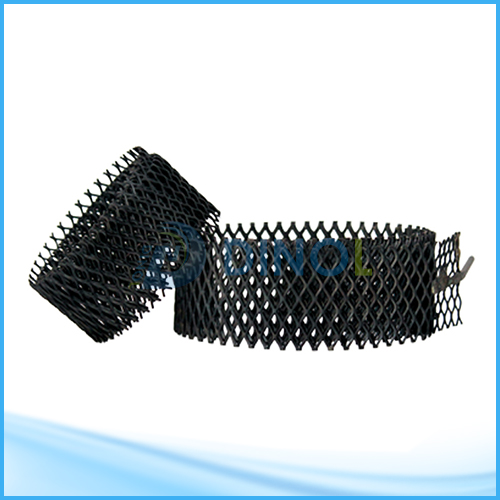
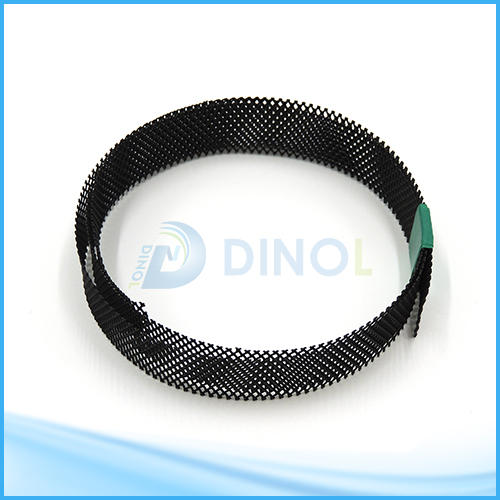
For each PCB etching line, a different set of chemicals are used. In vertical immersion tanks, the flow changes in a different way than in horizontal conveyorized etching systems. This changes the shape of the anode. More electrolyte can flow through a mesh or expanded metal anode than a solid plate.
This makes the current spread out better across the surface of the titanium anode for pcb etching solution. Tell the seller what kind of liquid your cell uses, how big it is, and how much power it can handle before you buy. This will help them come up with an idea that fits the shape.
Evaluating Suppliers: What to Ask
There are a lot of sellers in the titanium anode market, from small shops that trade to big factories that make everything themselves. You should ask any possible seller the following questions to make it less likely that you will buy something:
- Do you manufacture the anodes in-house, or source substrates externally?
- Can you provide coating thickness data and precious metal loading certificates?
- Do you offer sample testing before bulk orders?
- What is your lead time for custom dimensions?
- Is recoating service available, and at what cost?
Lifecycle Cost vs. Upfront Price
When the unit price of TiO2 anodes goes down, the total cost doesn't always go down as well. If the anode doesn't have enough valuable metal, it might need to be replaced every 18 to 24 months. But if the unit is made correctly, it should last at least 5 years.
When you get quotes, you should ask each one how long they think the titanium anode for pcb etching solution will last at the level you are using now. Then, you should figure out how much it will cost you every year. Over the course of 5 years, the more expensive anode ends up being the better choice for most PCB manufacturing situations.
Optimizing PCB Etching Performance with Titanium Anodes
Common Bottlenecks in Etching Lines
When PCBs are being etched, the three most common process issues are unequal copper removal, uneven trace width, and too much solution drag-out. All three are partly caused by current flow that isn't even at the anode surface. If the form of the anode doesn't match the design of the cell, current builds up around the edges. This causes some areas to over-etch and others to under-etch. You can fix this problem right away by picking an anode with the right active area size and a mesh shape that is all the same size.
Monitoring and Preventive Maintenance
By adding voltage tracking to the anode circuit, you can see right away if the coating is coming off or if there are issues with the connections. You know you need to check the anode surface if the cell voltage goes up but the current stays the same. Every three months, look for thickening, flaking, or other physical changes. This makes operation much more reliable. Even though they don't need as much care as graphite anodes, titanium anodes still need some. Planned repair and unexpected downtime are different when tracking is done ahead of time.
Trends Shaping Anode Technology in 2026
More strict rules about heavy metal discharge are being put in place in most manufacturing areas. This is speeding up the use of lead-free electrode materials. Carbon MMO anodes already meet these needs, which gives PCB plants an edge during environmental checks.
New ways of making coatings, like breaking down at smaller temperature ranges, make it easier for them to stay on surfaces longer and lower the chance of passivation. It will be less common for anodes finished with ways from the current generation to fail in the field during the next generation of products.
Conclusion
When you choose the right electrode material for a PCB etching line, such as the titanium anode for pcb etching solution, the process yield, the cost of running it, and the rules you have to follow can all change. Anodes made of MMO-coated titanium work better than those made of graphite or stainless steel.
This is especially true when bath contamination and dimensional stability are important. The total cost of ownership can be lowered while the quality of the etching stays high if the coating type is matched to the electrolyte chemistry, the right amount of valuable metals are loaded, and the maker provides full material records.
FAQ
How long does a titanium anode last in a PCB etching system?
Under standard operating conditions—current density within rated limits, correct electrolyte concentration, and routine inspection—a properly specified MMO-coated titanium anode typically lasts 5 years or more. Service life depends heavily on the precious metal loading and whether operating parameters remain within the manufacturer's recommended range.
What is the difference between Ru-Ir and Ir-Ta coatings?
Ru-Ir coatings are preferred for chloride-rich environments, such as acidic cupric chloride etching baths, because they support efficient chlorine evolution at low overpotential. Ir-Ta coatings perform better in oxygen-evolving systems and offer greater stability in sulfate-based electrolytes. Selecting the wrong coating for your chemistry shortens service life significantly.
Can titanium anodes be customized for existing cell dimensions?
Yes. Reputable manufacturers offer custom dimensions in mesh, plate, tube, and rod configurations. Sharing your cell drawings or dimensions during inquiry allows the manufacturer to recommend the correct active area and connection type.
What causes titanium passivation, and how is it fixed?
Passivation occurs when the titanium substrate forms an insulating oxide layer, typically due to coating failure or operating above rated current density. It shows up as a sudden voltage increase. The substrate can often be reactivated through chemical stripping and recoating, which is a standard service offered by specialized manufacturers.
Partner With Tianyi for Your Next Titanium Anode for PCB Etching Solution Order
It is called Tianyi New Material Titanium Anode Technology Co., Ltd., and it makes MMO-coated titanium anodes in styles like Ru-Ir, Ir-Ta, and platinum-coated. They can do both OEM and ODM work. All of the anodes that leave our building have written coating data and substrate certification on them. As a company that makes direct titanium anode for pcb etching solution, we let customers try samples before they place big orders. Send an email to info@di-nol.com or visit dsa-anodes.com with your needs to get a full data sheet and price.
References
1. Trasatti, S. — Electrochimica Acta, 2000. "The Absolute Electrode Potential: An Explanatory Note."
2. Comninellis, C. & Chen, G. (Eds.) — Electrochemistry for the Environment, Springer, 2010.
3. Xu, L. et al. — Journal of Hazardous Materials, 2012. "Electrochemical recovery of copper from PCB etching wastewater."
4. ASTM International — ASTM B265: Standard Specification for Titanium and Titanium Alloy Strip, Sheet, and Plate, 2020 edition.
5. Panizza, M. & Cerisola, G. — Chemical Reviews, 2009. "Direct and mediated anodic oxidation of organic pollutants."
6. IPC — IPC-2221B: Generic Standard on Printed Board Design, IPC Association Connecting Electronics Industries, 2012.