




Why Choose a Sodium Hypochlorite Electrolytic Cell for Water Plants?
Water treatment facilities across the United States face growing pressure to disinfect safely, reliably, and cost-effectively. A sodium hypochlorite electrolytic cell offers a direct answer to that pressure. Instead of storing and transporting hazardous liquid chlorine, plant operators generate fresh disinfectant on-site from salt and water. The result is a safer work environment, lower chemical logistics costs, and consistent disinfection quality. For municipal water plants, food processing facilities, marine vessels, and aquaculture operations, this technology has become a practical and proven choice worth serious consideration.
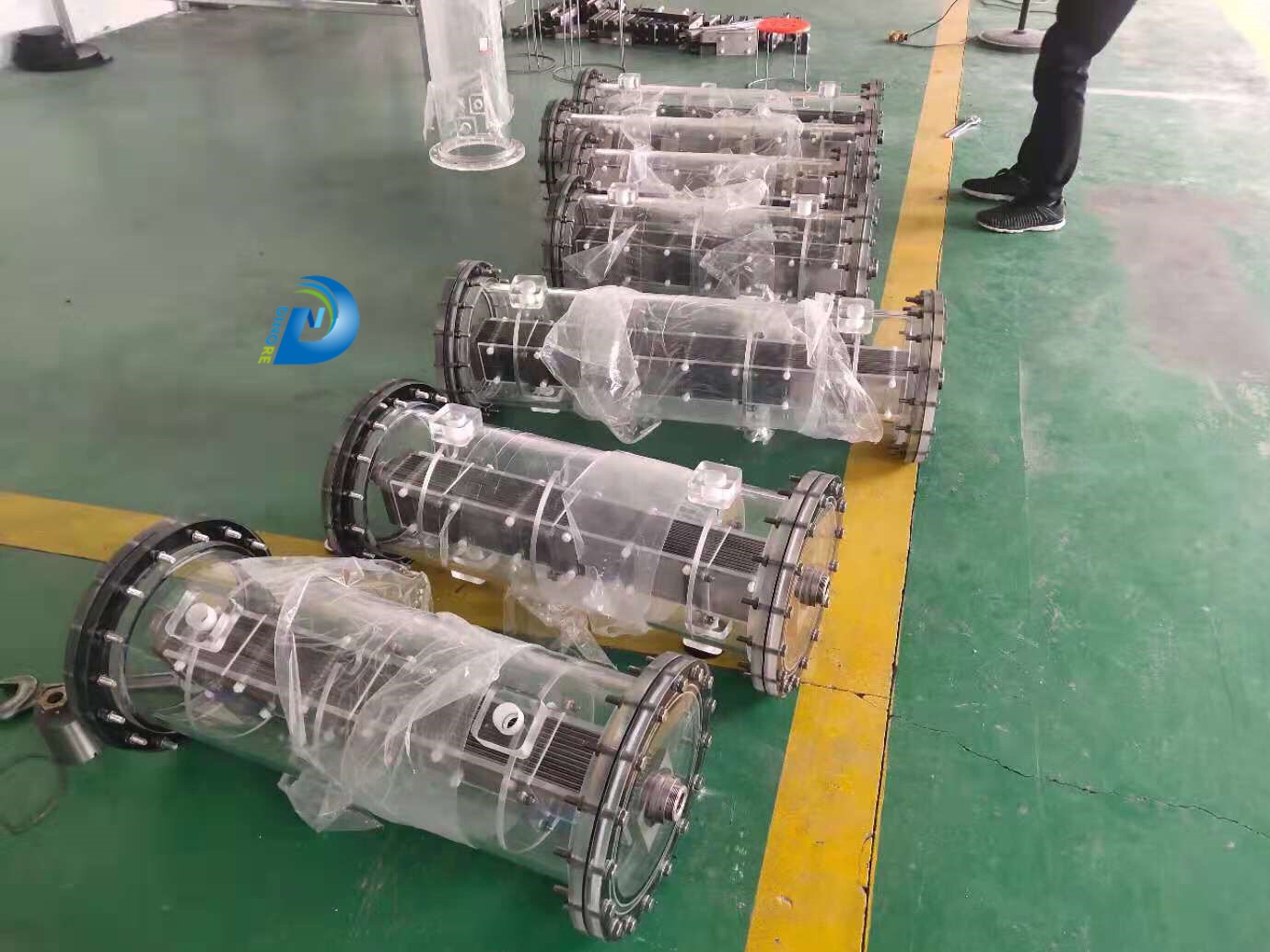
Understanding Sodium Hypochlorite Electrolytic Cells
How the Electrochemical Reaction Works
A weak salt solution (2% to 5% salty) flows through the cell with direct current. It is at the anode that chloride ions lose their electrons and turn into chlorine gas: 2Cl⁻ − 2e⁻ → Cl₂↑. Hydrogen gas is given off at the cathode: 2H⁺ + 2e⁺ → H₂↑. Sodium hypochlorite is made right away when chlorine mixes with water. In general, NaCl + H₂O → NaClO + H₂↑ happens. This process creates an ion called hypochlorite, which is just as good at killing pathogens as other chlorine-based products at oxidizing and cleaning.
Key Cell Components and Materials
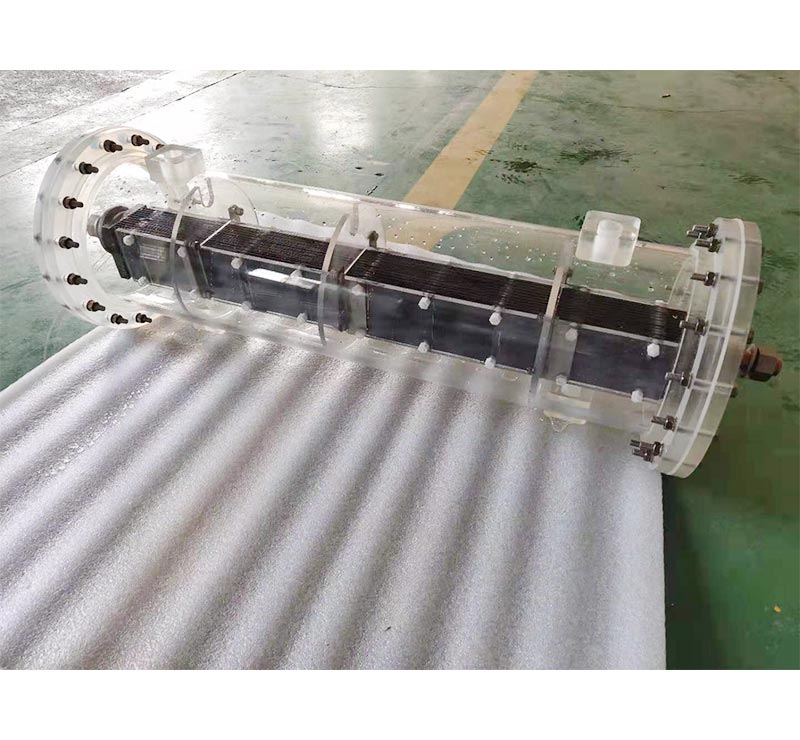
Shells made of PMMA/PVC and titanium electrodes covered with Mixed Metal Oxide (MMO)—specifically, a ruthenium-iridium nano-layer—make up the Tianyi TY-WL series. If you run this coating at a high current for a long time, it won't rust. It can also handle low-salinity seawater and water coming in at low temperatures (5–15°C). All nine models—from the small WL50B to the powerful WL2000B—keep the cell body at a working pressure of ≤0.2 MPa, making it a dependable sodium hypochlorite electrolytic cell for demanding water conditions.
On-Site Generation vs. Bulk Chemical Delivery
Making disinfection on-site cuts down on reliance on chemical supply lines. Facilities no longer have to keep track of chlorine cylinder inventories, get permits to transport dangerous materials, or keep up with secondary containment for bulk storage. The U.S. Environmental Protection Agency (EPA) says that on-site generation makes working with chemicals a lot safer for people who run water treatment plants. Fresh hypochlorite that is made every day also breaks down less than hypochlorite that has been kept, so the active chlorine amounts are higher at the dose point.
Core Factors to Consider When Selecting an Electrolytic Cell for Water Plants
Output Range and Model Selection
The right model for your plant will depend on how much disinfection it needs. There are nine types in the TY-WL line, and their chlorine outputs range from 50 g/h (WL50B) to 2000 g/h (WL2000B). To give you an idea, the WL500B runs at 120A and can handle 65–85 L/h, while the WL2000B runs at 460A±20% and can handle up to 400 L/h. To avoid both under-dosing and wasteful energy use, it is important to make sure that the current density and flow rate are right for the process volume.
Electrode Durability and Coating Life
Procurement managers often worry about how well electrodes will work in the long term. Under normal conditions, the Ru-Ir MMO nano-coating on Tianyi wires is expected to last at least five years. The shape of the cell is meant to cut down on stray current during electrolysis, which is a major reason why coatings wear out too quickly. The design of the device means that even if an electrode plate is briefly exposed to air, it can quickly and safely resume normal operation. This is especially useful during repair times.
Maintenance Protocols and Uptime Assurance
As part of regular maintenance, electrode surfaces should be washed with a 15–18% hydrochloric acid solution every so often to get rid of scale deposits. This is a simple process that can be done without taking the cell apart. The system can be used without being watched, so staff don't have to keep an eye on it all the time. When problems do happen, Tianyi offers on-site support for adjustments and re-coating services for electrode plates. This helps workers get back to working without having to replace the whole cell.
Comparing Electrolytic Generation With Alternative Solutions
Lifecycle Cost Comparison
Over a longer period of time, buying sodium hypochlorite in bulk from chemical suppliers usually costs more per unit of active chlorine than making it on-site. A study released in the Journal of Water and Health in 2021 found that making hypochlorite on-site cut the cost of buying chemicals by 30–50% for medium-sized city plants. The TY-WL line runs at low voltage (≤5V for WL50B and ≤40V for WL2000B), so the cost of electricity is proportional to output and there isn't too much extra work to do, making a sodium hypochlorite electrolytic cell a cost-effective long-term investment.
Membrane vs. Diaphragm Cell Designs
When it comes to drinking water, membrane cells are usually the best choice because they make a purer hypochlorite solution with fewer chlorate by-products. Diaphragm cells are easier to use and cost less, but they may need to be serviced more often. The TY-WL model has a single-chamber electrolytic design that works best with brine concentrations of 2% to 5%. It strikes a good balance between purity, energy use, and mechanical ease, which makes it a good choice for both public water and food-grade CIP applications.
Continuous vs. Batch Production
Continuous electrolysis devices, such as the TY-WL line, make hypochlorite at a steady rate that matches the demand at any given time. When batch systems make fixed volumes on a regular basis, storage can be lost over time as the solution gets worse. Continuous production makes it easier to control the concentration and waste less chemical output in water plants where daily demand changes.
Procurement Considerations for B2B Buyers
When purchasing managers look at a sodium hypochlorite electrolytic cell supplier, they should not only look at the price per unit. If you're choosing a vendor, these are the most important technical and business factors:
- Verified output range: Confirm the manufacturer can supply models spanning your current and future capacity needs. The TY-WL series covers 50–2000 g/h with clear current and voltage specifications for each model.
- Certifications for your application: Marine and ballast water applications require CCS or equivalent classification society approval. Food industry buyers should verify compliance with relevant sanitary equipment standards.
- Control cabinet compatibility: Non-standard control cabinets create long-term maintenance problems. Tianyi supplies matched power and control units for each cell model, simplifying spares management.
- After-sales support commitments: Ask for documented response times and evidence of completed projects in your sector. Reference installations in municipal water, shipboard disinfection, or food plant CIP are a strong indicator of application experience.
These things have a direct effect on your operational continuity and total cost of ownership. During the technical review step of a public tender, your bid risk is lower if the seller can show works that have already been done.
Future Outlook for On-Site Chlorine Generation Technology
Smarter Control and Remote Monitoring
More and more often, PLC-based control screens and remote tracking links are used with modern electrolytic systems. This lets plant managers see real-time output, change the current density, and get problem reports without having to be at the unit. This feature directly lowers labor costs and speeds up response time for big city plants that handle multiple dosing spots.
Advanced Coating Materials
As more research is done on platinum-group metal coatings, electrode longevity is pushed beyond what is currently considered normal. Accelerated aging tests have already shown that titanium substrates with iridium-tantalum or ruthenium-iridium MMO layers have longer service lives. As we learn more about materials, the difference between how much a coating costs and how well it works keeps getting smaller, which is good for operators.
Regulatory Drivers in the U.S. Market
The Disinfectants and Disinfection Byproducts Rule from the U.S. EPA and stricter state laws on storing chlorine gas are pushing water companies to find better on-site options. These changes in regulations are making it faster for electrolytic production technology to be used, especially in community water systems that serve less than 100,000 people.
Conclusion
It makes sense to switch from bulk chemical supply to on-site electrolytic generation because it saves money, makes the plant safer, and gives you control over your supply chain. The Tianyi TY-WL line has all the output ranges that water treatment plants, food makers, marine operators, and pool system managers need. This equipment addresses the specific issues that procurement teams and plant engineers care about the most, with a five-year electrode life guaranty, control systems that work with it, and installations that have been used in the field before, making it a proven sodium hypochlorite electrolytic cell solution.
FAQ
How often should I perform maintenance on an electrolytic cell?
Electrode surfaces should be acid-washed with 15–18% hydrochloric acid solution whenever scale buildup reduces output noticeably — typically every 1–3 months depending on inlet water hardness and operating hours. Regular inspection of inlet and outlet fittings is also recommended.
Can I adjust the sodium hypochlorite concentration the cell produces?
Yes. Output concentration is controlled by adjusting current density and brine flow rate. Within the 2%–5% saline input range, operators can tune the cell to meet specific dosing requirements for their application.
Is the TY-WL series suitable for seawater applications?
Yes. The electrode coating and cell materials are selected to function in low-salinity seawater and perform normally in inlet water temperatures as low as 5°C, making them compatible with marine and coastal aquaculture installations.
What certifications does the equipment carry?
Tianyi offers CE-certified models and can support CCS (China Classification Society) certification for marine applications. Buyers should confirm the specific certification requirements for their project during the inquiry stage.
What happens if an electrode plate needs replacement?
Tianyi provides original electrode plate re-coating services. This means operators can restore a worn electrode rather than purchasing an entirely new cell, significantly reducing long-term maintenance expenditure.
Get a Quote From Tianyi — Sodium Hypochlorite Electrolytic Cell Manufacturer
The TY-WL series is made by Tianyi and is used in water plants, boats, food processing plants, and pool systems. We have been making sodium hypochlorite electrolytic cells for a long time, and we stand behind every unit with a five-year promise for electrode life, a matched control cabinet supply, and quick technical support. To get specifications, prices, or a project consultation, email our team at info@di-nol.com.
References
1.World Health Organization. Guidelines for Drinking-water Quality, 4th Edition. WHO Press, 2017.
2.U.S. Environmental Protection Agency. Alternative Disinfectants and Oxidants Guidance Manual. EPA, 1999.
3.Kraft, A. "Electrochemical Water Disinfection: A Short Review." Platinum Metals Review, 2008.
4.Richardson, S. D., et al. "Disinfection Byproducts: The Next Generation." Environmental Science & Technology, 2007.
5.Bergmann, H., et al. "On-Site Production of Sodium Hypochlorite for Drinking Water Disinfection." Journal of Water and Health, 2021.
6.Tsutsu, N., & Okido, M. "Electrode Materials for Electrochemical Chlorine Production." Electrochimica Acta, 2003.