




Why Lead Dioxide Anodes Improve Zinc Electrowinning Efficiency
Zinc electrowinning is one of the most energy-intensive steps in hydrometallurgical zinc production. The anode you choose directly shapes your cell voltage, energy consumption, and final metal purity. A lead dioxide anode — specifically a titanium-substrate PbO₂ electrode — delivers a high oxygen evolution potential of 1.75 V, superior corrosion resistance in sulfuric acid media, and current efficiency between 93% and 95%. These figures translate into measurable cost savings and longer production runs compared with conventional graphite or lead-alloy alternatives.
Assessing Current Zinc Electrowinning Performance and Identifying Bottlenecks
The Energy Cost Problem
Electrowinning zinc usually needs between 3,500 and 3,000 kWh per metric ton of zinc made. A lot of that energy is wasted at the anode because the electrode kinetics aren't good enough, so operators have to run the cell voltages higher than they should be. By lowering cell voltage by just 5%, which PbO₂ anodes can do, huge amounts of money can be saved on an industrial level.
Anode Degradation Shortens Campaign Life
In a weak sulfuric acid electrolyte, traditional lead-alloy anodes corrode over time. This releases lead ions that contaminate the zinc deposit and need extra steps to clean them up. Graphite anodes break down mechanically, which makes carbon fines that lower the quality of the deposit even more. Both types of failure cause unplanned shutdowns and raise the cost of labor for maintenance.
How Anode Choice Affects Zinc Purity
Products of anode breakdown get into the electrolyte and settle with zinc, which lowers the purity grades. Special High Grade (SHG) zinc that is very pure sells for more, so any contamination in the anode cuts straight into profits. So, picking a lead dioxide anode that stays chemically and physically stable under constant anodic polarization is not only an engineering choice, but also a financial one.
Understanding Lead Dioxide Anodes: Properties and Working Principles
Crystal Structure and Electrochemical Character
The active layer is made up of β-PbO₂, which is an anodically electrodeposited phase with metallic-level conductivity (resistivity 10⁻⁴ to 10⁻⁵ Ω·cm) and a lattice that doesn't have enough oxygen. First, an α-PbO₂ sublayer is deposited in an alkaline environment. This acts as a glue between the titanium substrate and the outer β phase, lowering the stress inside the coating and making it last longer.
The Interlayer System That Prevents Substrate Passivation
Under anodic conditions, the titanium substrate by itself would make a TiO₂ film that is not conductive. This would stop conductivity within hours. A tin-antimony oxide (SnO₂-Sb₂O₃) interlayer is put on before the PbO₂ electrodeposition. This stops the electrolyte from getting to the titanium surface and keeps the interfacial resistance low for the whole time the anode is working.
Why the Oxygen Evolution Potential Matters in Zinc Electrowinning?
PbO₂ has a much higher oxygen evolution potential than platinum-group oxide anodes, at 1.75 V vs. SCE. In a zinc sulfate electrolyte, this higher overpotential stops competing side reactions, sends more current to the cathode for useful zinc deposition, and keeps current efficiency between 93% and 95%, as shown by studies that have been studied by experts in the field. This is a key performance advantage of a lead dioxide anode in zinc electrowinning.
Optimization Techniques: How Lead Dioxide Anodes Boost Electrowinning Efficiency
The three main problems listed above can be fixed by switching from traditional lead-alloy anodes to titanium-based PbO₂ electrodes. Here are the main efficiency gains that workers say they see:
- Cell voltage reduction of 5%–8%: The lower ohmic resistance of the β-PbO₂ coating compared with corroded lead-alloy surfaces means the rectifier delivers more net work per amp. Advanced variants with nanoparticle doping (e.g., CeO₂ or carbon nanotubes) have achieved an additional 0.3 V reduction in cell voltage in laboratory-to-pilot trials.
- Service life 1.5–2× longer than solid lead anodes: The titanium mesh substrate forms a mechanically strong bond with the electrodeposited layer, preventing deformation under high current density. The mesh geometry also reduces electrolyte flow resistance and prevents localized overheating.
- Coating adhesion improved by up to 30%: Gradient coating structures — patented by several advanced manufacturers — transition gradually from α-PbO₂ at the interface to dense β-PbO₂ at the surface, distributing thermal expansion stress across the coating thickness instead of concentrating it at one boundary.
The total cost of ownership goes down over the course of a production campaign because of these gains. Based on data from electrode manufacturers' accelerated life tests, operators of continuous zinc electrowinning cells say that planned maintenance intervals range from about 18 months for lead-alloy anodes to 30–36 months for well-manufactured Ti/PbO₂ electrodes.
Controlling the decay of the anode also improves the quality of the zinc coating. Less metal gets into the electrolyte, which lowers the number of electrolyte purge cycles and lowers the cost of the reagents in the bleed-and-feed circuit.
Comparative Analysis: Lead Dioxide Anodes Versus Other Anode Types
When engineers look at anode changes, they need clear facts, not broad statements. The main differences between the most common choices are shown below in a table:
- Graphite anodes: Low upfront cost, but they oxidize progressively in acidic oxygen-evolving environments. Carbon fines contaminate the electrolyte, and mechanical strength decreases over time, leading to anode collapse and unplanned downtime.
- Lead-alloy anodes (Pb-Ag, Pb-Ca): Industry-standard for decades, but their corrosion rate in H₂SO₄ produces Pb²⁺ ions that contaminate zinc deposits and violate discharge limits for spent electrolyte in many jurisdictions.
- Platinum-coated titanium anodes: Electrochemically excellent, but platinum spot prices make these anodes economically prohibitive for most zinc refinery budgets. A Ti/PbO₂ electrode costs 30%–50% less than a platinized titanium equivalent while outperforming it in oxygen-evolving sulfuric acid service.
- MMO (Mixed Metal Oxide) ruthenium-iridium anodes: Well-suited for chlorine-evolving systems, but their oxygen evolution overpotential is lower than that of PbO₂, making them less effective for driving the oxidative reactions needed in zinc electrowinning.
Ti/PbO₂ can be used for more than just zinc. The same electrode family is used for electrolytic COD removal, chlorate synthesis, and H₂O production. This gives purchasing teams more options when the same source works with more than one plant application.
Procurement Insights: Selecting and Sourcing the Best Lead Dioxide Anodes
Quality Certifications and Material Specifications
Ask any possible lead dioxide anode maker for proof of coating adhesion, rapid life-test results in the liquid you want to use, and approval of the base material (ASTM B265 Grade 1 or 2 titanium). A reliable supplier will also check the Sb content in the SnO₂-Sb interlayer. This is because too much antimony breaks up the lattice order and lowers conductivity. This is one of the things that sets technically rigorous producers apart from commodity suppliers.
Customization, Shape, and Delivery Lead Time
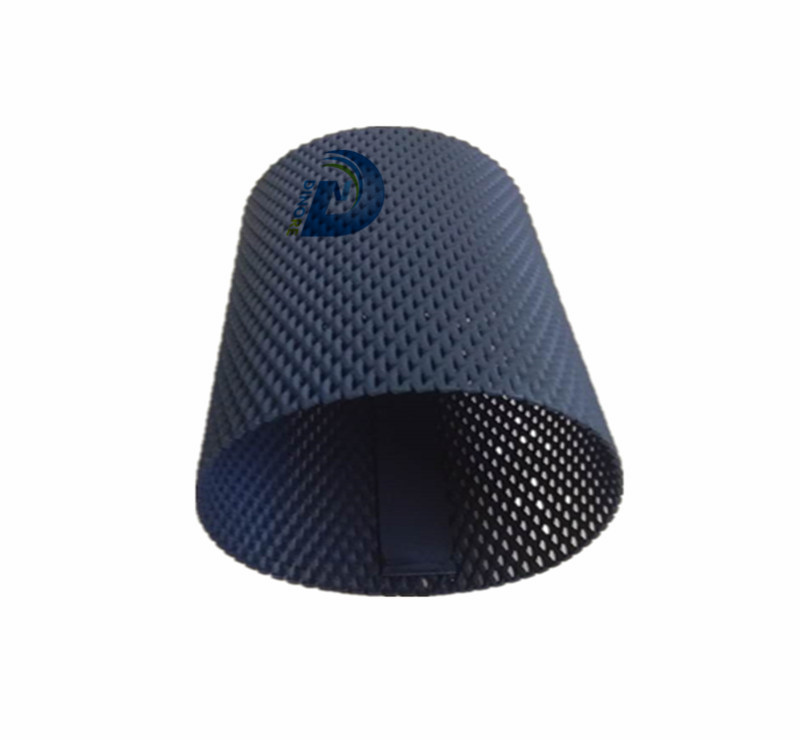
There are a lot of different ways to set up zinc electrowinning cells. Make sure the supplier can make plate, mesh, or tube shapes based on your cell drawings. Standard arrival times for special sizes are 30 to 60 days after the order is confirmed. Before placing a full campaign order, ask for a pilot-scale example, which usually includes one to four anodes. Also, make sure that the seller can recoat used titanium substrates, which can cut long-term capital costs by 30% to 50%.
After-Sales Support and Compliance
There is a good reason to be worried about secondary lead contamination of the zinc product. Reliable Ti/PbO₂ providers will give you written data on how much PbO₂ is leaching under your working conditions and help you set up ways to watch the electrolyte. Check to see if the manufacturer offers quick technical support for problems that happen in the field, and see if they have supplied anodes to zinc or hydrometallurgical operations that are similar to yours.
Conclusion
Titanium-substrate PbO₂ anodes make it easy for zinc electrowinning operations to save money on energy, run anode campaigns longer, and get more pure zinc deposits. Current efficiencies between 93% and 95%, cell voltage drops of 5% to 8%, and service lives 1.5 to 2 times longer than lead-alloy anodes are not just guesses; they are based on real-world performance in industrial settings. This electrode type is one of the most cost-effective ones available to hydrometallurgical engineers today. It has a physically stable titanium mesh core, an interlayer that stops passivation, and a surface layer made of high-overpotential β-PbO₂, all of which make a lead dioxide anode a strong choice for modern zinc electrowinning.
FAQ
What electrolyte concentration is suitable for Ti/PbO₂ anodes in zinc electrowinning?
Ti/PbO anodes work well in zinc electrowinning electrolytes that have 150–200 g/L H₂SO₄ and 50–60 g/L Zn²⁺ and are heated to 35–45°C. The current level is generally kept between 500 and 700 A/m².
Does the PbO₂ coating release lead ions into the zinc product?
The PbO₂ coating is not easily dissolved like solid lead-alloy anodes. Under normal working settings, there isn't much Pb⁺ leaching. It is still a good idea to check the levels of the electrolyte Pb⁺ on a regular basis.
Can a worn titanium substrate be recoated?
Yes. You can sandblast, pickle, and recoat the titanium base with a new binder and PbO₂ layer, which will protect your initial investment and greatly reduce the cost of replacement.
What is the expected service life?
A well-made Ti/PbO₂ anode lasts 1.5–2 times longer than a regular lead-alloy anode in normal zinc electrowinning conditions. Some installations have reported 30–36 months of constant service before they need to be recoated.
Are fluoride ions in the electrolyte a problem?
In places with a lot of fluoride, standard PbO coats wear off more quickly. If the amount of fluoride in your electrolyte is more than 200 parts per million, talk to your supplier about doped or polymer-composite coating options before you place your order.
Get a Custom Lead Dioxide Anode Quote from Tianyi
Shaanxi Tianyi New Material Titanium Anode Technology Co., Ltd. makes Ti/PbO electrodes in plate, mesh, and tubular shapes, and they can be fully customized to fit your cell drawings. Tianyi has been making lead dioxide anodes for a long time and can back up every order with expert support, life-test data that is written down, and base recoating services. You can email our engineering team at info@di-nol.comto get pricing and specifications for your zinc electrowinning project.
References
1.Feng, Y. J., & Li, X. Y. (2003). Electro-catalytic oxidation of phenol on several metal-oxide electrodes in aqueous solution. Water Research, 37(10), 2399–2407.
2.Comninellis, C., & Vercesi, G. P. (1991). Characterization of DSA-type oxygen evolving electrodes: choice of a coating. Journal of Applied Electrochemistry, 21(4), 335–345.
3.Amadelli, R., Armelao, L., Velichenko, A. B., Nikolenko, N. V., Girenko, D. V., Kovalyov, S. V., & Danilov, F. I. (1999). Oxygen and ozone evolution at fluoride modified lead dioxide electrodes. Electrochimica Acta, 45(4–5), 713–720.
4.Velichenko, A. B., & Devilliers, D. (2007). Electrodeposition of fluorine-doped lead dioxide. Journal of Fluorine Chemistry, 128(4), 269–276.
5.Trasatti, S. (2000). Electrocatalysis: understanding the success of DSA. Electrochimica Acta, 45(15–16), 2377–2385.
6.Pletcher, D., & Walsh, F. C. (1993). Industrial Electrochemistry(2nd ed.). Springer.