




What Are the Applications of MMO Coated Titanium Electrodes?
MMO coated titanium anodes for cathodic protection represent a breakthrough in corrosion prevention technology, combining high-purity titanium substrates with Mixed Metal Oxide coatings to deliver exceptional performance across demanding industrial environments. These dimensionally stable anodes excel in Impressed Current Cathodic Protection (ICCP) systems, protecting critical infrastructure from electrochemical degradation in seawater, soil, and aggressive chemical conditions.
From offshore oil platforms and marine vessels to underground pipelines and water treatment facilities, these advanced electrodes address the longstanding challenge of maintaining asset integrity while minimizing maintenance costs and environmental impact. Their superior conductivity, extended operational lifespan, and resistance to chloride-rich environments make them indispensable for procurement professionals and engineers seeking reliable, cost-effective solutions for corrosion control in energy, manufacturing, and maritime sectors.

Understanding MMO Coated Titanium Electrodes
Composition and Manufacturing Process
Our MMO-coated titanium electrodes are made from commercially pure titanium plates that meet the requirements of ASTM B265 Grade 1 or Grade 2. During the coating process, precise thermal decomposition methods are used to bond valuable metal oxides, such as ruthenium-iridium (Ru-Ir MMO) or iridium-tantalum (Ir-Ta MMO), to the titanium base. This special way of making things makes a surface that is catalytically active and keeps its shape even when DC polarization is present all the time, which is very important for cathodic protection uses.
The covering can be made to be single- or double-sided, based on how the current needs to be distributed and how it is installed. Different shapes, like mesh, ribbon, disk, and plate formats, can be used with different mounting situations and system layouts. Each batch of products is put through a lot of quality control tests to make sure the coating is the same thickness all over, sticks well, and meets the standards for electrochemical performance.
Electrochemical Principles Behind Corrosion Prevention
These anodes work well because they can keep the anodic processes constant while also spreading the protective current evenly across the structures they guard. When electricity moves from the MMO anode to the cathode (protected metal) through the liquid, it stops the oxidation processes that cause corrosion. The Mixed Metal Oxide coating effectively speeds up oxygen evolution reactions, which stops the fast consumption seen in sacrificial anode systems and the dimensional instability that happens with traditional graphite or high-silicon cast iron options.
Environmental Suitability and Coating Variants
Different types of coatings are used to deal with different environmental problems. In chloride-rich marine environments and brackish groundwater applications, ruthenium-iridium coatings work very well. Iridium-tantalum types work best in acidic soil and high-temperature industrial processes where chemical protection is very important. This flexibility lets procurement teams choose electrode configurations that are perfectly matched to operational factors. This makes sure that the current efficiency is at its best and the service life is extended no matter what the deployment conditions are.
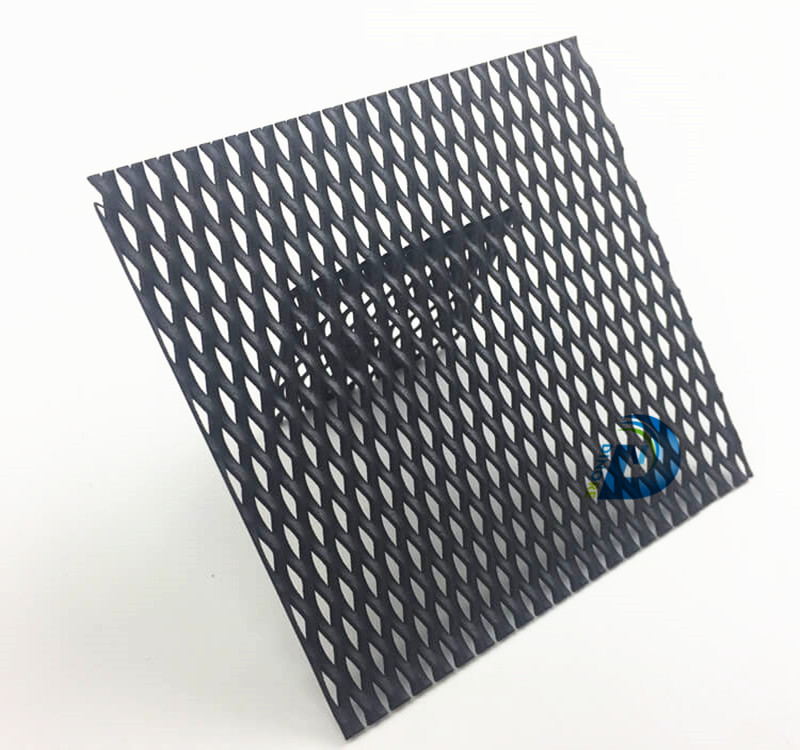
Primary Applications of MMO Coated Titanium Electrodes
Marine and Offshore Infrastructure Protection
ICCP systems with these advanced anodes are very important to the maritime industry because they protect offshore platforms, jetties, ship hulls, and subsea pipelines from saltwater corrosion. Anodes are usually attached to titanium conductor bars by welding them together or using bolts and clamps that can handle wave action and current forces.
MMO technology has very low consumption rates, which directly leads to shorter maintenance intervals and lower lifecycle costs. These are important factors to consider for assets that are located in dangerous or remote marine environments where getting service is hard and costs a lot.MMO coated titanium anodes for cathodic protectionare particularly well-suited to such conditions, as their durability further reduces the need for frequent replacements, reinforcing the economic and operational advantages noted above.
These electrodes are being used more and more in shipboard ICCP systems to protect the hull because they are small, made of lightweight titanium, and can keep protecting well even after many years of use. Zinc or aluminum sacrificial anodes need to be replaced often, but MMO systems that are properly built provide constant defense with little downtime.
Pipeline and Underground Structure Corrosion Control
Deep groundbed sites are needed for cross-country oil and gas pipes because MMO anodes offer high current flow from small footprints. Because some types of soil have a high resistivity, anodes need to be able to keep their polarization efficiency even in tough electrical environments. Ribbon and tube designs that are made to order can be installed vertically in drilled groundbeds. This improves the flow of current along large pipeline networks while reducing the impact on the environment and land use.
Storage tank farms, underground utility conduits, and reinforced concrete foundations all use shallow distributed anode beds with mesh and ribbon shapes that can adapt to rough surfaces. The ability of MMO coatings to fight rust and work at high temperatures means that they will always work well, even if the soil chemistry changes, the amount of water in the air changes with the seasons, or there is stray current interference in an industrial area.
Industrial Electrochemical Processes
In addition to cathodic protection, these electrodes play important roles in plants that make chlor-alkali, electroplate, and water purification systems that use electrochemical chlorine generation. The MMO coating's catalytic properties make it possible for municipal water treatment plants and industrial cooling towers to make hypochlorite quickly. Because they don't change size when they're running all the time, they don't get contaminated like consumable anode materials do. This gives you the process reliability you need for controlled water quality uses.
Electrolytic metal recovery processes, such as processing copper and aluminum, benefit from these anodes' ability to spread current evenly and not react chemically. Customizing sizes, shapes, and coatings makes it possible to add them to existing electrolytic cell designs without making major changes to the infrastructure. This makes it easier to improve technology that uses less energy and makes better products.
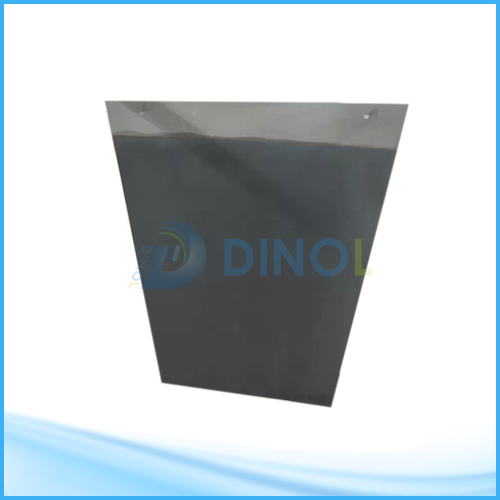
Comparing MMO Coated Titanium Electrodes with Alternative Anodes
Performance Metrics Versus Traditional Solutions
When procurement managers look at different anode technologies, they have to weigh the initial capital investment against the total cost of ownership over the lifecycle of the protection system. Zinc and magnesium sacrificial anodes have lower initial costs, but they need to be replaced often because they are constantly being used up. This means that work costs and waste costs are always there. Graphite anodes have weak mechanical properties and gas blinding effects that lower current output over time. This means that installations need to be bigger than needed to keep protection levels high enough.
For a decent amount of time, high-silicon cast iron anodes work, but they are hard to move and install because they are so heavy and fragile. Lead-silver alloys work very well, but they raise concerns about lead contamination, especially in sensitive ecological areas and places where drinking water is used.
These problems are completely fixed by MMO coated titanium technology. The titanium base has a great strength-to-weight ratio, which makes transportation easier and cuts down on installation work. When consumption rates are measured in micrograms per ampere-year, operating lifespans are greater than 20 years under normal conditions. This means that there is no need for replacement processes that stop production and cost money to move around. Compared to less efficient anode materials, those with current efficiencies close to 100% use less power and need less rectifier capacity.
Cost Analysis and Long-Term Value
Even though MMO anodes cost more per unit than sacrificial alternatives, a full lifecycle analysis always shows that they are a better investment. Less frequent maintenance means lower operational costs, especially for installations that are far away and where access costs make up a big part of total costs.
MMO coated titanium anodes for cathodic protectiondirectly support this advantage by offering exceptional durability and stability, which further extends replacement cycles in remote offshore settings. Getting rid of the need to dispose of depleted anodes is a response to rising legal pressures related to industry waste streams and environmental compliance.
Improvements in energy efficiency due to better electrolytic performance add up to big saves over many years of use. For big projects with many offshore buildings or large pipeline networks, the long-term benefits of MMO technology make the higher starting costs worth it by lowering the total cost of the defense system and making assets more reliable.
Installation, Maintenance, and Lifespan Insights
Best Practices for Optimal Deployment
An accurate system design that includes earth resistivity surveys, structure geometry analysis, and current demand estimates is the first step to a successful MMO anode placement. It's important to make sure the electrical connections are correct. Welding to titanium conductor bars creates low-resistance joints that keep the purity of the current distribution throughout the life of the safety system. Bolted connections with hardware that doesn't rust allow for freedom in setups that need to be adjusted or inspected from time to time.
When figuring out the anode spacing, you have to think about how the current flows and how it might be affected by nearby structures or stray current sources. Not enough space between the pieces leaves areas vulnerable to corrosion that can't be stopped, and too much density wastes resources without providing any real benefit. Specialized design tools and skilled engineering support help find the best combinations that balance how well safety works with how much it costs.
By avoiding common startup mistakes, you can keep your system from failing too soon. When coatings are damaged by rough handling or bad storage, they lose their electrochemical performance and substrate corrosion speeds up. When installing on a groundbed, not compacting the backfill enough raises the circuit resistance and lowers the current output. Cable terminations that aren't waterproofed properly create weak spots that need expensive repairs.
Maintenance Protocols and Performance Monitoring
Electrical continuity tests, potential studies to make sure there are enough polarization levels, and a visual check of the exposed anode surfaces should all be part of regular inspection plans. Monitoring once a year gives standard performance data that lets you look at trends and see how defense is slowly losing its effectiveness. Rectifier output changes are made to account for changing weather conditions and changing current needs as buildings that protect people get older.
Some early warning signs of anode degradation are coating delamination that can be seen as discoloration or surface roughening, current flow going down even though voltage input stays the same, and protective potential readings showing that there isn't enough polarization. Taking care of these signs right away with targeted fixes or extra anode installations stops protected assets from breaking down faster and stops emergency mobilizations that raise the cost of involvement.
Environmental factors have a big effect on how long something works. Marine installations in warm tropical waters age in a different way than installations in cold freshwater. In industrial settings where acids or bases are present, coatings need to be specially made to be resistant to chemicals.
MMO coated titanium anodes for cathodic protectionare particularly advantageous in such demanding environments, as their stable oxide coating provides excellent resistance to both chemical attack and fouling, thereby enhancing long-term reliability. When systems are properly specified, they usually last between 20 and 30 years. However, installations that are used in harsh conditions may need more conservative design assumptions and faster replacement planning.
Procurement Insights: Sourcing MMO Coated Titanium Anodes
Identifying Qualified Manufacturers and Suppliers
When buying things, companies that have proven professional skills, quality management systems, and industry certifications should be given more weight. An ISO 9001 certification shows that quality control procedures have been established, while a NACE certification shows that the holder has specialized knowledge in corrosion engineering. When evaluating a supplier, it's important to look at what the production plant can do, such as thermal coating equipment, quality testing labs, and measurement checking systems that make sure the specifications are met.
Experience working with similar projects in your industry can tell you a lot about a supplier's skills. References from current customers who use similar safety systems attest to their dependability and quickness of expert help. Assessments of manufacturing capacity make sure that companies can meet large orders within the time frames needed for delivery without lowering quality standards or delaying projects.
Customization makes the difference between suppliers who can deliver optimized solutions and those who sell standard products. For complicated projects with odd shapes, special coatings, or combined system designs, you need manufacturing partners who can help with planning and offer flexible production options. During the supplier qualification process, in-depth scientific talks show how much the supplier knows about electrochemistry and how they can work together to solve problems, which is very helpful during the procurement and implementation stages.
Evaluating Total Value Beyond Unit Price
Competitive pricing is still important, but buying things based only on the lowest unit cost doesn't always lead to the best results. Established makers charge slightly higher prices because they offer warranties that protect against coating failure or production flaws that happen before they're supposed to. Technical support after the sale, such as help with installation, performance issues, and design optimization, adds real value that lowers project risk and makes the system work better.
Dependability in delivery has a direct effect on construction costs and project schedules. When suppliers keep enough product on hand and consistently deliver on time, they avoid costly delays that happen throughout combined project timelines. Flexible buying plans that allow for staged deliveries that are timed to match the progress of the building project minimize the need for working capital and make sure that materials are available when they are needed for installation.
Long-term supply agreements and bulk buying plans use volume promises to set prices that are good for both parties. Framework contracts with agreed-upon terms make it easier to buy things again and again, cutting down on routine work and speeding up the order delivery process. Because of these connections, sellers can guess how demand will change and plan their production more efficiently. This leads to better service and maybe even lower costs for everyone through negotiated price.
Conclusion
Modern cathodic protection technique is better with MMO-coated titanium electrodes. They provide the finest performance, durability, and value in many industrial environments. Their superior corrosion resistance, form stability, and electrochemical efficiency eliminate fundamental issues that have hindered current anode technologies for decades.MMO coated titanium anodes for cathodic protectionexemplify this advancement, offering a proven solution that balances high initial quality with exceptional long-term reliability across diverse applications.
Engineering and procurement experts who wish to maintain assets in the best manner while keeping costs low during their lifetime can use these high-tech materials for water treatment, pipeline, marine, and industrial infrastructure expenditures. To implement successfully, you must carefully choose suppliers, design the system effectively, and follow quality standards throughout planning, purchasing, and installation. This technology will reduce maintenance costs, extend asset lifespans, and improve operations, giving companies a competitive advantage and superior financial performance.
FAQ
What advantages do MMO coatings provide compared to traditional anode materials?
Compared to disposable anodes, which need to be replaced every few years, MMO-coated titanium anodes have much longer service lives—often over 20 years. Their current efficiency is very close to 100%, which means they use very little power and have low operating costs. The lightweight titanium construction makes it easier to handle and install, and the dimensionally stable coating keeps performance from dropping over time due to wear and tear. Environmental compliance is easy because the neutral materials don't pose the same health risks as lead-based options.
Can MMO anodes be customized for specific industrial requirements?
Customization is one of the best things about MMO technology. Different coating mixtures can be made to work in different environments, such as those that are acidic or alkaline, freshwater or saltwater, or high-temperature situations. Different construction needs can be met by geometric shapes like mesh, ribbon, tubular, and plate forms. Dimensions like length, width, thickness, and diameter can be changed to fit the needs of the current distribution system and the available space in the design of the protection system.
What inspection intervals and maintenance procedures do MMO anode systems require?
Monitoring the electrical performance once a year with potential surveys and measurements of current output is enough for most installations. Protective potential tests should be done at the same time as visual checks to see how well the coating is sticking and how the electrical connections are working. Rectifier systems that provide impressed current must be checked every three months to make sure they are producing the right voltage and amperage. During the initial commissioning time or after environmental changes that could affect system performance, it may be best to do more frequent tracking.
Partner with Tianyi for Advanced MMO Coated Titanium Anode Solutions
The Shaanxi Tianyi New Material Titanium Anode Technology offers complete cathodic protection solutions backed by a wealth of electrochemical engineering knowledge and cutting-edge manufacturing skills. Our premium ruthenium-iridium and iridium-tantalum coatings are applied to high-purity titanium substrates to make our Mmo coated titanium anodes for cathodic protection. This gives your critical infrastructure the best performance and longest life.
As a manufacturer of mmo coated titanium anodes for cathodic protection with a lot of experience, we can make geometries, coating formulations, and system designs that are exactly what you need for your operations, whether you're protecting offshore platforms, pipeline networks, or industrial electrochemical processes. Our OEM/ODM skills and strict quality control systems make sure that our products always meet world standards for quality.
Talk to our technical team at info@di-nol.com about your cathodic protection problems and find out how our advanced anode technology can help you save money on maintenance costs and get more use out of your assets. Visit dsa-anodes.com to see our full catalog of products and get access to tech tools that will help you make smart purchasing choices.
References
1. NACE International. (2019). Impressed Current Cathodic Protection Systems Using Mixed Metal Oxide Anodes. Houston: NACE International.
2. Corrosion Journal. (2020). "Electrochemical Performance of MMO Coated Titanium Anodes in Marine Environments." Corrosion Science and Technology, 19(3), 145-158.
3. Offshore Technology Conference. (2021). Advanced Cathodic Protection Technologies for Subsea Infrastructure. Houston: OTC Proceedings.
4. NACE Corrosion Conference. (2018). "Comparative Life Cycle Analysis of Impressed Current Anode Materials." NACE Corrosion Conference Papers.
5. Materials Performance Magazine. (2022). "Service Life Prediction for MMO Anodes in Cathodic Protection Applications." Materials Performance, 61(8), 32-39.
6. American Water Works Association. (2021). Cathodic Protection for Water and Wastewater Systems. Denver: AWWA Publications.