




Why Copper Foil Plants Choose Ir-Ta MMO Anodes
When purchasing managers and process engineers search for reliable anode solutions for electrolytic copper foil production, they consistently arrive at the same conclusion: Ir-Ta Titanium Anode for Electrolytic Copper Foil delivers unmatched performance and cost-efficiency. This technology addresses critical production challenges including electrode spacing instability, inconsistent foil thickness, and excessive energy consumption.
Modern copper foil plants demand anodes that maintain dimensional stability under aggressive sulfuric acid environments while operating continuously at current densities between 5000–8000 A/m². The combination of iridium and tantalum oxides on a high-purity titanium substrate creates an electrochemical interface that extends service life beyond eight months, reduces operational costs, and meets stringent environmental compliance standards required in the new energy and electronics sectors.
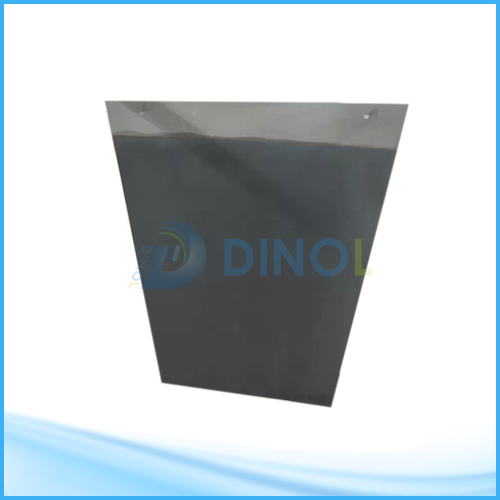
Understanding Ir-Ta Titanium MMO Anodes and Their Role in Copper Foil Production
To make electrolytic copper foil, precise electrochemical reactions are needed. At the anode surface, oxygen is evolved while copper ions move from the electrolyte solution to the cathode drum. The anode material has a direct effect on how well the foil is made, how much it costs to run, and how efficient the production is. In older systems, lead-based alloy anodes and stainless steel electrodes were used. However, these materials had a lot of problems, such as contaminating the solution, changing shape when high current loads were applied, and releasing heavy metals into the environment, which could be harmful.
The Evolution from Lead Anodes to MMO Technology
When mixed metal oxide covered titanium anodes were introduced, they changed the copper foil business in a big way. These dimensionally stable anodes (DSA) keep the electrode spacing the same over long production runs. This gets rid of the problems with warping and dissolving that plagued older technologies. The titanium substrate gives it strength and protection against corrosion, and the MMO coating makes oxygen evolution easier while keeping the overpotential as low as possible.
Composition and Structure of Ir-Ta Coated Anodes
As the base material for our titanium anodes, we use ASTM B265 Grade 1 or Grade 2 pure titanium. This very pure titanium base keeps its shape and chemical stability very well in acidic solutions with 60–150 g/L sulfuric acid and 50–150 g/L copper ions. Through controlled heat decomposition processes, an iridium-tantalum oxide layer is carefully designed and applied to the surface. This layer has a low potential for oxygen evolution and is very resistant to electrochemical erosion, especially when chloride ions (30–60 ppm) are present, which are needed to make copper films that are smooth and free of flaws.
How Ir-Ta Anodes Facilitate Copper Electrodeposition
The anode helps the oxidation reaction happen, in which water molecules or hydroxide ions give up their electrons to make oxygen gas and hydrogen ions. At the anode surface, certain electrochemical processes happen, such as the oxidation of water and sulfate ions, which keep the acidic atmosphere needed for copper deposition to happen best.
Ir-Ta Titanium Anode for Electrolytic Copper Foilplays a critical role in this system: the iridium oxide part has great electrocatalytic activity, which lets oxygen escape efficiently without causing a lot of anode corrosion, while tantalum oxide makes the coating more stable mechanically and resistant to chemical attack. This is especially true at high temperatures (50–80°C), which are common in modern high-speed production lines.
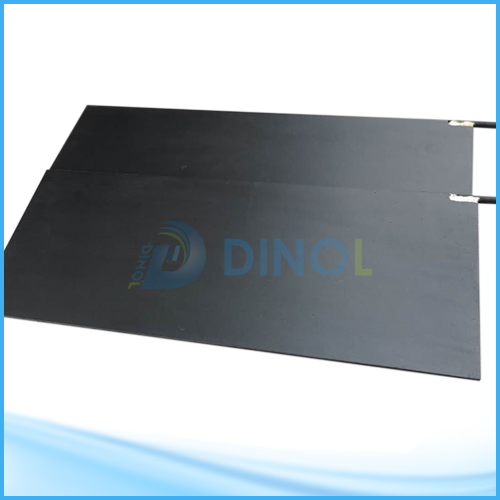
Key Benefits of Using Ir-Ta MMO Anodes for Copper Foil Plants
When you switch to advanced anode technology, you can see real improvements in a number of output measures. When plant managers and procurement specialists look at electrode options, they need to know how these benefits can be turned into real operating benefits and financial gains.
Extended Service Life Reduces Replacement Costs
To work in harsh electrolytic environments, you need materials that won't break down after thousands of hours of continuous use. The iridium-tantalum coating system has a service life of more than eight months under normal operating conditions, which is a lot longer than other coatings. This makes repair less frequent, cuts down on output stops, and lowers the total cost of ownership. When you look at the total amount of work that needs to be done each year, the longer replacement times save a lot of money on both the materials and labor that are used to change the anodes.
Enhanced Current Distribution for Superior Foil Quality
Even current flow across the anode surface has a direct effect on the quality factors of copper foil, such as the uniformity of the thickness, the roughness of the surface, and the number of defects. The Ir-Ta coating's electrocatalytic features help oxygen move evenly across the whole anode area. This stops areas of high current that could cause differences in thickness or surface flaws. This is especially important when making very thin foils (less than 12 microns) for lithium-ion batteries or high-frequency printed circuit boards, where performance is affected by how uniform the surface profile is.
Energy Efficiency Through Reduced Overpotential
Iridium-based coatings offer low oxygen evolution potential, which directly leads to energy saves. These anodes lower the amount of power needed to make one kilogram of copper foil by lowering the voltage needed to power the electrochemical reactions. When used in large-scale industrial production with current rates of 5000–8000 A/m², even small drops in cell voltage save a lot of money on power costs. Compared to their old anode systems, our clients in the power battery industry have seen their energy use drop by 8–12%, which is good for both their bottom line and the environment.
Environmental Compliance and Safety Advantages
Today's factories have to follow stricter rules about using dangerous substances and releasing heavy metals into the environment. The titanium-based anode system gets rid of the risk of lead contamination that came with older technologies. This makes sure that the system is in line with RoHS and REACH regulations. The stable oxide coating stops metal ions from getting into the electrolyte. This keeps the solution pure and lowers the cost of treating waste streams. This environmental benefit is especially important for suppliers to the car industry and companies that make gadgets, which have to meet strict sustainability goals.

Comparing Ir-Ta MMO Anodes with Other Titanium Anode Coatings
There are a few different kinds of noble metal oxide on the market for electrode coating, and each one performs and costs differently. Knowing these differences helps procurement workers make smart choices about where to buy things that meet their production needs and stay within their budget.
Performance Comparison: Ir-Ta versus Pt-Ir Coatings
Platinum-iridium layers are very good at conducting electricity and resisting rust, but the materials are usually more expensive because platinum is so expensive. Ir-Ta formulations offer better mechanical longevity while maintaining similar electrochemical performance in copper foil uses. The tantalum part makes the covering more resistant to heat stress and mechanical wear, which makes it last longer in high-throughput production settings. The results of our tests show that Ir-Ta anodes keep their performance levels stable over time, while some platinum-based coatings lose some of their activity after six months of continuous use.
Total Cost of Ownership Analysis
Anode technology is judged by its total cost of ownership, which includes the purchase price, service life, energy use, and maintenance needs. The initial cost of acquisition is an important factor, but experienced buyers also look at these factors. Because Ir-Ta anodes last longer, the cost of capital is spread out over more kilograms of production, which lowers the price per kilogram of copper foil.
Ir-Ta Titanium Anode for Electrolytic Copper Foildelivers exceptional performance, and the economic benefit is even stronger when you consider the energy savings from less overpotential and the shorter downtime from fewer repairs. When our clients switch from old anode systems to our Ir-Ta technology, they usually get their money back in 12 to 16 months.
Supplier Selection and Quality Considerations
The success of MMO anodes rests a lot on how well they are made and coated. Changes in coating thickness, composition uniformity, and substrate preparation have a big effect on how well the system works. Choosing a source with a history of making electrochemical electrodes will ensure that the product always works as it should.
Look for manufacturers that have ISO certification, detailed information about the materials they use, and the ability to offer technical support. Before any anode leaves Tianyi's plant in the Baoji High-Tech Development Zone, we test it thoroughly for coating adhesion, thickness regularity, and electrochemical activity as part of our quality control procedures.
Best Practices for Maintenance and Maximizing Lifespan of Ir-Ta MMO Anodes
For the best performance and service life, even the most durable electrode technology needs to be used in the right way. Process engineers and production managers can keep their anode investments safe and foil quality consistent in a number of ways.
Operating Within Recommended Parameters
If you run Ir-Ta anodes within certain current density bands (5000–8000 A/m²) and temperature windows (50–80°C), they will last the longest. Going beyond these limits speeds up the coating's breakdown and shortens its useful life. Monitoring cell voltage is an important part of modern production control systems because it shows early signs of anode state.
A slow rise in voltage over time is a sign of coating wear, which lets you schedule maintenance before performance goes down a lot. Keeping the electrolyte composition within target ranges, especially by keeping the chloride ion concentration between 30 and 60 ppm, stops corrosion from speeding up and makes sure that copper deposits are smooth.
Inspection and Cleaning Protocols
Setting up regular inspection schedules lets problems be found early, before they affect production. Any physical harm, covering delamination, or uneven wear patterns should be easy to see with the naked eye. The anode sides should be cleaned every so often to get rid of any copper deposits or chemicals that form crystals while the device is working. Use the right cleaning products that get rid of dirt and grime without hurting the oxide covering. Do not use rough mechanical cleaning methods on the coating layer because they could damage it.
Performance Monitoring and Documentation
Tracking key performance indicators gives you useful information for making the best use of the anode.Ir-Ta Titanium Anode for Electrolytic Copper Foilis a critical component whose performance directly influences these metrics. Keep an eye on things like cell voltage, current efficiency, power consumption, and copper foil quality metrics.
Keeping track of these measures over the life of the anode provides a performance baseline that helps figure out when the best time is to replace it. This method is based on data and keeps things from needing to be replaced too soon or running too long past the point where the benefits stop increasing.
Purchasing Guide: How to Choose and Source Ir-Ta MMO Anodes for Your Copper Foil Plant
When making decisions about where to buy important production parts, you need to look at a lot of things, not just prices. The best sourcing strategy takes into account both cost and performance needs, as well as shipping dependability and the possibility of building long-term relationships with suppliers.
Key Specifications and Customization Options
The physical needs of copper foil production lines depend on the size of the drums, the shape of the tanks, and the amount of foil that can be made. The dimensions of the anode need to be changed to fit the design of your equipment. When you ask for quotes, be sure to include specifics like the size of the plates you need, the pattern of the mounting holes, and the number of plates you need.
The layer thickness can be made better by knowing how much current you want to flow and how long you want the device to last. Thicker coatings last longer but cost more at first. This is an important factor to consider when figuring out the best total cost of ownership for your production plan and upkeep preferences.
Evaluating Supplier Capabilities
The best anode provider does more than just make anodes; they also give professional support for the whole lifecycle of the product. Check out possible suppliers based on their research and development (R&D) skills, quality control systems, and history in the copper foil business. Suppliers who have their own electrochemical testing labs can back up claims of performance and make suggestions based on the specific application.
Getting manufacturing certifications that include ISO quality control standards shows that you are committed to using consistent production methods. References from past customers who have used similar products can tell you a lot about how well the product works in real life and how reliable the supplier is.
Lead Times and Inventory Management
Production plans depend on having anodes available at the right time. Find out how long the usual lead time is for both original orders and replacement purchases. Some manufacturers keep standard configurations in stock, which lets them deliver faster when needed right away. Setting up a framework deal with regular deliveries makes sure that the replacement of the anode fits in with your repair windows and could help you get better prices on larger orders. When working on a big scale, this method works especially well because anode breakdowns could mean expensive production delays.
Technical Support and After-Sales Service
Manufacturer support makes the learning curve for optimizing new anode technology a lot shorter. Look for providers that offer help with commissioning, operational training, and tools for fixing problems. Having access to application engineers who know how to deal with problems that come up when making copper foil adds a lot of value to the product itself. This technical relationship is very important when changing processes to fit new foil specs or fixing quality problems that came up out of the blue. Responding to messages and being willing to work together to improve processes are what set excellent suppliers apart from average ones.
Conclusion
The switch toIr-Ta Titanium Anode for Electrolytic Copper Foiltechnology is a smart improvement that solves several production problems at the same time. These new electrodes make a noticeable difference in how much energy they use, how consistent the foil quality is, and how reliably they work. They also get rid of the environmental problems that come with using older materials.
Longer service life, less maintenance needed, and better electrochemical performance all add up to strong economic benefits that make the investment worth it for medium and large-scale copper foil manufacturers. As the electronics and new energy industries keep asking for smaller, better copper foils, the accuracy and steadiness that iridium-tantalum coated titanium anodes provide become more and more important for staying competitive in the production market.
FAQ
How does the Ir-Ta coating achieve superior corrosion resistance compared to other anode materials?
The iridium-tantalum oxide coating makes a surface that is chemically inert and can't be damaged by the sulfuric acid and chloride ions that are in copper foil electrolytes. Iridium oxide has the main electrocatalytic activity and is very stable when polarized anodically. Tantalum oxide, on the other hand, makes the material stronger and more resistant to chemical erosion. This combination works well together and can handle the harsh conditions of continuous oxygen evolution without losing much of its performance. This means that the anode will keep working well for a long time.
What is the typical operational lifespan under standard electrolytic conditions?
When used with the right electrolyte composition, at the right temperature (50–80°C), with a current density of 5000–8000 A/m², and under the right working conditions, our Ir-Ta titanium anodes usually last longer than eight months of constant use. The actual lifespan depends on how the battery is used, how pure the electrolyte is, and how often it is maintained. Plants that run at the lower end of the current density range or have very good control over the electrolyte have said that coatings last longer than twelve months before they need to be replaced.
Can these anodes be customized for specific copper foil production requirements?
Customization is one of the best things about the things we make. We often change the size of the anode to fit the tools that the client has, find the best coating thickness based on the expected service life and the conditions of use, and set up fixing features to fit different tank designs. Our engineering team works with clients to fully understand their unique production setting and performance requirements. They then create custom solutions that work best for them while staying within their budget and working limits.
Partner with Tianyi for Premium Ir-Ta Titanium Anode Solutions
Copper foil makers all over North America can get help from Shaanxi Tianyi New Material Titanium Anode Technology Co., Ltd., which has a lot of experience making electrochemical electrodes. Our Ir-Ta Titanium Anode for Electrolytic Copper Foil uses precise coating technology and strict quality control to give consistent performance that meets the tough needs of high-frequency PCB and battery-grade applications.
As a manufacturer with a lot of experience in making Ir Ta Titanium Anodes for Electrolytic Copper Foil, we can make any changes you want, provide technical support during setup and operation, and offer competitive pricing for both one-time installations and ongoing supply agreements. Email our team at info@di-nol.com to talk about your unique production needs and find out how our improved anode solutions can help you make copper foil more efficiently and with better quality.
References
1. IPC—Association Connecting Electronics Industries. (2019). Copper Foil Manufacturing and Technology Trends. IPC Technical Report.
2. The Electrochemical Society. (2020). Dimensionally Stable Anodes for Industrial Electrolysis. Journal of The Electrochemical Society, 167(6).
3. Battery University. (2021). Copper Foil Requirements for Lithium-Ion Batteries. Battery Research Publications.
4. International Organization for Standardization. (2018). Quality Management Systems for Manufacturing. ISO 9001:2015 Standards.
5. ASM International. (2020). Titanium and Titanium Alloys in Electrochemical Applications. ASM Handbook Series.
6. Surface Engineering Association. (2022). Advanced Coating Technologies for Industrial Electrodes. Surface Engineering Journal, 38(2).