




What Is the Difference Between MMO and Platinum Titanium Anodes?
When procuring anodes for impressed current cathodic protection (ICCP) systems, understanding the distinction between Mixed Metal Oxide (MMO) and Platinum-coated titanium anodes becomes essential. MMO coated titanium anodes for cathodic protection utilize a high-purity titanium substrate layered with precious metal oxides—typically ruthenium and iridium—creating a dimensionally stable, cost-effective solution suitable for harsh environments.
Platinum anodes, though renowned for exceptional corrosion resistance, present higher initial costs and are often reserved for specialized applications requiring ultra-pure electrochemical environments. Both leverage titanium's lightweight strength and corrosion immunity, but their electrochemical behaviors, lifespans, and economic viability differ significantly.
Understanding MMO and Platinum Titanium Anodes
What Are MMO Coated Titanium Anodes?
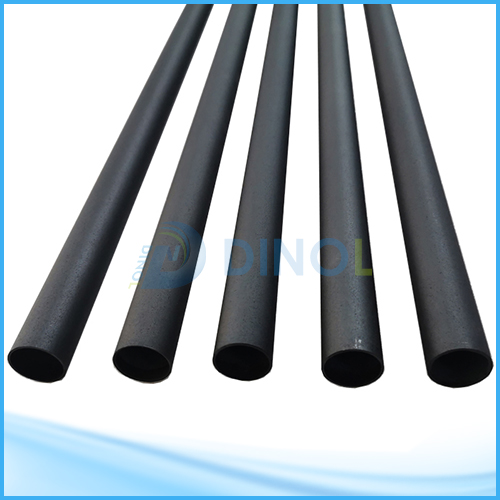
To make MMO anodes, a special mix of ruthenium, iridium, or tantalum oxides is put on ASTM B265 Grade 1 or 2 commercially pure titanium substrates. The coating process, which is done by breaking down materials at high temperatures, makes a stable, electrocatalytic surface that makes electron transfer easier. The resulting anode structure doesn't change much in size over time, which is why it's called a "dimensionally stable anode" (DSA). It also keeps its current output constant even when exposed to harsh electrolytes for a long time.
What Are Platinum Coated Titanium Anodes?
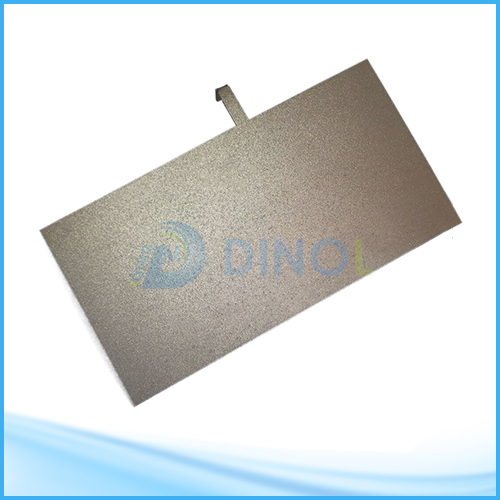
Anodes that are platinum-coated have a thin layer of pure platinum electroplated or clad on top of titanium substrates. Platinum is very noble, so it is very resistant to chemical attack and oxidation. This makes it perfect for situations where anode dissolution contamination is not acceptable. The layer is usually between 2 and 10 microns thick, which is a good balance between function and cost of materials. When very little metal ion release is needed, like in some electrowinning processes or ultra-pure chemical synthesis, platinum anodes work very well.
How Do These Coatings Function in Cathodic Protection?
Anodes in ICCP systems send a protective direct current to metal structures like pipes, offshore platforms, and storage tanks. This stops rust by changing the metal's electrochemical potential to a range that doesn't react with corrosion. MMO coatings help oxygen evolution reactions happen at the anode surface, which spreads the current evenly over large areas without causing a lot of wear. Platinum coats work the same way, but they are more resistant to salt attack and acidic conditions, but they cost more. Both methods get rid of the problems that old high-silicon cast iron or lead-silver anodes had, like being fragile and harmful to the environment.
Performance Comparison Between MMO and Platinum Titanium Anodes
Electrical Efficiency and Current Distribution
In seawater and earth, MMO anodes usually have current efficiencies of over 95%, which is very high. Their multi-oxide makeup lets you tune them for different conductivity needs, whether you're working with brackish water or soils with a high resistance.MMO coated titanium anodes for cathodic protectionare particularly valued in these environments because the titanium substrate provides durable mechanical support while the mixed metal oxide layer ensures stable electrochemical performance over long service lives.
Similar or slightly higher yields are achieved by platinum anodes, which really shine in high-pH conditions where MMO coatings might break down too quickly. According to research, ruthenium-iridium MMO coatings that are well-formulated can perform as well as platinum in neutral chloride solutions while still being cheaper to use.
Corrosion Resistance and Service Life
MMO anodes have long service lives (20 to 30 years) if they are built correctly for the climate they will be used in. This is because their oxide matrix is strong and doesn't let chloride or mechanical wear through. Even though platinum anodes are chemically inert, the coating can separate from them if the substrate doesn't stick well or if the thin platinum layer is worn away by mechanical stress. Accelerated life testing according to NACE TM0108 standards shows that MMO anodes have wear rates below 10 mg/ampere-year in seawater ICCP applications. This means they will work reliably for decades with little maintenance.
Maintenance Requirements and Total Cost of Ownership
MMO anodes mostly need to be checked for coating stability and electrical connection on a regular basis, which is usually done every 5 to 10 years. Similar checks must be done on platinum anodes, but they need to be checked more often because their coverings are thinner and they are more likely to wear down in spots.
A study of a 25-year offshore platform project showed that MMO anode systems had a lower total cost of ownership by about 40% compared to platinum versions. This was after buying the systems, installing them, and replacing them. Because MMO is made of cheaper materials and lasts longer in harsh marine environments, these savings are possible.
Selecting the Right Titanium Anode Coating for Your Application
Common Application Scenarios
Because they can handle high chloride levels and rough water flows, MMO anodes are very useful for offshore bases and marine buildings. For flexible installation and even current flow, MMO mesh or ribbon anodes are used in pipeline cathodic protection systems, especially those that are buried in soil with variable resistivity. MMO disk anodes are used in water treatment plants to clean and electrochlorinate water, taking advantage of their stable chlorine evolution qualities. Platinum anodes are used in specific situations, like electroplating baths, where metal ions need to be kept to a minimum, and in lab-scale electrochemical research that needs to be done in a clean environment.
Environmental and Electrical Factors
The environment determines which coating to use. When working at temperatures above 60°C, iridium-tantalum MMO blends work better because they stay stable, while ruthenium-iridium blends might oxidize. Standard MMO coatings don't work well in acidic settings (pH below 4), so platinum or specially made MMO versions that are resistant to acid are needed. Current density needs to be taken into account as well. For example, MMO anodes can handle densities of up to 2000 A/m² in seawater, but platinum works best at lower densities to keep the layer from wearing away.
Regulatory Compliance and Supplier Certifications
To make sure that dangerous chemicals like hexavalent chromium and cadmium are not present, procurement teams must check that the anode manufacturers they work with have ISO 9001 quality certifications and follow environmental rules like RoHS and REACH.MMO coated titanium anodes for cathodic protectionmust also undergo strict material verification, as their coating composition directly affects both environmental compliance and service reliability.
IATF 16949 certification is important for car and aerospace uses that need to be able to track batches and make sure they are all the same. Suppliers should give full test reports on the materials they sell, which should include X-ray Fluorescence (XRF) analysis to confirm the amount of precious metals present and Scanning Electron Microscopy (SEM) images to confirm the unique mud-crack surface shape that is needed for the best electrochemical performance.
Practical Guidance on Installation and Maintenance
Installation Best Practices
The first step in a proper installation is choosing the right mounting method. For permanent groundbeds, welding to titanium conductor bars is the best option. For changeable setups, bolting is better, and clamping is better for temporary systems. For links between cables and anodes, resin coating is needed to keep water out, which can cause electrical failure.
When installing, teams should use low-resistance ohmmeters to check for electrical connection and only use the force settings recommended by the maker when bolting. Avoiding direct contact between anodes and steel structures stops galvanic corrosion and makes sure that the current flows evenly.
Safety Protocols and Common Pitfalls
People who work with titanium anodes should wear the right safety gear because high DC voltages can cause shocks. A common construction mistake is not leaving enough space between the anodes, which leads to a buildup of current in one area and early failure of the covering. Another mistake is using backfill materials that don't work well with the soil. For example, low-permeability clays can create high-resistance zones that make the system less effective. Always look at geotechnical surveys and follow the NACE SP0169 guidelines for the type of backfill and where to put the anodes.
Maintenance and Troubleshooting Techniques
As part of regular maintenance, voltage and current readings are taken once a year to look for changes from the design limits. These changes could mean that the layer is wearing down or there are problems with the connections. During planned shutdowns, visual checks should be made for damage to the structure, covering flaking off, or biofouling buildup.
MMO coated titanium anodes for cathodic protectionrequire particular attention during these inspections, since their mixed metal oxide layer is thin yet critical for sustained performance, and any localized delamination can accelerate anode consumption. Electrochemical impedance spectroscopy (EIS) can check the health of a coating without damaging it. It can find early signs of wear before a coating fails completely. Abrasive methods could damage the delicate MMO surface, so cleaning protocols usually include soft brushing and rinsing with fresh water.
Why MMO Titanium Anodes Are Often Preferred in Modern Cathodic Protection
Scalability and Cost-Effectiveness
MMO technology works well for both small pipeline sections and huge offshore infrastructure, and the ways it is made are perfect for making a lot of them. This ability to grow means that unit prices are competitive, especially for long-term supply agreements that are common in the infrastructure and energy sectors. MMO variants are 50% to 70% cheaper per unit than platinum anodes. This means that procurement managers can use their budgets to pay for more safety or system backups.
Superior Performance in Aggressive Environments
Field data from oil rigs in the North Sea show that MMO anodes can keep their polarization fixed for more than 25 years in seawater with more than 19,000 ppm of chloride. Their multi-oxide makeup stops the formation of insulating oxide layers that can happen with platinum in some situations, so current flow stays steady. Because MMO formulations can be changed to fit specific needs, like adding more tantalum for acidic soils or changing the ruthenium ratios for high-temperature brine, platinum's fixed chemistry can't provide the same solutions.
Emerging Industry Trends
Demand for improved electrochemical electrodes is being driven by the move toward green energy infrastructure around the world, such as fuel cells, electrolytic hydrogen production, and grid-scale battery storage. When MMO anodes are used to electrolyze water, they have great oxygen evolution rates, which puts them at the center of green hydrogen efforts.
New coating deposition technologies, like pulsed laser deposition and atomic layer deposition, offer even thinner and more lasting MMO layers. This will lower the cost of materials while improving performance. Analysts predict that the demand for MMO anodes will grow at a rate of 6.8% per year until 2030, which shows that they are becoming more important in many fields.
Conclusion
Choosing between MMO and platinum titanium anodes depends on how well they meet performance needs, work in different environments, and fit within a budget.MMO coated titanium anodes for cathodic protectionare strong and affordable options for most industrial uses, as they offer a balanced combination of high current efficiency, dimensional stability, and resistance to aggressive electrolytes, making them a cost-effective alternative to precious metal anodes in many seawater and soil applications. They have good corrosion resistance, a long service life, and can be used in a variety of environments.
Platinum anodes are still useful in some situations where very pure electrochemical conditions or high chemical protection are needed. By knowing these basic differences and using the knowledge of suppliers, procurement managers and engineers can choose anode systems that protect assets the best, keep costs low over their lifetime, and meet legal requirements. The development of electrochemical technologies keeps making MMOs better, which solidifies their place as the best choice for current cathodic protection strategies.
FAQ
Can MMO and Platinum Anodes Be Used Interchangeably?
Interchangeability depends on how the system is built and what the conditions are outside. Both types of anodes give safe current, which is their main job. However, their electrochemical properties are different. When normal to alkaline pH and mild temperatures are present, replacing platinum with MMO usually works. It is possible to use platinum instead of MMO in processes that are very acidic or sensitive to contamination, but it is not cost-effective to do so. Before replacing something, you should always talk to the system designers and do compatibility tests.
How Do I Verify Anode Quality Before Procurement?
Ask for full certifications of the materials, such as XRF tests that prove the presence of precious metals (usually 10-15 g/m² for MMO coatings), SEM pictures that show the correct shape of the surface, and accelerated life test reports that meet NACE TM0108 standards. Reliable sellers give you papers that show where the raw materials came from and how they were made for each batch. Field failures are less likely to happen when adhesion tests and electrical continuity checks are done on sample units. Getting certified from ISO 9001-accredited facilities makes you more sure that the quality of the work will be consistent.
What Lifespan Differences Should I Expect?
MMO anodes usually last between 20 and 30 years in ideal conditions, while platinum anodes only last between 15 and 25 years, based on the thickness of the coating and the working current density. In the same way, harsh conditions like high salt, high temperatures, or abrasive flows shorten lifespans. Both technologies last longer when they are properly designed, with enough anode surface area to keep current densities below the maximums that are recommended. Regular tracking and repair have a big effect on how long a service actually lasts.
Partner with Tianyi for Reliable MMO Coated Titanium Anodes
If purchasing managers are looking for a reliable company that can provide mmo coated titanium anodes for cathodic protection, Shaanxi Tianyi New Material Titanium Anode Technology Co., Ltd. is the place to go. Our state-of-the-art factories in the Baoji High-Tech Development Zone make MMO anodes that can be customized to your exact needs for mesh, ribbon, disk, or custom geometries.
These anodes come in Ru-Ir and Ir-Ta formulations. We keep a close eye on quality by using XRF to check, rapid life testing, and SEM shape analysis to make sure that every anode meets international standards and the specific needs of your project. Tianyi offers high-quality, low-cost cathodic protection parts backed by decades of electrochemical knowledge. They have ISO certifications, can do OEM/ODM work, and offer quick technical help. You can email us at info@di-nol.com or go to dsa-anodes.com to talk about bulk orders, get technical advice, or get full quotes for your next infrastructure defense project.
References
1. NACE International (2017). Cathodic Protection Technologist Course Manual. Houston, TX: NACE International.
2. Trasatti, S. (2000). Electrocatalysis: understanding the success of DSA®. Electrochimica Acta, 45(15-16), 2377-2385.
3. DNV GL (2019). Recommended Practice DNVGL-RP-B401: Cathodic Protection Design. Høvik, Norway: DNV GL.
4. Barlo, T. J., & Struempler, A. W. (2018). Long-term performance of mixed metal oxide anodes in North Sea applications. Materials Performance, 57(3), 48-52.
5. Markets and Markets (2023). Cathodic Protection Market by Type, Application, and Region - Global Forecast to 2030. Pune, India: Markets and Markets.
6. ASTM International (2021). ASTM B265-15: Standard Specification for Titanium and Titanium Alloy Strip, Sheet, and Plate. West Conshohocken, PA: ASTM International.