




How Do Titanium Electrodes Work in Salt Chlorination?
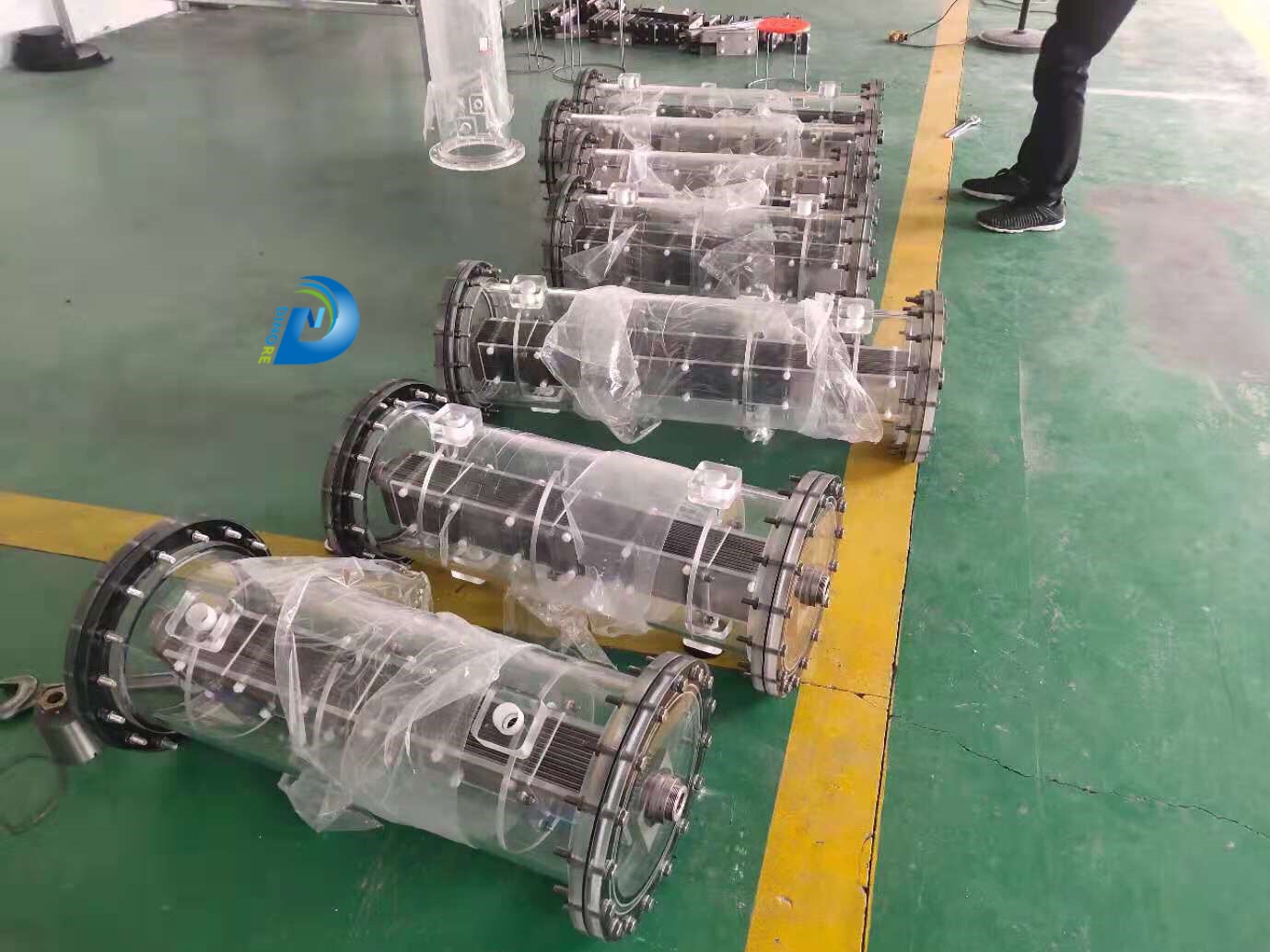
Titanium Electrodes For Salt Chlorinator operate through a sophisticated electrochemical process where saltwater passes over a titanium substrate coated with Mixed Metal Oxide (MMO), typically ruthenium-iridium compounds. When electrical current energizes these electrodes, sodium chloride molecules split into sodium hypochlorite—the active chlorine disinfectant.
This electrolysis converts ordinary salt into effective sanitizer on-site, eliminating hazardous chemical storage while delivering consistent water quality. The titanium base provides exceptional corrosion resistance, while the catalytic MMO coating accelerates chlorine evolution reactions at remarkably low voltages, reducing energy consumption substantially.
Understanding How Titanium Electrodes Work in Salt Chlorinators
The Electrochemical Foundation
When saltwater runs through an electrolytic cell, valuable metal oxides on the titanium anodes help control a chemical change. When direct current is applied, an electrical potential difference is made. This makes chloride ions move toward the positively charged anode surface. According to a study released in the Journal of Applied Electrochemistry, the catalytic MMO coating lowers the overpotential needed, which lets chlorine evolve at about 1.13V compared to normal reference electrodes, which is a lot lower than other materials.
Hypochlorous acid and hypochlorite ions are made during the process. These are the two parts that kill microbes. At the same time, hydrogen gas is released at the cathode, making the electrochemical circuit complete. Titanium plates are different because they have an inactive oxide layer that protects them from chloride attacks and keeps the electrical conductivity through a special coating.
Coating Technology and Performance
To put ruthenium-iridium oxide layers on ASTM B265 Grade 1 titanium plates, Shaanxi Tianyi uses heat decomposition techniques. Using this method of production makes a surface with a "cracked mud" pattern, which is a microscopically rough surface that has the most active surface area. The coating thickness, which is usually between 6 and 20 grams per square meter, strikes a balance between how well the catalyst works and how long it should last.
Our manufacturing method includes several coating steps with fire breaks in between. This creates layers with even thickness distribution. This accuracy directly answers worries about consistency and predicting the lifespan of electrodes, which are important factors for yearly framework agreements and long-term supply partnerships.
Another technical benefit is the ability to handle changes in temperature. Our electrodes work well in temperatures ranging from 5°C to 50°C, so they can be used in a wide range of climates without losing their effectiveness. The MMO layer is chemically solid, so it doesn't dissolve even when the current is applied continuously, which would quickly damage other electrode materials.
Current Density and Operational Parameters
Electrodes that can handle current densities of 300 to 1000 amps per square meter are needed in industrial settings. These factors allow chlorine production rates that meet the high-throughput needs of cooling tower systems, big water parks, and industrial process water treatment. The low chlorine evolution potential directly leads to less energy use, which is a major cost driver for facilities that process thousands of gallons of water every day.
Comparison of Titanium Electrodes with Other Salt Chlorinator Electrode Types
Material Performance Analysis
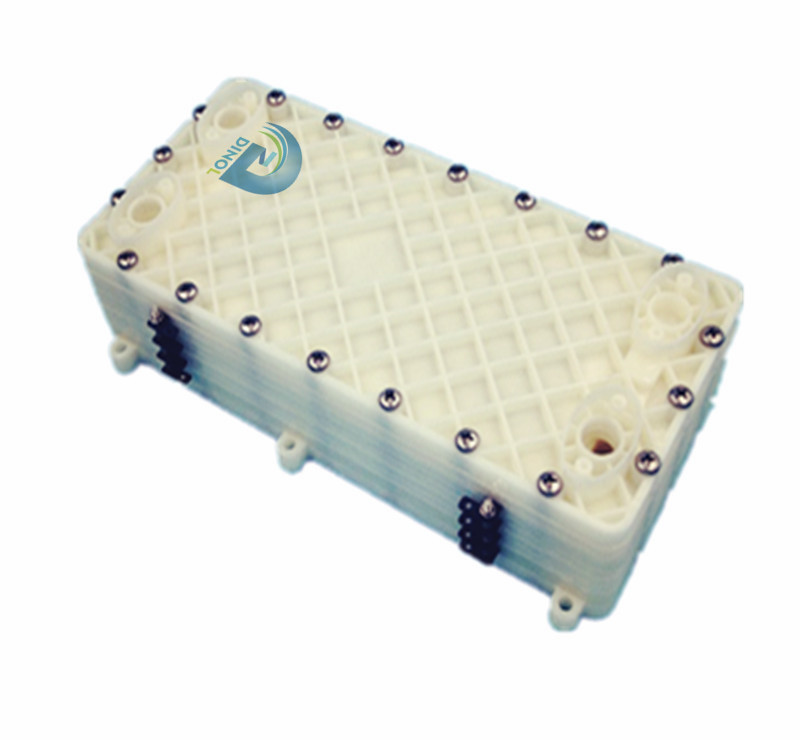
When purchasing teams look at electrode options, they come across a number of competing technologies. Stainless steel electrodes are cheaper to buy at first, but they quickly passivate in chloride environments and need to be replaced every 18 to 24 months. When insulating oxide layers form, the working voltage goes up. This makes energy more expensive until the whole thing breaks down and needs to be replaced.
Even though graphite electrodes are chemically harmless, they are mechanically weak and wear away slowly when anodized. Their brittleness makes them harder to handle during installation and maintenance, which makes it more likely that they will break during regular maintenance. As weathering continues, problems with dimensional stability show up, leading to bypass flow conditions that make chlorine production less effective.
Options that are coated in pure platinum have great catalytic performance and almost endless service life. The cost of precious metals, on the other hand, makes unit economy too high for most industry uses.Titanium Electrodes For Salt Chlorinatoroffer a more balanced alternative, yet the difference in price doesn't usually make a difference, unless the process is very corrosive or there are unacceptable risks of pollution from coating breakdown products.
Practical Trade-off Considerations
For most salt chlorination tasks, our titanium-based MMO electrodes offer the best balance of performance and cost. If you take good care of your quality MMO electrodes from Tianyi, they should last for 5 to 7 years, which is about the same amount of time as platinum electrodes but costs only a fifth as much. This economic benefit grows when you consider that it uses less energy than stainless steel alternatives.
As spare anodes, zinc and aluminum are useful for protecting the cathode, but they don't have the catalytic qualities needed to make chlorine efficiently. The rate at which they are used up means that they need to be replaced on a regular basis, and the metal ions they release into cleaned water are not acceptable for uses that need high purity standards or to meet legal discharge limits.
Lifespan and Maintenance of Titanium Electrodes
Service Life Determinants
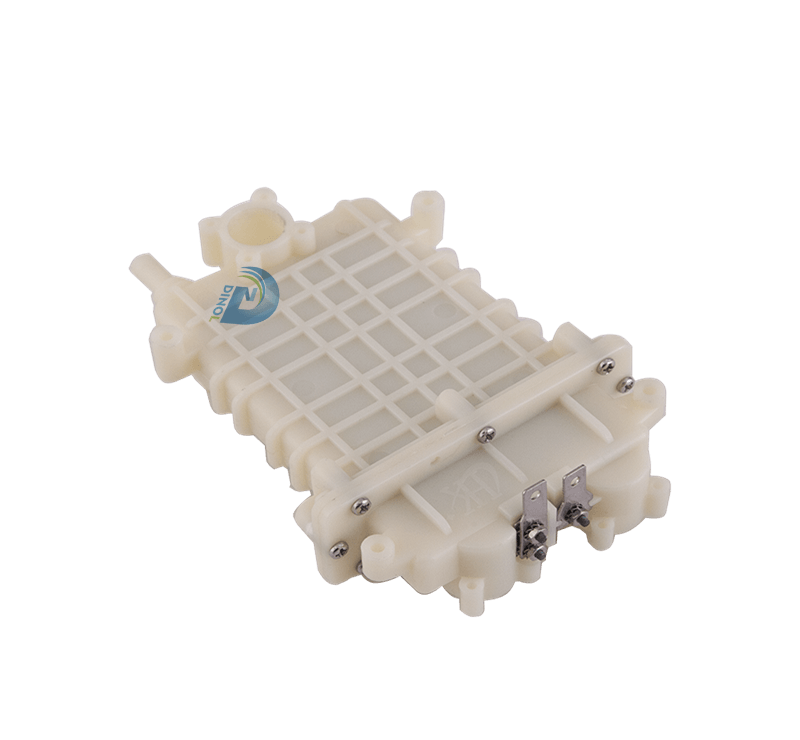
How long an electrode lasts relies on three main factors: the nature of the water, how much it is used, and how well it is maintained. Systems that work in the best salt concentration range of 3,000 to 4,500 ppm have balanced performance. Concentrations below 2,500 ppm put the titanium substrate at risk of anodic oxidation. On the other hand, too much saltiness speeds up covering wear by requiring more current intensity.
A study published in Desalination and Water Treatment says that electrodes with polarity reversal functions can effectively control the buildup of calcium carbonate scale, which is the main reason why systems fail early in areas with hard water. Our designs allow for automatic polarity flipping, which means that the electrode can switch between working as an anode and a cathode. This reversal gets rid of scale deposits, so the active surfaces stay clean during the service interval.
Changes in temperature have an effect on the speed of reactions and the stress on the layer. When installed outside, thermal cycling puts coatings through rounds of expanding and contracting, which could lead to delamination in lower-quality goods. Tianyi's multi-layer thermal decomposition process makes strong mechanical bonds, as shown by adhesion strength tests that are higher than industry standards and are checked using ultrasonic protocols.
Identifying Degradation Indicators
With proactive monitoring, the procurement and maintenance teams can plan replacements for planned downtime instead of waiting for problems to happen in the middle of the nite. A gradual rise in operating voltage at a constant current is called voltage creep. It means that the coating is wearing off or the surface is becoming passivated. During commissioning, baseline voltage readings should be written down. Bad trends should be found every three months so that major performance loss doesn't happen.
A visual inspection shows physical damage to the coating, such as discoloration or patterns of localized erosion. But judging only by how something looks is wrong because changes in the beneath layer often happen before changes on the surface. Electrochemical impedance spectroscopy gives a numerical evaluation, but it needs specific tools that most facilities don't have.
Maintenance Best Practices
Regular cleaning greatly increases the useful life of an item. Any noticeable scale layers should be removed once a month using non-metallic brushes and diluted acid solutions that are safe for titanium parts. The covering is damaged by rough mechanical wear, and strong alkaline cleaners attack the MMO layer, which speeds up failure.
Managing the chemistry of the water stops wear from happening faster. Keeping the pH between 7.2 and 7.8 makes chlorine work better while reducing the chances of corrosion. Scaling is less likely to happen when the calcium hardness is below 400 ppm, but higher amounts are fine for polarity reversal systems. Keeping an eye on the total dissolved solids makes sure that the saltiness stays within the design limits. This stops the overcurrent conditions that wear away coating material quickly.
To set performance baselines, we suggest keeping track of operational hours and chlorine production rates.Titanium Electrodes For Salt Chlorinatorare central to this monitoring, as deviation from the predicted result at the current settings shows that problems are growing and need to be looked into. This approach is based on data, which is similar to the quality management systems that people who work in procurement use to keep track of things and make improvements all the time.
Procurement Guide for Titanium Electrodes: What B2B Buyers Need to Know
Critical Selection Criteria
The quality of the substrate material is what determines how well the electrode works. ASTM B265 Grade 1 titanium is the most resistant to corrosion, while Grade 2 offers good performance at a lower cost for applications that aren't as tough. These standards should be clearly stated in the procurement specs so that sellers can't use inferior materials instead.
The difference between high-end and low-end goods is the coating's makeup and how it is applied. Ask for specific information about the amount of precious metals used. Electrodes with less than 8 grams per square meter of ruthenium-iridium content usually have a shorter useful life. Instead of electroplating methods, which make coatings that don't stick as well, manufacturing approvals should show heat decomposition processes.
Supplier Evaluation Framework
The technical skills of the supplier should be carefully evaluated. Can the maker provide Accelerated Life Testing data that shows how long the finish will last in harsh conditions? Reliable providers run ALT routines that put electrodes through settings with high current densities and sulfuric acid. This simulates years of field operation in a short amount of time.
Quality certifications, like ISO 9001, show that processes are controlled in a planned way, and environmental compliance certifications, like RoHS and REACH, make sure that rules about dangerous substances are followed in all global markets. IATF 16949 certification is needed for Tier 1 and Tier 2 suppliers to be qualified in the automotive supply chain integration.
Customization options meet the needs of specific applications. Standard rectangular plate electrodes work well in many situations, but unusual cell shapes or harsh operating conditions might need custom sizes, mounting arrangements, or coatings that are made just for that application. Suppliers who offer engineering support and rapid prototyping make system integration go faster and lower the risk of the procurement process.
Total Cost Analysis
The price of the purchase is only one part of lifecycle economics. The main cost of running high-throughput devices is the energy they use. Over the course of 60 months, an electrode that needs 0.2V more overpotential than a higher-quality option uses a lot more power, which could be more than the difference in cost at the start.
The number of times a system needs to be replaced affects both the costs of materials and the costs of labor during downtime. A cheap electrode that lasts 36 months needs to be replaced almost twice as often as a high-quality electrode that lasts 84 months. Each replacement adds to the real cost by adding the costs of installation labor, system draining, and production interruption.
Strategies for buying in bulk should be thought about, particularly when sourcingTitanium Electrodes For Salt Chlorinator. Annual framework deals with agreed-upon buy amounts can often get savings of 15 to 25 percent while also ensuring a steady supply of goods. This method works especially well for places that run multiple systems or groups that are in charge of handling installs in different places.
Why Choose Titanium Electrodes for Your Salt Chlorinator?
Operational Advantages
Because they are very resistant to corrosion and have a lot of electrocatalytic activity, titanium MMO electrodes are the best choice for harsh industrial settings. In contrast to consumable electrode types that need to be replaced often, our products maintain stable performance over multiple years. This stability gets rid of the production problems and last-minute buying situations that happen when businesses use bad parts.
Cutting down on energy use directly improves the costs of operations. When properly built MMO electrodes are used in places that process large amounts of water, the lower voltage needs can cut energy use by 20 to 35 percent compared to alternatives that are broken or inefficient. For industries that use a lot of energy, these savings make a big difference in meeting sustainability goals and cost-cutting targets.
Environmental and Safety Benefits
When chlorine is made on-site, there is no need to move, store, or handle dangerous chemicals. This change makes it easier to follow the rules, limits your responsibility, and makes the workplace safer. Getting rid of concentrated chlorine inventories gets rid of possible release scenarios. This makes planning for emergency responses easier and could even lower insurance rates.
Chemical agents other than chlorine are also being used less. Effective electrochemical disinfection lowers the need for extra chemicals to change the pH, apply algaecide, and clear up the water. This easier way of managing water chemistry cuts down on the complexity of buying things, the cost of keeping supplies, and the need to get rid of chemical packing.
Tianyi Technical Advantages
Our advanced manufacturing methods make sure that the coating sticks better and the valuable metal is spread out evenly. A lot of quality control steps, like checking the thickness with X-ray fluorescence and looking at the surface with scanning electron microscopy, make sure that the specifications are met. Before being sent out, the performance of each electrode is checked. This gets rid of any defective units that could affect the reliability of the system.
Our goods are made to work in a wide range of temperature conditions, so they can be used in places like car factories, factories that make new energy, and industrial process settings. Whether they are placed in climate-controlled buildings or outside in cooling systems that are open to the elements, our electrodes keep producing chlorine at the same rate for the full length of their rated service life.
Conclusion
Titanium MMO electrodes are a tried-and-true way to make chlorine that can be used in a wide range of water treatment situations, andTitanium Electrodes For Salt Chlorinatorrepresent a specialized subset of this technology. When you know about the electrochemical principles, performance traits, and procurement issues, you can make smart sourcing choices that lower both the original investment and the costs over the product's lifetime.
Quality titanium electrodes are better than other materials because they resist corrosion better, work more efficiently, and last longer. This makes them a great choice for facilities that value operational reliability. A good procurement process balances technical requirements with the supplier's abilities, costs, and the need for long-term support.
By using the evaluation models and maintenance methods explained in this guide, procurement professionals and engineering teams can be sure that the electrode solutions they choose will meet performance goals and support operating excellence. The switch to more advanced electrode materials has real benefits in terms of saving energy, lowering maintenance costs, and improving system reliability. These results directly help manufacturers gain a competitive edge in today's tough production settings.
FAQ
How often should titanium electrodes be replaced?
Quality titanium electrodes that are covered with MMO usually last between 5 and 7 years when used normally. The actual lifespan depends on the chemistry of the water, how long it is used every day, and how well it is maintained. Systems that are constantly used in places with hard water may need to be replaced near the lower end of this range. On the other hand, installations that are well taken care of and have good water conditions usually last longer than 7 years. Monitoring the working voltage is the most accurate way to tell when an electrode needs to be replaced. Voltage increases of more than 20% above average readings indicate coating loss, which means the electrode needs to be replaced.
Can these electrodes work with existing salt chlorination systems?
The mounting dimensions of most titanium electrodes are standard and work with most electrolytic cell housings. It is still important to check the dimensions before buying, though, because some makers' private designs may need specific electrode setups. Our expert team can look at the specs of your current equipment to make sure it will work with ours. If standard goods can't directly fit your installation, they can suggest custom solutions.
What maintenance extends electrode operational life?
The most effective maintenance actions are to check and clean things on a regular basis. Visual checks done once a month show that scale has built up and needs to be removed with soft brushes and weak acid solutions. Keeping the right water chemistry—especially a salt content of between 3,000 and 4,500 ppm and a pH level close to 7.4—avoids faster wear. Systems with polarity reversal should use this feature as often as the manufacturer suggests, usually every 4 to 6 hours, to keep calcium carbonate from building up on the electrode surfaces and requiring higher operating voltages.
Partner with Tianyi for Superior Salt Chlorination Solutions
Choosing the right titanium electrode maker has a direct effect on how reliable your system is, how much it costs to run, and how much upkeep it needs. We at Shaanxi Tianyi New Material Titanium Anode Technology Co., Ltd. use cutting edge MMO coating technology and strict quality control to make electrodes that meet the high standards needed for new energy, automotive, and industrial water treatment. Because we can customize, we can make sure that your system works perfectly with our products, whether you need standard rectangular plates or special shapes for installation reasons.
We know that procurement professionals need more than just good items. You need quick technical help, reliable delivery times, and prices that are fair. Our OEM and ODM services can handle large orders and offer discounts based on volume, and our ISO-certified production methods make sure that the specs of every shipment are the same. Our Titanium Electrodes For Salt Chlorinator seller products meet the strict needs of global supply chains thanks to their extensive accelerated life testing data and RoHS/REACH compliance certifications.
Email our engineering team at info@di-nol.com to talk about your application needs, get technical specs, or get cost information for a large order. You can look through our full electrode catalog at dsa-anodes.com and learn how our advanced materials technology can help your salt chlorination system work better while lowering the total cost of ownership.
References
1. Journal of Applied Electrochemistry (2019). "Electrocatalytic Performance of Mixed Metal Oxide Coatings in Chlorine Evolution." Springer Nature.
2. Desalination and Water Treatment (2020). "Scale Management in Electrochemical Water Treatment Systems." Desalination Publications.
3. ASTM International (2021). "ASTM B265: Standard Specification for Titanium and Titanium Alloy Strip, Sheet, and Plate." ASTM Standards.
4. Water Research (2018). "Advances in Electrochemical Disinfection Technologies for Water Treatment." Elsevier.
5. Corrosion Science (2020). "Durability Assessment of MMO-Coated Titanium Anodes in Chloride Environments." Pergamon Press.
6. Industrial & Engineering Chemistry Research (2019). "Energy Efficiency Optimization in Electrolytic Chlorine Generation Systems." American Chemical Society.