




Which Lead Dioxide Electrode Is Best for Electrochemical Oxidation?
If you work in industrial wastewater treatment or electrochemical processing, you already know that choosing the wrong anode can cost your project significant time and money. The titanium-based lead dioxide electrode — specifically the Ti/PbO₂ anode with α-PbO₂ and β-PbO₂ composite coatings — stands out as the top choice for electrochemical oxidation. It delivers a high oxygen evolution potential of 1.75 V, current efficiency between 93% and 95%, and proven COD removal rates exceeding 85% in treating refractory organic wastewater such as pharmaceutical intermediates, pesticide effluent, and coking wastewater. For procurement managers comparing anode materials, this performance profile is hard to match.
Understanding Lead Dioxide Electrodes: Properties and Mechanisms
What Makes the Ti/PbO₂ Structure Effective?
The Ti/PbO₂ anode is made up of a titanium mesh base and a middle layer made up of tin-antimony oxide or platinum-group metal oxides. The PbO₂ active layer is then electrodeposited on top of that. It stops the passivation of TiO₂ on the base surface, keeps the coating's bonding strong, and lowers the stress inside the material. The end result is an electrode that always works at high current densities and doesn't separate too soon.
The Role of α-PbO₂ and β-PbO₂ Phases
Every solid phase does a different job. In a base environment, α-PbO₂ is put down first. Its job is to protect the middle layer from the busy area on the outside. β-PbO₂, which is made afterward when things are acidic, is better at carrying electricity and not rusting. These two things work together to make the electrode last 1.5 to 2 times longer than regular lead anodes. This saves the project a lot of money.
Electrochemical Oxidation Mechanism
It is possible for water molecules to become anions (·OH) on the surface of PbO₂ when electricity is applied. When organic toxins reach the electrode surface, these radicals attack them and turn them into CO₂, water, or simpler inorganic chemicals. When Ti/PbO₂ anodes break down phenol, nitrobenzene, and aniline, they can remove them at rates well above 85% without making the chemical sludge that normally happens with Fenton oxidation.
Comparing Lead Dioxide Electrodes with Alternative Electrode Types
When procurement teams evaluate anode materials, the comparison always comes back to three contenders: graphite, platinum, and dimensionally stable anodes (DSA).
Lead Dioxide vs. Graphite
Graphite electrodes carry well-known drawbacks in oxygen-evolution systems — they erode rapidly, produce carbon contamination in the effluent, and lose mechanical integrity under sustained current loads. Lead dioxide electrode anodes show no measurable carbon contamination and maintain structural stability across extended operating cycles. In nitrobenzene wastewater treatment studies, PbO₂ electrodes achieved a COD removal rate of 65% after five hours, compared to significantly lower figures for graphite under the same conditions.
Lead Dioxide vs. Platinum
Platinum offers excellent catalytic activity, but its cost makes large-scale industrial deployment impractical. Japan demonstrated this trade-off as early as 1944–1945, when PbO₂ anodes replaced Pt for industrial H₂O₂ production during a platinum shortage. Today, Ti/PbO₂ anodes continue to serve as a cost-effective substitute for Pt in haloform synthesis, achieving current efficiencies of 92.5% in bromoform production versus 87% for platinum.
Lead Dioxide vs. Lead Alloy Anodes
Conventional lead alloy anodes suffer from poor corrosion resistance, low electrocatalytic activity, and high energy consumption. Ti/PbO₂ anodes reduce cell voltage by 5%–8% and maintain stable performance in strong acidic media such as H₂SO₄ and HNO₃. For wastewater treatment EPC contractors dealing with refractory effluent streams, this difference in operating cost and stability translates directly into project profitability.
Evaluating Lead Dioxide Electrodes for Procurement: What Matters Most?
There are more things to think about than just the price per unit when you buy industrial anodes. These are the most important things to look for in project managers with a lot of experience:
- Coating adhesion and service life: Advanced manufacturing techniques — including nanoparticle doping with carbon nanotubes or CeO₂ and gradient coating structures — improve coating adhesion by up to 30% and reduce cell voltage by 0.3 V compared to standard production methods. Longer service life means fewer replacement cycles and lower total cost of ownership.
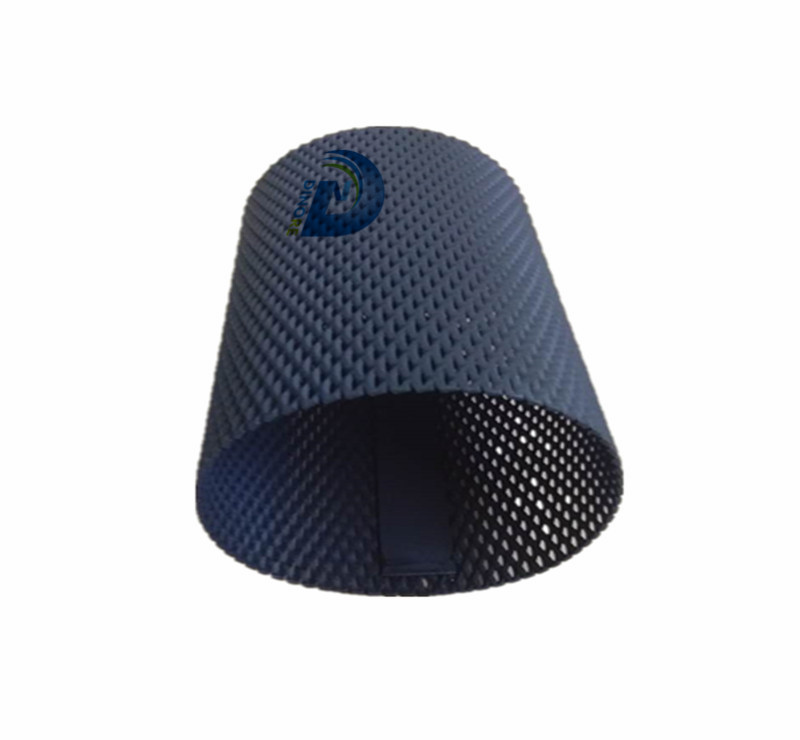
- Shape and dimensional flexibility: Industrial electrolytic cells require plate, tube, or mesh configurations depending on reactor design. Suppliers who offer all three formats give engineers the freedom to optimize current distribution and electrolyte flow without redesigning the cell.
- Lead ion leaching risk: This is a legitimate concern in wastewater applications. Well-manufactured Ti/PbO₂ anodes with dense, adherent coatings keep Pb²⁺ leaching within controllable limits. Ask suppliers for third-party leaching test data before finalizing a purchase.
- Pilot-scale support: Refractory wastewater projects almost always require bench or pilot testing before full-scale deployment. A supplier who can provide a 1:1 pilot scheme with documented test reports significantly reduces scale-up risk.
The coating sticks better by up to 30% and the cell voltage drops by 0.3 V when compared to older methods of making things. This is because of new techniques like gradient coating structures and doping nanoparticles with carbon nanotubes or CeO₂. It costs less to own something when it lasts longer because it needs to be replaced less often.
Warranty and After-Sale Response
There is a real risk of lead ions leaching in trash sites. If the Ti/PbO₂ anodes are well-made and have covers that stick to them, the amount of Pb⁺ that leaks out is not too high. Find out about a third-party leaching test from the seller before you buy something, especially when evaluating a lead dioxide electrode for wastewater or waste-site applications.
Most projects that deal with hard-to-treat wastewater need to be tried on a small scale first before they can go live on a big scale. There is much less risk of scaling up if the provider can give a one-on-one trial program with written test results.
How to Choose the Best Lead Dioxide Electrode for Your Electrochemical Oxidation Needs
Match the Intermediate Layer to Your Operating Medium
If your electrolytic cell works in H₂SO₄ media and has a lot of current going through it, a layer of tin-antimony oxide will keep it safe from TiO2. When working in places that are very acidic or corrosive, iridium-tantalum mixed oxide underlayers stay steady longer because they don't react with electricity even when they're partially uncovered.
Verify the Substrate Grade and Mesh Specification
Most of the time, flat plate reactor designs don't stick to electrodeposited PbO surfaces as well as titanium mesh substrates do. The mesh shape also makes it easier for the electrolyte to flow and keeps some areas from getting too hot when a lot of current flows through them. Ask for samples, but make sure the grade of titanium, mesh size, and wire width all match the way your reactor is designed to work hydraulically.
Request Documented Performance Data
Based on your needs, a reliable company that makes lead dioxide electrodes should be able to tell you about their current efficiency (goal: 93% to 95%), their oxygen evolution potential measurements, and the real-life rates at which pollutants break down. You should not work with a supplier if they can't give you this information.
Future Trends in Lead Dioxide Electrode Technology
Nanoparticle-Doped Coatings
It was discovered that adding CeO₂ and carbon nanotubes to PbO₂ coatings makes them more stable and better at speeding up reactions. These nanocomposite anodes are better at making OH radicals, which speeds up the breakdown of persistent organic pollutants, making them an advanced form of lead dioxide electrode.
Gradient Coating Architecture
There is less stress inside the covering when it meets the base with gradient-structured PbO₂ coatings. In advanced production versions, this way of designing things has already led to a 30% increase in binding strength. This means that they should last longer in harsh electrochemical conditions.
Integration with Zero-Liquid-Discharge Systems
Sites in industry that have to follow tighter rules for discharge are putting together membrane separation and evaporation systems with electrolytic oxidation cells. Ti/PbO anodes work well for this task because they can handle a lot of COD without the need for extra chemicals. In other words, they don't have to pay to get rid of the sludge that comes with chemical pollution.
Conclusion
When it comes to industry electrochemical oxidation, Ti/PbO₂ anodes always have the best mix of oxidation potential, service life, and value for money. They have a layered structure with a titanium base, an intermediate oxide layer, and a dual-phase PbO₂ active coating. This structure avoids the main issues with materials like platinum, graphite, and lead alloy. When buying things for tough wastewater projects, it's easy to make the right choice: look at the coating adhesion data, make sure the intermediate layer works with your electrolyte, ask for pilot test reports, and buy from a company that has done this before, especially when sourcing a lead dioxide electrode. You can stay on track with your project and follow the rules for discharge if you pick the right anode.
FAQ
How long does a titanium-based PbO₂ anode typically last?
A good Ti/PbO₂ anode generally lasts 1.5 to 2 times longer than a regular lead anode when used in an industrial setting with a steady current density, controlled acid concentration, and the right way of installing it. How long it lasts depends on the temperature at which it is used, the amount of current flowing, and what the electrolyte is made of.
Is lead ion contamination a real risk in wastewater treatment?
It is possible, but very little Pb⁺ leaks out of well-made PbO₂ anodes with thick composite layers. You should always get leaching test results from the seller before deployment and make sure they meet the standards for discharge in your area.
Can Ti/PbO₂ anodes be customized for specific reactor designs?
Yes, plate, tube, and mesh configurations from reliable makers come in a range of sizes. The amount of nanoparticles added and the middle layer can be changed to match the needs of different electrolyte ratios and current densities.
What is the difference between α-PbO₂ and β-PbO₂ in practical terms?
α-PbO₂ shields the structure between the middle layer and the top cover and makes the layers stick together well. β-PbO₂ needs to be able to conduct electricity well and resist decay in order to work as an active electrochemical material. Using both in a row makes the electrodes last longer overall.
Get the Right Lead Dioxide Electrode Supplier for Your Project — Contact Tianyi
Tianyi is very good at making Ti/PbO₂ anodes that are made to work in tough electrochemical oxidation situations, like cleaning up trash that is hard to clean up and making chemicals electrolytically. Lead dioxide electrodes are something we've been making for a long time. We can help EPC companies by giving them data from pilot-scale tests, flexible designs, and written records of how well they worked. Our team can work with your design engineers from the planning stage all the way through to the final commissioning and quickly answer any technical questions you have. To get a quote, email us at info@di-nol.com.
References
1.Trasatti, S. (1991). Physical electrochemistry of ceramic oxides. Electrochimica Acta, 36(2), 225–241.
2.Comninellis, C. (1994). Electrocatalysis in the electrochemical conversion/combustion of organic pollutants for waste water treatment. Electrochimica Acta, 39(11–12), 1857–1862.
3.Pletcher, D., & Walsh, F. C. (1990). Industrial Electrochemistry(2nd ed.). Blackie Academic & Professional.
4.Chen, G. (2004). Electrochemical technologies in wastewater treatment. Separation and Purification Technology, 38(1), 11–41.
5.Panizza, M., & Cerisola, G. (2009). Direct and mediated anodic oxidation of organic pollutants. Chemical Reviews, 109(12), 6541–6569.
6.Feng, Y. J., & Li, X. Y. (2003). Electro-catalytic oxidation of phenol on several metal oxide electrodes in aqueous solution. Water Research, 37(10), 2399–2407.