




MMO Anode vs Lead Anode for Electrowinning: Which Is Best for Mines
When mining operations evaluate anode options for their electrowinning circuits, the choice between an MMO anode for electrowinning and a conventional lead anode carries real consequences for metal recovery rates, operating costs, and environmental compliance. MMO (Mixed Metal Oxide) titanium anodes, coated with ruthenium, iridium, and tantalum oxides, consistently deliver higher current efficiency, longer service life, and lower energy consumption compared to lead-alloy alternatives. For mines processing copper, zinc, or other base metals at scale, understanding this distinction directly affects profitability.

Understanding MMO Anodes and Lead Anodes in Electrowinning
What Is an MMO Anode?
An MMO anode is made up of a titanium base covered in a carefully designed layer of mixed metal oxides, which are usually iridium, tantalum, and ruthenium. This coating is stable electrochemically and doesn't rust, even in acidic sulfate solutions that are typical in copper and zinc electrowinning. There is a titanium base that makes the anode light, and an oxide covering that keeps oxygen moving through it for thousands of hours.
What Is a Lead Anode?
Lead-alloy anodes, usually lead-silver (Pb-Ag) or lead-calcium-tin, have been used in electrowinning for many years because they are cheap to make and don't require much work. They work fine with moderate current densities, but over time, they rust and release lead ions into the electrolyte. This pollution can lower the quality of the metal that is formed and needs to be cleaned out of the tankhouse on a regular basis.
How Each Anode Functions in Practice
The anode releases oxygen, and the cathode collects metal. This is how a normal electrowinning cell works. Due to their high electrocatalytic activity, mmo anode for electrowinning can do this at a lower cell voltage. This directly lowers the amount of power needed per kilogram of metal reclaimed. Lead anodes need a higher overpotential, which means they use more power to make the same amount of energy. This creates a cost gap that can be seen at the industrial level.
Comparative Analysis: MMO Anode vs Lead Anode
Performance and Current Efficiency
Lead anodes can only handle current levels below 300 A/m² before they lose efficiency, while MMO titanium anodes can handle up to 500–800 A/m² with stable voltage. Industry data shows that titanium-based MMO anodes can achieve current efficiencies of over 95% in copper electrowinning circuits, while lead-alloy options can only reach 85–90%. This difference means that more metal will be recovered each operating shift.
Total Cost of Ownership
When first bought, an MMO anode costs more than lead. A well-kept MMO anode, on the other hand, can last 8–10 years or longer, while lead anodes need to be replaced every 2–4 years. Before you buy, you should compare these key cost factors:
- Replacement frequency: Lead anodes need 2–3× more frequent replacement, driving up labor and downtime costs over a 10-year horizon.
- Energy savings: Lower cell voltage with MMO anodes reduces electricity consumption by an estimated 10–15%, a significant line item in energy-intensive mining operations.
- Maintenance labor: MMO anodes require only periodic visual inspection and light cleaning, while lead anodes demand regular sludge removal and surface reconditioning.
Environmental and Safety Considerations
The U.S. Environmental Protection Agency (EPA) and the European Union's REACH both say that lead is a dangerous substance. Corrosion of the lead anode adds Pb⁺ ions to process solutions, which raises the cost of disposal and the risk of contamination. MMO titanium anodes don't make any harmful waste and are in line with stricter environmental rules in mining jurisdictions around the world, making an mmo anode for electrowinning a cleaner and more compliant choice.
Choosing the Right Anode for Your Mining Electrowinning Application
Matching Anode Type to Metal and Electrolyte
How the electrolytes work is important. MMO anodes coated with iridium and tantalum are usually used to electrowin copper in sulfuric acid solutions. At the right current levels, ruthenium-iridium mixtures work well for electrowinning zinc. Before you place an order, you should always compare the coating specifications to the electrolyte makeup and working temperature.
Supplier Certifications and After-Sales Support
A trustworthy MMO anode supplier should offer material certifications, data on coating thickness, and written guaranties of service life. At Tianyi, every batch of anodes goes through a series of quality checks, starting with getting the raw titanium and ending with testing the finished product. With this level of process control, you can directly see how long the anode lasts in your tankhouse.
Industry Case Evidence
It has been reported that mines that moved from lead to MMO anodes in copper electrowinning circuits have lower cell voltage, less sludge production, and better cathode clarity. A copper mine in Chile saw a 12% drop in the cost of energy per ton of copper after switching its tankhouse to MMO titanium anodes. There was also a big drop in the amount of lead contamination in the electrolyte. These results show what the technology is supposed to do.
Procurement Guide for MMO Anodes in Electrowinning
What to Evaluate in an MMO Anode Manufacturer?
To find the best Mmo anode for electrowinning supplier, you need to look at more than just price. The main things that are looked at are the uniformity of the coating formulation, the grade of the titanium substrate (usually Gr1 or Gr2), the ability to customize, and the wait time for large orders. Before you place a large order, ask for batch test reports and sample anodes to make sure they work in your own lab.
Customization Options
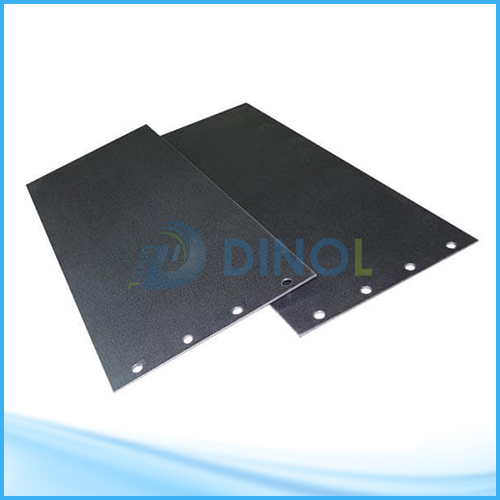
Each mining operation has its own requirements for cell size, current, and connection hardware. Tianyi provides anode designs that can be fully customized, including flat plates, mesh, tube, and rod shapes, and they can be made to fit existing tankhouse infrastructure. This freedom makes installation easier and keeps cell changes from being too expensive.
Logistics and International Procurement
For buyers from other countries, make sure they know the lead times, incoterms, and packaging standards (like anti-corrosion wrapping and wooden crate protection) before they buy. Tianyi ships all over the world from Baoji, China. Production wait times range from 15 to 30 days, based on the size of the order and the coating requirements. Your procurement process is safe if you ask for a full specification sheet and COA before shipment.
Maintenance Best Practices for MMO Anodes
Routine Inspection Protocol
Every three to six months, look over the MMO anodes. Check for coating separation, edge wear, or strange color changes, as these can be signs of an electrolyte imbalance or damage from reverse current. Early discovery stops covering failure before it happens.
Cleaning Methods That Preserve Coating Life
Calcium or barium sulfate scale layers can make the anode work less well. A soak in 5–10% hydrochloric acid at room temperature for 30–60 minutes is the best way to clean something, followed by a thorough rinse. You should never use abrasive mechanical cleaning because it hurts the oxide coating layer.
Preventing Reverse Current Damage
One of the most common reasons why MMO anodes fail too soon is reverse current that happens when the power goes out. Putting diodes or rectifier protection circuits in the power supply stops the polarity from switching. This simple safety measure can add several years to the life of an anode.
Conclusion
Tianyi sells certified mmo anode for electrowinning to mines in the Middle East, South America, Southeast Asia, North America, and South America. Our anodes are made to last and are light, but they also resist corrosion well, distribute current evenly, and use little energy. Our team will make sure that the finish you need works with your process, whether you need normal plates or a completely unique shape.
FAQ
How long does an MMO anode last compared to a lead anode?
A properly maintained MMO titanium anode typically lasts 8–10 years in copper or zinc electrowinning service. Lead-alloy anodes generally require replacement every 2–4 years under similar operating conditions. The longer service interval for MMO anodes reduces total replacement costs over the life of the tankhouse.
Are MMO anodes compatible with different metals in electrowinning?
Yes. MMO anodes are widely applied in copper electrowinning, zinc electrowinning, nickel, cobalt, and manganese recovery circuits. The coating formulation—ruthenium-iridium, iridium-tantalum, or mixed blends—is selected based on the specific metal and electrolyte chemistry. Tianyi engineers can recommend the correct coating for your application.
What should I evaluate before switching from lead to MMO anodes?
Review your current cell voltage, electrolyte composition, operating current density, and anode dimensions. Confirm that your rectifier system includes reverse current protection. Request sample anodes for a trial run before full conversion. Most operations that make this transition experience a smooth changeover within one production cycle.
Ready to Source a Trusted MMO Anode for Electrowinning Manufacturer?
Tianyi supplies certified MMO titanium anodes to mining operations across North America, South America, Southeast Asia, and the Middle East. Our anodes combine strong corrosion resistance, uniform current distribution, and low energy consumption in a lightweight, long-lasting design. Whether you need standard plates or a fully custom configuration, our team will match the right coating to your process. Contact us at info@di-nol.com to request a specification sheet and RFQ today.
References
1.Schlesinger, M. E., et al. — Extractive Metallurgy of Copper, Elsevier, 2011.
2.Pletcher, D., & Walsh, F. C. — Industrial Electrochemistry, Springer, 1990.
3.Moats, M., & Robinson, T. — "Copper Electrowinning Anode Performance Review," Hydrometallurgy, 2010.
4.Bard, A. J., & Faulkner, L. R. — Electrochemical Methods: Fundamentals and Applications, Wiley, 2001.
5.Robinson, T., et al. — "Advances in Electrowinning Anode Technology," Journal of The Electrochemical Society, 2014.
6.Houlachi, G. E., et al. — "Energy Consumption in Zinc Electrowinning," Minerals Engineering, 2007.