




Electrolytic Sodium Hypochlorite Generator vs Chlorine Dosing Systems
When procurement managers evaluate water disinfection options, two technologies consistently appear at the top of the shortlist: the electrolytic sodium hypochlorite generator and conventional chlorine dosing systems. The electrolytic sodium hypochlorite generator produces disinfectant on-site by passing electrical current through a saline solution, eliminating the need to transport or store hazardous chlorine chemicals. Chlorine dosing systems, by contrast, rely on pre-manufactured liquid or gas chlorine delivered by third-party suppliers. Choosing between them affects operational safety, regulatory compliance, and long-term cost—making the decision genuinely consequential for municipal water plants, food processors, aquaculture operators, and marine engineers alike.
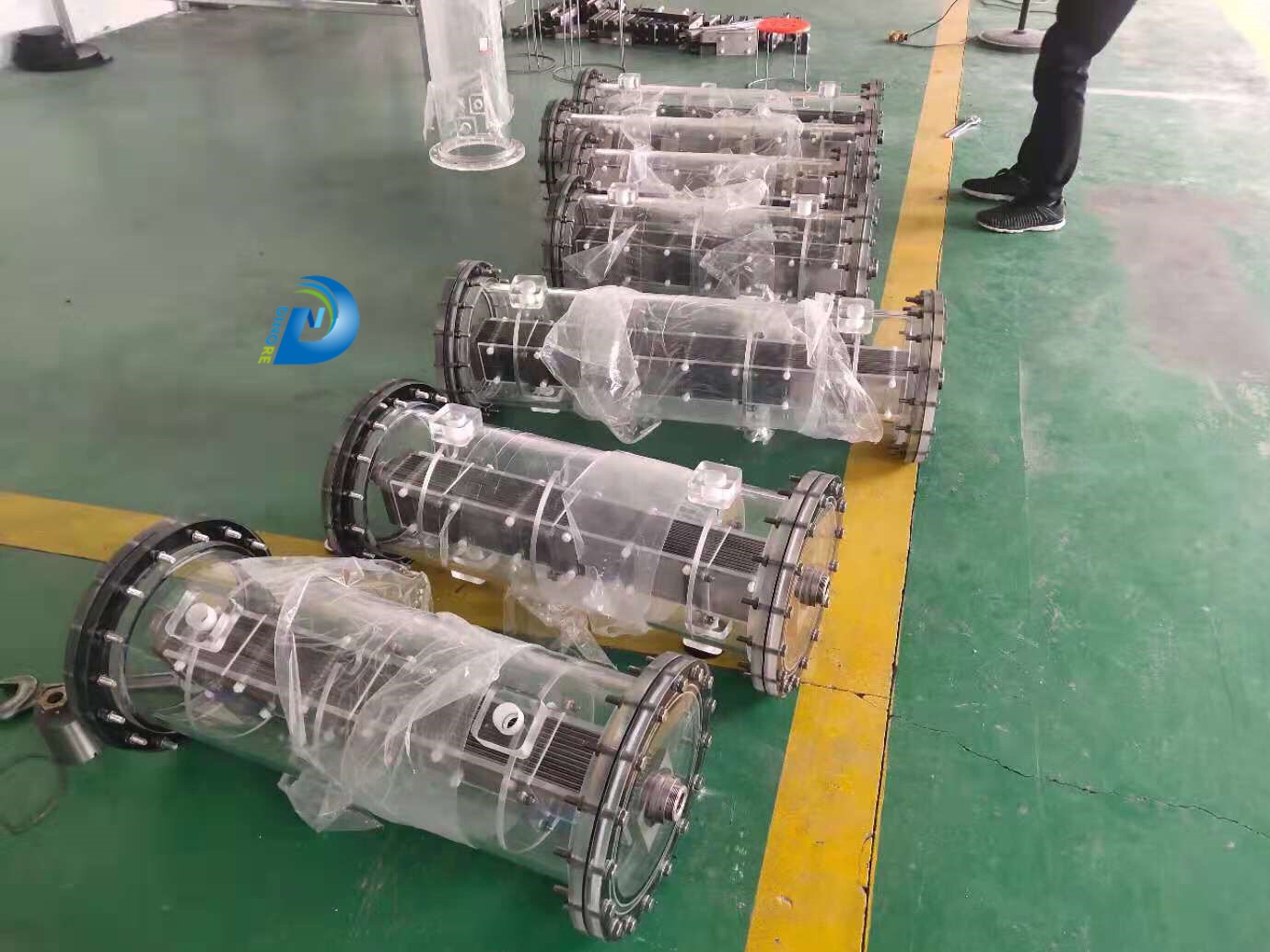
Understanding Disinfection Technologies: Electrolytic Sodium Hypochlorite Generators vs Chlorine Dosing Systems
How On-Site Generation Works
A 2–5% saline feed is changed into a sodium hypochlorite fluid inside the electrolytic cell by electrochemical processes. The reactions between the electrodes are simple: at the anode, 2Cl⁻ → 2e⁻ → Cl₂↑, and at the cathode, 2H⁺ + 2e⁻ → H₂↑. It ends up being NaCl + H₂O → NaClO + H₂↑. The hypochlorite ion that is made is just as strong at disinfecting and oxidizing as other chlorine derivatives, but the process only needs salt, water, and electricity—no chlorine tanks or chemical deliveries.
How Traditional Chlorine Dosing Systems Operate
Most systems use either compressed chlorine gas or sodium hypochlorite fluid that is bought in bulk from chemical sources. Gas chlorine has a high concentration, but it needs strict infrastructure for finding leaks, special storing, and trained chemical workers. Bulk liquid hypochlorite avoids gas dangers, but it breaks down quickly in storage, needs to be refilled often, and creates a supply chain dependence that can stop operations if deliveries are late or prices change, which is why an on-site electrolytic sodium hypochlorite generator offers a more self-sufficient alternative.
Core Differences at a Glance
The main differences that matter during the procurement process are shown in the table below:
| Factor | On-Site Electrolytic Generator | Chlorine Dosing System |
|---|---|---|
| Chemical supply | Self-sufficient (salt + water) | Third-party dependent |
| Storage hazard | Minimal | Moderate to high |
| Automation potential | High (unattended operation) | Moderate |
| Regulatory burden | Lower (no hazardous transport) | Higher |
| Long-term chemical cost | Near zero | Ongoing |
Key Benefits and Applications of Electrolytic Sodium Hypochlorite Generators
Primary Operational Advantages
The on-site production model gets rid of almost all the risks that come with moving chemicals. These are the main reasons why this technology is better than standard dosing:
- Elimination of hazardous chemical transport. No chlorine gas cylinders or bulk hypochlorite tankers means no OSHA or DOT transport compliance overhead and no community risk near the facility.
- Low running cost. The system consumes only salt and electricity. Tianyi's TY-WL series operates on 2–5% saline at inlet temperatures of 5–15°C, with energy consumption optimized by a new-structure electrode connection that minimizes stray current losses during electrolysis.
- Unattended operation readiness. The integrated control cabinet supports automated dosing adjustments, fault alarms, and remote monitoring, making the equipment practical for facilities with limited on-site staffing.
Procurement engineers say that the biggest problems they face are chemical supply disruptions, safety risks, and the high cost of operators being available 24 hours a day. These benefits directly address these issues.
Verified Application Scenarios
One thing that all of these things need is consistent, measurable disinfection without any downtime. This is true for municipal waterworks, marine ballast water treatment systems, swimming pool recirculation, food-plant CIP circuits, and aquaculture tanks. The TY-WL series can handle all of these situations because its MMO-coated titanium electrodes can handle low-salinity seawater and feed temperatures close to zero degrees Celsius. This means that the system can be used on ships or in cold-climate treatment plants where other electrodes might break down too soon.
Maintenance and Expected Service Life
Acid-washing with 15–18% hydrochloric acid is part of routine maintenance. It removes scale from electrode surfaces and is a simple process that any site technician can do by following the instructions given. Tianyi's Ru-Ir nano-coating on the titanium base is guarantyd to last at least five years of constant use. Facilities don't have to buy a new cell body just because the coating has worn off because Tianyi offers replacement electrode coating services, which helps extend the service life of an electrolytic sodium hypochlorite generator.
Critical Comparison: Performance, Cost, and Safety Metrics
Production Yield and Energy Efficiency
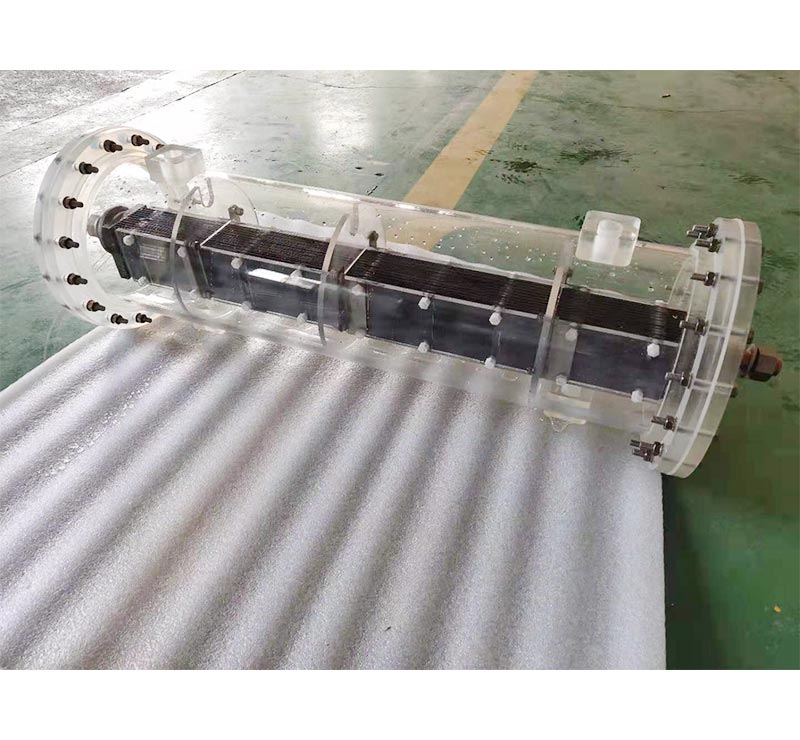
From 50 g/h (WL50B) to 2,000 g/h (WL2000B), the TY-WL series has nine different capacity grades. These range from small swimming pools to large municipal intakes. The WL50B has an operating voltage range of −5 V and the WL2000B has one from ≤40 V. The cell pressure stays at ≤0.2 MPa throughout the whole range, which is a constant safety margin. Chemicals can't damage the PMMA/PVC cell housings, and flow rates can range from 6–8 L/h to 250–400 L/h, which gives design engineers a lot of options for the right size.
Total Cost of Ownership
Usually, an electrolytic generator costs more up front than a simple dosing pump and tank set-up. On-site production, on the other hand, always has a lower total cost of ownership over a five-year period when buying chemicals, arranging delivery, making sure storage rules are followed, and getting regular hazard training are all taken into account. A study from the Water Research Foundation in 2021 found that when cities switched from buying hypochlorite in bulk to making it on-site using electrolysis, the yearly costs of running chemicals dropped by 30–50%.
Safety and Regulatory Compliance
Chlorine gas incidents are still known to be dangerous at work. The U.S. Chemical Safety Board has recorded several incidents of chlorine gas leaks at local water plants that led to injuries and evacuations. On-site electrolytic systems make hypochlorite at levels usually below 8 g/L, which is a long way below the level that makes most U.S. states require special storing rules for dangerous materials. It is important for marine operators that Tianyi's systems work with CCS certification pathways, which is a must for buying oceangoing vessels, and this is a major safety advantage of an electrolytic sodium hypochlorite generator.
How to Choose the Right Disinfection System for Your Business?
Define Your Capacity and Site Constraints First
First, find the highest amount of chlorine that is needed each day in grams per hour. Then, add a 20% design buffer. A factory that processes food and has three eight-hour CIP shifts might need 300–500 g/h, while a medium-sized city might need 1,000–2,000 g/h. Compare those numbers to the TY-WL model ladder to find one or two possible units before looking at different suppliers.
Evaluate Supplier Credentials and Certifications
In addition to product specs, procurement teams should check that a supplier has the right manufacturing certifications and can provide written references from similar projects. Listing with the CCS is required for systems on ships. For bids from cities and towns, you should ask for records of past project acceptance tests (FAT/SAT). Tianyi offers fully combined systems that include the electrolytic cell, rectifier power supply, and control cabinet. This means that the whole package comes from a single responsible maker, which makes it easier to handle both the bid document and the guarantee after installation.
Match Form Factor to Operational Reality
The WL series can be put together in flexible ways. Smaller units (WL50B–WL300B) work well in places with limited space, like engine rooms on ships or small service areas in food plants. Larger units (WL1000B–WL2000B) are mounted on skids and used in municipal plant rooms. Tianyi also has OEM/ODM agreements for equipment integrators who need the electrolytic cell to be built into a system with their own brand name on it.
Conclusion
The choice between on-site electrolytic generation and traditional chlorine dosing is not just a matter of technology; it also comes down to danger and lifetime cost. On-site generation gets rid of the need to rely on chemical supplies, lowers the risk of dangerous materials, and gives a measurable return through lower chemical costs over the life of the equipment, which is five years. With Ru-Ir nano-coated titanium anodes and nine different grade capacities ranging from 50 to 2,000 g/h, the TY-WL series gives procurement engineers a technically sound choice for uses in marine, food processing, aquaculture, and cities. On-site electrolytic generation, specifically an electrolytic sodium hypochlorite generator, is the better investment for facilities that care about safety and long-term operational stability.
FAQ
Can an electrolytic generator fully replace a chlorine dosing system in a large water plant?
Yes, as long as the unit is the right size. On-site generation has been successfully implemented at municipal plants that process millions of gallons of water every day. The WL2000B makes 2,000 g/h, and multiple units can be connected in parallel for setups with higher demand.
How often does the electrolytic cell need acid-washing?
Feed-water hardness and working hours affect how often it happens. Most users clean the electrodes with 15–18% hydrochloric acid every 500–1,000 hours of use to get rid of calcium scale and make the electrodes work better again.
What happens if the electrode coating wears out before five years?
Tianyi offers direct services for re-coating electrodes. Since the titanium substrate can be used again and again, operators only have to pay to renew the coating instead of buying a whole new cell, which saves them a lot of money.
Is the system safe for unattended overnight operation?
Yes. The built-in control cabinet has fault detection, automatic shutdown for abnormal flow or current, and an alarm output for use from a distance. Because of these features, the method can be used in places with only one shift of staff.
What certifications are available for marine applications?
Tianyi's tools can handle approval paperwork from the China Classification Society (CCS). If a buyer wants to work with another classification society, they should talk to the Tianyi technical team directly about their specific certification needs.
Partner with Tianyi for Your Next On-Site Chlorination Project
The TY-WL electrolytic sodium hypochlorite generator supplier team at Tianyi is ready to help you figure out what size system you need for your needs. We can help you with field references, FAT/SAT support, and full OEM integration whether you are looking for equipment for a municipal bid, an upgrade to a food plant, or a vessel's ballast water system. To get a detailed datasheet or project advice, email us at info@di-nol.comright now.
References
1.Water Research Foundation. On-Site Sodium Hypochlorite Generation: Cost and Performance Evaluation. Water Research Foundation, 2021.
2.White, G. C. Handbook of Chlorination and Alternative Disinfectants. 5th ed. John Wiley & Sons, 2010.
3.U.S. Chemical Safety and Hazard Investigation Board. Chlorine Release Incident Investigation Reports. CSB, 2019.
4.American Water Works Association. AWWA M20: Water Chlorination/Chloramination Practices and Principles. AWWA, 2020.
5.Kraft, A. "Electrochemical Water Disinfection: A Short Review." Platinum Metals Review, vol. 52, no. 3, 2008, pp. 177–185.
6.International Maritime Organization. BWM Convention Guidelines for Ballast Water Management Systems. IMO, 2022.