




Why Choose Diaphragmless Electrolyzers for Green Hydrogen Production?
If you manage procurement for water treatment, marine systems, or industrial facilities, you already know the pressure to find equipment that works reliably without inflating your operating budget. A diaphragmless electrolyzer offers a direct answer to that challenge. By removing the physical membrane that traditional systems depend on, this technology simplifies the electrolysis process, lowers energy draw, and reduces the number of components that can fail. For facilities targeting on-site hydrogen generation or electrochemical treatment at scale, this architecture delivers measurable performance with a lower total cost of ownership.
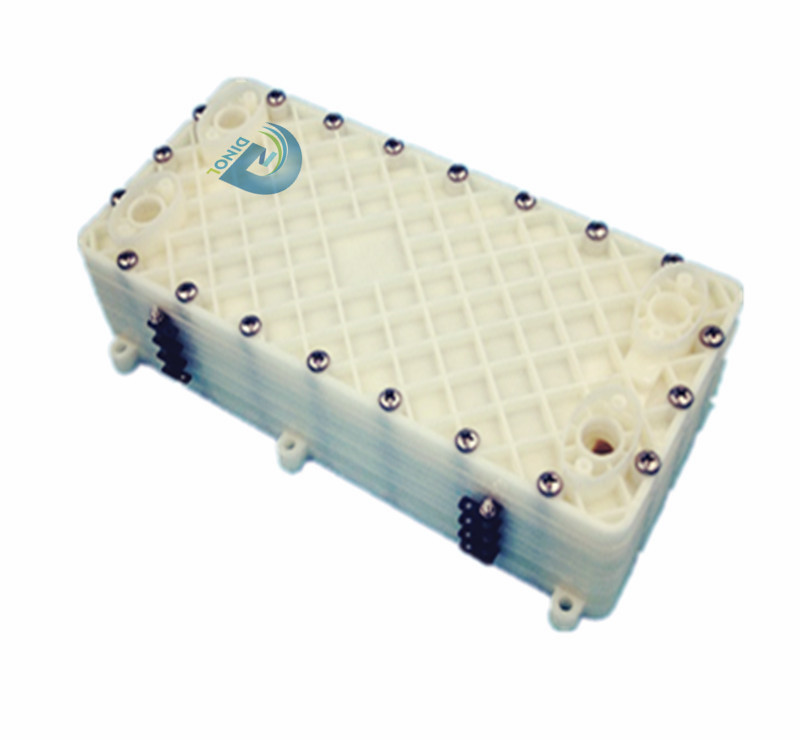
Understanding Diaphragmless Electrolyzers: Principles and Mechanism
How the Electrochemical Reaction Works
Inside the electrolytic cell, direct current passes between a coated titanium anode and a cathode. The electrode reactions proceed as follows:
- Anode: 2Cl⁻ − 2e⁻ → Cl₂↑
- Cathode: 2H⁺ + 2e⁻ → H₂↑
- Total reaction: NaCl + H₂O → NaClO + H₂↑
The saline feed solution (2%–5% concentration) circulates through the cell at a controlled flow rate. Hydrogen gas exits at the cathode, while the anodic side produces active chlorine species. Because no membrane separates the electrode chambers, ionic transport is direct and internal resistance stays low.
Key Structural Features
The cell body is built from PMMA or PVC, both of which resist chemical attack under continuous operation. The structural design uses a new-generation connection method that reduces stray current during electrolysis. This matters in practice: lower stray current means less energy lost to unproductive side reactions and slower wear on electrode surfaces. Even if an electrode plate is briefly exposed to air during maintenance, the system resumes normal operation without damage, a key advantage of a diaphragmless electrolyzer.
Electrode Coating Technology
Tianyi's TY-WL series electrodes carry a Ru-Ir nano-coating applied to a titanium substrate. Mixed metal oxide (MMO) coatings of this type are well-documented in electrochemical literature for their corrosion resistance and long service life. The coating performs reliably in low-salinity seawater and in low-temperature environments (inlet water: 5–15°C), which makes it suitable for marine and cold-climate installations. Tianyi specifies a coating service life of five years under rated operating conditions.
Comparing Diaphragmless Electrolyzers with Other Electrolyzer Types
Diaphragmless vs. Traditional Diaphragm Electrolyzers
Normal asbestos or polymer-diaphragm cells need to have their diaphragms replaced every so often, which adds to the planned downtime and the cost of the materials. The diaphragm adds more resistance, which makes the system use more energy per unit output. A cell without a membrane gets rid of that maintenance break completely. The downside is that the gas purity in the output stream might not be as high as it would be in a separated-chamber design. However, the purity level produced by diaphragmless cells is fine for small to medium-sized on-site hydrogen production.
Diaphragmless vs. PEM Electrolyzers
Electrolyzers with a Proton Exchange Membrane (PEM) make hydrogen that is very pure and work well at high current densities, but they cost a lot more to buy. Nafion membranes are pricey and depend on the quality of the feed water in PEM systems. A diaphragmless electrolyzer is a useful option for procurement teams that work in municipal water plants or on ships where budgets and feed-water variations are real issues. It doesn't need deionized water and costs less per installed kilowatt of capacity.
Performance and Cost Summary
The main differences that industrial buyers care about are summed up below:
- Energy consumption: Diaphragmless cells benefit from lower internal resistance, which translates into lower specific energy consumption compared to diaphragm designs.
- Maintenance interval: No membrane replacement means fewer planned shutdowns and reduced spare-parts inventory.
- Feed-water tolerance: Standard saline solution (2%–5%) is acceptable; no ultrapure water treatment is required.
- Capital cost: Lower than PEM at equivalent output capacity, making it accessible for mid-scale procurement budgets of $40,000–$700,000.
When making bid documents or internal cost-benefit analyzes, these differences help procurement managers make the case for the choice on both technical and financial grounds.
Practical Applications and Industrial Use Cases
Municipal Water Treatment
Water companies need to be able to make chemicals on-site in a way that doesn't depend on storing liquid chlorine. The TY-WL line has chlorine outputs ranging from 50 g/h (WL50B) to 2,000 g/h (WL2000B), so engineers can directly match unit capacity to plant flow needs. All types have a cell pressure rating of 0.2 MPa, which means they can be used with normal utility pipes without any changes.
Marine and Vessel Systems
Ballast water treatment and onboard disinfection systems need equipment that can handle the saltiness of seawater and the shaking of the ship. According to Tianyi, the Ru-Ir coated electrodes in his cells work properly in low-salt saltwater, and the small size—the longest WL2000B is 1,200 mm long—allows it to be installed in engine rooms. Projects that need class society approval can get help with CCS certification.
Food Processing and Industrial Facilities
Food plants that follow Clean-in-Place (CIP) rules need reliable electrolysis equipment that can be used by nite shift workers without being watched. Automatic fault detection is built into the TY-WL control cabinet. This lets the system run without constant operator supervision. Instead of continuing to run in a bad state if a fault happens, the system logs the event and tells the support staff.
This is a list of the three main fields and the business methods that work best in each one:
- Municipal water plants: WL500B–WL2000B (500–2,000 g/h), current range 120–460 A
- Marine vessels: WL200B–WL750B (200–750 g/h), compact shell diameters 140–200 mm
- Food/industrial CIP: WL100B–WL500B (100–500 g/h), flow rates 12–85 L/h
Procurement Considerations for B2B Clients
Capacity and Parameter Matching
Before sending out a request for quotes, engineering teams should make sure of three things: the amount of chlorine or hydrogen that needs to be produced every hour, the flow rate of the feed water, and the voltage of the DC power source. It can handle voltages between -5 V (WL50B) and -40 V (WL2000B) and currents between 60 A and 460 A (±20%). The most common installation mistake is matching the power supply wrongly to the cell rating. This mistake is easiest to avoid during the design phase, especially when specifying a diaphragmless electrolyzer.
Evaluating Supplier Reliability
When making competitive bids, procurement managers should make sure that a seller can provide documentation for the factory acceptance test (FAT), on-site commissioning support, and a trained service team for recoating the electrodes. Tianyi can recoat original electrode plates, which makes cells last longer than the first coating cycle without having to be replaced completely. This directly lowers the total cost of ownership over the life of an asset, which is 10 years.
Certifications and After-Sales Terms
For marine procurement, you must have a CCS listing or documents from a similar class society. For city and food projects, the supply deal should include CE marking and proof that the water quality rules in the area are being followed. Buyers should also check the details of the pickling process. Tianyi suggests using 15–18% hydrochloric acid for regular descaling, and this should be put into the maintenance plan that was agreed upon when the contract was signed.
Future Outlook and Sustainability Impact
Alignment with Decarbonization Goals
Green hydrogen is made by electrolyzing water with electricity from renewable sources. It has almost no carbon emissions. The Hydrogen Shot goal set by the U.S. Department of Energy is to get the price of clean hydrogen down to $1/kg by 2030. Diaphragmless electrolyzers help project developers reach their cost goal faster than membrane-dependent alternatives because they need less capital and maintenance.
Integration with Renewable Energy Sources
Because diaphragmless cells can handle changing current input better than PEM cells that need a set membrane preconditioning, they work well with solar or wind power sources that don't work all the time. Because of this, they can be used to make hydrogen in remote areas or on island-mode microgrids.
Research and Technology Trajectory
Electrochemical engineering journals are currently publishing research that aims to improve the adhesion of MMO coatings at high current densities and make them last longer than five years. Methods for preparing the surface of titanium substrates and the ratios of covering compositions are still being studied. When people buy Ru-Ir covered titanium anodes today, they are getting cutting-edge technology. In the next five to ten years, this technology is expected to get even better.
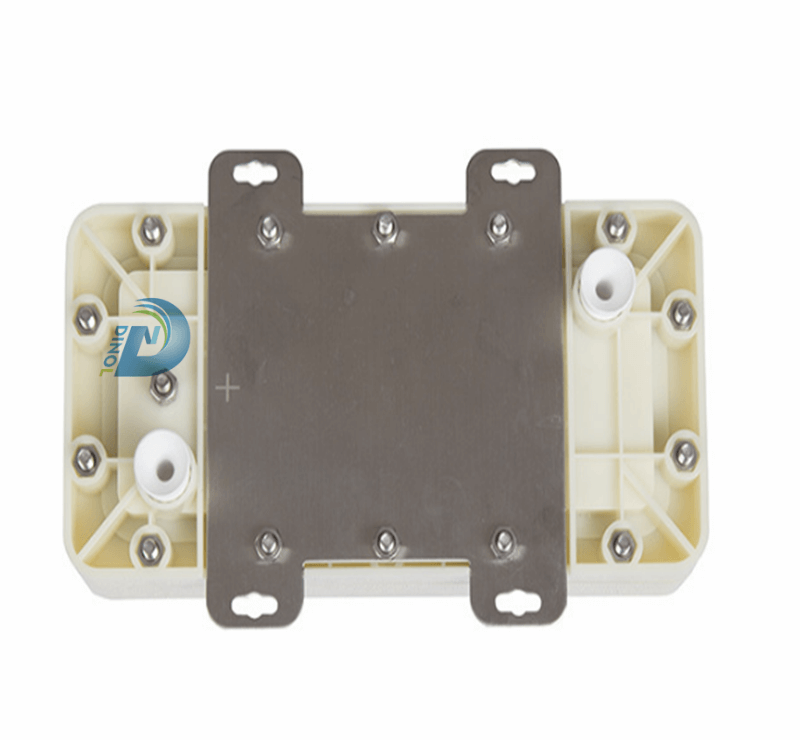
Conclusion
For municipal, naval, and industrial users, a diaphragmless electrolyzer is a technically sound and cost-effective way to make hydrogen and active chlorine on-site. The lack of a membrane lowers resistance, cuts down on maintenance needs, and keeps capital costs within the reach of budgets for medium-sized purchases. The TY-WL series from Tianyi supports this architecture with nine models that can handle between 50 and 2,000 g/h, Ru-Ir nano-coated titanium electrodes, and full after-sales support that includes recoating electrodes. This technology should be carefully looked at by buying teams who are making a design right now.
FAQ
How long does the electrode coating last?
Tianyi specifies a five-year service life for the Ru-Ir nano-coating under rated operating conditions. After that period, the electrode plates can be recoated using Tianyi's original technical service rather than replaced entirely, which reduces long-term costs.
What feed water does the system require?
All TY-WL models operate on 2%–5% saline solution at an inlet temperature of 5–15°C. No deionized or ultrapure water treatment is required, which simplifies site preparation compared to PEM-based systems.
Can the system run without an operator present?
Yes. The integrated control cabinet includes automatic fault detection that supports unattended operation. If a fault occurs, the system alerts maintenance staff rather than continuing in a degraded condition.
What certifications are available?
CE marking is standard. CCS (China Classification Society) certification support is available for marine applications requiring class society documentation. Buyers should confirm specific certification requirements during the quotation stage.
How do I choose the right model?
Match the WL model to your required effective output (50–2,000 g/h), available flow rate (6–400 L/h), and DC power supply capacity. Tianyi's technical team can assist with model selection during the pre-order consultation.
Partner with Tianyi for Your Next Diaphragmless Electrolyzer Project
Tianyi designs and makes the TY-WL series with one goal in mind: to provide reliable, low-maintenance electrolysis cells to businesses that need them, along with real technical support. As a professional company that makes diaphragmless electrolyzers, we provide nine different capacity grades, Ru-Ir coated titanium anodes with a five-year coating guaranty, OEM/ODM configurations, and help with setting up the machines on-site. We can help you make the right design whether you are looking for a boat retrofit or a work for the city. You can get a detailed quote by emailing us at info@di-nol.com.
References
1.Trasatti, S. (1999). Electrochimica Acta— "Electrocatalysis: Understanding the success of DSA."
2.U.S. Department of Energy. (2021). Hydrogen Shot— "Pathways to Commercial Liftoff: Clean Hydrogen."
3.Karlsson, R. K. B., & Cornell, A. (2016). Chemical Reviews— "Selectivity between Oxygen and Chlorine Evolution in the Chlor-Alkali and Chlorate Processes."
4.International Energy Agency. (2023). Global Hydrogen Review— Annual assessment of hydrogen production technologies and market developments.
5.Cobo, M., Pieruccini, D., & Abello, R. (2014). International Journal of Hydrogen Energy— "MMO coatings for chlorine evolution: Stability and performance under industrial conditions."
6.Grigoriev, S. A., Fateev, V. N., & Bessarabov, D. G. (2020). International Journal of Hydrogen Energy— "Current status, research trends, and challenges in water electrolysis science and technology."