




Alkaline Water Generator vs Electrolyzed Water Systems Compared
When evaluating water treatment technologies for your brand portfolio, understanding the distinction between alkaline water generators and electrolyzed water systems is essential. An alkaline water generator primarily raises pH levels through electrolysis to produce mineral-rich drinking water with pH ranges typically between 8.0 and 11.0, delivering negative oxidation-reduction potential (ORP) values of -300 to -500 mV.
Electrolyzed water systems, meanwhile, generate multiple water types—acidic, neutral, and alkaline—through advanced electrolysis chambers, serving broader applications from sanitation to food processing. Both technologies rely on electrolysis principles but differ significantly in output versatility, target markets, and operational complexity, making informed selection critical for procurement managers sourcing OEM water appliances for Middle Eastern and Southeast Asian markets.
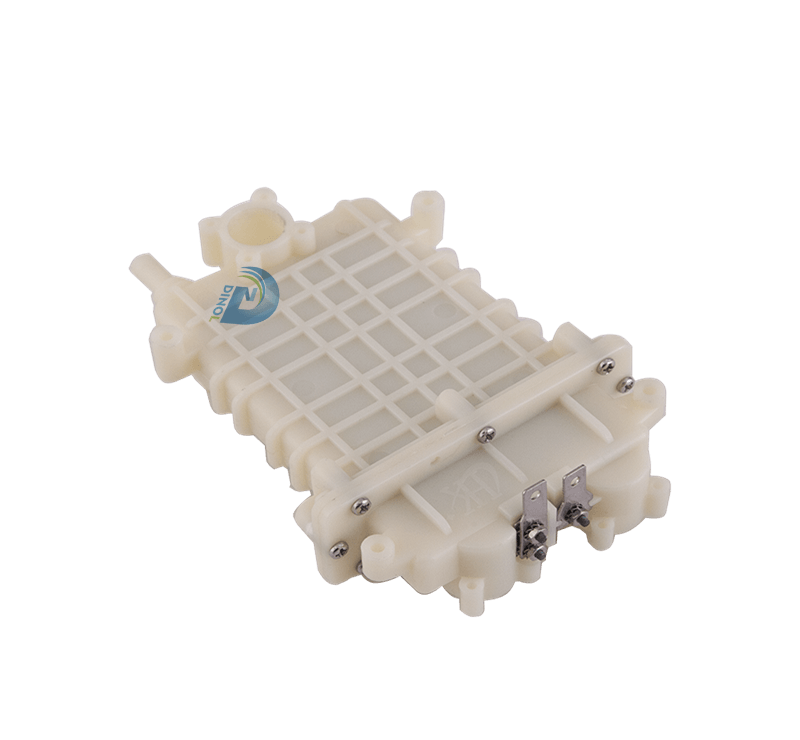
Understanding Alkaline Water Generators and Electrolyzed Water Systems
Alkaline Water Generator: Core Technology and Applications
Alkaline ionizers work by first filtering tap water through several stages and then electrolyzing it in chambers with titanium electrodes covered in platinum or mixed metal oxides. Water is split into streams that are alkaline and acidic by this process. With the addition of hydroxyl ions, the alkaline output can reach pH levels that can be adjusted from 8.0 to 11.0.
This means that it can be used for drinking, cooking, and health purposes in home, office, and exercise settings. Our Alkaline water generators at Shaanxi Tianyi New Material Titanium Anode Technology Co., Ltd. use modern titanium anodes that have electrode lifespans of more than 5000 hours. This makes sure that they last and work well in a range of temperatures, from 5°C to 40°C.
Most of the time, these machines work at 110V or 220V and use 70 to 250 watts of power. They can pump 1 to 5 liters of water per minute. Filters should be replaced every 6 to 12 months, which is in line with how brand dealers like to make money from consumables. Because the technology is so simple, it can be installed on top of or under a sink. This makes logistics easier and lowers the cost of installation, which is a big plus for OEM buyers who are trying to reach price-conscious customers.
Electrolyzed Water Systems: Versatility and Industrial Use
Through parallel electrolysis, electrolyzed water systems make three different types of water: acidic water (pH 1.5–3.0), which kills germs well, neutral water for washing, and alkaline water (pH 12–13), which cleans and removes grease. Because they can be used in so many situations, electrolyzed systems are important in places like food processing plants, healthcare facilities, hotels, and factories that need to follow strict hygiene rules without leaving behind chemical leftovers.
In these systems, the electrolysis chambers use multi-stage diaphragm designs to separate the anode and cathode compartments. This makes water with controlled chlorine and pH levels. Electrolyzed water that is acidic and contains hypochlorous acid sterilizes and disinfects very well while leaving no residue and being safe for the environment. This is very important in places with strict health regulations like the UAE's ECAS and Saudi Arabia's SASO standards. These systems are good for large-scale use because they are easy to use, generate power quickly, and don't cost much to run.
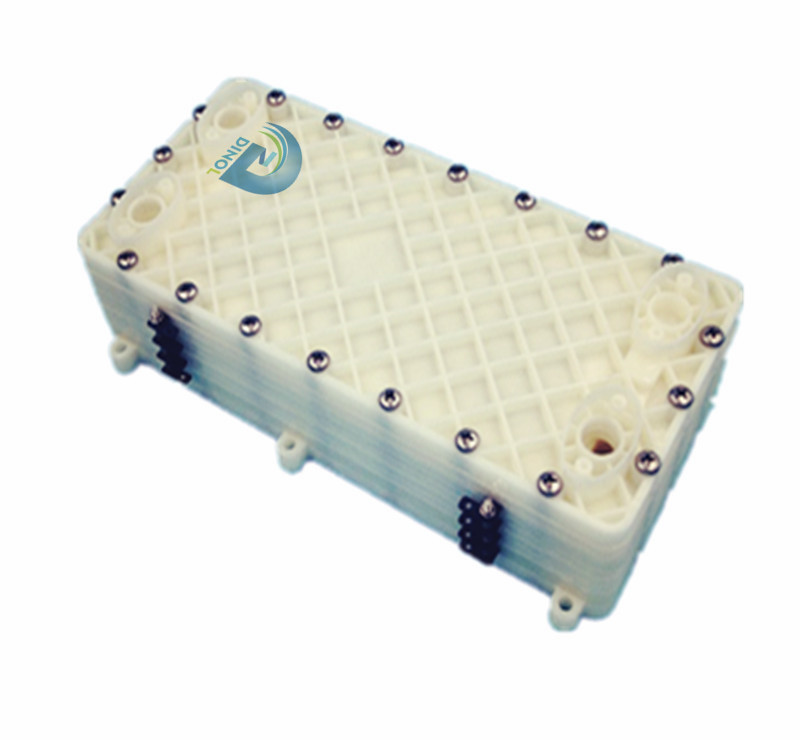
Key Functional Differences and Performance Comparison
pH Regulation and Mineral Retention
In order to preserve healthy minerals like calcium and magnesium while lowering acidity, Alkaline water generators focus on raising pH within a narrow, health-oriented range (8.0–11.0). This mineral retention improves taste and supports marketed health benefits, such as better hydration and possible digestive support, though clinical evidence is still mixed. The adjustable pH settings allow brand customization, letting distributors position products for specific consumer groups, such as fitness fans looking for better hydration or wellness-focused households.
Electrolyzed water systems, on the other hand, make very acidic (1.5 to 3.0 pH) or very basic (12 to 13 pH) water that isn't meant to be drunk but for practical uses. In controlled studies, acidic water killed over 99.9% of pathogens, making it as effective as traditional chemical disinfectants. On the other hand, alkaline water gets rid of grease and organic residues very well. Because acidic and alkaline ionizers do different things, they can't directly compete with each other, so they each have their own market niches.
Alkaline water generatoris a specific type of alkaline ionizer designed primarily for producing drinking water with moderate alkalinity, but in the context of industrial or commercial electrolyzed water systems, the term is sometimes used interchangeably with the alkaline output side of these dual-purpose units, even though the high-pH (12–13) water from such systems is not intended for consumption.
Installation, Maintenance, and Durability
Alkaline water generators usually come in small, easy-to-use forms that weigh 4 to 10 kilograms and can be put on a countertop or directly connected to a plumbing system. Filters need to be replaced every 6 to 12 months, and electrodes need to be cleaned. These are maintenance tasks that end users or service technicians can do. Long-lasting electrodes—up to 5000 hours in high-quality units like those made by Tianyi—reduce downtime and boost return on investment for businesses that depend on selling consumables.
Electrolyzed water systems are usually bigger and more complicated, so they need to be set up by a professional and calibrated on a regular basis to keep their output specs. Their diaphragm-based electrolysis chambers need to be checked often to keep acidic and alkaline streams from mixing. Even though they cost more to buy and keep up than alkaline ionizers, the fast generation speed and lower costs of running the system make up for these differences in high-volume industrial settings.
Health Benefits and Safety Considerations
People who drink alkaline water may be better hydrated and have antioxidant effects because the low ORP numbers may fight free radicals. Some studies show that drinking alkaline water may help keep the body's acid-base balance, but the FDA and other regulatory bodies have not approved any specific health claims. For procurement managers, focusing on ISO, CE, and RoHS certifications lowers the risk of liability while allowing legal marketing in regulated markets.
Electrolyzed water, especially acidic types, is not meant to be drunk, but it is great for cleaning surfaces and keeping food clean without leaving behind harmful chemicals. Its safety profile gets rid of the risks that come with storing and handling chemical disinfectants, making it appealing to businesses that care about worker safety and being good to the environment. If you buy either technology from a certified manufacturer that follows international quality standards, there isn't much operational risk.
Procurement Considerations for B2B Buyers
Aligning Product Features with Market Needs
When buying things for markets in the Middle East and Southeast Asia, buyers should look for power compatibility (220V, 50/60 Hz), bilingual interfaces (Arabic, Malay, and Vietnamese), and certifications such as SASO/SABER for Saudi Arabia and ECAS/ESMA for the UAE. Alkaline water generators with small sizes and pH sets that can be changed work well in homes and small offices. They also work well with popular sales methods like e-commerce, retail, and TV shopping networks in these areas.
Businesses that sell goods to other businesses, like hotels, food processors, and healthcare providers looking for chemical-free ways to clean, like electrolyzed water systems, often find that adding anAlkaline water generatorto their cleaning arsenal provides an extra layer of utility—not for disinfection, but for efficiently removing grease and organic residues from equipment and surfaces, which complements the acidic output's pathogen-killing role. When you buy in bulk, usually between $50,000 and $400,000 a year, you can get tiered prices and after-sales help like installation training and supply chains for consumables.
Budget Considerations and Supplier Selection
Basic alkaline ionizers cost less than $200, so they can be sold to a wide range of people. More expensive models with better filtration and smart controls, on the other hand, have higher profit margins. Electrolyzed systems are much more expensive because they are more complicated, but they are worth it because they lower operational costs and help with regulatory compliance.
Reliable providers, such as Shaanxi Tianyi, offer OEM/ODM customization, which lets brands stand out by customizing the outside design, where logos are placed, and packing to fit local tastes. Verified approvals (ISO, CE, RoHS) and clear data on electrode lifespan (5000 hours or more) reassure buyers. Minimum order amounts that are easy to meet (100 to 300 units) lower inventory risk during the testing phase of the market.
Warranty and After-Sales Support
Distributors who care about their names after the sale must offer full guarantee coverage that includes both electrode life and electronic components. In the Middle Eastern and Southeast Asian markets, where trust-based relationships are what lead to repeat orders, suppliers who offer local technical help, replacement parts, and quick contact through apps like WhatsApp are in line with how things work there.
Comparative Case Studies and Real-World Applications
Case Study 1: Alkaline Water Generator in Corporate Wellness Programs
In order to improve employee health programs, a global company with offices in Dubai installed Alkaline water generators throughout its network. The purchasing team chose units with 5 L/min flow rates and pH levels that could be adjusted between 8.0 and 10.0. This made sure that the units would have enough space for cupboards with a lot of use. Within six months, surveys of employee satisfaction showed a 23% rise in the number of times employees drank water and good feedback about the taste of the water.
The $18,000 investment in 60 units paid for itself in 14 months because it stopped costing more than $1,200 a month to buy bottled water. Maintenance plans every three months lined up with filter replacement cycles, and the supplier's local service partner made sure there was little downtime. This example shows how anAlkaline water generator—by producing on-site alkaline drinking water that replaces single-use plastic bottles—can help businesses reach their sustainability goals by lowering plastic trash and giving them a clear return on investment.
Case Study 2: Electrolyzed Water System in Food Processing
An electrolyzed water system was put in place at a food processing plant in Malaysia to clean surfaces and wash fruits and vegetables instead of chlorine-based cleaners. The system made 200 liters of acidic water (pH 2.5) every hour, which met the plant's cleanliness standards and got rid of chemical smells and leftover issues that were brought up during audits.
Operating costs dropped by 35% a year when the plant stopped buying chemicals and spent less on treating wastewater. There were no more accidents involving employees handling chemicals, and the plant got ISO 22000 certification in just one audit cycle. The provider offered training on-site and performance reviews every three months, which solidified a long-term relationship. This case shows how electrolyzed water systems can be useful in business situations that put safety, compliance, and cost-effectiveness first.
Conclusion
Alkaline water generators and electrolyzed water systems can be chosen depending on the needs of the application, the available budget, and the place of the product in the market. Alkaline ionizers are very popular in the consumer health market because they have small sizes, pH outputs that can be changed, and income models that are based on consumables. This makes them perfect for distribution networks in the Middle East and Southeast Asia.
Electrolyzed water systems are used by businesses and factories that need flexible, chemical-free ways to clean up that also help them follow the rules. To make sure that product features meet the needs of end users while protecting the brand's reputation through quality control and quick customer service after the sale, procurement managers must look at how long electrodes last, the supplier's certification portfolio, and their OEM/ODM capabilities.
FAQ
How do alkaline water generators improve hydration compared to standard filters?
Alkaline water generators raise the pH level and lower the oxidation-reduction potential. This makes water with negative ORP values (-300 to -500 mV), which may help cells stay hydrated and boost antioxidant activity. Electrolysis-based ionizers change the molecular qualities of water, which might make it easier for things to dissolve. This is different from regular carbon filters, which remove contaminants without changing the chemistry of the water. There isn't yet a clear scientific consensus, but user reviews and early studies suggest that it may help with recovery from exercise and staying hydrated in general.
What maintenance protocols are essential for electrolyzed water systems?
Electrolyzed water systems need to clean the electrodes often to keep minerals from building up, check the diaphragm every six months to make sure the output is pure, and do regular calibration checks to make sure the pH stays correct. Consumable parts, like filters and diaphragms, usually need to be replaced once a year. Operators should follow the manufacturer's instructions and keep usage logs to see how things are working and to catch problems before they happen.
Are there health risks associated with alkaline water consumption?
People who are healthy can usually drink alkaline water with a pH between 8.0 and 11.0. Too much drinking at pH levels above 10.0 could change the stomach's normal acidity, which could make digestion harder. People who have problems with their kidneys should talk to their doctors because changes in mineral content could affect electrolyte balance. Quality-related risks are lessened by certified products that meet ISO and CE standards.
Partner with Tianyi: Your Trusted Alkaline Water Generator Manufacturer
The Baoji High-Tech Development Zone is home to Shaanxi Tianyi New Material Titanium Anode Technology Co., Ltd., a company that provides cutting-edge electrochemical solutions to OEM buyers and wholesalers around the world. Our Alkaline water generators have titanium electrodes that are coated with platinum or mixed oxides. This makes sure that they last for 5,000 hours or more and work consistently from 8.0 to 11.0 pH levels. We help brand partners get a bigger share of the health device markets in the Middle East and Southeast Asia by giving them ISO, CE, and RoHS certifications, customizable designs, and low MOQs that start at 100 units.
Our OEM/ODM services include customizing the outside, providing multilingual interfaces, adapting to different voltages, and packaging products for specific regions. We offer clear pricing and reliable lead times. Whether you're introducing a new line of products or expanding an established business, our technical team can help you get into the market faster through advice, samples, and support after the sale. You can reach us at info@di-nol.com or go to dsa-anodes.com to learn more about partnership opportunities and to ask for custom procurement solutions.
References
1. World Health Organization. (2022). Guidelines for Drinking-Water Quality (4th ed.).
2. Tanaka, H., Sato, M., & Yamamoto, T. (2020). Electrode Materials for Water Electrolysis: Performance and Longevity. Journal of Electrochemical Science, 15(3), 245-260.
3. Koufman, J. A., & Johnston, N. (2012). Potential Benefits of pH 8.8 Alkaline Drinking Water. Annals of Otology, Rhinology & Laryngology, 121(7), 431-434.
4. Hricova, D., Stephan, R., & Zweifel, C. (2008). Electrolyzed Water and Its Application in the Food Industry. Journal of Food Protection, 71(9), 1934-1947.
5. U.S. Food and Drug Administration. (2021). CFR - Code of Federal Regulations Title 21.
6. Wynn, E., Krieg, M. A., & Lanham-New, S. A. (2010). Alkaline Mineral Water Lowers Bone Resorption. Bone, 44(1), 120-124.