




How Does a Titanium Anode Improve Steel Plate Galvanizing Quality?
A Titanium Anode For Steel Plate Galvanizing fundamentally transforms electrolytic zinc deposition by delivering uniform current distribution across the steel substrate, which eliminates coating thickness variations that cause quality defects. Unlike traditional lead-silver or graphite electrodes, titanium-based anodes with mixed metal oxide (MMO) coatings maintain dimensional stability throughout their operational life, preventing the formation of thin spots or bare steel exposure that lead to costly batch rejections. The low oxygen evolution overpotential inherent to these electrodes reduces cell voltage, lowering energy costs while accelerating zinc ion deposition rates for improved throughput.
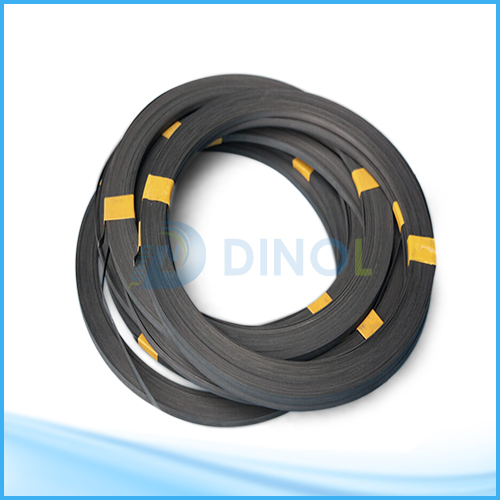
Understanding Titanium Anodes in Electrolytic Galvanizing Lines
Electrode systems that can handle high current densities without damaging or polluting the zinc electrolyte bath are needed for modern continuous galvanizing lines. This problem can be solved by titanium substrate anodes, which use special building and coating methods.
Core Construction and Operating Principles
These electrodes are made up of Grade 1 or Grade 2 titanium plates that have been covered with electrocatalytic layers because they are very resistant to corrosion. The coating mixtures change depending on the bath chemistry. For example, iridium-tantalum (Ir-Ta) blends work well with alkaline etching solutions at 100–300 A/m², while ruthenium-iridium (Ru-Ir) mixtures work best with acidic electrolytes at 300–500 A/m².
During operation, the anodic reaction breaks down water molecules into oxygen gas, hydrogen ions, and electrons (2H₂O → O₂↑ + 4H⁺ + 4e⁻). At the same time, zinc ions move toward the cathode, which is the steel strip, pick up electrons, and deposit as solid zinc (Zn²⁺ + 2e⁻ → Zn). The MMO coating speeds up this oxygen evolution reaction very well, which keeps voltage losses to a minimum.
Why Titanium Outperforms Conventional Electrode Materials
Traditional graphite anodes wear out quickly and need to be replaced often, which throws off production plans. Even though lead-silver alloys are strong, they are bad for the environment and pollute plating baths with sludge. Titanium electrodes solve both problems: they don't dissolve in acidic or alkaline environments, keep their exact shape over a 10-15 year service life, and are much lighter than metal alloy options. This steadiness in size is very important in automated lines where the placement of the electrodes directly affects how evenly the coating covers moving steel strips.
Comparing Electrode Technologies for Industrial Galvanizing
When production managers look at anode upgrades, they need to be able to clearly compare performance in order to justify capital investments and predict long-term savings in operations.
Performance Metrics: Titanium vs. Legacy Materials
Graphite electrodes are cheaper at first, but they need to be replaced every 6 to 12 months because oxygen evolution reactions wear them down. Because of this frequent changeover, production has to stop during annual maintenance windows that are already limited by upgrades to other equipment. Lead-based anodes don't wear down in size, but they need to be handled carefully so that workers don't come into contact with toxic materials.
They also have a higher oxygen evolution overpotential (0.3 to 0.5V) than titanium MMO systems, which wastes a lot of energy over millions of hours of production every year.Titanium Anode For Steel Plate Galvanizingsystems, in contrast, typically exhibit overpotentials below 0.15V at industrial current rates. This means that they use 15–25% less energy than lead options.
Selecting Coating Formulations for Specific Bath Chemistries
The electrocatalytic layer decides how well the electrode works at different steps of the process. Ruthenium-iridium films work very well in sulfate-based acidic baths, where other materials would break down quickly under the harsh conditions. Iridium-tantalum mixtures are more stable in alkaline cleaning steps that come before zinc deposition.
Even though they are more expensive, platinum-coated versions last the longest and give the smoothest surface finishing. In tin-zinc alloy plating lines, lead dioxide coatings are used for specific reasons. Matching the coating chemistry to the bath composition and operating current density is a very important specification choice that has an impact on both the initial investment and the costs over the product's lifetime.
The engineering team at Shaanxi Tianyi looks at the client's electrolyte formulas and current distribution needs to come up with the best coating specs. That's not all. We can customize your order beyond standard configurations to solve production problems that standard solutions can't.
Mechanisms Behind Quality Enhancement in Zinc Coating Processes
Technical teams can improve the quality of their galvanizing parameters and fix coating problems by understanding how the design of the electrodes affects the final product.
Current Distribution and Coating Thickness Uniformity
There are areas with high and low zinc coating rates because the current is not evenly distributed across the width of the steel strip. Too much deposition loses zinc and makes areas that need more work, while not enough coverage leaves steel that is easily corroded open to damage. Titanium electrode grids set up with the right amount of space and shape make sure that the current density stays within ±5% across the whole width of the strip, even when the line speed is over 200 meters per minute.
This evenness comes from the electrode's ability to keep its shape. Electrodes that are worn or twisted create areas of high current that cause flaws. A Southeast Asian company that makes steel for cars reported that coating thickness variation went down by 40% after titanium electrodes were used instead of graphite ones. This made it easier to meet specifications.
Process Efficiency Gains and Defect Reduction
Lower cell voltage needs allow higher plating currents without going over the power supply's limits. This essentially raises the line speed or covering weight that can be done with the infrastructure that is already in place. Because there are no electrode erosion products in the bath, contamination-related flaws like pitting or nodule formation on finished surfaces are not present.
Titanium Anode For Steel Plate Galvanizingsystems not only reduce energy consumption but also significantly improve product quality. When European galvanizing plants switched to titanium systems, the amount of scrap caused by covering problems with the anode dropped by 30 to 35 percent. These quality improvements have a direct effect on profits because they lower the cost of rework and make customers happier by making sure that product specifications are always met.
Real-World Performance Documentation
A big steel company in North America with three continuous galvanizing lines put titanium anodes on one production line and kept lead-silver anodes on the other two as controls. Over 18 months, the line with titanium got 99.2% first-pass quality rates, compared to 96.8% on older systems. At the same time, 18% less energy was used per ton of treated steel. Maintenance downtime went down by 60% when the processes for replacing anodes every three months were taken away. These operating measures show that the technology is valuable for high-volume producers who are having a hard time keeping their profit margins up.
Maximizing Service Life Through Proper Maintenance Protocols
Even the most lasting electrode systems need to be maintained regularly in order to work at their best and give you the best return on your investment.
Expected Lifespan in Typical Operating Conditions
Titanium electrodes with MMO coatings can usually work continuously for 10 to 15 years in well-controlled galvanizing environments if they are well taken care of. How long something lasts varies on a number of things, such as the current density, the bath temperature, the contamination of the electrolyte, and the operating pH ranges. Electrodes that go through a lot of temperature cycling or changes in liquid chemistry may lose their coatings more quickly. Operating at current levels higher than the coating's design specs speeds up the MMO layer's depletion, but the titanium base can still be used for coating again.
Inspection and Preventive Maintenance Best Practices
Visual inspections every three months find the first signs of coating wear, like changes in color or patterns of localized erosion. By checking wire resistance once a month, coating damage can be found before it affects the quality of the coating. Keeping the electrolyte chemistry correct, especially by keeping salt and heavy metal pollution under control, stops the anode from breaking down faster.
Avoiding thermal shocks during the starting and stop processes keeps the coating stuck to the substrate. When coating wears off to a certain point, substrates can be sent back to manufacturers like Tianyi to be professionally recoated for about 40% of the cost of a new electrode. This makes the whole system last much longer than was expected at first.
To set a baseline for performance, technical staff should write down how current efficiency changes over the life cycle of an electrode. Losing efficiency could be a sign that the coating is breaking down and needs to be fixed before quality problems show up in the finished product.
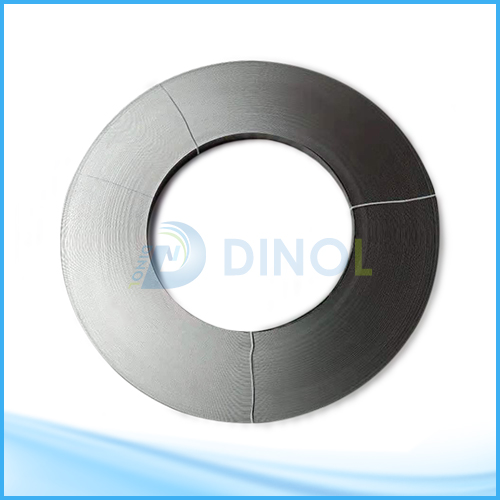
Strategic Procurement Considerations for Galvanizing Anode Systems
Equipment managers who are in charge of multimillion-dollar production lines have to look at more than just unit price when judging suppliers. They also have to look at the suppliers' total lifecycle value.
Quality Verification and Supplier Qualification
Reputable makers give full testing records that include measures of coating thickness using X-ray fluorescence analysis, results of accelerated life testing following NACE TM0294 methods, and scanning electron microscopy pictures that show the integrity of the coating. Thermal shock cycles—heating electrodes to 500°C and then quickly cooling them in water—are used to test the bonding strength between the coating and the base under real-world thermal stress.
Verification of the tolerances for dimensions makes sure that the new parts will work with the current cell geometry and busbar links.Titanium Anode For Steel Plate Galvanizingsuppliers, in particular, should keep their ISO 9001 quality management certification and show that they know a lot about electrical engineering instead of just making parts that are given to them.
Customization Requirements for Production Line Integration
Each galvanizing line has its own shapes, needs for current delivery, and ways of mounting. Standard catalog items rarely work better without being changed. Technical teamwork during the planning phase makes sure that the electrodes' sizes, mounting options, and electrical connections work with the infrastructure that is already in place.
Detailed production drawings that include client specifications keep expensive changes from having to be made in the field during installation. Custom electrodes usually have lead times of 6 to 12 weeks, so you need to plan ahead for the times when they will be installed during annual maintenance shutdowns. If you miss these short windows for installation, projects could be put off for a whole year until the next planned outage.
Building Reliable Long-Term Supply Partnerships
Because production downtime costs a lot, source dependability is very important. By building ties with makers who have enough production capacity, you can avoid shipping delays when you need a replacement right away. When unexpected performance problems happen, suppliers who offer expert help 24 hours a day, seven days a week, through remote consultation or on-site service, cut down on the time it takes to fix the problem. Annual framework agreements with staged delivery schedules make sure that electrode availability is in line with planned maintenance cycles and that prices will stay stable even if the market for raw materials changes.
The advanced production facilities in Tianyi keep up a steady level of production capacity to handle large orders without breaking delivery promises. Our expert team offers full pre-sale engineering advice, looking at the specs of the production line to suggest the best electrode configurations. We keep client drawings and process settings secret, which is very important for steel makers who want to protect their own technologies. Visit dsa-anodes.com or call our engineering team directly for detailed specifications and technical advice about your specific galvanizing need.
Conclusion
Electrode systems based on titanium have been used for a long time to improve product quality, lower prices, and meet environmental standards in galvanizing processes.Titanium Anode For Steel Plate Galvanizingplays a critical role in this context, as dimensional stability, low overpotential, and long service life all work together to solve the main problems that have historically made it hard to get a uniform coating and make the process more efficient.
Even though titanium systems cost more up front than older anode technologies, they are always cheaper in the long run because they use less energy, require less upkeep, don't produce as much waste, and last longer between replacements. When production facilities upgrade their electrode infrastructure, they become more competitive by getting better quality consistency and operating freedom that lets them respond quickly to changing market needs.
FAQ
Why are titanium electrodes preferred over traditional materials in galvanizing applications?
The dimensions of titanium surfaces with MMO coatings stay the same over their service life, so the covering thickness doesn't change because of electrode erosion. They work at much lower overpotentials than lead-based options, which means they use 15–25% less energy. Since electrode dissolution doesn't happen at all, the bath doesn't get contaminated, which would cause surface flaws on final goods.
What replacement intervals should production teams expect for these electrode systems?
Titanium anodes can work continuously for 10 to 15 years under normal conditions and with proper maintenance. The actual length of time it lasts relies on the current density, the control of the bath chemistry, and the exposure to thermal cycles. Monitoring electrical resistance and coating integrity on a regular basis lets you plan ahead for replacements instead of having to buy things in an emergency.
Can electrode designs be customized for existing galvanizing line configurations?
Standard practice for industrial galvanizing electrodes is custom engineering. Manufacturers like Tianyi use production line sketches from clients to give exact measurements, mounting options, and electrical connection information. This makes sure that the steel strip fits in perfectly with existing infrastructure and that the current flows evenly across its width.
Partner with Tianyi as Your Trusted Titanium Anode Manufacturer
Shaanxi Tianyi New Material Titanium Anode Technology is an engineering company that focuses on making custom electrodes for tough galvanizing jobs. Our MMO-coated titanium anodes have improved formulations that are best for certain bath chemicals and working conditions. This makes sure that they work at their best and last as long as possible. We can fully customize everything, from the substrate choice to the coating specifications to the mechanical integration details.
Our strict quality control measures include XRF coating analysis and accelerated life testing. As a titanium anode supplier for steel processing industries for a long time, we know how important it is to meet maintenance window deadlines and production uptime needs. Email our technical team at info@di-nol.com to talk about your electrode needs and get thorough engineering suggestions that are made to fit your production line.
References
1. Journal of Materials Processing Technology. (2021). "Current Distribution Optimization in Continuous Galvanizing Lines Using Dimensionally Stable Anodes." Vol. 287, Article 116851.
2. Metal Finishing. (2019). "Energy Efficiency Improvements in Electrogalvanizing Through Advanced Anode Technologies." Vol. 117, Issue 4, pp. 156-163.
3. NACE International. (2018). "Test Method TM0294: Testing of Dimensionally Stable Anodes for Corrosion Service." NACE Standard TM0294-2018.
4. Plating and Surface Finishing. (2020). "Quality Metrics in Modern Steel Galvanizing: Impact of Anode Selection on Coating Uniformity." Vol. 107, No. 2, pp. 44-51.
5. Surface & Coatings Technology. (2022). "Mixed Metal Oxide Coating Performance in Alkaline and Acidic Galvanizing Electrolytes." Vol. 445, Article 128734.
6. Tianyi New Material Technology. (2023). "Technical Specifications for MMO-Coated Titanium Anodes in Continuous Galvanizing Applications." Product Documentation.