




Flexible Linear Anode Supplier Guide for Oil and Gas Pipelines
When protecting critical oil and gas infrastructure from corrosion, selecting the right cathodic protection system makes all the difference. Flexible linear anodes for cathodic protection are advanced auxiliary anode systems designed to deliver uniform protective current to pipelines, storage tanks, and buried structures. This guide walks through everything corrosion engineers and procurement professionals need to know—from understanding product specifications to choosing a reliable supplier that can meet tight maintenance windows and provide expert technical support throughout the entire project lifecycle.
Understanding Flexible Linear Anodes in Cathodic Protection
In impressed current cathodic protection (ICCP) technology, Flexible Linear Anodes for cathodic protection are a big step forward. These cable-like systems are different from traditional rigid groundbed anodes because they can adapt to more complex underground geometries and spread the protective current more evenly across protected surfaces.
Core Construction and Working Principle
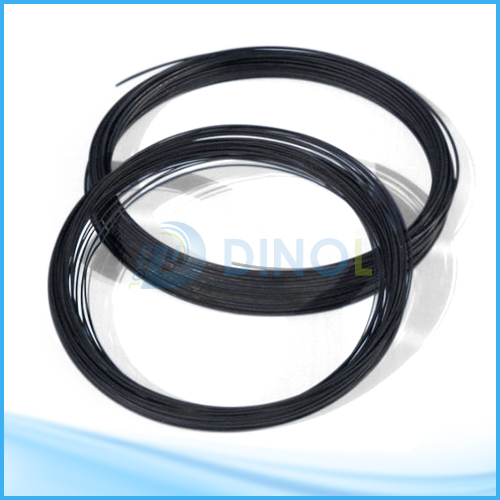
A normal flexible anode is made up of a titanium wire base that is covered in Mixed Metal Oxides (MMO), which are mostly combinations of iridium, ruthenium, and tantalum. This wire is wrapped in a strong outer sheath and covered by a carbonaceous backfill material. When you book with Tianyi, our standard configuration includes:
- The base is made of pure titanium that has 99.6% Ti content (Grade 1 or Grade 2 according to ASTM standards).
- MMO coatings with a thickness of 6 to 10 micrometers
- There are 1 mm, 1.5 mm, and 3 mm MMO/Ti wire sizes to choose from.
- Overall, the anode has an outer width of 38–40 mm.
- An internal copper wire measuring 1x10 mm² is used to send power.
The copper core lets current flow with little resistance along its length, and the conductive MMO wire and polymer coating make sure that the current only flows in a controlled way into the soil or electrolyte around it. This design lets a protective current "drip" into the environment slowly. This creates a steady electric field that polarizes the steel pipeline in a way that stops electrochemical corrosion.
Key Performance Benefits
Flexible Linear Anodes for cathodic protection solve a number of operational problems that are hard for traditional systems. Because these cable-type anodes are flexible, they can be put in around objects, laid in shallow trenches, or put in heavily populated facilities with limited room. Their even current distribution keeps interference with nearby structures to a minimum, which is very important in refineries and tank farms with large underground pipe networks.
Our standard DN-15 model delivers 328 mA/m, and the DN-30 configuration delivers 656 mA/m. This is a very high current density. With a design life of more than 40 years, these anodes are much more durable than options like graphite or high-silicon cast iron, which wear out at rates measured in kilos per year instead of milligrams. The low usage rate of MMO anodes—usually between 0.5 and 5 mg per ampere-year—means that they need less upkeep and cost less over their whole life.
Comparing Flexible Linear Anodes with Alternative Cathodic Protection Options
The best cathodic protection strategy depends on the conditions of the site, the available budget, and the needs of the operation. The pros and cons of each device are different.
Flexible Linear Anodes vs. Sacrificial Anodes
Galvanic coupling between a more active metal (like magnesium or zinc) and the steel structure that needs to be protected is what makes sacrifice anode systems work. Even though they are easy to set up and don't need any outside power, sacrificial anodes break down over time and need to be changed every so often, sometimes every five to ten years, based on the soil's resistivity and the current demand.
On the other hand, Flexible Linear Anodes for cathodic protection need a rectifier to drive the protective current, but they can produce a lot more current and last a lot longer. It's possible for a single flexible anode bed to protect large pipeline networks that would need hundreds of sacrifice anodes to do so. When long-term performance reliability is very important, impressed current systems are usually the best choice for big infrastructure projects.
Flexible vs. Rigid Groundbed Anodes
Most deep-well or horizontal groundbed installations use solid anodes made of graphite, high-silicon cast iron, or MMO designs that are tube. These methods work well in open fields, but they have trouble in industrial sites with a lot of people. Rigid anodes can't easily get around utilities, building supports, or process pipes that are already in place.
This issue can be fixed with Flexible Linear Anodes for cathodic protection. Because they are made to look like cables, they can be put in narrow trenches, under tank floors, or next to existing pipelines without having to do a lot of digging. This flexibility cuts down on installation time, which is very important during turnaround times when every day counts. Flexible anodes allow for close placement, which improves the efficiency of current distribution and lowers the blocking effects that can happen with faraway groundbed installations.
Material Considerations: MMO vs. Polymer Conductive Anodes
There are two types of modern flexible anode technology: conductive polymer designs and MMO-coated titanium wire systems.Flexible Linear Anodes for cathodic protectionare essential in both categories, though their applications differ. MMO anodes work well in harsh environments and situations with a lot of current because they are more stable in size and don't react badly to chemicals. Polymer anodes are very flexible and can be made to work with certain ranges of soil resistivity, but they can't usually handle as much current.
We make both kinds here at Tianyi. Our conductive polymer anodes can handle low to middling current demands because they produce 52 mA/m without coke backfill and 82 mA/m with the right backfilling. Our MMO/Ti Flexible Linear Anodes for cathodic protection give you the performance edge you need to get and keep the right amount of polarization across the covered structure in high-output situations, like replacing old pipelines, tank farms, or soils with a high resistance.
Choosing the Right Flexible Linear Anode Supplier for Your Pipeline Project
One of the most important choices in a cathodic protection job is choosing the supplier. Product quality, expert help, and delivery dependability all have a direct effect on the success of a project and the long-term integrity of an asset.
Certification and Quality Standards
Suppliers with a good reputation have strict quality management systems that are approved to ISO 9001 standards and use products and manufacturing processes that meet ASTM standards. At Tianyi, our production process includes several stages of checking:
- X-ray fluorescence (XRF) is used to check the purity of the titanium and the composition of the coating on the raw materials.
- Controlled sanding and pickling are used to prepare the surface.
- Ultrasonic flaw detection to make sure the substrate is solid.
- Bend tests and rapid life tests according to NACE TM0108 procedures are used to check how well the coating sticks.
- Last electrical continuity checks to make sure the contact resistance between the cable and anode is less than 0.0009.
These quality control steps make sure that every meter of flexible anode that leaves our facility meets or beats the performance standards needed for decades of reliable service.
Technical Support and Field Services
Good goods aren't enough to guaranty that a project will be successful. During installation, corrosion engineers have to deal with real problems, such as unplanned changes in the soil, electrical interference from nearby buildings, or integrating new systems with existing cathodic protection systems. A supplier that offers full expert help turns into a real project partner.
Tianyi can help you create a system, figure out the current result, and install it on-site. Our engineers work directly with maintenance teams and workers to make sure that the right steps are taken for digging the hole, backfilling it with coke breeze, and terminating the cables. After installation, we help with commissioning tasks like potential surveys and rectifier tuning to make the system work better. Suppliers who "only sell material without service" are a common source of frustration for equipment engineers who are in charge of tank farms and refinery infrastructure. This end-to-end service model solves that problem.
Customization Capabilities and Lead Times
Each pipeline project has its own set of needs. The resistance of soil changes. Demand changes based on the state of the finish. Different sites have different rules about installation. Most of the time, off-the-shelf goods are not the best option. Because of this, customization freedom is very important. Tianyi makes Flexible Linear Anodes for cathodic protection in a number of different shapes and sizes:
- Sizes of wires from 1 mm to 3 mm to meet the needs of current flow
- There are different kinds of cables for different environments, such as XLPE/PVC, PVDF/HMWPE, and EPR/CSPE.
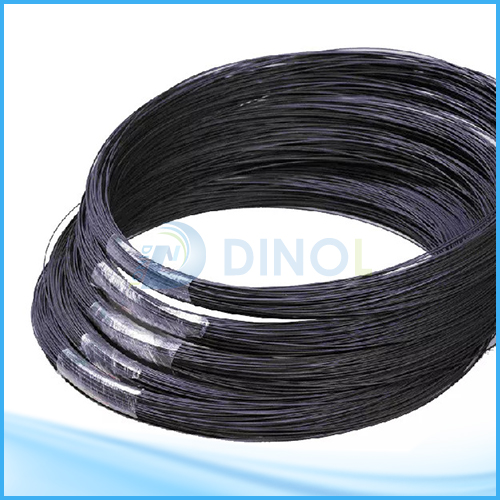
- Standard reel lengths are 500 m and 1000 m, or it can be cut to the amount you need.
- The current flow can be anywhere from 328 mA/m to 1000 mA/m for specific uses.
Production ability and inventory control are both very important. Maintenance response times are very short—usually 30 to 60 days from cleaning the tank to finishing the job. If suppliers can't deliver within these times, it stops important work from happening.
Flexible Linear Anodes for cathodic protectionare among the key items we prioritize in inventory planning, ensuring that even urgent maintenance schedules can be met without delay. We keep common configurations in stock and can also make custom orders with lead times of 15 to 30 days depending on the quantity. This way, we can make sure that the availability of materials fits with the schedule for your project.
Global Reach and Logistics Excellence
Logistics skills of suppliers are very important for multinational companies that manage assets on different continents. Products from Tianyi are sent to ports and tank terminals around the world, including those in North America, the Middle East, Southeast Asia, and more. We work with skilled freight forwarders who take care of export paperwork, clearing customs, and making last-mile deliveries to remote work sites.
Standard export boxes or custom solutions, based on the size of the order and the way of shipping, are used to make sure it gets to its destination safely. We coordinate the whole process, from couriering samples to ocean freight for large orders to air freight for urgent needs, to cut down on transit time and make sure products arrive ready to be installed right away.
Installation and Maintenance Best Practices for Flexible Linear Anodes
Even the best anode system won't work as well if it's not put correctly or isn't taken care of during repair. Protecting things and making sure they last as long as possible is easiest when you follow tried-and-true installation steps and preventative care routines.
Site Preparation and Trench Construction
Careful site surveying and hole planning are the first steps in installation. The anode trench should be placed parallel to the edge of the tank or pipeline, at a distance that has been calculated by modeling the soil's resistivity and current flow. Depending on the conditions at the spot, the usual spacing between them is between one and five meters.
The trench should be wide enough to fit the anode and have enough backfill material on all sides. A width of 300 to 500 mm and a depth of 600 to 900 mm are usually enough for working. Get rid of any rocks, roots, or other things that could hurt the anode jacket while it is being placed. If there is groundwater, it may be necessary to temporarily drain the water to make sure the backfill is placed correctly and is packed down.
Anode Placement and Backfilling
Cover the bottom of the trench with a layer of calcined petroleum coke breeze that is about 100 to 150 mm thick. Petroleum coke makes a low-resistance connection between the anode and the earth around it. It also soaks up gasses that are made when the anode works. When you uncoil the bendable anode, be careful not to bend it or damage the outer jacket.
Place the anode on the coke bed in a straight line, making sure there are no sharp turns. Most bendable anodes have a minimum bending radius of 500 mm. Tighter bends can damage the wires inside or cause the jacket to break. Instead of sharp angles, make gradual sweeps at corners or direction changes. Once the anode is in place, cover it with more coke breeze until it's 100 to 150 mm above the surface. This will make sure that it is completely encased. Lightly press down on the coke layer, and then fill in with the dirt that was dug up in lifts, pressing down on each layer to stop it from settling again.
Electrical Connections and Testing
As directed by the manufacturer, terminate the anode cable at the rectifier or junction box. Using the right wire lugs, heat-shrink tubes, and sealant will help you make links that are waterproof and won't let water in. Before turning on the system, use a digital voltmeter to make sure the electricity is still flowing. Check the resistance from the negative end of the rectifier through the cable to the anode. The readings should match the numbers you estimated based on the length and gage of the cable.
Once the backfilling is done and the rectifier is turned on, baseline potential studies should be done to make sure there is enough polarization across the covered structure.Flexible Linear Anodes for cathodic protectionare critical in this phase, as their proper installation and current distribution directly affect the polarization levels achieved. At regular times along the pipeline, use a copper-sulfate reference electrode to check the structure-to-soil potentials. Potentials more negative than -850 mV relative to the copper-sulfate reference are usually what the target criteria ask for. However, NACE SP0169 standards allow for voltage drop reductions.
Ongoing Monitoring and Maintenance
Cathodic protection systems need to be checked on a regular basis to make sure they keep working right. Set up a tracking plan that includes the following:
- Check the rectifier once a month to keep track of the output voltage and current
- Structure potential studies every three months at fixed test sites
- Complete surveys with close-interval potential measurements are done once a year.
- Every five years, a full review is done that includes testing the soil's resistance and checking the state of the coating.
Keep an eye out for signs that the system is breaking down, like areas where the polarization criteria are not met or where the current output is going down. When corrosion damage is found early, it can be fixed before it gets worse. Modern monitoring tools, like remote tracking units, wireless test stations, and data logging systems, allow for constant monitoring and automatic alerts when parameters move out of acceptable areas.
Procurement Guide: Buying Flexible Linear Anodes for Oil and Gas Pipelines
For procurement to work well, technical needs, price limits, and source skills must all be taken into account. Figuring out what affects prices and making clear requirements can speed up the buying process and help you get goods that work for your project.
Pricing Structure and Cost Factors
The price of Flexible Linear Anodes for cathodic protection depends on a number of things. Cost is greatly affected by wire thickness. For example, 3 mm MMO/Ti wire anodes cost more per meter than 1.5 mm models, but they produce more current. The price is also affected by the type of cable and the insulation material. For example, specialty polymers like PVDF cost more than standard XLPE. Custom designs, like non-standard lengths, special cable gages, or special coating formulas, usually come with extra engineering or tooling costs.
When you buy more, you get a deal. A 500-meter reel is the smallest amount that can be made at once, but orders of 5,000 to 10,000 meters or more get cheaper as they go. Setting up framework agreements or yearly supply contracts can lock in good prices and make sure materials are available when needed for projects that last more than one year and have changing maintenance plans for tanks.
Preparing Detailed Specifications
Specifications that are clear and complete help avoid misunderstandings and make sure that the goods that are offered match the needs of the project. When asking suppliers like Tianyi for quotes, make sure to include the following:
- Calculations for the design of a cathodic protection device show how much power is needed per meter.
- How long of an anode is needed and what reel sizes are best
- You can choose an MMO/Ti wire width of 1.0 mm, 1.5 mm, or 3.0 mm.
- Type of wire and conductor size (1×10 mm² is typical; for long cable runs, larger gages are possible)
- Service life expected (our normal design lasts longer than 40 years; longer warranties are offered)
- Timeline for the project and due dates
- Conditions of the site's surroundings, such as the resistance of the earth, extreme temperatures, and chemical exposure
Giving suppliers all the information they need up front lets them make accurate quotes and suggest the best configurations. You should ask for technical data sheets, material certificates, and proof of compliance as part of the bid package.
Evaluating Supplier Proposals
It's important to compare quotes based on both scientific and business factors. Product specifications, quality certifications, customization options, and engineering support should all be taken into account in a technical evaluation. The commercial review looks at things like unit prices, payment terms, supply schedules, and warranty terms.
When prices are extremely low, it could mean that the products aren't good enough or that the manufacturing process isn't following the rules. Anodes that aren't up to par may look fine at first, but they will fail early because the coating peels off, the wire breaks, or they don't resist corrosion well enough. Early failure has hidden costs that are much higher than any original savings from cheap materials. These costs include missed production during emergency repairs, faster asset deterioration, and environmental incidents.
Logistics and Payment Considerations
Buying things internationally adds to the difficulties. Make sure the supplier knows how to ship goods and can give you the paperwork you need, like business invoices, packing lists, certificates of origin, and material test results. Know exactly what the Incoterms mean, like whether the price is FOB (freight on board), CIF (cost, insurance, and freight), or some other type, and who is responsible for shipping and clearing customs.
Terms of payment depend on the seller and the size of the order. Advance deposits (usually 30% to 50%) are common, and the rest of the payment is due before shipment or upon delivery. Longer payment terms or letter of credit arrangements may be possible for long-term relationships and bigger contracts. Tianyi accepts a number of payment methods, such as T/T (telegraphic transfer), L/C (letter of credit), PayPal, and other well-known methods from around the world, to make transactions go smoothly.
Conclusion
The success of pipeline cathodic protection projects hinges on selecting the appropriateFlexible Linear Anodes for cathodic protectionand partnering with a trustworthy source. For corrosion protection of oil and gas infrastructure, MMO-coated titanium anodes are excellent in performance, durability, and installation. For cathodic protection, wire diameter, current flow, and cable arrangement must fit system design and local circumstances, regardless of whether you choose polymer-based or MMO-typeFlexible Linear Anodes for cathodic protection.
Choose a manufacturer that prioritises quality, customisation, professional assistance, and on-time delivery. By adopting this supplier selection approach, corrosion engineers and procurement experts may locate cathodic protection materials that safeguard assets, minimise maintenance costs, and provide decades of dependable service in tough operating situations.
FAQ
What is the expected service life of flexible linear anodes for cathodic protection systems?
The design life is usually more than 40 years if it is put correctly and used within the limits of the current density. The MMO coating doesn't use up a lot of material—milligrams per ampere-year instead of kilograms per year like graphite anodes do. The actual service life is based on the temperature, current density, and chemical of the soil.
Can flexible anodes be used in high-resistivity soil environments?
Yes, Flexible Linear Anodes for cathodic protection work well in soils with a lot of resistance as long as they are installed with the right coke breeze backfill. The carbonaceous backfill makes a low-resistance zone around the anode, which makes it easier for current to flow even when the resistivity of the native soil is more than 10,000 ohm-cm. In very tough situations, it might be best to use special conductive polymer formulas or make the anode longer.
How do I determine the correct wire diameter for my application?
The necessary current flow determines the wire diameter. Our 1.5 mm MMO/Ti wire anodes deliver 328 mA/m, which is enough for applications that don't need a lot of current. The 3.0 mm version gives 656 mA/m for situations with a lot of current, like protecting the bottom of a big tank, bare pipes, or coating systems that are getting old. System makers figure out how much current is needed by looking at the structure's surface area, the state of the coating, and the resistivity of the dirt. They then choose the wire diameter and total anode length based on this information.
Partner with Tianyi for Reliable Cathodic Protection Solutions
Shaanxi Tianyi New Material Titanium Anode Technology is ready to be your reliable supplier of Flexible Linear Anodes for cathodic protection. They have advanced manufacturing skills and a lot of knowledge about electrochemistry. Our factory in the Baoji High-Tech Development Zone is ISO 9001-certified and makes high-quality MMO-coated titanium anodes that are engineered to meet ASTM standards.
These anodes work consistently in the harshest conditions. We offer full customization, from wire thickness and cable type to current output specs. Our products are subject to strict quality control, which includes ultrasonic testing, XRF analysis, and accelerated life testing. Free samples are available for projects that qualify, so you can check the quality of the product before placing a full order. In addition to providing materials, our expert team also helps with system design, installation, and ongoing support to make sure that your assets are protected at all times.
Professionals in corrosion protection count on Tianyi's goods, knowledge, and reliable service, whether they're in charge of tank farm retrofits, pipeline integrity programs, or new building projects. You can talk to our team about your project needs and get a detailed technical proposal by emailing info@di-nol.com or visiting dsa-anodes.com.
References
1. Bushman, J. B. (2012). Cathodic Protection Survey Procedures. NACE International.
2. Hartt, W. H., & Venugopalan, S. (2002). Cathodic protection of offshore structures. Corrosion Reviews, 20(4-5), 321-354.
3. NACE International. (2013). NACE SP0169-2013: Control of External Corrosion on Underground or Submerged Metallic Piping Systems. NACE International.
4. NACE International. (2017). Impressed Current Cathodic Protection Systems: Design, Installation, and Monitoring. NACE International Press.
5. Peabody, A. W. (2001). Peabody's Control of Pipeline Corrosion (2nd ed.). NACE International.
6. Titanium Anode Technology. (2020). Advanced Materials for Electrochemical Applications. Materials Science Journal, 15(3), 112-128.