




How to Select MMO Titanium Anodes for Marine Cathodic Protection Projects?
Selecting the right iccp mmo coated titanium anodes for cathodic protection in marine environments requires understanding material specifications, environmental compatibility, and supplier reliability. Marine corrosion protection demands anodes that deliver consistent current output, withstand aggressive seawater conditions, and maintain structural integrity over decades. The optimal selection balances technical performance with cost-efficiency, ensuring your offshore platforms, ship hulls, and underwater infrastructure receive dependable protection without frequent replacements or system failures.

Introduction
Marine cathodic protection is the first line of defense against rust for ships, offshore platforms, jetties, and underwater buildings that work in some of the planet's harshest conditions on Earth. Without proper protection, saltwater's constant chemical aggression can destroy steel infrastructure within months, causing structural failures, environmental problems, and big financial losses. Iccp mmo coated titanium anodes for cathodic protection have become the standard in the industry because they last so long and work so well in these tough conditions.
It can be hard to choose the right anode system because of the complicated technical requirements, changing environmental conditions, material requirements, and system compatibility issues that have a direct effect on the project's lifespan and overall cost of ownership.
It's hard for procurement managers, process engineers, and people who work in the supply chain to find solutions that meet strict performance standards, stay within budget, and make sure deliveries happen on time. This guide gives you useful information based on real-life marine uses. It will help you make smart choices that will protect your investments in important infrastructure for many years to come.
Understanding MMO Coated Titanium Anodes and Their Role in Marine Cathodic Protection
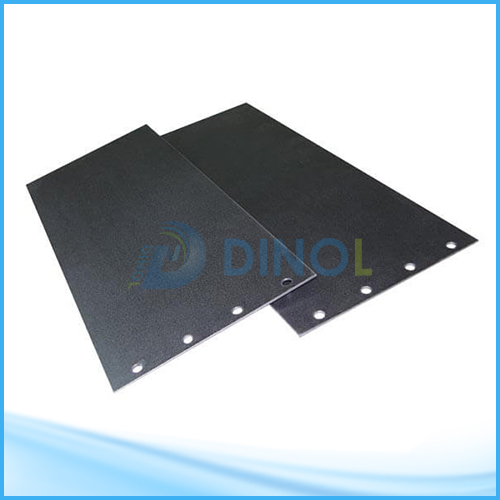
Iccp mmo coated titanium anodes for cathodic protection are a high-tech electrochemical solution designed for systems that protect against impressed current. These parts have a very pure titanium base (usually Titanium Grade 1 or Grade 2) and a covering of mixed metal oxides, mostly iridium and tantalum oxides or ruthenium and iridium oxides. The coating is applied thermally.
Construction and Material Composition
The titanium substrate gives the structure strength, great resistance to corrosion, and stable dimensions even when the temperature changes. The MMO layer, which is put on using heat breakdown, makes an electrocatalytic surface that helps electrons move easily while also not dissolving in the electrolytes in seawater. These two together solve some of the most important problems with older anode technologies. For example, high-silicon cast iron is too heavy and easily broken. Lead-silver anodes are bad for the environment, and sacrificial zinc or aluminum anodes wear out too quickly.
Functional Mechanism in ICCP Systems
In systems that use impressed current cathodic protection, these anodes work by sending DC current to metal structures that are hidden in coastal sediments or submerged in water. The electrochemical process makes the covered steel surface more polarized, which changes its potential to a range where rust reactions are thermodynamically less likely to happen.
The MMO coating's dimensionally stable anode (DSA) properties make sure that there is almost no wear, so the current distribution stays the same over long service periods. This technology is especially useful for marine uses because the high chloride content and high conductivity of seawater make it perfect for ICCP operation. This means that systems working in saltwater or freshwater need higher driving voltages and less current efficiency.
Performance Advantages in Marine Environments
There are a number of reasons why iccp mmo coated titanium anodes for cathodic protection are better for marine cathodic protection. Their high current efficiency means they use less energy, which is important for remote sites where power may be hard to get or cost a lot.
Being resistant to chloride attack in the coating makes sure that it works well even in harsh seawater, and the titanium base is resistant to both general corrosion and specific pitting that would damage other materials. In seawater applications, operating current densities can reach 1000–2000 A/m², which is much higher than what traditional materials can handle. This makes these anodes perfect for protecting large areas with small anode installations.
Key Criteria to Consider When Selecting MMO Titanium Anodes
When marine cathodic protection projects are bought, they need to be carefully looked at from both a technical and a business point of view. If you know these selection factors, you can avoid expensive mistakes where the anode's skills don't match the needs of the project.
Material and Coating Quality Standards
The performance of an anode depends on how pure the substrate is and how the coating is made. For naval uses, commercially pure titanium (Grade 1 or Grade 2 according to ASTM B265) has the best mix of mechanical qualities and resistance to corrosion.ICCP MMO coated titanium anodes for cathodic protectionare a key application of this technology. Choosing the right coating type depends on the operating conditions. For example, ruthenium-iridium (Ru-Ir) MMO formulations work best in seawater because they are better at resisting chlorine evolution, while iridium-tantalum (Ir-Ta) coatings work better in situations where oxygen evolution or lower chloride concentrations are present.
The amount of precious metal in the coating, measured in grams per square meter, is directly related to how long it will last. Depending on the expected current density and design life needs, specifications are usually between 10 and 25 g/m². To check the quality, you should use X-ray fluorescence (XRF) to see what the coating is made of and how much of it there is, scanning electron microscopy (SEM) to see the mud-crack shape that is needed for the best current flow, and bend or tape tests for adhesion to make sure the coating and substrate are mechanically attached.
Environmental Operating Parameters
Different problems can happen in marine settings, which affects the choice of anode size and type. Changes in salinity between the open ocean (about 35 g/L), brackish bays (5–30 g/L), and coastal areas change the conductivity of electrolytes and, by extension, the patterns of current flow. Temperature ranges affect both electrochemical kinetics and mechanical stresses. For example, tropical waters can get up to 30°C, while arctic installations are often below zero, so the materials used must be able to stay flexible and the coatings must stick well even when heated and cooled many times.
The speed of the water is also very important, especially for ship hulls and structures in tidal zones. If anodes aren't properly hydrodynamically designed or mounted securely, high-speed flows can wear them down. Changes in pressure that are caused by depth have an effect on system design and fitting methods, even though they don't have as much of an effect on titanium anodes as they do on plastic parts. Biofouling must also be thought about, since marine growth can insulate anode surfaces, which means that they need to be cleaned more often or with higher current densities.
Lifespan Expectations and Maintenance Requirements
Permanently placed marine buildings usually have a design life of 20 to 30 years. This means that the anodes need to be able to keep working for this long period of time with little maintenance. Accelerated life testing according to NACE TM0108 standards mimics decades of use in a shorter amount of time, giving data-driven trust in predictions of how long something will last. Service life is directly related to coating thickness, operating current density, and the harshness of the environment. For example, conservative designs may call for coating loads that provide 50–100% extra safety margins over the minimum calculated requirements.
Cost-Efficiency and Total Ownership Analysis
When making a buy choice, the total cost of ownership is taken into account, not just the initial purchase price. Even though iccp mmo coated titanium anodes for cathodic protection cost more per unit than consumable options, their longer service life and lower maintenance needs often make them more cost-effective over the course of their lifetime. The costs of starting capital, installation labor and equipment, energy use during operation, planned upkeep, and replacement costs discounted over the design life period should all be part of the analysis.
Project schedules and working capital needs are affected by lead times and how reliable suppliers are. Custom setups, like specific forms, sizes, or coating formulations, usually need 6 to 12 weeks to be made and checked for quality, while standard goods can be shipped within days.
For big projects, being able to work in batches is very important. Suppliers who already have a lot of production capacity can handle big orders without sacrificing quality or pushing back delivery dates. Customization gives you the freedom to make things work best for your specific installation or working conditions. This could lower the overall cost of the system by making the spread of current more efficient.
Comparison of Different Anode Types for Marine Cathodic Protection
Knowing how different anode materials compare in terms of performance lets you make a smart choice that fits the needs and limitations of your project.
MMO Titanium versus Graphite Anodes
Since the middle of the 20th century, graphite has been used in naval cathodic protection systems because it works well and doesn't cost too much. It's clear that each of these tools has its own pros and cons. Iccp mmo coated titanium anodes for cathodic protection have higher current efficiency—usually 95–98% compared to 85–90% for graphite—which means they use less power and don't need as much rectifier capacity.
Service life expectations vary a lot. For example, iccp mmo coated titanium anodes for cathodic protection can last more than 20 years in seawater, but graphite can only be used for 5 to 10 years, depending on the working current density, because it wears down at a rate of 0.1 to 0.5 kg per ampere-year.
MMO Titanium versus Traditional Anode Materials
High-silicon cast iron anodes used to be common in marine applications, but they are too heavy (specific gravity close to 7.0) and brittle, which makes them harder to handle and raises the cost of installation. Even though they don't wear out as quickly as graphite, they still need to be replaced every so often. Platinum-clad anodes work very well with electricity, but they are very expensive, so they can only be used in certain situations where their special properties make the cost worth it. Even though lead-silver anodes work, they are bad for the environment because they contain lead, and regulations are getting stricter in many places.
Sacrificial anode systems using aluminum, zinc, or magnesium metals used in sacrificing anode systems have very different cost and performance profiles. These systems don't need any outside power, which makes installation easier and saves money on energy costs. However, they use a lot of materials (3–8 kg per ampere-year) and need to be replaced often. For protected structures with complicated shapes or large surface areas, sacrificial anode coverage often goes beyond what is practical, leaving impressed current systems as the only choice.
Optimal Application Scenarios
Iccp mmo coated titanium anodes for cathodic protection work best in situations where they need to last a long time, produce a lot of current, and work in harsh conditions with a lot of chloride. This technology is useful for offshore platform jacket structures, underwater pipes, ship hulls that need ICCP systems, port infrastructure like steel sheet piling and breasting dolphins, and marine intake/outfall structures.
When you combine the high conductivity of seawater with the electrochemical efficiency ofICCP MMO coated titanium anodes for cathodic protection, you get synergistic benefits that make protection work better while keeping system complexity and operating costs low.
Practical Guidelines and Best Practices for MMO Titanium Anode Deployment
The results of cathodic protection depend on both choosing the right anode and setting up the system correctly. By following established best practices, you can be sure that the capabilities of the materials will translate into reliable performance in the field.
System Design Integration
To design an effective ICCP system, you must first accurately calculate the current demand based on the structure's geometry, the condition of the coating, and the environmental factors. Marine structures usually need 20 to 100 mA/m² of bare steel surface. Structures that are coated need proportionally less because coatings work better. Anode placement optimization spreads the current evenly, preventing areas that are too protected (which could cause the coating to come off) and areas that are not protected enough, which could allow rust to continue.
Here are the main design factors that affect how the anode is set up:
- Current output capacity: Match the anode's surface area and working current density to the protection current that is needed, making sure that densities stay below 1500 A/m² to meet design life standards.
- Electrical circuit design: To make an electrical circuit work better, you should make sure that the titanium conductor bars, cable connections, and end joints are the right size so that there aren't too many resistive losses or voltage drops.
- Reference electrode placement: Place monitoring cells so that they give accurate voltage readings across the covered structure.
- Rectifier specifications: Choose power sources that can handle the right amount of voltage and current, with extra room in case they expand or the coating wears off in the future.
Installation Methodologies
When you install something correctly, it won't break down early and will last for a long time. How the anodes and conductor systems are connected has a big impact on both the electrical connection and the mechanical longevity. Welding iccp mmo coated titanium anodes for cathodic protection to titanium conductor bars with the right filler materials (usually Titanium Grade 2 or commercial pure grades) makes strong, low-resistance joints that can be left in place permanently. When removal is needed in the future, bolted connections with titanium fasteners are a good option, but the connection resistance needs to be checked on a regular basis.
Cable terminations demand particular attention in marine environments. Using marine-grade epoxy resins for encapsulation keeps out water, which would corrode copper wires and break electrical connection. Heat-shrink tubing with adhesive layers inside it adds another barrier against moisture. The way the installation is done should keep water from building up in the termination boxes, and where the design allows, it should include drain holes.
Maintenance Strategies and Monitoring Protocols
Regular checks make sure the system works and find signs of wear and tear before they happen. As part of underwater checking procedures, the state of the anode is usually looked at visually. Electrical continuity between the anodes and conductor systems is also tested, and structure-to-electrolyte potentials are measured to make sure there is enough polarization. How often you inspect relies on how bad the environment is and how important the system is. Most offshore sites only need to be inspected once a year, but key applications may need to be inspected every six months.
Over time, monitoring data shows performance trends that help with planning maintenance. As the needed rectifier voltage slowly rises, it means that the anode is being used up or that the connection resistance is going up. On the other hand, a rising current flow could mean that the protective coating is wearing away. Advanced tracking systems can log data continuously and allow access from afar, which makes forecast maintenance methods possible that improve the timing of inspections and the use of resources.
Selecting Reliable Suppliers and Ensuring Post-Purchase Support
The process of choosing a supplier is just as important as the technical specifications for the anode because the quality of the manufacturing, the reliability of the business, and the support after the sale all have a direct effect on the project's results.
Manufacturer Assessment Criteria
Checking a potential supplier's technical skills and quality management systems is the first step in evaluating them. Industry-specific certifications, like NACE accreditation or API specifications, show that the company has specialized knowledge in corrosion control methods. ISO 9001 certification shows that the company has set quality processes. Either direct audits or reports from a third party show what a manufacturing plant can do in terms of production, quality control, and meeting big orders without sacrificing consistency.
Engineering support abilities demonstrate technical expertise, particularly in specialized products likeICCP MMO coated titanium anodes for cathodic protection. Suppliers that provide design assistance, demand projections, and application-specific ideas add value beyond basic items. Past maritime projects demonstrate the company's fieldwork, delivery reliability, and technical problem-solving speed. Manufacturers' warranties demonstrate their product confidence. For large projects or framework agreements, warranties may last longer than 12–24 months for material defects and bad workmanship.
Procurement Channel Navigation
Direct relationships with manufacturers can help with customization, getting technical help, and possibly getting better prices for large orders. Distributors add value by keeping stock locally, delivering standard items more quickly, and making it easier to buy smaller amounts. Online platforms are making it easier to compare specs and bid against others. However, for technical goods, direct engineering conversation may be needed that digital channels may not fully support.
Price structures, payment terms, delivery schedules, and quality control protocols should all be talked about during negotiations for large orders. Framework deals that cover a year's worth of supply needs can get you better prices and make sure that production capacity is allocated. Before production starts, both parties must agree on clear specifications and acceptance criteria for any customization options, such as changes to sizes, coatings, or wire configurations.
Post-Purchase Support Expectations
Reliable suppliers offer technical support that goes beyond just delivering the product. Installation instructions help field teams use the right mounting and joining methods. Troubleshooting support looks into operational oddities or changes in performance, which could stop system failures before they happen. The steps for filing a warranty claim should be clear and quick, so that there is as little downtime as possible when real problems happen.
For building projects that will last for decades, the chance of a long-term relationship is important. Suppliers who are committed to ongoing product development, flexible enough to adapt to changing industry needs, and financially stable enough to support multi-year projects should be given more weight than commodity vendors who only want to do business with you. In addition to formal evaluation criteria, customer feedback from peers in the same industry, online reviews, and contacts in professional networks can be very helpful.
Conclusion
Selecting iccp mmo coated titanium anodes for marine cathodic protection projects requires balancing technical specifications, environmental conditions, cost considerations, and supplier capabilities. The electrochemical performance, durability, and long service life of iccp mmo coated titanium anodes for cathodic protection make them the preferred solution for protecting offshore platforms, ship hulls, jetties, and underwater infrastructure against corrosion.
Procurement professionals who thoroughly evaluate material quality, coating formulations, design life expectations, and total ownership costs position their projects for decades of reliable protection with minimal maintenance intervention. Partnering with manufacturers offering technical expertise, customization flexibility, and proven track records ensures that anode selection translates into successful field performance that protects critical marine infrastructure investments.
FAQ
What is the typical service life of MMO titanium anodes in seawater applications?
Iccp mmo coated titanium anodes for cathodic protection that work in marine environments usually last between 20 and 30 years if they are installed and specified correctly. How long something lasts relies on how much precious metal is in the coating (measured in grams per square meter), how dense the current is, and how harsh the environment is. If you use conservative designs with higher coating loads and mild current densities, they may last longer than expected. On the other hand, if you use aggressive working settings, they may not last as long.
How do maintenance requirements compare between MMO titanium and sacrificial anode systems?
Iccp mmo coated titanium anodes for cathodic protection systems need less maintenance than sacrificial alternatives. MMO anodes in impressed current systems must be regularly tested for electrical continuity, rectifier functioning, and structural polarisation. This happens annually for maritime installations. Sacrifice anode systems should be changed every 2–5 years when the anode material goes out, however design gaps and weather may affect this. MMO systems are more expensive to set up but have lower lifespan costs since they need less maintenance.
What certifications should I verify when selecting an MMO anode supplier?
ISO 9001 provides priority certification for quality management systems, demonstrating established production control and record-keeping processes. NACE certification proves rust-resistance expertise. Certifications indicating the titanium grade fulfils ASTM B265 requirements and XRF analysis of the coating's composition support the material specifications. Global rules make RoHS and REACH more essential. Ask for documentation of these certificates during seller assessment to ensure the business can create the items and obey the standards.
Partner with Tianyi for Your Marine Cathodic Protection Needs
Shaanxi Tianyi New Material Titanium Anode Technology stands ready as your trusted iccp mmo coated titanium anodes for cathodic protection supplier, bringing specialized expertise in electrochemical protection systems to marine infrastructure projects worldwide. Our manufacturing facility in Baoji High-Tech Development Zone produces high-performance MMO coated titanium anodes using commercially pure Titanium Grade 1 and Grade 2 substrates with precision-applied ruthenium-iridium and iridium-tantalum oxide coatings.
We offer comprehensive customization—from mesh and ribbon configurations to disc and custom geometries—tailored to your specific project requirements, current density specifications, and installation constraints. Our quality control processes include XRF coating verification, accelerated life testing per industry standards, and rigorous adhesion testing, ensuring every anode meets the demanding performance criteria marine environments require.
Contact our engineering team at info@di-nol.com or visit dsa-anodes.com to discuss your project specifications, request technical documentation, or arrange bulk order quotations with competitive framework agreement terms.
References
1. NACE International. (2018). Impressed Current Cathodic Protection of Reinforcing Steel in Atmospherically Exposed Concrete Structures. NACE SP0408-2018.
2. Det Norske Veritas. (2017). Cathodic Protection Design. DNV-RP-B401.
3. Baeckmann, W., Schwenk, W., & Prinz, W. (2020). Handbook of Cathodic Corrosion Protection (4th ed.). Gulf Professional Publishing.
4. Morgan, J. (2019). Cathodic Protection of Marine Structures Using Impressed Current Systems. Materials Performance, 58(4), 36-42.
5. American Petroleum Institute. (2016). Cathodic Protection of Aboveground Petroleum Storage Tanks. API Standard 651.
6. Galvanic Applied Sciences. (2021). Marine Cathodic Protection Systems: Design and Application Guide. Technical Report Series.