




Why Choose On-Site Sodium Hypochlorite Generation for Pools?
On-site generation of disinfectants has transformed how large-scale pool facilities maintain water quality. A sodium hypochlorite generator uses electrolysis to convert saltwater into effective chlorine-based sanitizer right at your facility, eliminating the logistical challenges and safety risks associated with handling concentrated liquid bleach. This technology offers procurement managers and facility engineers a strategic advantage by ensuring uninterrupted supply, reducing operational costs, and enhancing workplace safety through minimized chemical handling.
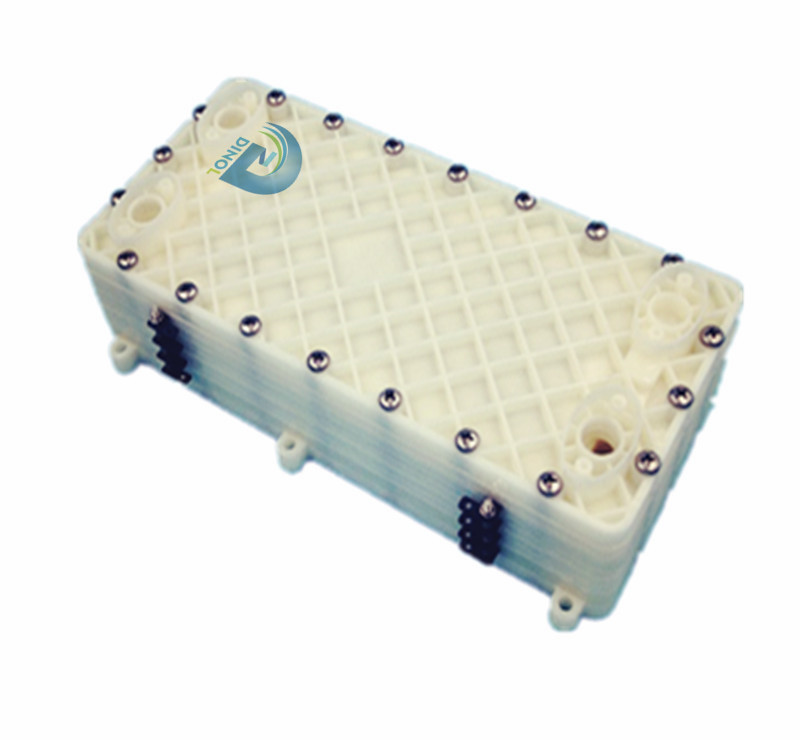
Introduction to On-Site Sodium Hypochlorite Generation for Pools
Keeping the water clean in business swimming pools requires safe, reliable, and cost-effective options that meet strict safety standards. These needs can be met by electrolytic chlorine generation on-site, which uses electricity to make sodium hypochlorite directly from salt and water. The system works by running a weak brine solution through an electrolytic cell that has special titanium anodes that are covered with Mixed Metal Oxide catalysts, mostly iridium and ruthenium compounds.
Understanding the Electrolysis Process
Sodium chloride is changed into sodium hypochlorite, hydrogen gas, and some other small chemicals inside the electrolytic cell. This process goes on all the time, so facilities can keep tight control over how much disinfectant they make based on demand in real time. The titanium anode for the Sodium hypochlorite generator is a key part where chloride ions change into active chlorine species, ensuring effective conversion with little energy loss.
Benefits for B2B Stakeholders
Professionals in procurement and process engineering know that this technology solves a number of practical problems at the same time. The supply chain is more reliable now that the facility doesn't have to rely on outside chemical deliveries that can be late or cost more than expected. As the amount of dangerous chemicals that need to be stored drops, safety rules become easier to follow. The system gets rid of the risks that come with concentrated bleach spills or transportation accidents, making it easier to show that environmental rules are being followed.
Limitations of Traditional Pool Chlorination Methods
Using traditional methods to clean and disinfect pools comes with problems that make operations less efficient and costs harder to predict. To keep it from going bad, liquid bleach that is bought in bulk needs to be stored in a special way with temperature controls, secondary containment systems, and careful inventory rotation. Chlorine gas systems work, but they need a lot of safety gear and tough training programs, which makes managing the facility more difficult.
Supply Chain Vulnerabilities
Chemical suppliers outside of your building have their own operating limits that have an effect on yours. Sudden supply gaps can happen when bad weather, changes in the law, or a lack of capacity at factories stop or slow down transportation. Price changes in the chemistry markets make it hard to plan budgets, especially when contracts don't include long-term set prices. These unknowns create risk exposure that impacts the ability to keep making things and plan finances.
Safety and Regulatory Pressures
When working with pure sodium hypochlorite or chlorine gas, you need to follow OSHA rules, EPA reporting requirements, and local fire codes that say how to store dangerous materials. The higher risk factors are often reflected in the insurance rates. Staff training programs need to cover how to handle emergencies, what safety gear is needed, and how to keep spills under control. These ongoing administrative tasks use up resources that could be used to run the main parts of the facility.
Advantages of On-Site Sodium Hypochlorite Generators for Pools
Switching to electrochemical disinfectant generation leads to measured gains in a number of operating areas. The technology works well with the water treatment systems that are already in place, and it lets production be scaled up or down depending on yearly changes in demand or building expansions.
Operational and Economic Benefits
When electrolytic systems work, they make sodium hypochlorite with active chlorine levels that are usually between 0.8% and 1.0%. This is a good range for most pool water treatment methods. When compared to 12–15% commercial bleach solutions, this concentration makes handling chemicals safer while still disinfecting well. The cost of production stays the same because the main input, salt, doesn't change prices much and takes up a lot less room than liquid bleach of the same amount.
Modern Sodium hypochlorite generators are made with automated controls that keep an eye on salt levels, flow rates, and production output. Facility managers can keep an eye on performance metrics, plan preventative maintenance, and make the best use of power during off-peak utility rate times with remote monitoring. Because of these features, it costs less to run and make one gallon of disinfection than to buy chemicals to do the same job.
Environmental and Safety Advantages
On-site creation gets rid of the carbon pollution that come from transporting chemicals over and over again. The device only makes disinfectant when it's needed, so there is no waste from bleach breaking down over time, which can happen when it's kept. Facilities lower their stockpiles of dangerous materials, which makes compliance filing easier and lowers their insurance risk exposure. The safety of the workers is better because they don't have to handle concentrated chemicals during the acceptance of deliveries, storage moves, or application processes.
The closed-loop nature of electrolytic generation minimizes fugitive emissions and reduces the potential for environmental releases. Waste streams consist primarily of dilute brine solutions that integrate easily into existing wastewater treatment processes. This cleaner operational profile supports corporate sustainability initiatives and strengthens environmental compliance documentation.
Comparison and Decision Factors for Selecting Sodium Hypochlorite Generators
When looking at different pieces of equipment, you need to carefully consider the technical specs, the vendor's skills, and the overall cost of ownership. There are a number of well-known companies in the market that offer systems that can be adjusted to fit a wide range of building sizes and production needs.
Technical Performance Metrics
The main feature is the production capability, which is given in pounds or kilograms of active chlorine produced each day. Systems range from small units that produce 5 to 10 pounds of waste per day for smaller pools to large industrial-scale installations that produce 500 pounds or more per day for large aquatic complexes. The titanium anode technology has a direct effect on how much energy is used and how long the electrodes last. High-quality MMO coatings can last for 7–10 years of continuous use.
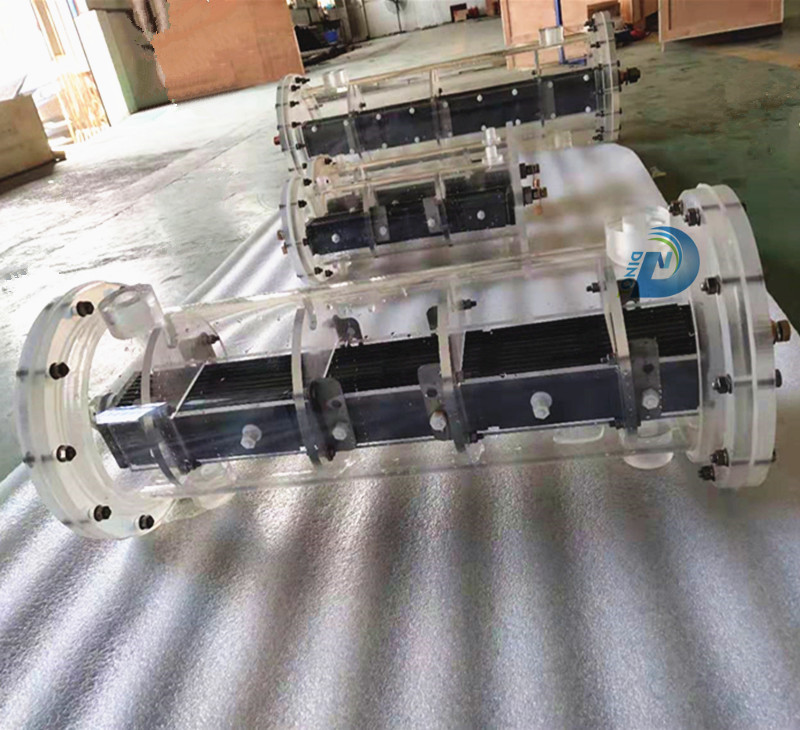
Power consumption efficiency varies between manufacturers, with leading systems achieving 3.5-4.5 grams of chlorine per amp-hour. Footprint considerations matter for facilities with limited mechanical room space—modern designs incorporate vertical stacking and compact cell configurations that maximize output per square foot. Maintenance usually includes adding more salt on a regular basis, checking the electrodes regularly, and calibrating the monitoring sensors once a year.
Vendor Selection Criteria
Reputable makers offer full technical support, including help with installation, training for operators, and quick service networks. Important parts like electrolytic cells, power sources, and control systems should be covered by warranties for at least two to three years. Downtime risk is lower when replacement parts can be bought through domestic channels instead of vendors who need to ship routine maintenance items internationally.
Case studies from comparable facilities offer valuable insights into real-world performance. Municipal pool managers and commercial aquatic centers have reported operational cost savings of 40 to 60 percent after switching from buying chemicals to making them on-site. These projects show better dependability and easier compliance reporting, which procurement leaders who are thinking about long-term investments will like.
Procurement Considerations and Support for B2B Clients
For implementation to go well, you need to work with suppliers who can customize the solution and provide ongoing expert help. B2B procurement teams have to judge vendors based on their engineering knowledge, the quality of their products, and their service infrastructure,Sodium hypochlorite generatorbeing a critical example where these criteria directly determine system reliability and operational safety.
Customization and Technical Specifications
Based on the amount of water, the number of bathers, and the current treatment equipment, each location has its own specific needs. Qualified makers visit the site to figure out the right system size, power needs, and places where it can connect to the existing chemical feed equipment. You can make it your own by choosing from different cell layouts for redundancy, automated dosing controls that are linked to ORP sensors, and remote monitoring interfaces that work with building management systems.
Material specifications matter significantly for equipment longevity. High-quality titanium plates that meet ASTM B265 standards protect against corrosion in tough electrolytic settings. The MMO catalyst coating composition impacts both the original cost and the long-term performance. For chlor-alkali uses, ruthenium-iridium formulations work better than other coating chemicals.
Service and Support Infrastructure
Professional installation services make sure that the system is properly set up and that the first performance is at its best. Regular maintenance, basic troubleshooting, and preventative maintenance should all be covered in training programs that are tailored to the skills of the facility staff. Supporting equipment with expert hotlines, remote tests, and regular service calls keeps it running at its best and protects the value of the investment.
Shaanxi Tianyi New Material Titanium Anode Technology is an expert in electrochemical electrode systems and has a track record of success in making sodium hypochlorite. Our engineering team works with clients throughout the whole project lifecycle, from coming up with the initial specifications to overseeing the installation and making sure everything runs smoothly. We keep a global inventory of spare parts and offer technical support in multiple time zones, so your facility gets quick service no matter where it is.
Safety and Compliance in Using Sodium Hypochlorite Generators
Following safety rules and government regulations is necessary to operate electrolytic production equipment. Proper training, the right design features for tools, and compliance paperwork all work together to keep workers safe and meet the needs of the oversight agency.
Operational Safety Protocols
Modern Sodium hypochlorite generators have many safety interlocks that stop them from working when they're not supposed to. Low salt level sensors stop the electrolysis process before it can damage the electrodes. Hydrogen gas detection devices turn on more air or turn off equipment if concentration levels get close to the limits for flammability. Pressure release valves keep cells intact when they are not working normally.
Operator training classes teach how to start up and shut down systems, as well as how to do regular monitoring and what to do in an emergency. When working with electrolytic generators, employees are not exposed to as many chemical dangers as they are when working with pure bleach. Standard electrical safety practices and basic mechanical skills are used for maintenance tasks instead of specialized hazmat certifications.
Regulatory Compliance Requirements
Facilities that treat pool water have to follow rules set by the health department, get permission to discharge waste into the environment, and follow safety rules at work. Compared to standard chemical methods, on-site creation makes compliance easier in a number of areas. The EPA Risk Management Plan (RMP) limit for sodium hypochlorite is 20,000 pounds. Most on-site systems keep much lower stockpiles, so facilities don't have to report RMP violations.
State water quality regulations establish disinfectant residual ranges and testing frequencies that apply regardless of chlorine source. Electrolytic systems easily meet these standards while providing better control stability compared to manual chemical addition. Discharge permits address wastewater characteristics including pH, residual chlorine, and total dissolved solids—parameters that remain within acceptable ranges for properly operated generators.
Conclusion
Creating sodium hypochlorite on-site is a smart upgrade for commercial pool facilities that want to be more cost-effective, safer, and run more efficiently. The technology solves important problems in buying by getting rid of supply chain dependencies, lowering long-term running costs, and making it safer to handle dangerous chemicals. Electrolytic systems work well with the equipment that is already in place and can be expanded to meet future needs.
Predictable production costs, easier compliance paperwork, and better safety profiles at work are all benefits for B2B decision-makers.Sodium hypochlorite generatortechnology, in particular, delivers these advantages by enabling on-site disinfectant production that reduces supply chain risks and chemical handling hazards. As the water facility management industry continues to focus on sustainability and practical excellence, electrochemical disinfectant generation offers tried-and-true options that have been successfully installed in a wide range of settings.
FAQ
How does water quality compare between on-site generation and traditional chlorination?
Electrolysis produces sodium hypochlorite that meets or exceeds industrial bleach and gas chlorination quality criteria. Disinfectant chemistry is not affected by source. Automatic controls modify output rates based on continual monitoring, thus on-site systems have more stable residual levels. Lower total dissolved solids may help bathers feel better than repeated commercial bleach with stabilisers and buffers. Properly operating generators disinfect water even when demand fluctuates with the seasons, according to independent testing.
What maintenance requirements should facilities expect?
Checking electrodes, adding salt, and calibrating sensors are routine maintenance. The facility is generally functioning while these tasks are done. Depending on productivity and storage capacity, salt is added weekly or monthly. Scale development and coating wear are detected by electrode scans and cleaned with mild acid. The control system is calibrated to monitor flow rates, salt concentrations, and chlorine outputs. Most buildings spend 2–4 hours a month on preventive maintenance. With proper functioning and water quality, electrode cells should be changed every 7–10 years.
Can generators scale from small community pools to large commercial facilities?
Modern equipment manufactures provide systems from modest units that can create 5 pounds of chlorine per day for community pools with many inhabitants to massive industrial installations that can produce 1,000 pounds or more for larger swimming facilities. Buildings may employ several smaller units for practical support instead of one large system since they are modular. Scalability facilitates staggered deployments, where facilities start with enough output to fulfil present demands and grow production as needs rise. Depending on building demand, several generators may run simultaneously and adjust output.
Partner with Tianyi for Advanced Sodium Hypochlorite Generator Solutions
Shaanxi Tianyi New Material Titanium Anode Technology makes complete electrochemical disinfection systems that are built to work well and be reliable. Our high-efficiency Sodium hypochlorite generator solutions feature advanced MMO-coated titanium anodes that provide exceptional durability and energy efficiency. We help procurement managers and building engineers find reliable providers that can make changes and have a global support network. Our OEM and ODM services meet specific integration needs while maintaining high quality standards throughout the manufacturing process.
As a well-known sodium hypochlorite generator manufacturer, we keep a large stock of spare parts and offer technical support throughout all stages of operation. Send an email to info@di-nol.com to talk to our engineering team about your building needs and get full specs that are made just for you. You can look at our full line of electrochemical products at dsa-anodes.com and learn how Tianyi technology improves the efficiency of water treatment while making operations simpler.
References
1. White, G.C. (2010). White's Handbook of Chlorination and Alternative Disinfectants. John Wiley & Sons.
2. Occupational Safety and Health Administration. (2019). Hazard Communication Standard: Safety Data Sheets. U.S. Department of Labor.
3. Water Research Foundation. (2016). On-Site Generation of Disinfectants for Water and Wastewater Treatment. Water Environment Research Foundation Report.
4. U.S. Environmental Protection Agency. (2017). Risk Management Program (RMP) Rule Overview. EPA Chemical Accident Prevention Provisions.