




Best Acidic Oxidation Potential Water Generator for Disinfection
When searching for the best acidic oxidation potential water generator for disinfection, medical device manufacturers and infection control equipment brands prioritize technology that meets stringent regulatory requirements while delivering consistent high-level disinfection. An acidic oxidation potential water generator produces electrochemically activated water with pH levels between 2.0-3.5, oxidation-reduction potential (ORP) ranging from +800 to +1200 mV, and active chlorine concentrations of 30-100 ppm—parameters clinically proven effective against bacteria, viruses, and even resistant spores.
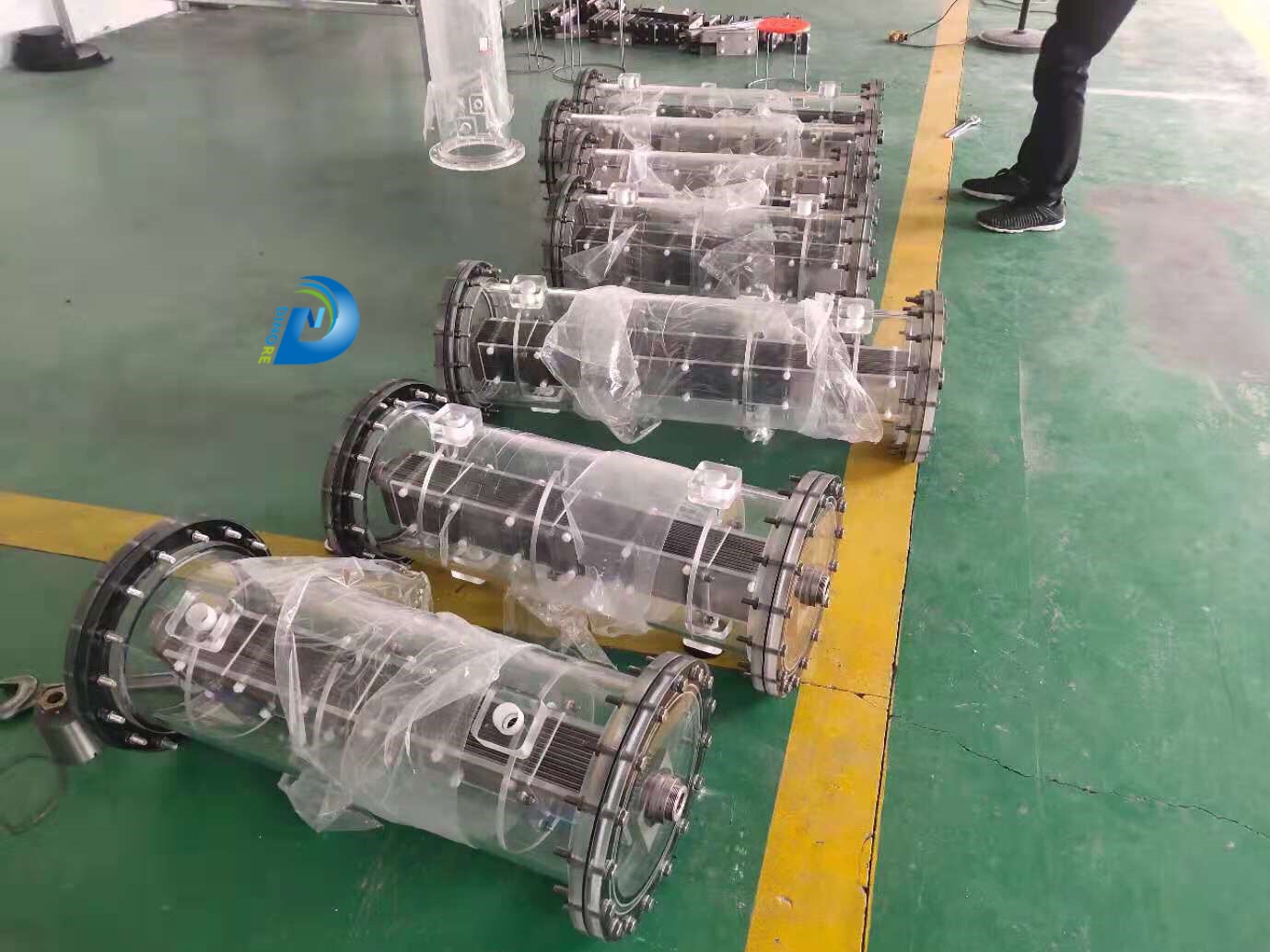
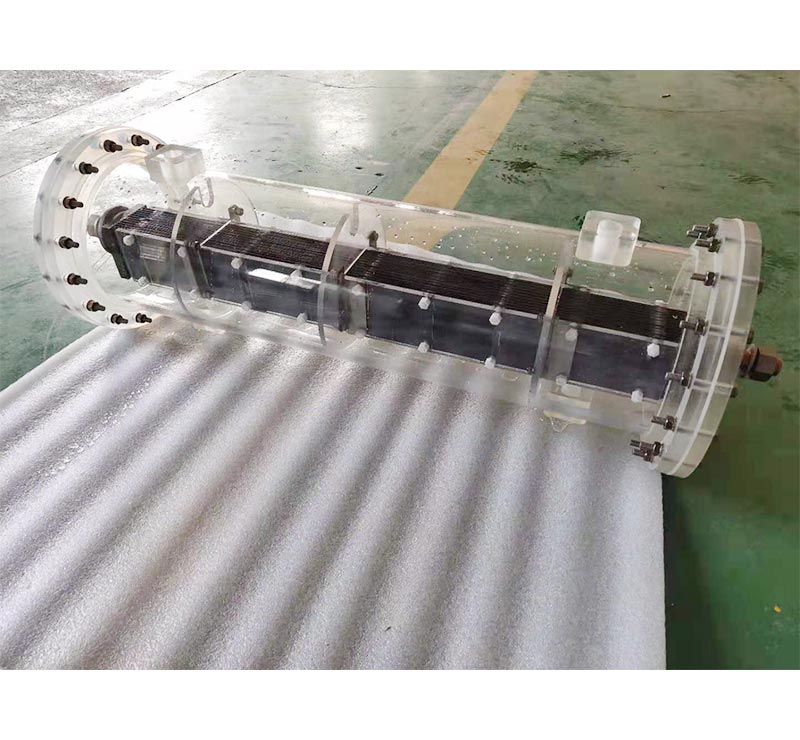
Our advanced systems at Shaanxi Tianyi New Material Titanium Anode Technology Co., Ltd. integrate precision-engineered electrolysis technology with robust titanium anodes featuring RuO₂/IrO₂ coatings, ensuring reliable performance for OEM integration into endoscope reprocessors, dialysis water systems, and hospital-grade disinfection equipment.
Introduction
This book tells you everything you need to know about acidic oxidation potential (AOP) water and how important it is for cleaning in many different fields. Businesses that want to improve cleanliness, safety, and compliance while also increasing operating efficiency must make sure they choose the right AOP water generator. This guide is made for engineers, distributors, and people who buy things for other businesses. It gives them useful information about technology, comparing products, buying strategies, and the best ways to keep things in good shape.
By understanding these factors, people who make decisions can be sure that the disinfection options they buy will meet both legal requirements and operational needs. The healthcare industry, especially companies that make medical devices and need to comply with ISO 13485, benefits a lot from selection criteria that are based on facts and put an emphasis on complete documentation, batch tracking, and long-term supplier reliability.
Understanding Acidic Oxidation Potential Water and Its Disinfection Power
The Electrochemical Science Behind AOP Water
Acidic oxidation potential water is a sanitizer that has been proven to work by science. Its high oxidation potential makes it effective at killing a wide range of bacteria. Dilute saline or potassium chloride liquids are electrolyzed through specially made titanium electrodes that are covered with a mix of metal oxides.
During electrolysis, chloride ions and water molecules react at the anode surface. This creates hypochlorous acid (HOCl), which is the main antimicrobial agent, as well as small amounts of chlorine dioxide and reactive oxygen species. Creating this solution lowers the pH level, which makes it easier for HOCl to get through microbial cell walls and mess up the metabolism and protein synthesis of cells.
Microbial Neutralization Mechanisms
The function of oxidation potential in killing pathogens is based on electron transfer reactions that hurt important parts of cells. According to research released in the Journal of Hospital Infection, electrolyzed water with ORP values above +1000 mV can kill 6 times as many Clostridium difficile spores in 5 minutes as standard quaternary ammonium chemicals.
High ORP causes oxidative stress, which breaks down lipid membranes, denatures enzymes, and fragments nucleic acids. This makes it impossible for microbes to copy themselves or keep their metabolic processes going. This multi-target attack mechanism makes it much less likely that antimicrobial resistance will develop, which is very important for healthcare facilities that have to deal with nosocomial pathogens that stay in the hospital.
Environmental and Safety Advantages
As a sustainable disinfection option, AOP water has benefits like being good for the earth, using fewer chemicals, and being safer than standard disinfectants. Unlike chlorine bleach or formaldehyde-based cleaners, electrochemically activated water quickly breaks down into normal water and watered-down salt solutions after use, leaving very little behind on surfaces that it has cleaned.
Because of this property, there are no worries about toxic residue building up on medical tools or surfaces that come into contact with food. This part also talks about important health and legal issues, giving a fair view that is needed for business uses. The exposure limits for AOP water at work are much higher than those for concentrated chemical disinfectants. This means that there is less need for ventilation and cheaper personal protective equipment in factories.
Comparing Acidic Oxidation Potential Water Generators: What B2B Buyers Need to Know
Equipment Classifications and Scale Considerations
When B2B buyers choose an AOP water generator, they have a lot of options. There are portable units that can produce 0.5 liters per minute and stationary industrial systems that can produce 4+ liters per minute. Each type of generator is best for a different size and setting. Portable models that weigh between 5 and 8 kg are good for research labs and small-scale cleaning jobs. Fixed installations with higher flow rates are better for hospitals' central sterile processing departments or large food processing plants.
This part breaks down the practical differences between these generators and alkaline water generators, focusing on the benefits that are specific to each application and important for making buying choices.Acidic oxidation potential water generatorsystems focus on broad-spectrum antibacterial activity that can be used for high-level disinfection routines, while alkaline generators clean and remove grease through saponification reactions.
Technical Performance Benchmarks
When purchasing experts compare the best models for 2024, they should look at three important factors: how much power they use, how consistent the output quality is, and how often they need to be serviced. Advanced generators from reputable brands use between 60 and 300 watts of power and keep their output parameters stable even when the water quality entering the generator changes. Total cost of ownership is directly affected by the electrode's lifespan, which can be anywhere from 3,000 to 6,000 operational hours.
Systems with premium RuO₂/IrO₂ coatings are more durable than older platinum-only designs. For constant checking of pH, ORP, and active chlorine levels, real-time tracking through built-in sensors makes sure that the output meets approved disinfection methods. To get true five-year operating costs, affordability analysis needs to take into account the original capital investment, the cost of replacing consumables, and the expected repair intervals.
Durability and Post-Sale Support Evaluation
Professionals can choose products that meet their business's needs while staying within their budget by looking at factors like cost, sturdiness, and guarantee options. When medical device OEMs add electrolyzed water modules to their products, they really like it when makers offer complete technical paperwork packages that include material certificates, performance validation reports, and records of how each batch was made.
If your warranty covers electrode kits, which are usually the most expensive replaceable part, you won't have to pay for them to break down early. In this specialized market segment, premium partners are different from commodity suppliers because they are responsive during prototype development, willing to accept small-batch orders for initial testing, and committed to keeping component specifications the same across production runs.
Strategic Procurement Guide for Acidic Oxidation Potential Water Generators
Defining Application-Specific Requirements
To make a good purchase, you need to be clear about what kind of cleaning your business needs, from small-scale commercial use to large-scale industrial usage. When medical device makers put AOP generation modules into endoscope washers, they need to make sure the washers are small, have precise flow control, and have automated monitoring interfaces that work with existing PLC systems.
They also have to make sure the washers follow the rules for medical device components. Continuous-duty models that can keep running during work shifts with little break for cleaning rounds are preferred by food processing plants. This part lists the cost factors, such as the purchase price, the time needed for installation, and the ongoing costs, like the power used and the electrodes that need to be replaced every so often.
Total Cost of Ownership Analysis
When you walk buyers through the total cost of ownership, you can find secret costs that affect your long-term profits. In addition to the cost of buying the equipment itself, installation costs rely on how complicated the integration is. For example, stand-alone units don't need much setup, but built-in modules need special water and electrical connections.
Costs of doing business include using electricity (about 0.5 to 2 kWh for every 100 liters made), replacing filters on a regular basis, and servicing electrodes on a regular basis. Buying in bulk from reputable manufacturers or approved dealers guaranties real goods and help after the sale. Building partnerships with suppliers who offer technical training, an inventory of spare parts, and the ability to do remote diagnostics helps increase uptime and reduce production interruptions.
Supplier Relationship Structuring
There is also information about installation services, spare parts availability, and upkeep needs. This shows how important it is to have a good relationship with your provider to get the most out of your generator's long-term uptime and efficiency. Medical device OEMs benefit a lot from suppliers who are willing to sign mutual non-disclosure agreements to protect proprietary integration designs and exclusive territory agreements that stop end users from buying directly from competitors.
Clear performance standards are set by quality agreements that spell out acceptable tolerance ranges for key output parameters, timelines for responding to complaints, and shared responsibility frameworks for product recalls.Acidic oxidation potential water generatorsuppliers who show they are ISO 13485 certified and ready to go through customer checks give more confidence to regulated industries where the ability to track down parts directly affects when products can be registered.
Why Choose Tianyi's Acidic Oxidation Potential Water Generators?
Advanced Electrode Technology and Performance Reliability
Our AOP water makers use cutting-edge technology to disinfect water better and more effectively for commercial use. At Tianyi, we've created our own mixed metal oxide coating formulas that are best for long-lasting use in continuous-duty situations. Before getting precisely controlled RuO₂/IrO₂ coatings through thermal decomposition processes, the surfaces of our titanium substrates are carefully prepared by acid etching and thermal pretreatment.
This way of making things makes regular crystalline structures that are better at catalysis and prevent corrosion. Independent lab tests show that our electrodes keep working well for more than 6,000 hours, which is longer than the industry standard and means that OEM partners don't have to change them as often.
Proven Success in Medical Device Integration
Client success stories show measurable increases in following safety rules and increasing working output. A European company that makes tools for reprocessing endoscopes added our small electrolysis units to their automatic washer-disinfectors. This gave them constant high-level disinfection that met EN 14885 standards and cut their annual chemical costs by 35%.
Customization choices cover a wide range of industrial uses, from small OEM solutions that need 0.5 L/min of output to large-scale purchases for centralized hospital cleaning systems that need 4 L/min of output all the time. During prototype development, our engineering team works with clients to make sure that the new parts work well with current equipment. They do this by helping with 3D modeling, designing special mounting brackets, and writing control interfaces.
Comprehensive Support Infrastructure
Full customer support and flexible financing make it easier for procurement teams to streamline acquisition and implementation, which cuts down on downtime and increases the return on investment. Tianyi keeps a large library of technical documents that includes certifications for electrode materials, reports on how well they disinfect, and thorough assembly plans that can be used for medical device registration.
Our quality management system meets the requirements of ISO 9001 and ISO 13485. This lets us take part in customer audits and give them traceability records for each batch. Financing plans allow for prototype development stages with flexible minimum order numbers. As production scales up, price structures that are reliable help with budget planning over multiple years. Throughinfo@di-nol.com, you can directly contact our engineering team and get quick answers to any technical questions you have throughout the lifecycle of a product, including those related to theacidic oxidation potential water generator.
Maintenance and Operational Best Practices to Maximize Generator Efficiency
Routine Maintenance Protocols
To get the most out of the life and performance of AOP water engines, they need careful, regular repair and problem-free operation. This part gives useful information on how to clean, check key parts, and fix problems so that operations are interrupted as little as possible. As part of weekly upkeep, the electrolysis cell is flushed with deionized water to get rid of mineral deposits. The electrode surfaces are also checked for scaling or discoloration, and the accuracy of the sensor calibration is checked using standard buffer solutions.
Mild acid is circulated once a month during deep cleaning procedures to break down calcium carbonate buildup on electrode surfaces without harming the mixed metal oxide coating. Predictive maintenance strategies work best when detailed maintenance logs are kept that record cleaning cycles, readings of output parameters, and any strange things that are seen.
Failure Prevention and Component Lifecycle Management
Failure points include electrode coating deterioration from running outside pH limits, membrane fouling from too many minerals in the input water, and sensor drift from not calibrating frequently enough. Preventative actions include installing upstream water softening devices in hard water locations, automating stop procedures for output parameters outside target ranges, and recalibration sensors every six months.
When active chlorine production decreases below 80% of maximal capacity, electrodes should be changed instead of waiting for failure. Stocking electrode units and critical sensors reduces unexpected downtime when parts need to be replaced. Team-specific engineering training is implemented. Scientific papers on electrochemistry, repair flowcharts, and maintenance videos are examples.
Conclusion
To choose the bestacidic oxidation potential water generator, you need to think about technical performance, legal compliance, and long-term relationship issues. High-level disinfection has been proven to work in healthcare, food processing, and industrial settings using advanced electrolysis technology that consistently produces outputs between pH 2.0 and 3.5 and ORP +800 to +1200 mV.
When buying, consider how long the electrode will last, how thorough the paperwork must be for regulatory filings, and how dedicated the supplier is to quality assurance throughout the product's lifespan. Tianyi has extensive expertise with mixed metal oxide coated titanium anodes, ISO 13485-approved manufacturing methods, and flexible OEM partnership models for infection control device and medical device manufacturers. Strategic supplier collaborations that emphasise technological transparency, batch tracking, and fast engineering increase implementation and operating dependability.
FAQ
How frequently should AOP water generators undergo professional servicing?
How often you need professional service depends on how busy you are and how clean the water is. Continuous-duty industrial applications benefit from inspections by qualified technicians every three months. On the other hand, laboratory systems that are only used sometimes may only need professional servicing once a year. Routine repair by operators, done once a week or once a month, increases the time between full professional checks.
Are there potential side effects of using AOP water in healthcare environments?
When used according to approved procedures, AOP water has very good safety profiles. If you are directly exposed to the acidic pH for a long time, it may cause mild skin irritation, but the solution quickly neutralizes when diluted, and breathing it in isn't as dangerous as with chlorine-based alternatives. Enough air flow in limited areas is enough to keep things safe.
What certifications should buyers verify before purchasing?
Important approvals include the CE mark, which shows that the product meets European safety standards, the RoHS mark, which shows that dangerous chemicals are limited, and the ISO 9001 quality management system mark. For medical device uses, the maker must also provide ISO 13485 certification. Ask for material certificates for the electrode's parts and performance validation reports from recognized labs that back up claims of antimicrobial effectiveness.
Partner with Tianyi for Superior Disinfection Solutions
With its cutting-edge Acidic oxidation potential water generator technology, Shaanxi Tianyi New Material Titanium Anode Technology Co., Ltd. is ready to help you develop disinfection equipment. Because we are experts in electrochemical electrode materials and can do a lot of OEM/ODM work, we are the perfect partner for companies that make medical devices, infection control equipment, and industrial disinfection systems.
We offer full sets of technical paperwork to help with regulatory submissions, keep our production options open to accommodate the prototype to mass production stages, and promise to protect your competitive interests through exclusive partnership agreements. Our quality management systems are in line with international standards for medical devices, so they can be easily integrated into your regulated production processes.
You can talk to our expert sales team about your needs by emailing info@di-nol.com or going to dsa-anodes.com. As a reputable Acidic oxidation potential water generator maker, we offer custom solutions that have been through thorough testing, come with full support, and have been shown to work well in tough healthcare settings.
References
1. Fukuzaki, S. (2006). Mechanisms of actions of sodium hypochlorite in cleaning and disinfection processes. Biocontrol Science, 11(4), 147-157.
2. Healthcare Infection Control Practices Advisory Committee (HICPAC). (2019). Guideline for disinfection and sterilization in healthcare facilities. Centers for Disease Control and Prevention.
3. Huang, Y., Hung, Y., Hsu, S., & Huang, Y. (2008). Application of electrolyzed water in the food industry. Food Control, 19(4), 329-345.
4. International Organization for Standardization. (2016). Medical devices – Quality management systems – Requirements for regulatory purposes (ISO 13485:2016).
5. Liao, L., Chen, W., & Xiao, X. (2007). The generation and inactivation mechanism of oxidation-reduction potential of electrolyzed oxidizing water. Journal of Food Engineering, 78(4), 1326-1332.
6. Rutala, W., & Weber, D. (2019). Disinfection, sterilization, and antisepsis: An overview. American Journal of Infection Control, 47S, A3-A9.