




Are Powered Anode Rods Maintenance Free?
When evaluating corrosion protection solutions for water heating systems, procurement managers and process engineers often encounter claims that powered anode rods require zero upkeep. The straightforward answer is nuanced: while a Water Heater Power Anode Rod dramatically reduces maintenance compared to traditional sacrificial anodes, it is not entirely maintenance-free.
These advanced devices utilize impressed current cathodic protection technology, minimizing the need for frequent replacements but still requiring periodic inspections to verify proper operation and maximize service life. Understanding this distinction helps B2B buyers make informed decisions that balance performance expectations with realistic operational requirements.
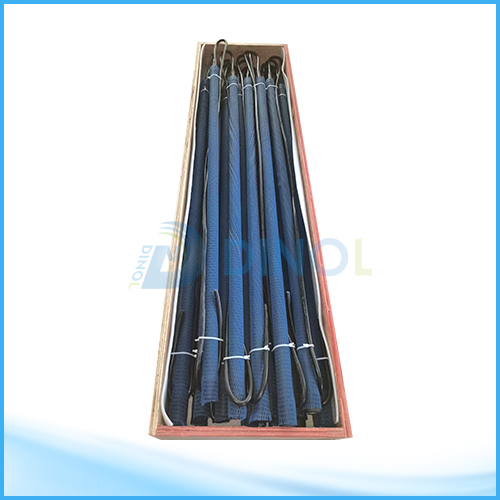
Understanding Powered Anode Rods and Their Role
Powered anode rods are a big step forward in the way that water heaters protect against corrosion. Unlike regular magnesium or aluminum anodes, which break down physically over time, these devices use an active electrochemical process to protect the integrity of the tank.
How Impressed Current Systems Work
A titanium electrode covered with Mixed Metal Oxide (MMO) is at the heart of every driven anode system. This coating stays in place for the whole time the system is working. A small DC power source makes a controlled flow of electricity from the anode to the walls of the tank through the water. This current makes a safe electrochemical environment that stops rust from forming without eating away at the electrode material. The adaptive processor changes the output based on the conductivity of the water and the conditions of the tank. This makes sure that the best safety is provided even when the water chemistry changes.
Material Composition and Design Excellence
The Water Heater Power Anode Rod is made up of a number of complex parts. The titanium base is very strong and doesn't rust, and the MMO layer, which is usually a mix of ruthenium and iridium or iridium and tantalum, makes the material more stable electrically. This design makes it possible for the device to work continuously for at least 20 years under normal conditions. The threaded connection fits standard 3/4-inch NPT ports on most commercial and industrial water heaters, making it easy to connect to systems that are already in place.
Applications Across Industrial Sectors
These high-tech safety systems are used in a wide range of manufacturing settings. Power battery makers gain from hot water systems that work well and don't pollute with sulfur. Companies that work with electronics and need very pure water to clean PCBs like that traditional anodes don't add any metallic sediment. Commercial dining businesses that need to heat a lot of water can benefit from having their equipment up for longer periods of time and paying their repair workers less.
Are Powered Anode Rods Truly Maintenance Free?
In industrial settings, the phrase "maintenance-free" needs to be carefully interpreted. Powered anodes get rid of the need to replace spare rods over and over again, but sensible facility management still includes regular checks.
Essential Inspection Protocols
Quality management teams should check the status LED indicator every three months to make sure that active protection is still in place. A steady green light means everything is working right, while an amber or red light means there are problems with the power source or wire wear. A basic voltmeter can be used by process engineers to check the voltage once a year at the terminal block.
Readings should be between 1.5V and 24V, which is what the manufacturer says they should be, and this range is directly influenced by the condition of theWater Heater Power Anode Rod, as its degradation level affects the electrochemical potential inside the tank. This depends on the size of the tank and the condition of the water. Deviations that are outside of this range should be looked into further.
Early Warning Signs
Several obvious signs point to possible problems with the system before it fails completely. Any color change in the water, from light rust to dark brown, means that the cathodic protection isn't good enough and there is active corrosion. Strange rumbling or popping sounds could mean that sand is building up or that hydrogen gas is being produced because the current amounts are too low. If a hot water system fails too soon even though a charged anode is in place, it's usually because the original size wasn't right or the water chemistry isn't compatible, which is too much for the device to handle.
Testing Frequency Recommendations
Structured maintenance schedules are good for industrial water heating applications. High-capacity systems that handle ongoing processes should have their LEDs checked every month and their power checked every six months. Commercial systems with moderate use can have eye checks every three months and electrical tests once a year. When working with water that is aggressive (high chloride content, extreme pH levels, or high temperatures), it needs to be checked more often to make sure that the protection stays good as conditions change.
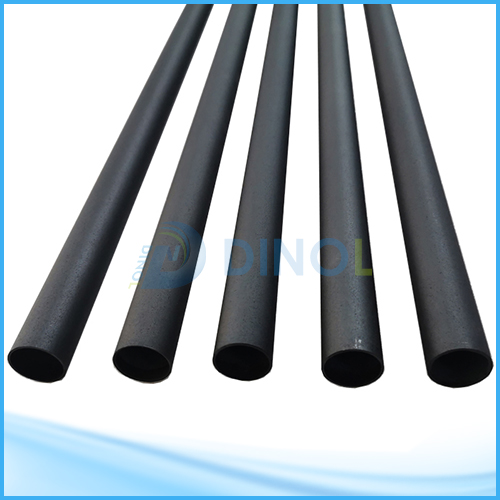
Benefits and Limitations of Powered Anode Rods in B2B Applications
Before making a purchase choice, both the pros and cons of driven cathodic protection technology must be carefully considered.
Operational Advantages
The benefits go beyond just lowering the cost of maintenance. Total cost of ownership estimates are directly affected by longer equipment lifespan. Tanks that are properly covered can last 15 to 25 years, compared to 8 to 12 years with regular anodes. When the sediment buildup that insulates tank surfaces and makes heating elements work harder is removed, efficiency goes up. It's especially helpful to cut down on downtime in manufacturing settings where problems with hot water can cause production delays. Getting rid of sulfur smells fixes a quality problem that has been going on for a long time in places that use well water with lots of bacteria that break down sulfate.
These changes to operations lead to measurable cash gains. Less frequent replacement lowers the risk of capital expenditures, easier maintenance procedures lower the need to assign workers, and recorded case studies show that better efficiency cuts energy use by 3% to 7%.
Limitations and Considerations
The biggest problem is that powered systems are two to four times more expensive than simple sacrificial anodes, which means that the initial investment is higher. There are concerns about compatibility with some tank designs, especially older ones that don't have enough electrical grounding or have special insulating liners. Water chemistry has a big effect on how well it works. For example, very high Total Dissolved Solids (TDS) levels or strong chloride amounts may be too much for normal protection, so you may need special solutions or extra treatment.
Purchasing managers must also make sure that there is a stable electricity supply, since power outages leave tanks without protection for a short time. Backup battery systems or redundant power lines cost more, but they keep important apps running,and they also ensure that theWater Heater Power Anode Rodremains functional during grid fluctuations, as this component relies on consistent current to prevent corrosion effectively.
Choosing the Right Powered Anode Rod for Your Procurement Needs
To do strategic sourcing right, you need to carefully look at a lot of different decision factors that fit the needs of your business and the way things actually work.
Performance vs. Cost Analysis
When R&D engineers compare powered systems to standard sacrificial anodes, they shouldn't just look at the buy price; they should also look at how much the system will cost over its entire life. Find the total cost of ownership, which should include installation labor, replacement costs every 20 years, downtime costs, and differences in energy efficiency. This all-around look usually shows that powered anodes have 30% to 50% lower total costs, even though they cost more up front. This is especially true in commercial and industrial settings where service calls and lost production time cost a lot.
Water Chemistry Compatibility
During the specification step, supply chain managers must give suppliers correct water research data. Hardness (calcium/magnesium content), pH levels, chloride concentration, sulfate levels, and conductivity measurements are some of the most important parameters. With this information, you can choose the right size and coating. Water softening systems need extra care because the lower mineral content and higher sodium levels in softened water make it more prone to corrosion, which needs a carefully set protection current.
Supplier Evaluation Criteria
People who work in procurement should look at possible sellers from a number of different angles. Manufacturing skills are important. Suppliers who have their own quality control labs and electrode finishing facilities are more consistent than those who outsource important processes. Batch production capacity tells us if suppliers can keep their annual framework agreements without having to deal with supply problems.
When it comes to technical support, responsiveness is what sets capable partners apart from commodity suppliers. This includes engineering consultation for custom applications and rapid prototyping for special needs. Certifications like ISO 9001, NSF/ANSI 61 for touch with drinking water, and NACE approval make sure that quality systems and product safety are checked objectively.
Maintenance Best Practices and Replacement Guidelines
To get the most out of the lifecycle value, you need to use structured approaches to monitoring, service intervals, and sourcing strategies that support reliable operations for a long time.
Replacement Timing Strategies
Powered anodes usually last for twenty years, but there are some situations where they should be replaced sooner. If a facility is switching from municipal to well water, installing a softening system, or going through changes in treatment protocols that affect the water chemistry, they should reevaluate their protection. If the voltage drifts outside of the specified ranges even though the water is stable, it means that the electrode is wearing out and needs to be replaced.
If you move the tank or make changes to the system that affect electrical grounds, you may need to update the devices to keep the cathodic protection working right,and regular inspection of theWater Heater Power Anode Rodis essential in all these cases, since its performance directly reflects the combined effects of water quality, voltage stability, and grounding conditions.
Professional Service vs. In-House Maintenance
Production managers have to decide whether service should be done by in-house staff or by outside companies. Facility workers who have been trained and know how to fix electrical problems can check LEDs, measure voltage, and make simple replacements on standard setups. Specialized service providers bring testing tools, a lot of knowledge, and liability insurance in case of installation problems to complex systems like those with multiple tanks, high-voltage units, or important functions that can't be interrupted.
Bulk Procurement Strategies
By combining their purchases, large manufacturing operations and facilities with multiple sites can get the best prices. Framework deals with qualified suppliers that are renewed every year ensure bulk discounts, priority allocation during times of supply shortages, and easier buying processes.
When you work with manufacturers instead of distributors, you can often get better payment terms, direct technical support from engineering teams, and the ability to customize products for specific uses. To make sure that all big orders work the same, procurement professionals should ask for batch consistency documentation that includes testing of electrical parameters and checking the thickness of the electrode coating.
Conclusion
Powered anode technology has a lot of benefits for protecting water heating infrastructure for B2B users, but the phrase "maintenance-free" needs to be understood in the right way. Compared to standard sacrificial anodes, these systems require a lot less upkeep and only a small amount of checking every so often to make sure they are working at their best. Equipment that lasts longer, works more efficiently, and has less downtime is good for industrial and commercial uses.
These benefits usually make up for higher initial costs through good lifecycle economics. A successful implementation depends on carefully choosing the supplier, making sure the right size is used for the water chemistry, and following the manufacturer's inspection guidelines,all of which are equally critical for theWater Heater Power Anode Rod, as its proper selection, sizing, and routine checks directly determine the overall effectiveness of the cathodic protection system.Powered cathodic protection systems provide measurable value in a wide range of operating settings for businesses that value long-term dependability and low costs.
FAQ
Will powered anode rods work with all water heater brands?
Most powered anode systems use standard 3/4-inch NPT threading that works with major brands like Whirlpool, AO Smith, Rheem, and Bradford White. Some models with special port layouts might need adapter fittings that can be bought from certain suppliers. Before you buy, check the dimensions and electrical grounding standards to make sure they will work with your system.
What causes premature powered anode failure?
Common reasons for failure include not enough electrical grounding, which stops the flow of current properly, water chemistry conditions that are too high or too low compared to the design parameters, power supply breaks from unstable electrical sources, and physical damage during installation or tank maintenance. These risks are greatly reduced by using the right size, having a professional install it, and checking it on a regular basis.
How effective are these devices in hard water environments?
Hard water doesn't hurt the performance of a powered anode by itself. The technology actually works better in water that has a lot of minerals because the higher conductivity makes it easier for the current to flow. Since less mineral content in softened water makes it less conductive and more likely to rust, it needs to be calibrated more carefully. Analysis of the water's chemistry during design makes sure that the right device is chosen for any hardness profile.
Partner with Tianyi for Industrial-Grade Water Heater Protection Solutions
Shaanxi Tianyi New Material Titanium Anode Technology makes corrosion protection systems that are engineered to work well in tough business-to-business situations. As a specialist in making Water Heater Power Anode Rods, we combine our advanced MMO coating knowledge with custom electrochemical solutions that solve the specific problems that power battery makers, electronics factories, auto parts makers, and commercial water heating operations face. Our titanium-substrate electrodes go through strict quality control measures, such as NACE TM0108 accelerated life testing, to make sure they have the 20-year or longer service life that industrial procurement teams need for accurate lifecycle planning.
For businesses that need custom electrode geometries, coating formulations for harsh water chemistry, or integrated monitoring systems for mission-critical applications, we offer full OEM and ODM services. Our expert support team helps with water analysis, sizing estimates, and checking the protection's efficiency after installation to make sure it works best. Medium- to large-sized manufacturing companies that want stable, long-term supply partnerships can use bulk price structures and framework deal choices to get what they need.
Email our engineering team at info@di-nol.com to talk about your particular needs for water heating safety, get technical specs, or set up a sample evaluation. You can look at our full selection of electrochemical electrode solutions at dsa-anodes.com and find out how Tianyi's smart materials technology can help your equipment last longer and cost less to maintain.
References
1. American Society of Plumbing Engineers. (2020). Water Heater Maintenance Standards and Best Practices.
2. NACE International. (2019). Cathodic Protection Systems for Domestic Water Heaters. Houston: NACE Press.
3. Plumbing Engineer. (2022). Advanced Anode Technologies Reduce Maintenance Requirements. Plumbing Engineer Magazine, 50(3), 28-33.
4. Water Quality Association. (2021). Technical Manual: Corrosion Control in Water Heating Equipment. Lisle, IL: WQA Publications.
5. Water Heater Innovation Consortium. (2023). Comparative Analysis of Anode Protection Technologies. Journal of Applied Water Technology, 15(2), 112-127.
6. U.S. Department of Energy. (2020). Water Heating Equipment Efficiency and Maintenance Guidelines.