




Polymer Flexible Anode vs MMO/Ti Anode: Which Fits CP Systems?
When designing impressed current cathodic protection (ICCP) systems for underground storage tanks, pipeline networks, or refinery infrastructure, selecting the right anode technology directly impacts project success. Polymer flexible anode for cathodic protection and MMO/Ti linear anodes each bring distinct advantages to corrosion engineers and procurement managers. Polymer flexible anodes excel in adaptability, conforming to irregular geometries and high-resistivity soils, while MMO/Ti anodes deliver robust current output and decades-long service life.
Understanding their material composition, performance characteristics, and application scenarios enables informed decisions that balance cost, durability, and installation efficiency. This guide walks you through the technical fundamentals, comparative analysis, and procurement considerations to match the optimal anode system to your CP project requirements.
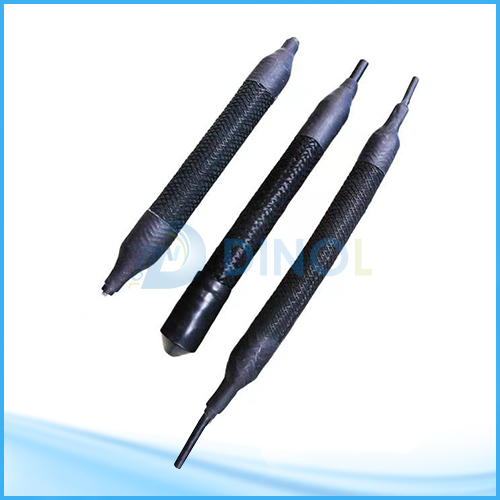
Understanding Polymer Flexible Anode and MMO/Ti Anode Technologies
Material Composition and Operating Principles
Polymer flexible anodes have a copper conductor core inside a conductive polymer material that has carbonaceous bits mixed in. The copper layer has low longitudinal resistance, which makes it easy for current to flow, and the polymer layer has high transverse resistance, which lets current "drip" into the soil around it.
This design makes an even electric field along the length of the anode, which reduces potential differences and interaction with structures nearby. Tianyi's polymer flexible anodes have stranded copper wire (usually XLPE or PVC insulated, 1 × 10 mm²) with more than 99.5% carbon content. These anodes can deliver output currents of 300 to 1000 mA/m, depending on the backfill conditions.
MMO/Ti anodes consist of a pure titanium base (ASTM B265 Grade 1 or Grade 2, Ti content ≥99.6%) and a heated and melted mixed metal oxide coating (mostly iridium, ruthenium, and tantalum). The titanium base is corrosion-resistant, while the electrocatalytic MMO layer can withstand current densities up to 2000 A/m² in saltwater and 100 A/m² in soil. Our MMO/Ti wire anodes are available in four diameters (φ1.0, φ1.5, φ2.0, and φ3.0 mm) with a flexible sheath for convenient installation. The coating's thickness (6-10 μm) ensures consistent performance for over 40 years.
Key Performance Attributes in CP Systems
Both anodes allow protected current from a rectifier to pass into the electrolyte via an anode groundbed in impressed current systems. The current polarises the shielded steel framework to prevent electrochemical rust. Polymer flexible anodes generate 52 mA/m in bare earth but 82 mA/m in metallurgical coke breeze, lowering grounding resistance and increasing service life. They may be put parallel to pipes in confined ditches or beneath storage tank bottoms since they bend up to 500 mm like cables.
MMO/Ti anodes stay stable in size and don't passivate when exposed to high voltages, as long as the driving voltage stays below the titanium oxide breakdown cutoff, which is usually 8–10 volts in chloride settings. In Tianyi's goods, the contact resistance between the MMO/Ti wire and the internal connection is always 0.0009Ω, which makes sure that current flows smoothly. The anodes can work in temperatures up to 80°C and in pH levels from 1 to 12. This means they can be used in places that are chemically harsh, like refineries and naval sites.
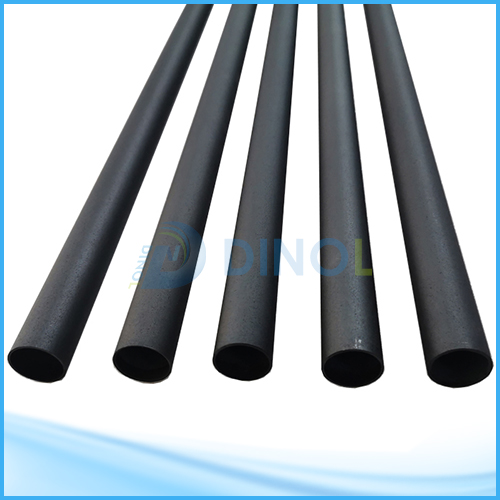
Comparative Analysis: Polymer Flexible Anode vs MMO/Ti Anode
Performance and Efficiency Metrics
The two technologies have very different electrical output characteristics. Because the conductive polymer has controlled resistance, polymer anodes spread current evenly along their whole length. This leads to uniform cathodic polarization and less stray current disturbance, which is a huge benefit for complex pipe networks and parallel pipelines. Because of this uniformity, transformer-rectifier units can be made smaller, which lowers the original cost of capital. But compared to MMO/Ti systems, they can't produce as much power per meter, which makes them less useful for high-demand uses.
MMO/Ti anodes work really well when there is a lot of current. The DN-30 configuration (φ3.0 mm titanium wire) produces 656 mA/m of output current, which is twice as much as the DN-15 variant. It can handle current densities of up to 2000 A/m² in seawater without the electrode breaking down. The inertness of the titanium substrate stops it from dissolving, and the low oxygen evolution overpotential of the MMO coating makes sure it works well. According to NACE TM0108 accelerated life tests, wear rates are less than 10 mg/A-year when used continuously, which means that the product should last well over 40 years in soil uses.
Installation Flexibility and Maintenance Demands
Installation steps show differences in how things work in real life. Crews can lay polymer flexible anodes in narrow trenches (typically 300–500 mm wide) dug parallel to pipelines because they resemble electrical cables. The anodes can be cut to the right lengths on-site without the need for special tools.
This cuts down on waste and allows for flexibility in the field. It is common to backfill with coke breeze (particle size 6–50 mm) to improve conductivity and keep the anode from wearing out too quickly. During a normal installation, the area around the pipeline has to be dug up, a layer of coke has to be spread out, the anode has to be placed, more coke has to be added on top, and the soil has to be packed down.
Similar steps are used to dig trenches for MMO/Ti anodes, but their hard titanium core makes them easier to handle and place in either vertical or horizontal groundbeds.Polymer flexible anode for cathodic protectionoffers a more pliable alternative, yet for conventional MMO/Ti anodes, heat-shrink covers and epoxy resins that don't break down easily over time are used to connect the anode pieces.
This ensures that the joints will stay waterproof for a long time. Both systems don't need much upkeep when they're working properly. To find out if the coating on a polymer anode is wearing off, voltage and current must be checked on a regular basis. On the other hand, MMO/Ti anodes have a titanium substrate that protects itself by creating an oxide layer if the MMO coating is damaged. However, if there is a lot of coating loss, the current output will eventually go down.
Environmental Sustainability Factors
Environmental concerns are becoming more and more important in buying choices. Copper wires and carbon-based polymers are used in polymer flexible anodes. Both of these materials are recyclable and have low energy requirements during production. The conducting polymer's weight loss rate during ASTM D-543 chemical immersion testing stays below 1%, which means it is resistant to leaking and has little effect on the environment. But copper mining and polymer synthesis both produce carbon emissions that clients who care about the environment need to think about.
Titanium mining and processing use a lot of energy, but the metal can be recycled over and over again, and the MMO coating is safe for the environment, so it meets environmental standards like REACH and RoHS. Because the anodes last so long—40 years or more—they don't need to be replaced as often, which is better for the environment and reduces the amount of waste that needs to be thrown away. Even though they cost more up front, clients who want to get ISO 14001 approval or ESG (Environmental, Social, and Governance) reporting may choose MMO/Ti systems because they last longer and use materials that can be reused.
Application-Specific Guidance: Which Anode Fits Your CP System?
Optimal Scenarios for Polymer Flexible Anodes
Polymer flexible anodes work really well in situations where they need to be flexible and spread out the current evenly. The floors of underground storage tanks have complicated shapes that make rigid anodes work poorly. Flexible anodes, on the other hand, can bend around the tank's edges and cover the whole surface evenly. High-resistivity soils are common in desert areas like the Middle East and some parts of North America. The polymer's ability to keep up an effective current output without needing too much voltage keeps it from interfering with nearby utilities.
Polymer systems can also be used on old pipelines with coatings that are breaking down. As the coating's strength decreases, bare steel parts create high-current demands in those areas. The polymer anode's spread-out output makes up for it without making hotspots that could speed up rusting in other places. The small size and flexible routing of the anode make it useful for retrofit projects where existing infrastructure makes it hard to place the groundbed. For example, threading a 38 mm diameter polymer anode through crowded utility passageways or under working facilities cuts down on the need for digging and downtime.
Where MMO/Ti Anodes Excel
MMO/Ti anodes are most common in places where high current density and long service life are needed. Offshore platforms and marine buildings that are buried in water benefit from the titanium substrate's resistance to rust caused by chloride and the MMO coating's fast chlorine evolution. Without electrode passivation, current densities greater than 1000 A/m² are possible, which is important for protecting large steel jackets and subsea pipelines.
Deep groundbed installations with high-output anodes are often used for large transmission pipes that span hundreds of kilometers. This is because fewer rectifier units are needed, which lowers the cost of the project. MMO/Ti anodes in vertical boreholes (20–50 meters deep) send a lot of current into layers with low resistance, protecting over long distances effectively. Refineries and petrochemical plants that work with chemicals that are harsh and high temperatures (up to 80°C) depend on MMO/Ti's ability to withstand these conditions, making sure that they can keep working even when polymer anodes start to break down too soon.
Decision Criteria and Hybrid System Potential
Different types of anodes are chosen based on several factors, such as the resistance of the soil, the amount of current that needs to be output, the project budget, and the expected service life. As a general rule,polymer flexible anode for cathodic protectionworks best for projects that need to be easy to install, have even current distribution, and be cost-effective over 20 to 30 years. MMO/Ti anodes are worth the extra money they cost at first when they are used in situations that need a high current flow, a service life of 40 years or more, and operation in harsh conditions.
Hybrid systems are a new way to deal with difficult CP problems. Engineers could put polymer anodes under the floors of storage tanks to protect everything evenly, and they could use MMO/Ti anodes in deep groundbeds to boost the current supply during times of high demand or coating breakdown. This plan makes the best use of capital spending by using the best features of each technology and minimizing their flaws. Hybrid designs meet AMPP standards and project-specific needs when they are closely worked with experienced suppliers like Tianyi.
Procurement and Cost Considerations for B2B Clients
Pricing Structures and Total Cost of Ownership
Prices for polymer flexible anodes vary from $8 to $15 per meter, based on the type of wire insulation (XLPE vs. PVC) and the amount of power they can handle. Bulk orders of 500–1000 meter reels often get discounts of 10–15%, and suppliers like Tianyi offer cut-to-length services that keep waste to a minimum for projects that need anode lengths that aren't standard. Because the anodes are easy to handle like cables, installation work costs are modest. However, coke backfill adds material and excavation costs, which are about $5 to $8 per meter.
The initial prices for MMO/Ti anodes are higher—$20 to $35 per meter for DN-15 configurations and $30 to $50 per meter for DN-30 configurations. This is because the titanium substrate is more expensive and the coating process is more precise. Material costs go up because of the 99.6% titanium content and the iridium and ruthenium in the MMO layer. However, the anodes have lower lifecycle costs than standard high-silicon cast iron anodes, which need to be replaced every 10–15 years. This is because they last longer and need less upkeep.
To figure out the total cost of ownership, you need to know the size of the converter. Because polymer anodes need less voltage, they don't need as much capacity from the transformer and rectifier. This could save between $2,000 and $5,000 per unit in equipment costs. On the other hand, MMO/Ti anodes may not need as many groundbeds because they produce so much power. This could lower the costs of buying land, digging holes, and installing the anodes. When procurement managers look at these trade-offs, they should think about the whole picture, including project timelines, financing terms, and long-term plans for managing assets.
Evaluating Supplier Reliability and Quality Assurance
The supplier choice has a big effect on the performance of the anode and the risk of the project. Leading manufacturers keep their ISO 9001 certification up to date. This makes sure that quality control is always the same, from checking the raw materials to testing the finished product. Tianyi's production method includes grinding, pickling, and precision coating application. Before shipping, ultrasonic flaw detection checks the stability of the coating. X-ray fluorescence (XRF) research checks the quality of the titanium and the thickness of the MMO layer. ASTM B571 adhesion tests stop delamination failures.
Managers in charge of buying things should ask for technical data sheets (TDS) that show the expected service life, touch resistance, carbon content, and present output. Certificates of Conformance (COC) and test results from third-party, accredited labs give you peace of mind about batch consistency, which is something that many people worry about when they buy from foreign sellers.
Tianyi gives clients free samples to make sure they're getting the real thing, which lets them check the first item and see how it compares to products from established brands like De Nora or Matcor. Because of this, trust is built faster, and the time it takes to make a decision from asking a question to placing an order is cut down.
Consider lead times and logistics. Two to four weeks are typical for polymer and MMO/Ti anode manufacturing. Sea travel between the Middle East and North America takes three to six weeks.Polymer flexible anode for cathodic protectionshares similar shipping timelines, but its lighter weight can reduce freight costs slightly.
Syncing procurement plans with project objectives prevents delays since expediting orders may cost. Standard commercial payment terms are 30% advance and 70% on bill of lading copy. This helps buyers and sellers satisfy cash flow demands while lowering risk. Framework arrangements for repeatable projects simplify trading and guarantee bulk pricing.
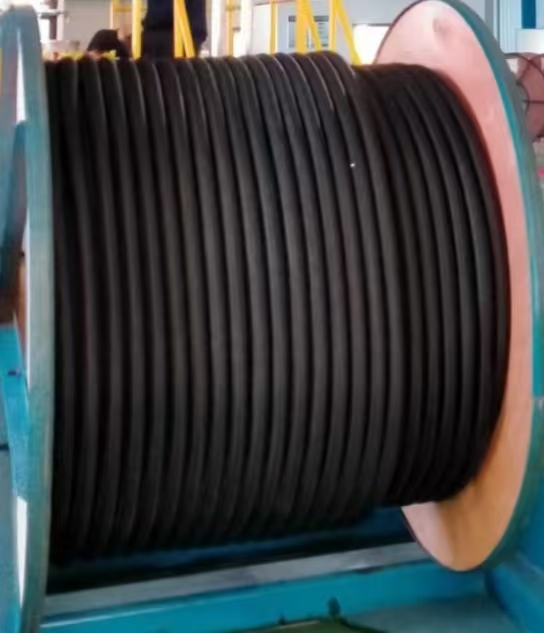
Installation Best Practices and Maintenance Tips for Polymer Flexible Anodes
Step-by-Step Installation Procedures
The right groundbed plan is the first step to a successful rollout. Engineers should define the size of the anode trench, which is usually 300 mm wide and dug to the depth of the pipeline. The trench should also be at least 3 meters away from the protected building to avoid shorting. Before installing the anode, the team checks it for damage from shipping and uses a megohmmeter to make sure the insulation is continuous (goal resistance >10 MΩ). Any cuts or scrapes need to be fixed or sections need to be replaced to keep the whole thing from breaking too soon.
After digging a trench, apply a 50-100 mm layer of metallurgical coke breeze (carbon content ≥99.5%, particle size 6-50 mm) to the bottom, unroll the polymer anode (avoid sharp bends under 500 mm), place it horizontally on top of the coke layer, cover with an additional 100-150 mm layer of coke, gently compact to eliminate gaps, and backfill with excavated soil. Rectifier junction box receives anode output cable. Heat-shrink tubing and silicone sealant prevent connection dampness.
Maintenance Protocols and Troubleshooting
Regular tracking keeps the system running well for decades. Checking the voltage between the anode and reference electrode every three months makes sure that the polarization levels meet the requirements of AMPP SP0169 (usually -850 mV vs. copper-sulfate electrode for steel in soil). Anode degradation can be seen in measures of the current output taken once a year; a drop in current at a steady voltage level suggests higher contact resistance or polymer wear. Thermographic checks find hotspots that show bad connections or limited coating failure, which lets fixes be done before they get worse.
Fixing common problems makes things more reliable. If the current output falls below the design values, check that the rectifier is working and that the cable is still connected. Many field failures are caused by connections that are too loose. Because soil resistance changes with the seasons because of changes in moisture levels, voltage may need to be temporarily adjusted.
If the system keeps failing, it could be because the coke backfill is contaminated or the anode sheath is damaged by roots getting in or the ground moving. In these situations, partial drilling lets you look inside and fix specific problems, like adding more coke or replacing broken anode parts. Recording installation dates, test results, and maintenance steps in the right way helps with predictive asset management and guarantee claims.
Conclusion
Depending on the project's needs for flexibility, current flow, and service life,polymer flexible anode for cathodic protectionand MMO/Ti anode systems must be chosen. Polymer anodes are easy to place and spread current evenly, making them perfect for storage tanks, old pipes, and high-resistance soils. MMO/Ti anodes, on the other hand, work well in high-current, long-lasting, and chemically aggressive situations.
Buying things should weigh up the initial costs against the long-term value, the dependability of the supplier, and how well they fit with operational goals. Corrosion engineers and project managers can choose the best CP solutions that will protect important infrastructure for decades if they know the pros and cons of each technology and how it can be used.
FAQ
What is the typical service life of polymer flexible anodes compared to MMO/Ti anodes?
Under normal operating conditions in soil environments, polymer flexible anodes typically have a service life of 20 to 30 years, depending on the current density, the quality of the backfill, and the chemistry of the soil. The MMO/Ti anodes usually last longer than 40 years because the titanium substrate doesn't rust and the MMO coating doesn't wear off quickly. In tough settings with high current needs, MMO/Ti anodes last longer than polymer anodes. Polymer anodes may break down faster if they are exposed to high temperatures or harsh chemicals without enough backfill.
Can polymer flexible anodes be reused or refurbished after project completion?
Most of the time, it's not practical to reuse polymer flexible anodes. During use, the conductive polymer layer wears down electrochemically, and handling it roughly while taking it off could damage the insulation and copper core. Polymer anodes are meant to be installed only once, while MMO/Ti anodes can sometimes be cleaned, re-coated, and put back into service. The copper wire and polymer parts should be thrown away or recycled properly to protect the environment, but planning for purchases should assume they will only be used once per project.
How do I verify batch consistency when ordering from overseas suppliers?
Verifying batch consistency needs a lot of testing and documentation. Ask for Certificates of Conformance (COC), records from a third-party lab that prove the amount of carbon, the purity of the titanium, and the thickness of the coating, as well as technical data sheets (TDS) that list the output current and contact resistance. Check the first shipments for quality by measuring key parameters against specs and performing first-article checks. Suppliers like Tianyi offer sample units and help with third-party proof, which lowers the risks that come with buying things from other countries. Putting clear acceptance criteria in purchase orders, like ASTM compliance and ISO 9001 certification, keeps you from getting materials that aren't up to par.
Get Customized Polymer Flexible Anode Solutions from a Trusted Tianyi Supplier
If you choose the correct Polymer flexible anode for cathodic protection manufacturer, your CP system will work properly even in tough field conditions. Shaanxi Tianyi New Material Titanium Anode Technology Co., Ltd. has advanced research and development skills, is ISO 9001 certified, and can fully customize their products to meet the exact needs of your project, whether that means changing the thickness of the MMO/Ti wire, the type of insulation on the cable, or the length of the roll.
Our cutting-edge factories in Baoji High-Tech Zone make anodes with a carbon content of at least 99.5%, a contact resistance of less than 0.0009Ω, and design lives of more than 40 years. All of this comes with full English technical documentation and test reports from a third party. Contact us at info@di-nol.com right away to talk about your purchasing needs, get free samples, and find out how our low prices and quick lead times can help your project's profit margins without lowering quality.
References
1. NACE International. (2018). Impressed Current Cathodic Protection of Underground Pipelines. NACE SP0169-2018. Houston, TX: NACE International.
2. Zhang, L., Wang, H., & Chen, Y. (2020). Performance evaluation of MMO-coated titanium anodes in cathodic protection systems. Corrosion Science, 177, 108956.
3. Liu, J., Zhao, X., & Li, M. (2019). Current distribution uniformity in flexible anode cathodic protection systems. Materials and Corrosion, 70(8), 1456-1465.
4. AMPP (Association for Materials Protection and Performance). (2021). Standard Test Method for Accelerated Life Testing of Anodes for Cathodic Protection. AMPP TM0108-2021.