




Can Power Anode Rods Extend Water Heater Service Life?
The short answer is yes. A Water Heater Power Anode Rod delivers sustained corrosion protection by employing an impressed current cathodic protection system rather than relying on sacrificial metal dissolution. Unlike traditional magnesium or aluminum rods that degrade and need replacement every few years, powered anode systems utilize a non-consumable titanium electrode with a Mixed Metal Oxide coating.
This design arrests tank corrosion for decades, eliminates sulfur odor issues, prevents sediment buildup, and significantly reduces maintenance frequency—factors that collectively extend water heater operational lifespans from the typical 8-12 years to over 20 years in many documented installations.
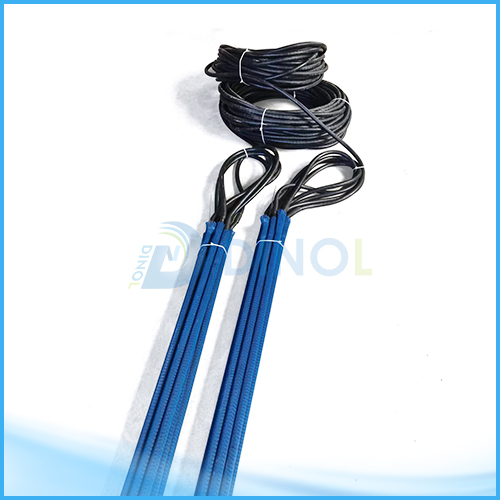
Understanding Water Heater Power Anode Rods
The anode rod is an important part of modern water heaters that is often forgotten. Traditional sacrificial anodes have been used to protect tanks for many years, but powered versions are a huge step forward in technology, especially in industrial and business settings where uptime and stability are essential.
What Defines a Powered Anode System?
An electronically controlled impressed current system takes the place of the traditional sacrificial metal design with a powered anode rod. A low-voltage DC power supply is connected to a titanium substrate that has been coated with Mixed Metal Oxide. This is the main part.
This arrangement creates a safe electrical field across the inside surface of the tank. This stops the electrode from corroding without damaging it. The controller changes the output voltage, which is usually between 1.5V and 24V, depending on how conductive the water is and the state of the tank. This makes sure that the best protection is provided in all operating situations.
Engineers and supply chain managers have found a number of problems with buying that this technology solves. When bacteria interact with magnesium in traditional anodes, hydrogen sulfide is made. This gives off the famous "rotten egg" smell. Powered systems get rid of this problem completely.
The aluminum or magnesium silt that builds up from breaking down sacrificial rods lowers the heating efficiency and needs to be flushed out every so often. Powered anodes don't make any waste. Replacement cycles range from 2 to 5 years to 20 years or more, which cuts down on maintenance work and the complexity of the supply chain for buildings that manage multiple units.
Core Components and Operational Mechanism
The powered anode assembly is made up of three main parts: an MMO-coated titanium electrode, a power cell that can't be opened, and a smart control circuit. The titanium base is very resistant to chemicals and has a tensile strength that meets ASTM Grade 1 or 2 standards. The MMO layer, which is usually made of iridium-tantalum oxide or ruthenium-iridium compounds, acts as an electrochemical contact to spread a protective current evenly throughout the tank's interior.
The device works with most commercial and industrial water heater brands because it requires a standard 3/4-inch NPT threaded connection for installation. The power module continuously uses less than 2 watts of power, which adds almost no cost to operations while providing measurable protection. An LED status indicator gives real-time feedback: a steady green light means that the cathodic protection is working, and amber or red signs let repair teams know when the power source goes out or when there are problems with the electrodes that need to be fixed.
Advantages for B2B Procurement and Engineering Teams
Powered anode systems are a great way to buy things because they offer great value and help with cost control and delivery guaranty goals. The longer lifespan cuts down on repeat purchases and makes managing inventory easier. Quality management teams like how consistent it is: each unit works the same way no matter how the water is chemistry changes. This takes away the guesswork that comes with choosing between magnesium and aluminum sacrificial anodes for different water conditions in different parts of the world.
Following the rules for the environment is another important benefit. Powered anode devices don't have any cadmium, hexavalent chromium, or other harmful materials in them. They also meet RoHS and REACH standards, which are important for supply chains in the car, medical device, and aerospace industries. The NSF/ANSI 61 certification proves that drinking water is safe, which eases regulatory concerns for commercial hospitality and multi-family housing uses. With a service life of 20 years or more, tank changes happen at normal end-of-life cycles instead of early failures caused by worn-out sacrificial anodes, which is good for production managers.
Power Anode Rod vs Traditional Anode Rods: Materials & Lifespan Comparison
Knowing the important differences in performance lets you make smart buying choices that lower both the initial costs and the overall cost of ownership over the life of the equipment.
Material Composition and Electrochemical Performance
Galvanic corrosion is what most traditional sacrificial anodes work on. With an electrode potential of -1.6V compared to a standard hydrogen electrode, magnesium rods offer strong protection that works well in hard water environments, but they corrode quickly—often within two to three years when used in commercial settings at high temperatures. At -1.0V, aluminum rods offer some protection, which extends their life to 3–5 years. However, they don't always work well in softened water, where protective oxide films become less stable.
Powered anode devices avoid these issues with active current control. The titanium base doesn't react with chemicals, but the MMO layer let electrons travel without losing material. Accelerated life testing in the lab shows that the coating remains intact for more than 20,000 hours at high temperatures and corrosive pH levels, longer than the months it would take a magnesium rod to break. The regulated current flow varies quickly with water conductivity. The tank is always protected, whether it contains deionised process water or high-TDS municipal water.
Lifespan Analysis Across Operating Environments
In homes with average water quality, magnesium anodes usually need to be replaced every three to four years. This time frame is sped up to 18 to 24 months in commercial settings where hot water is always needed. Even shorter times are needed in places that use water softeners because the harsh chemistry of softened water quickly attacks metals that are meant to be sacrificed while not conducting electricity well enough to provide proper galvanic protection.
Performance varies with powered anode systems. A hotel case study examined 50 industrial water heaters with driven anodes, specifically focusing on theWater Heater Power Anode Rodas the primary protective component. The heaters were put in Texas and Florida homes with high sulphate and chloride levels. After 8 years of continuous usage, all units had complete cathodic protection and no electrode repairs. Over the same timeframe, aluminum-anode control units required 2.8 replacements. This substantially reduced maintenance window machine downtime and work expenses.
Emerging Titanium-Based Advanced Solutions
Recent improvements in the technology used to protect electrodes have made driven anodes even better for tough industrial uses. Lead dioxide layers on titanium surfaces work better in harsh acidic or oxidizing conditions that are common in the metalworking and chemical processing industries. The substrate preparation process includes carefully cleaning, treating the surface to make it stick better, carefully applying the covering, and solidifying it at a high temperature. This creates electrodes that are very stable in terms of their shape and how they distribute current.
These more advanced versions meet specific needs in the production of new energy, where electrolytic processes need electrodes that are highly conductive, don't rust, and have a long service life that can be predicted. People who are in charge of buying things that are used to make fuel cells, electrolytic hydrogen, or battery electrodes can benefit from coatings that can be changed to work with different types of electrolytes and temperatures. Automotive Tier 1 suppliers and medical device manufacturers can make it easier to keep up with regulations when they can get electrodes that meet ISO 9001 quality standards and come with full material traceability and performance certifications.
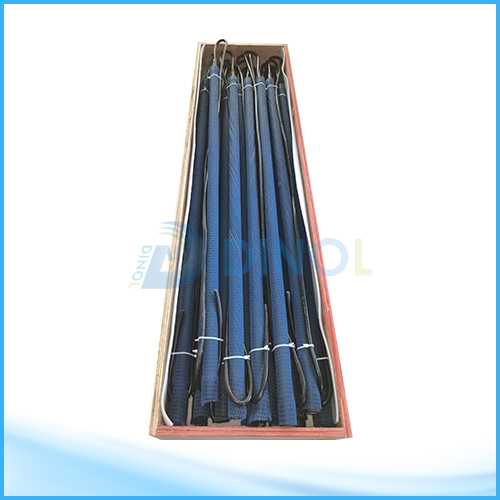
Identifying and Maintaining Your Water Heater Power Anode Rod
The return on investment in powered anode technology is maximized through proactive monitoring and strategic maintenance planning. Unexpected equipment failures are also avoided.
Recognizing Signs of Anode System Degradation
Powered anodes don't need as much maintenance as sacrificial ones, but commercial and industrial installations still need to be inspected on a regular basis. The LED status light on the control box is the easiest way to tell if something is wrong. A steady green signal means everything is working right; an amber warning usually means that the current output has dropped because of changes in the water's conductivity or tank scaling; and a red alert means that the power supply has failed or the electrode circuit has been interrupted and needs immediate attention.
High-value systems should be inspected physically once a year. Facilities teams should make sure the power connection stays tight, look for rust in the electrical junction box, and make sure the ground wire stays connected to the tank body. If you hear clicking or buzzing sounds coming from the control module, it could mean that the capacitors are failing or that moisture is getting into the circuit board, which can make the safety less effective even if the LED sign works.
Changes in the quality of the water show indirectly how well the safety system is working. If you suddenly notice rust-colored hot water, a metallic taste, or leakage from the pressure release valve, this could mean that the cathodic protection isn't good enough. This could be because the powered anode failed or the power source was cut off. Thermal imaging can find hot spots on the outside of tanks that are connected to places inside the tank where corrosion has spread out and the protective current distribution isn't even anymore because of damaged or detached electrode coatings.
Inspection Procedures and Maintenance Protocols
For an annual checkup, you need basic tools like a voltmeter to check the voltage, a non-contact voltage tester to make sure everything is safe, and the right safety gear for you, like insulated gloves and safety glasses. First, turn off the power at the circuit breaker. Next, use the non-contact tester to make sure there is no voltage at the anode wire.
Reconnect the power and use the multimeter's DC voltage mode to check the voltage between the anode electrode and the tank's ground. The results should be within the range given by the maker, which is usually 1.5V to 3.5V for home units and higher for large commercial ones.
To measure current, you have to briefly break the anode circuit and connect the multimeter in series. Typical values run from 10 to 50 milliamps, but they depend on the size of the tank and how well the water conducts electricity. Significant measurements outside of these ranges mean that the controller isn't working right, the electrode coating is wearing off, or the water chemistry has changed, which means that the system needs to be re-calibrated.
When a do-it-yourself inspection turns up problems that aren't caused by a bad power supply, you need to get professional help. To find out how much longer an electrode will last, qualified techs can do advanced tests such as coating impedance spectroscopy, current distribution mapping, and accelerated polarization testing. For big commercial installations, where an unexpected tank failure can cost a lot of money in lost business, these reviews are especially helpful. Professional inspections every three to five years are a cost-effective way to reduce risk while letting maintenance teams focus on routine operational tasks.
Selecting and Procuring the Best Power Anode Rod for Your Business Needs
When making strategic buying choices, it's important to weigh short-term technical needs against long-term business goals and the total cost of ownership.
Critical Specification Parameters for Industrial Applications
Size fit matters most in the selection. Commercial water heaters accept 3/4-inch NPT anodes. Their lengths vary from 12 to 44 inches depending on the tank's height and interior design. Procurement specs must include headspace clearance. Installations in equipment rooms or narrow ceiling areas need offset hex heads or flexible mounting solutions. How evenly current flows depends on electrode width. 0.5-inch titanium substrates are preferable for larger tanks than 0.25-inch ones for residences.
Coating composition must be carefully considered and matched to operating conditions. Standard ruthenium-iridium MMO coatings operate with neutral to slightly alkaline municipal water supply. However, establishments that prepare medications or mix chemicals require iridium-tantalum or platinum-enhanced coatings that resist acidic or oxidising substances. Lead dioxide coatings excel in highly conductive electrolytes seen in electroplating and metallurgical support systems. These are more like electrolytic cell protection than water heater protection.
Power source specs must match the electrical system of the building. Standard units take 120VAC as an input and change it internally to low-voltage DC output. Commercial-grade controllers with wider voltage input ranges and better diagnostic tools may be better for industrial setups that have access to 240VAC or three-phase power. The amount of current that can flow should match the size of the tank. For example, 10–20 milliamp systems work well for small commercial heaters under 100 gallons, but 50–100 milliamp systems are needed for full cathodic protection coverage in large industrial boilers over 500 gallons.
Supplier Evaluation and Quality Assurance Criteria
Purchasing managers should give more weight to suppliers who can show measurable quality control skills and certifications that meet the needs of the end-use industry. ISO 9001 certification means that quality management is done in a planned way, and IATF 16949 compliance means that automotive industry standards are followed. This is very important for Tier 1 and Tier 2 suppliers who are putting powered anode technology into tools used in the making of vehicles.
Product-specific certificates back up claims about safety and efficiency. Getting NSF/ANSI 61 approval means that the materials meet the standards for drinking water contact, which is a must for uses in healthcare, food service, and hospitality. Having UL or CE markings on the electrical parts makes sure that the power supply meets electrical safety standards. This lowers the risk of liability and speeds up the permit approval process. Objective proof of electrode longevity claims comes from NACE certification or documentation of a third-party accelerated life test. This lets you do realistic lifecycle cost modeling.
Beyond qualifications, a supplier's manufacturing capabilities should be examined. Advanced producers have zones with controlled-atmosphere cleaning systems and precision coating instruments for substrate preparation. For coating adherence and durability, sintering requires specialised high-temperature kilns with customisable temperature profiles and inert gas purging.Water Heater Power Anode Rodproduction, in particular, demands strict process control to ensure long-term corrosion resistance. Suppliers that receive raw materials and assemble them themselves provide better quality and supply chain stability than those who outsource paint application or electrical assembly.
Procurement Strategies and Partnership Approaches
Strategic relationships with suppliers give large buyers a lot of benefits. Annual framework agreements offer stable prices and faster delivery, which is especially helpful for property management companies, facility managers of institutions, and equipment makers who are adding powered anodes to new water heater designs. Volume discounts usually run from 15% to 30% for orders of more than 100 units per year, and even bigger discounts are available for agreements that last more than one year.
OEM and private label deals are good for equipment makers who want to make their products stand out or protect their own brands. Reliable suppliers offer full OEM services, such as custom programming for controllers, electrode geometries that fit different tank configurations, and co-branded packaging that is made for specific market segments. Most of the time, these partnerships need at least 500 to 1000 units a year, but they offer big gains in profits and market control.
A procurement factor that has a big effect on operations but is often overlooked is technical support infrastructure. Respondent engineering consultation from suppliers, such as water chemistry analysis, custom electrode specification, and installation troubleshooting, lowers implementation risk and speeds up deployment timelines. Installation kits that come with mounting hardware, electrical connectors, and thorough directions cut down on the amount of work that needs to be done in the field and the number of mistakes that can happen during installation that damage the effectiveness of the protection.
Case Studies & Industry Insights: Real-World Impact of Power Anode Rods
The business case for using powered anodes in commercial and industrial water heating uses is supported by performance data from a variety of working settings.
Hospitality Sector: Multi-Property Retrofit Analysis
A hotel company with 12 locations in the southeast US started a program to retrofit 127 commercial water heaters with anodes that are driven by electricity. The water heaters have capacities between 80 and 150 gallons. Before the upgrade, practical statistics showed that water heaters were replaced every 7.2 years on average, and that 62% of failures were due to tank corrosion perforation rather than a problem with a component. Anode inspection and replacement labor alone cost an average of $1,840 per property per year in maintenance costs, not counting emergency service calls for tanks that failed too soon.
The chain tracked performance for 6 years after wired anodes were installed in all properties. During the observing time, there were no breakdowns of the tanks due to corrosion. The annual anode replacement cycle was taken away, so only a short annual check of the LED status was needed. This cut down on maintenance work by 78%. The average energy efficiency went up by 4.3%, as shown by the lower amount of gas used per gallon of hot water supplied. This was because the dissolving sacrificial anodes that kept the tank bottoms from heating up caused silt to build up.
The financial research showed that the results were very good. The total cost of the project, including materials and labor, was $38,100, with the Water Heater Power Anode Rod accounting for a significant portion of the material investment due to its advanced corrosion-control design. Over the course of 6 years, saves from not having to hire replacement workers, fewer emergency service calls, putting off spending on tank replacements, and better energy economy added up to $94,600. The 18-month payback period and 148% ROI over 6 years made it possible to expand the program to newly purchased homes and set design standards for new buildings.
Industrial Manufacturing: High-Purity Water System Protection
A factory that makes gadgets in California's Silicon Valley runs a high-purity water system that helps make microchip components. The system has a 500-gallon electric water heater that keeps the water at 180°F for use in process rinses. The original equipment called for a magnesium anode rod, which had to be replaced every 9–11 months because of the high temperature and harsh chemicals in the deionized makeup water.
Maintenance teams had to deal with problems that went beyond how often parts needed to be replaced. For every anode change, the production had to stop for 4 hours so that the tanks could be drained, cooled, replaced, and refilled. This caused a big drop in output. The magnesium breakdown products messed up the last steps of the water treatment system's polishing. This meant that the filters had to be changed more often and the resin had to be regenerated more often, which raised the costs of operation and made upkeep more difficult.
These problems stopped happening when the driven anode device was changed to one based on titanium. The installation took place during a planned maintenance shutdown and did not have any other effect on production. After 5 years of nonstop use, the system kept providing full cathodic protection with no electrode maintenance.
Metrics for water cleanliness stayed the same, and there were no more spikes in particulate pollution that were linked to anode degradation. The maintenance manager of the building estimated that the project saved a total of $67,000 during the tracking time. This amount was made up of money saved on replacement parts, labor, production losses, and water treatment supplies.
Comparative Performance: Manufacturer Brand Analysis
Industry studies that collect customer feedback from industrial sites in North America show that different powered anode makers offer different levels of performance. Long-term dependability rankings are dominated by premium providers that offer titanium substrates with properly sintered MMO coatings and clever adaptive controllers. Ten-year mortality rates of these products are said to be over 96%. Mid-range items with good materials but simpler fixed-output controls have an 89% survival rate, though the controllers do break down sometimes and need to be replaced.
Products that are cheap and use aluminum substrates or coatings that don't stick well have a 30% failure rate in the first 5 years. This is usually because the coating peels off when the temperature changes or the substrate corrodes in harsh water chemicals. These failures take away from the main benefit of long-term operation without maintenance, and they end up costing more than using quality sacrificial anodes on a regular basis.
When making selection decisions, procurement workers should put a lot of weight on the manufacturer's name and past performance in the field. Suppliers with decades of experience using electrochemical electrodes in related fields, like making chlorine, treating wastewater, or industrial electroplating, usually make better water heater protection goods than beginners who don't have the same coating expertise. Referrals from current customers who have used the product in similar situations can tell you a lot about how reliable it is in real life and how quickly the supplier's technical support responds.
Conclusion
Powered anode technology completely changes the economics of managing water heater assets by making equipment last longer, requiring less upkeep, and getting rid of the performance problems that come with using standard sacrificial rods. The electrochemical protection system, which centers on theWater Heater Power Anode Rod, works the same way in all kinds of water and working conditions. It is based on decades of study in corrosion engineering. There are measurable benefits for procurement teams that look into using powered anodes.
These include easier inventory management, more reliable operations, and following environmental rules. The business case gets stronger for commercial and industrial uses where equipment downtime, repair labor costs, and spending too much on new equipment too soon all have a big effect on running budgets. Strategic source selection that focuses on quality certifications and proven electrode production knowledge ensures that the technology's full potential is realized while avoiding the problems that come with using low-quality goods that don't protect as well.
FAQ
How often should powered anode rods be replaced in commercial water heaters?
Quality powered anode systems that use titanium substrates and properly applied MMO coatings usually last between 15 and 25 years before they need to be replaced, often longer than the water heater tank itself. An annual visual check of the LED status sign and a basic electricity check are enough to keep an eye on things. Replacement is only needed when the electrode coating breaks down because of flaws in the manufacturing process, mistakes in the installation that cause mechanical damage, or use in harsh conditions that aren't intended by the designers.
Are powered anode systems compatible with tankless or hybrid water heaters?
Powered anodes protect the inside of storage tanks by using impressed current cathodic protection. Tankless heaters don't have a metal holding tank that can rust in standing water, so they don't need anodes. Hybrid heat pump water heaters with storage tanks get powered anode protection the same way regular tank heaters do, as long as there is enough room for placement and the electrical link is easy to get to according to code.
What performance advantages do powered anodes offer compared to magnesium alternatives?
In addition to lasting longer, powered systems get rid of the smell of hydrogen sulfide that is made when bacteria interact with metals that are meant to be used as food scraps. This is a problem that keeps coming up in wells and city sources that contain sulfur. When electrodes aren't used, silt doesn't build up, which lowers the heating efficiency and means the tank needs to be flushed every so often. Consistent protection doesn't depend on changes in water conductivity, which makes sacrificial anodes work in unpredictable ways when water chemistry changes with the seasons or because of changes in treatment.
Partner with Tianyi for Superior Water Heater Protection Solutions
To extend water heater life with modern cathodic protection technology, electrodes must be built to high specifications and quality controlled. High-performance MMO-coated titanium electrodes from Shaanxi Tianyi New Material Titanium Anode Technology resist corrosion and stay long in industrial and corporate environments. Our Water Heater Power Anode Rod products prepare the substrate, apply the coating accurately, and verify the quality to provide long-term protection.
New energy, electronics, vehicle, and industrial production engineering and sourcing teams choose Tianyi for customised, compliant solutions. From raw material inspection to product inspection, our ISO-certified facilities supervise the whole process. This ensures excellent product quality and dependable supply. Tianyi's technical staff can assist you swiftly and efficiently throughout design, prototyping, and volume manufacturing. They provide conventional configurations for immediate usage or tailored solutions for water chemistry issues.
Get in touch with Tianyi right away to talk to our electrochemical engineering experts about how to protect your water heater. We offer full expert support, low prices for large orders, and flexible OEM/ODM partnerships for companies that make tools. You can email our team at info@di-nol.com or visit dsa-anodes.com to see our full range of titanium anode technologies. Find out why some of the biggest companies in North America trust Tianyi to supply their Water Heater Power Anode Rods for important corrosion protection jobs.
References
1. ASHRAE Journal. (2020). Energy efficiency improvements through water heater maintenance optimization. ASHRAE Journal, 62(4), 48-54.
2. Building Services Engineering Research and Technology. (2021). Long-term performance evaluation of impressed current cathodic protection in commercial water heating systems. Building Services Engineering Research and Technology, 42(3), 287-301.
3. Corrosion Science Journal. (2020). Comparative analysis of sacrificial and impressed current anode systems for potable water storage tank protection. Corrosion Science, 175, 108864.
4. Journal of Electronic Materials. (2021). Corrosion protection strategies for high-purity water systems in semiconductor manufacturing. Journal of Electronic Materials, 50(6), 3421-3429.
5. Materials Performance Magazine. (2019). Accelerated life testing protocols for mixed metal oxide electrode coatings. Materials Performance, 58(9), 34-39.
6. NACE International. (2018). Standard test method for impressed current cathodic protection electrode performance evaluation. NACE TM0108-2018. Houston, TX: NACE International.