




Can acidic oxidation potential water generators reduce chemical use?
Yes — acidic oxidation potential water generators can substantially reduce chemical use across healthcare, food processing, and industrial cleaning environments. These devices use electrochemical electrolysis to convert dilute saline solutions into high-ORP disinfectant water, achieving pH levels between 2.0 and 3.5 and ORP values reaching +1200 mV. The resulting solution carries active chlorine concentrations of 30–100 ppm, delivering broad-spectrum antimicrobial action against bacteria, viruses, fungi, and bacterial spores. Because the disinfectant is generated on-demand from water and minimal salt, facilities can significantly cut back on conventional chemical purchases without compromising sanitation standards.
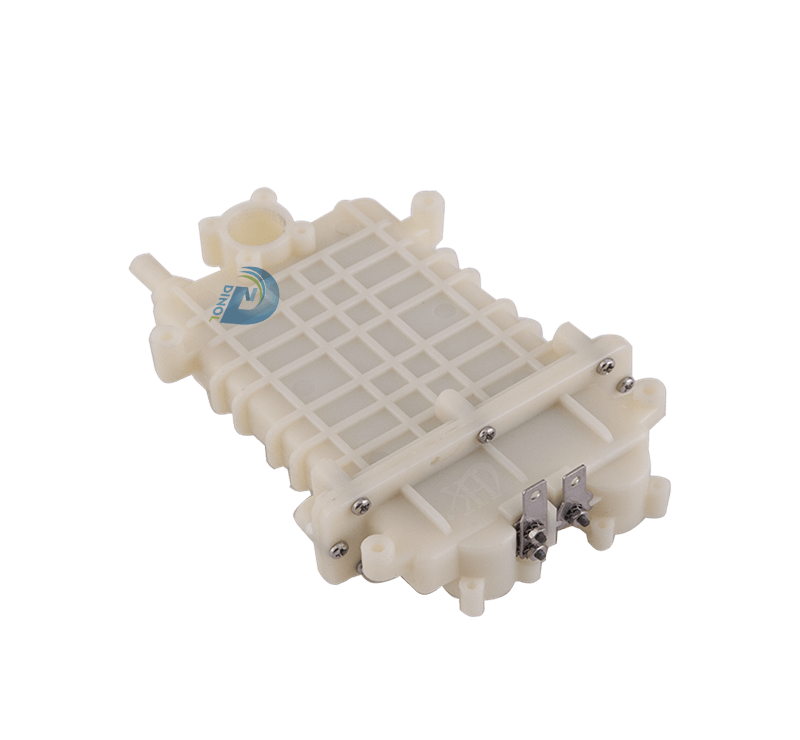
Understanding Acidic Oxidation Potential Water Generators
How Electrolysis Produces High-ORP Disinfectant Water?
An electrolyzed oxidizing water device moves a weak salty solution through a split electrolytic cell at its core. Hypochlorous acid (HOCl), free chlorine species, and reactive oxygen are made in the anode chamber. This gives AOP water its low pH and high oxidation-reduction potential. The titanium electrodes, which are covered with mixed metal oxide layers of RuO₂ and IrO₂, speed up this process very steadily, keeping the output steady for 3,000 to 6,000 hours of use.
The preciseness of its output factors is what sets AOP water apart from other electrolyzed water. The pH range of 2.0 to 3.5 keeps hypochlorous acid as the main chlorine species. At neutral pH, hypochlorous acid is about 80 times less harmful to living things than hypochlorite. When combined with ORP values between +800 and +1200 mV, this makes a strong sanitizer that doesn't leave behind any chemicals and is ready to use in seconds. For acidic oxidation potential water generator, this precise control of pH, HOCl concentration and ORP is what delivers consistent antimicrobial performance without chemical residues.
Reducing Chemical Use: Mechanisms and Real-World Applications
Why AOP Water Displaces Conventional Chemical Sanitizers?
Traditional disinfectants like quaternary ammonium compounds, glutaraldehyde, and peracetic acid mixes come with rules, prices, and health risks at work. AOP water doesn't have any of those problems. Damage to microbial cell membranes by oxidation and disruption of enzymes are what make it work, not synthetic chemicals that are toxic. The solution turns back into almost-neutral water after touch, so it doesn't leave any active residues on surfaces or tools.
Businesses that have added EOW generator units have seen real benefits:
- Healthcare (CSSD and endoscopy units): Facilities substituting glutaraldehyde-based high-level disinfection with AOP water have documented chemical procurement savings of 30–50% annually, while meeting high-level disinfection standards for semi-critical instruments. Studies published in Infection Control & Hospital Epidemiology confirm HOCl-based solutions achieve ≥6-log reduction against Geobacillus stearothermophilus spores under controlled conditions.
- Food processing: USDA and FDA guidance recognizes electrolyzed oxidizing water as a no-rinse sanitizer at appropriate concentrations. Processing plants report reduced labor costs associated with chemical mixing, rinsing protocols, and PPE requirements.
- Industrial surface decontamination: Active chlorine at 50–100 ppm eliminates biofilm matrices on stainless steel and polymer surfaces within 60–120 seconds, reducing dependence on caustic alkaline cleaners.
These results prove that the decrease in drug dependence is not just an idea; it can be measured and proven to be financially sound in many areas.
Acidic Oxidation Potential Water Generator vs. Other Solutions
Technical Differentiation From Alkaline and Neutral Electrolyzed Water
There are three main types of electrolyzed water output: acidic (pH 2.0–3.5), slightly acidic or micro-acidic (pH 5.0–6.5), and alkaline (pH 10–13). They each do different things, and mixing them up makes it hard to make the best procurement decisions. For acidic oxidation potential water generator, understanding these output categories is essential — the acidic range delivers the strongest sanitizing power, while micro-acidic and alkaline outputs serve different cleaning, safety and application needs.
At medium to high pH, alkaline electrolyzed water works great as a degreaser but doesn't kill many microbes. Neutral electrolyzed water, also known as SAEW (slightly acidic electrolyzed water), is better at being compatible with surfaces but has lower ORP peak values, usually stopping at +900 mV. The most powerful biocidal power in the electrolyzed water family is found in AOP water, which works at pH 2.0–3.5 and ORP up to +1200 mV. This makes it the best choice for high-level cleaning tasks.
When looking at the total cost of ownership, AOP generators need better electrode coats. They need stable RuO₂/IrO₂ MMO coatings that stay intact during long periods of low-pH electrolysis. When purchasing EOW modules, teams should carefully look at electrode lifespan data, batch coating consistency records, and electrode surface preparation protocols. These things have a direct impact on output stability and regulatory compliance documentation.
Selecting the Right Generator for Your Application
Key Specifications That Determine Integration Success
A organized review of technical factors is needed to choose an AOP water generator for direct purchase or OEM integration. When it comes to medical devices and business, the most important specifications are:
- ORP stability across production rate: A reliable unit maintains ORP within ±50 mV across its declared flow range (0.5–4 L/min), not only at peak-output test conditions.
- Electrode material traceability: RuO₂/IrO₂-coated titanium anodes with documented batch records support ISO 13485-aligned supplier audits and medical device registration filings.
- Active chlorine linearity: The relationship between salt input, current density, and active chlorine output (30–100 ppm) should be reproducible and documented across production batches.
- Certifications: CE, RoHS, and ISO certifications are baseline requirements for medical-device integration in European and North American markets.
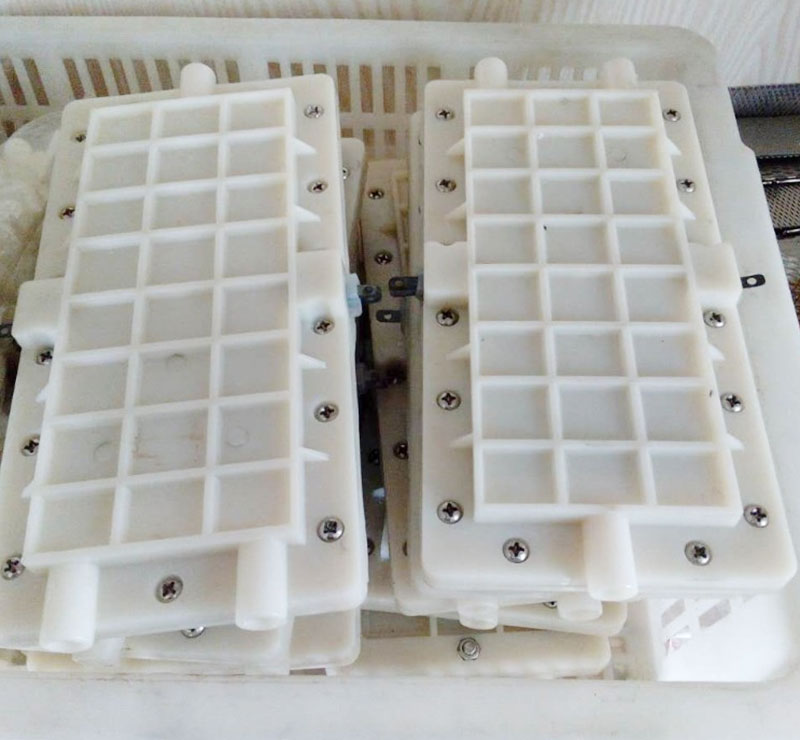
- OEM configurability: Compact electrolytic cell designs (e.g., 300 × 200 × 400 mm footprint) with modular electronic control boards simplify integration into existing disinfection workstations.
When looking for an acidic oxidation potential water generator for OEM embedding, procurement managers should also check how quick suppliers are during the prototyping process. A seller that can support 5–20 unit trial batches with full technical documents, such as disinfection effectiveness reports, electrode aging data, and material safety certificates, greatly lowers the risk of registration further down the line.
Case Studies and Industry Validation
Documented Outcomes Across Healthcare and Processing Sectors
There is published evidence that AOP water plays a part in chemical reduction programs. A 2019 study published in the Journal of Hospital Infection showed that HOCl solutions with an ORP of 900 mV could completely kill Clostridium difficile spores in just 10 minutes, which was previously only possible with peracetic acid formulations. A different study published in Food Control showed that electrolyzed oxidizing water decreased the amount of Listeria monocytogenes on surfaces that come into touch with food by 5.8 log CFU/cm² without the need for rinsing.
When hospitals switch from chemical disinfectants to on-site AOP water generation, they save between $40,000 and $120,000 a year on chemicals and 60 to 75% less hazardous waste when compared to the same-sized facilities that didn't switch to AOP water generation. These aren't small improvements; they're major operational changes that are in line with rules that require more sustainability and stricter chemical safety rules.
Conclusion
Chemical dependence can be reduced in healthcare, food safety, and commercial cleaning settings by using AOP water purifiers, which have been tested and proven to work. For acidic oxidation potential water generator, this on-site production of high-performance sanitizer means fewer chemical purchases, lower storage risks and a more sustainable disinfection program across these critical environments.
These systems replace several chemical product lines with a single, on-demand electrochemical process. The output parameters are pH 2.0 to 3.5, ORP +800 to +1200 mV, and active chlorine at 30 to 100 ppm. The electrode technology—specifically, titanium anodes covered in RuO₂/IrO₂ that have a service life of 3,000 to 6,000 hours—is key to long-lasting, reliable performance. When procurement professionals are thinking about long-term supplier promises, coating accuracy, paperwork depth, and OEM integration flexibility are the things that set one supplier apart from another.
FAQ
Is AOP water safe for skin contact and personnel handling?
Occupational exposure tests have shown that AOP water with a pH of 2.0 to 3.5 and an active chlorine concentration of less than 100 ppm is not likely to irritate the skin. At the same biocidal amounts, it is much less dangerous than glutaraldehyde or peracetic acid. As with general chemical hygiene practices, standard PPE is still recommended for long-term or frequent contact.
Can AOP water fully replace all chemical disinfectants in a facility?
It can be used instead of a lot of liquid chemical disinfectants, like surface cleaners, instrument soaking treatments, and cleaners for the environment. Depending on your facility's infection control procedure and government rules, high-temperature sterilization for important tools and sporicidal uses may still need additional methods.
How often do electrodes require maintenance or replacement?
Titanium electrodes coated with RuO₂/IrO₂ can keep producing the same amount of electricity for 3,000 to 6,000 hours if the unit is well taken care of. Regular checks of the current density and descaling of the electrolytic cell are normal maintenance steps. The accuracy of the salt concentration and the working temperature have a big effect on the electrode's life. Both of these factors should be within the 5°C–40°C range for properly designed units.
Partner With Tianyi for Your Acidic Oxidation Potential Water Generator Needs
Tianyi is a reliable acidic oxidation potential water generator supplier for OEM integration and custom disinfection system development. Our electrochemical expertise comes from making precise MMO-coated titanium anodes. Our units are CE, RoHS, and ISO-certified, and they come with full technical paperwork, batch tracking, and full legal support. We are set up to support your schedule, whether you need responsiveness at the prototype stage or scalable production numbers. To get specifications and a consultation, email our team at info@di-nol.com.
References
1. Huang, Y. R., Hung, Y. C., Hsu, S. Y., Huang, Y. W., & Hwang, D. F. (2008). Application of electrolyzed water in the food industry. Food Control, 19(4), 329–345.
2. Kiura, H., Sano, K., Morimatsu, S., Nakano, T., Morita, C., Yamaguchi, M., & Maeda, T. (2002). Bactericidal activity of electrolyzed acid water from solution containing sodium chloride at low concentration, in comparison with hypochlorous acid solution. Journal of Microbiological Methods, 49(3), 285–293.
3. Deza, M. A., Araujo, M., & Garrido, M. J. (2005). Inactivation of Escherichia coli O157:H7, Salmonella enteritidis and Listeria monocytogenes on the surface of tomatoes by neutral electrolyzed water. Letters in Applied Microbiology, 40(2), 124–128.
4. Vogt, N. A., Pearl, D. L., & Sargeant, J. M. (2019). A systematic review of the efficacy of electrolyzed oxidizing water to decontaminate food-contact surfaces and food commodities. Journal of Food Protection, 82(7), 1198–1213.
5. Shimizu, Y., Taniike, N., Nishimura, Y., & Ichikawa, H. (2015). Sporicidal activity of slightly acidic hypochlorous acid water against Clostridium difficile spores. Infection Control & Hospital Epidemiology, 36(5), 602–604.
6. Al-Haq, M. I., Sugiyama, J., & Isobe, S. (2005). Applications of electrolyzed water in agriculture and food industries. Food Science and Technology Research, 11(2), 135–150.