




Can powered anode rods extend water heater tank service life?
Yes, powered anode rods can meaningfully extend water heater tank service life — often by a decade or more. A powered water heater anode rod for cathodic protection works through Impressed Current Cathodic Protection (ICCP), delivering a controlled low-voltage electrical current that suppresses electrochemical corrosion on the steel tank wall. Unlike magnesium or aluminum sacrificial rods that deplete over time, an MMO-coated titanium anode rod is non-consumable, providing consistent protection regardless of water hardness, pH level, or total dissolved solids. Industry data indicates tanks protected by ICCP systems can exceed 20 years of service life under normal operating conditions.
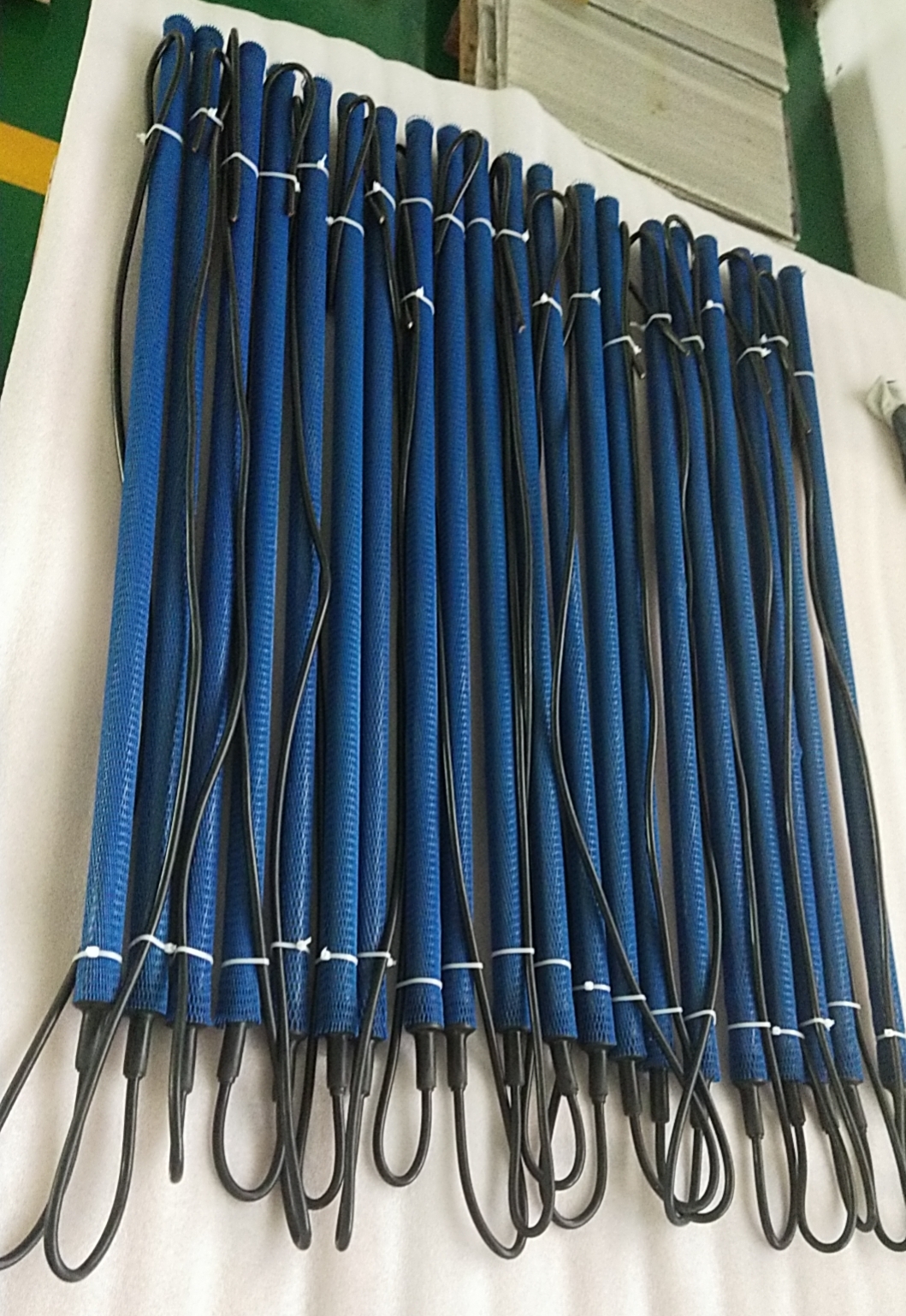
Understanding Powered Anode Rods and Their Role in Cathodic Protection
How Corrosion Happens Inside a Water Heater Tank
A simple electrochemical process causes steel water heater tanks to rust. Oxygen, minerals dissolved in water, and differences in temperature make anodic and cathodic zones on the inside of the tank. Over time, the steel wall slowly rusts as electrons move between these areas. Without active defense, this process speeds up in places with hard water or softer water, which causes pinhole leaks and tanks to fail before they should.
What Makes a Powered Anode Rod Different?
With an ICCP system, the standard sacrificial method is swapped out for a driven powered water heater anode rod for cathodic protection. The heart of the rod is a commercially pure Grade 1 or Grade 2 titanium layer that is covered with Mixed Metal Oxides, most often an Ir-Ta MMO or Ru-Ir MMO layer. When it is hooked up to an outside DC power source, it sends a measured protection current into the water. This changes the electrical potential of the tank wall into a safe range. The rod stays the same size throughout its useful life because the titanium base doesn't dissolve.
Expected Lifespan Under Varying Water Chemistry
In moderately hard water, standard magnesium sacrificial rods last about two to four years. In contrast, an MMO titanium-powered rod is made to last 10 to 20 years, which means it will often last longer than the tank itself. The ICCP system changes the amount of current it sends based on the resistivity of the water. This makes sure that the system is safe even if the water supply has a lot of iron, sulfates, or chlorides.
Comparing Powered Anode Rods with Traditional Anode Rods
Material Composition and Design Differences
Usually, substitute rods are made of a combination of magnesium or aluminum wrapped around a steel core wire. They work by rusting the tank more than other parts, which is a naturally self-limiting process. Powered rods have a titanium base that doesn't need to be sacrificed and an electrocatalytic MMO coating that comes in mesh, ribbon, or disk shapes. Instead of depending on how close the design is to a dissolving mass, this one creates a steady flow of current throughout the whole tank.
Performance Across Different Water Conditions
When water is weakened, sacrificial rods don't work as well because water with few minerals makes the conductivity higher and the loss faster. On the other hand, calcium carbonate scale can cover a magnesium rod and make it less useful in very hard water. Powered rods get around both issues. When the resistance of the water changes, the limited current automatically adjusts to keep you safe in a wide range of water chemistry conditions. Because they can be changed, they work especially well in commercial and industrial settings where the water quality changes.
Cost Analysis: Upfront Investment vs. Long-Term Savings
It costs more to buy a driven anode rod setup than a single sacrificial rod at first. But the number of replacements drops from every two to four years to at least once every ten years. This means that fewer warranty claims, returns, and a better image for the brand in the aftermarket channel for a plumbing dealer who manages a private label product line.
Installation, Maintenance, and Signs of Failure of Powered Anode Rods
Installation Requirements and Electrical Connections
The installation goes through the same physical port as a normal sacrificial rod. This is usually a 3/4-inch NPT threaded port on top of the tank. You use the right sealant to put the rod into place, then connect the rod's lead wire to the control module and then to a normal 110V or 220V AC outlet. The module changes AC to DC, which is generally less than 3.5 volts. There must be waterproof sealing at the port link so that water doesn't get into the electrical joint.
Routine Maintenance Schedule
Unlike spare rods, which need to be physically replaced, a driven rod system only needs to have its electricity checked every so often. For most home and light business setups, checking the control module warning light every three months, making sure the wire insulation is still in good shape every year, and testing the conductivity of the water in the tank once a year are enough. In industrial areas where temperatures change quickly, checks should be done every six months.
Recognizing Early Signs of System Failure
The LED status light on the control box is the most obvious sign of a problem. A steady green light means that the safety feature is working, while a red or flashing light means that there is a problem, like a broken circuit, a wire connection that has corroded, or a loss of conductivity. One more sign is the return of a sulfur or rotten-egg smell, which is a sure sign that the protective current from the powered water heater anode rod for cathodic protection has been cut off and anaerobic bacteria are reacting with the water's remaining sulfates.
Benefits of Powered Anode Rods for Water Heater Service Life Extension
Documented Reduction in Maintenance Frequency
According to research published in the field of corrosion engineering, ICCP systems cut the rate of corrosion inside tanks by 80 to 95 percent compared to steel that isn't protected. If a hotel or laundromat with large storage tanks doesn't have to shut down for anode replacement every year, they will save a lot of time and money over the course of five years.
Here are the main performance benefits that make this technology useful for making B2B buying decisions:
- Non-sacrificial operation: The rod retains its physical dimensions over its entire service life, removing the need for scheduled mass-replacement cycles.
- Odor elimination: The titanium/MMO construction is chemically inert and does not react with sulfates or bacteria, completely stopping hydrogen sulfide gas production.
- Scale inhibition: The localized electrochemical reaction at the tank wall alters the surface pH, reducing calcite scale adhesion and improving heat transfer efficiency.
- Compliance-ready: MMO titanium anode systems can be manufactured to comply with NSF/ANSI 61 for drinking water contact safety and NACE TM0108 for ICCP anode performance.
[Operation that doesn't require sacrifice] The rod stays the same size throughout its entire working life, so it doesn't need to be replaced in large amounts on a regular basis.- Getting rid of smells: The titanium/MMO structure is chemically inert and doesn't react with sulfates or bacteria, which stops the production of hydrogen sulfide gas completely.
Environmental and Sustainability Benefits
Over time, sacrificial rods dissolve magnesium or aluminum into the water supply, and every time they are replaced, they create metal waste. Powered rods don't break down into melted metal byproducts and don't make much trash when they're done. Usually, between 10 and 50 kWh of energy are used each year. This means that the running costs are very low, and the carbon footprint is very small compared to the length of time the asset is used.
Procurement Considerations: How to Choose and Where to Buy Powered Anode Rods?
Key Criteria for Supplier Evaluation
To find a trusted powered anode rod provider, you need to look at a number of technical and business factors. The basic requirements are that the product must work with major brands of water heaters (for 40 to 89-gallon residential tanks and 100-gallon or more commercial tanks), have accurate thread specifications (3/4-inch NPT), and be certified (NSF/ANSI 61 for the power module, UL/ETL for the residential tanks). Not spot-check figures, but documented salt spray test data and full-inspection quality records should be given by suppliers.
OEM and Private Label Capabilities
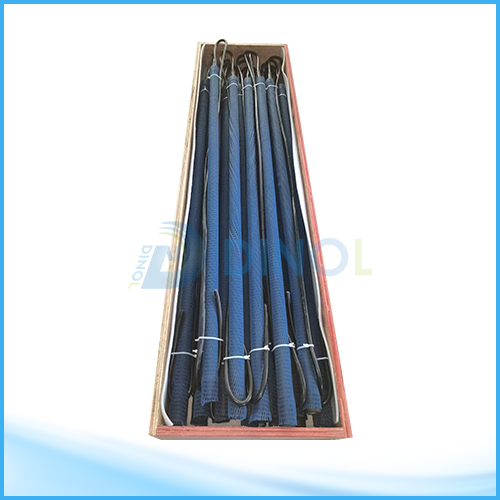
When distributors are making their own private label line of products, the OEM ability of the seller is just as important as the product specifications. A good manufacturer should have rods of different sizes that can be customized, power modules that work with both 110V and 220V, retail-grade color boxes with barcodes, and flexible MOQ structures that let you order both small batches and full containers.
Sourcing Channels and Supply Chain Strategy
Buying teams that need to find a powered water heater anode rod for cathodic protection usually start their search on Alibaba, Google, or trade shows like IBS Las Vegas or the National Hardware Show. A China+1 risk diversification approach works best when at least two qualified sources are looked at. Before agreeing to an annual supply agreement, ask about tiered pricing, sample lead times, and emergency air freight replenishment terms.
Conclusion
Anode rods that are powered up replace the tank's periodic sacrificial protection with a continuous, non-consumable ICCP system. This makes the tank last longer. The MMO-coated titanium substrate provides stable current distribution in a wide range of water conditions, gets rid of smell complaints, and greatly lowers the costs of maintenance over the entire lifecycle. This technology gives B2B buyers who are in charge of private label plumbing product lines a good way to stand out in a price-competitive market.
The next step that makes sense is to find a supplier that meets NSF/ANSI 61 standards, has documented OEM capability, and offers quick logistics support for a powered water heater anode rod for cathodic protection.
FAQ
How does a powered anode rod stop the rotten egg smell?
The odor comes from hydrogen sulfide gas produced when anaerobic bacteria react with magnesium anodes in sulfate-rich water. The titanium/MMO rod is chemically inert — it does not react with bacteria or sulfates, so gas production stops immediately after installation.
How much electricity does the system consume?
The control module draws approximately 10 to 50 kWh annually, which amounts to a few dollars per year at standard U.S. residential electricity rates.
Is it compatible with gas and electric water heaters?
Yes. The rod installs through the standard anode port present on most residential and commercial storage tank water heaters, regardless of the heat source.
What is the expected service life compared to a magnesium rod?
A standard magnesium rod lasts two to four years depending on water hardness. An MMO titanium powered rod is designed to last 10 to 20 years under normal operating conditions.
Does the system require professional installation?
The installation process is straightforward for a licensed plumber and achievable for experienced DIY homeowners. The primary requirement is a nearby grounded electrical outlet for the control module.
Source Powered Anode Rods for Cathodic Protection from Tianyi — Request a Quote Today
Tianyi makes titanium anode rods with an MMO coating that meet ASTM B338/B348 Grade 1 standards. These rods can be coated with either Ir-Ta or Ru-Ir for use in home and business water heaters. If you're a powered water heater anode rod for cathodic protection manufacturer, we offer OEM private label programs, retail-ready packaging, flexible MOQ structures, and paperwork that shows you meet NSF/ANSI 61 standards. You can email us at info@di-nol.comto get samples, tiered prices, or a unique specification sheet.
References
1.Fontana, M. G. Corrosion Engineering. McGraw-Hill, 1986.
2.NACE International. TM0108: Test Method for Evaluation of Cathodic Protection Anode Materials. NACE International, 2008.
3.NSF International. NSF/ANSI 61: Drinking Water System Components — Health Effects. NSF International, 2020.
4.Jones, D. A. Principles and Prevention of Corrosion. Prentice Hall, 1996.
5.Shreir, L. L., Jarman, R. A., & Burstein, G. T. Corrosion: Metal/Environment Reactions. Butterworth-Heinemann, 1994.
6.U.S. Department of Energy. Water Heating — Energy Saver Guide. U.S. Department of Energy, 2022.