




Chlor Alkali Electrolyzer vs Diaphragm Cell: Which Is Best for Plants
When plant engineers and procurement managers ask which technology suits their facility best, the answer depends on production scale, purity requirements, and long-term operating costs. A modern chlor alkali electrolyzer — particularly one using ion-exchange membrane technology — generally outperforms traditional diaphragm cells in energy efficiency and product purity. However, diaphragm cells still hold practical advantages in certain cost-sensitive settings. This article breaks down both technologies so you can make a confident, data-backed decision.
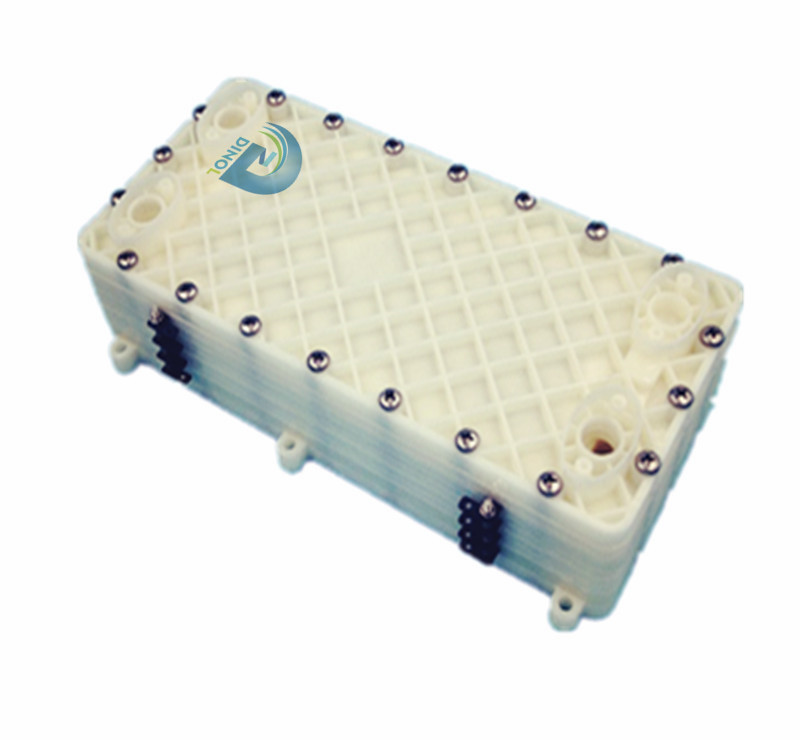
Introduction to Chlor Alkali Electrolyzers and Diaphragm Cells
Understanding how each technology works is the starting point for any serious equipment evaluation.
How a Chlor Alkali Electrolyzer Works
The electrochemical process inside an electrolytic cell splits brine (sodium chloride solution) into three valuable outputs: chlorine gas, hydrogen gas, and caustic soda (sodium hydroxide). The electrode reactions are straightforward:
- Anode: 2Cl⁻ − 2e⁻ → Cl₂↑
- Cathode: 2H⁺ + 2e⁻ → H₂↑
- Total reaction: NaCl + H₂O → NaClO + H₂↑
The resulting sodium hypochlorite solution is a strong oxidant with proven disinfection capability equal to other chlorine-based compounds. Modern units, such as the Tianyi TY-WL series, operate on 2%–5% saline input and produce effective chlorine at rates ranging from 50 g/h (WL50B) up to 2000 g/h (WL2000B), covering municipal water plants, marine applications, and food-grade CIP systems.
The Three Main Cell Technologies
Three technologies dominate the industry: membrane cells, diaphragm cells, and mercury cells. Mercury cells are now largely phased out globally due to strict environmental regulations. Diaphragm cells use a porous separator to physically divide anolyte and catholyte. Membrane cells use a polymer ion-exchange membrane that allows only sodium ions to pass, producing high-purity caustic soda and chlorine.
Why the Choice Matters for Your Plant
Selecting the wrong cell type can lead to higher energy bills, lower product purity, or premature equipment failure — all of which affect your bottom line and regulatory standing. Procurement engineers need a clear picture of each option before locking in a specification.
Core Differences Between Chlor Alkali Electrolyzers and Diaphragm Cells
These two methods are not the same in a lot of ways, not just the separator material.
Design and Ion Separation
Chlor alkali electrolyzer includes diaphragm cells that depend on a physical separator made of asbestos or synthetic fibers. Because the pressures are different, brine runs through it and mixes some of the streams. A Nafion-type polymer barrier in barrier cells only lets sodium ions pass through. This separates the chlorine and caustic soda streams chemically. This difference in structure has a direct effect on how pure the product is.
Energy Consumption and Output Quality
A metric ton of chlorine needs about 2,700 to 3,100 kWh of power, while a metric ton of chlorine needs about 2,100 to 2,500 kWh of power for membrane electrolyzers. This is a 15–20% difference in favor of membrane technology. A membrane cell's caustic soda quickly reaches a concentration of 30% to 35%. But a diaphragm cell's output has to be evaporated to reach industrial grade, which costs more time and money and takes longer.
Environmental and Safety Profile
More money is going into membrane-based systems because people all over the world are getting rid of things that have asbestos and mercury in them. For plants that want to get CE certification or follow EPA rules, it will be much easier to get permits and do audits. More attention is being paid to diaphragm cells that use asbestos in North America and Europe.
Advantages and Limitations of Diaphragm Cells vs Membrane Electrolyzers
Both systems have real good points. What's best for you will depend on how you work.
Where Diaphragm Cells Still Make Sense
These cells can work in places that don't have better brine cleaning because they can handle dirty brine better than membrane cells. Their cost of capital at first is lower, and it's easy to find new parts. This technology can still work well for older plants that only want to fix a few things and not the whole thing.
The Performance Edge of Membrane Electrolyzers
Systems that use membranes to make chlorine gas and caustic soda that are more than 99.5% pure pollute the air very little or not at all. For chlor alkali electrolyzer, the electrode systems made by Tianyi have titanium anodes that are coated with MMO (Mixed Metal Oxide). These can handle current densities of up to 17 A/dm². Normal graphite anodes can only handle 8 A/dm², so this is more than that. That is, this doubles the output per cell without making the space it needs bigger.
There are several main reasons why membrane cells with an MMO titanium anode are better for their job:
- Corrosion resistance: Titanium substrates with Ru-Ir nano-coatings withstand chlorine and alkali attack far longer than graphite, with a rated service life of five or more years under standard operating conditions.
- Lower overpotential: DSA (Dimensionally Stable Anode) technology reduces bubble adhesion between electrodes, decreasing cell voltage and cutting energy use per unit of chlorine produced.
- Stable geometry: Unlike graphite, titanium anodes do not dissolve or deform, eliminating carbon contamination in the product stream.
Common Maintenance Concerns
The most difficult part of maintaining membrane cells is getting rid of membrane fouling, which is brought on by calcium and magnesium ions in salt water. When you clean membranes regularly with 15% to 18% hydrochloric acid, they start to work again. The older cell designs also worry about diaphragm wear in the same way. The best way to make sure this doesn't happen in either case is to have strict rules about the quality of the water.
How to Choose the Best Chlor Alkali Electrolyzer for Your Plant
Procurement decisions at this level involve multiple stakeholders — engineering, operations, and finance — and the evaluation framework should reflect that.
Match Capacity to Production Demand
The Tianyi TY-WL series spans nine model grades from WL50B to WL2000B, with effective chlorine output stepping from 50 g/h to 2000 g/h. Shell diameters range from 100 mm to 270 mm and cell lengths from 310 mm to 1,200 mm, so it is straightforward to match physical footprint to available plant space. All models operate at cell pressures ≤0.2 MPa with PMMA/PVC tank materials rated for continuous duty.
Evaluate Total Lifecycle Cost, Not Just Purchase Price
A diaphragm cell may cost less upfront, but the evaporation step for caustic soda concentration and higher electricity consumption add significant operating expense over a five-year horizon. Chlor alkali electrolyzer with titanium anodes show a better cost-per-ton profile when you account for brine savings, reduced power draw, and longer electrode life.
Verify Supplier Credentials and Certifications
For marine applications, CCS (China Classification Society) certification is mandatory. Municipal water plant procurement in the U.S. typically requires equipment to meet NSF or equivalent standards. Ask prospective suppliers for documented FAT (Factory Acceptance Test) records, field installation references, and remote monitoring capability — all factors that reduce risk after the contract is signed.
Case Studies and Practical Applications in Plant Environments
They can be sure that a technology choice will work in their own setting if they look at real operating data from places that are like their own.
Municipal Water Treatment
The water authority of a normal-sized city got rid of liquid chlorine doses and put in a system that uses membrane electrolysis to make sodium hypochlorite on-site in its place. It took 18% less energy to make 1 kg of usable chlorine, and moving liquid chlorine was no longer dangerous, which made safety officials in the area happy.
Marine Ballast Water and Vessel Disinfection
Installations on ships need electrolyzers that are small, can handle vibration, and will always work in seawater with low salt levels. Titanium anodes with the right coatings can keep working in coastal settings with high salt and low temperatures. Graphite-based systems, on the other hand, can't meet this design requirement. These are the kinds of settings where Tianyi's electrode materials are made to work.
Food Plant CIP Systems
A food factory with a clean-in-place circuit and an electrolytic cell with a membrane that can make hypochlorite whenever it is needed. The switch got rid of the need to store a lot of chemicals, made it safer to work with them, and let workers see the amount of active chlorine in real time, all of which are important for making sure food safety.
Conclusion
It's clear that chlor alkali electrolyzer membrane-based electrolyzers are better than diaphragm cells when you look at how much energy they use, how clean the product is, and how much it costs to keep up over time. Diaphragm technology can still be used in places with dirty water or little money for capital.
On most new installs and retrofits, a membrane cell with titanium DSA anodes is the better long-term buy. This is especially true in the water used for fishing, processing food, and city water systems. To find the right type and setup, you should think about what your plant needs in terms of volume, water quality, and following the rules.
FAQ
What is the main operational difference between a diaphragm cell and a membrane electrolyzer?
There is a thin border in a diaphragm cell that lets liquid move between the groups of electrodes. This is the polymer ion-exchange membrane of a membrane cell. It only lets sodium ions pass through. This makes sure that the product streams stay completely separate. Soda and chlorine from membrane systems are cleaner because of this.
Which technology uses less energy?
When it comes to chlorine, membrane electrolyzers use about 15% to 20% less electricity than diaphragm cells. This is because the shape of the DSA electrodes means they don't need to evaporate caustic soda and the cell voltage is lower.
How long do titanium anodes last in continuous service?
The MMO-coated titanium anodes in membrane cells should last at least five years if you clean them with acid regularly and keep an eye on the health of the brine. It is said that Tianyi's Ru-Ir nano-coated anodes can work this well in normal conditions.
What maintenance does a membrane cell require?
The brine needs to be kept clean so that the membrane doesn't get foul. Washing your car with 15% to 18% hydrochloric acid on a regular basis can get rid of mineral buildup. Every year, you should check the electrodes and the coating to see how everything is going.
Get a Custom Quote from Tianyi — Trusted Chlor Alkali Electrolyzer Manufacturer
The company Tianyi is based in the Baoji High-Tech Development Zone and sells MMO-coated titanium anodes and full electrolytic cell systems to companies around the world that make food, treat water, and build ships. Between 50 g/h and 2,000 g/h of chlorine can be made successfully by our TY-WL series. We offer full OEM support and documented installation guides. To get a fair price and go over your needs, you can email our expert team at info@di-nol.com or visit dsa-anodes.com.
References
1. O'Brien, T. F., Bommaraju, T. V., & Hine, F. Handbook of Chlor-Alkali Technology. Springer, 2005.
2. Euro Chlor. Chlorine Industry Review. Euro Chlor Annual Report, 2022.
3. Moussallem, I., Jörissen, J., Kunz, U., Bulan, A., & Turek, T. "Chlor-alkali electrolysis with oxygen depolarized cathodes: history, present status and future prospects." Journal of Applied Electrochemistry, 2008.
4. International Energy Agency (IEA). Energy Technology Perspectives: Clean Energy Transitions in Industry. IEA, 2020.
5. Schmittinger, P. (Ed.). Chlorine: Principles and Industrial Practice. Wiley-VCH, 2000.
6. The Chlorine Institute. Pamphlet 95: Guidance on the Safe Storage and Handling of Chlorine. The Chlorine Institute, 2021.
