




How do powered water heater anode rods prevent tank corrosion today?
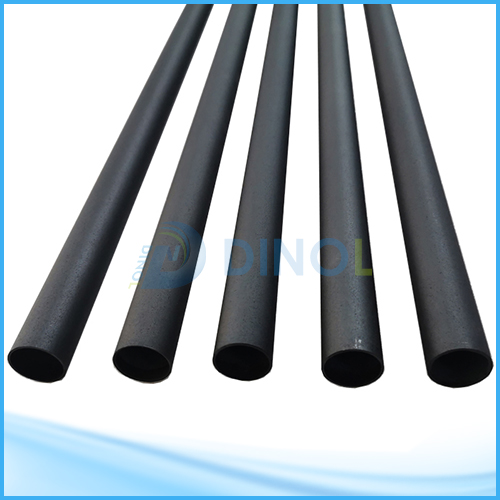
Water heater anode rods with Impressed Current Cathodic Protection prevent tank corrosion. Powered water heater anode rod for cathodic protection employs a non-consumable titanium substrate covered with Mixed Metal Oxides (MMO), usually iridium-tantalum or ruthenium-iridium, and a low-voltage DC power source. Electrons are continually injected into the tank wall, lowering its electrochemical potential. This change stops the oxidation reaction that causes rust, preserving the steel tank and sacrificial material.
Understanding Tank Corrosion and Its Impact on Water Heaters
Water heater tanks corrode because steel and water form a natural electrochemical cell. Dissolved oxygen, chlorides, and minerals in the water accelerate the anodic dissolution of iron, producing rust and eventually pitting through the tank wall. For B2B operators — hotels, hospitals, laundromats, and plumbing distributors — a failed tank means emergency replacement costs, water damage liability, and lost operational hours.
The Electrochemical Root Cause
Steel tanks corrode when iron atoms at the surface lose electrons to dissolved oxidants in the water. The rate depends on water temperature, pH, total dissolved solids (TDS), and chloride concentration. Hard water with high TDS accelerates the process considerably.
Why Traditional Magnesium Rods Fall Short
Sacrificial magnesium rods work by corroding themselves preferentially, donating electrons to protect the tank. In soft or heavily softened water, they deplete within 12–18 months instead of the expected 3–5 years. In high-TDS or chlorinated water, protection becomes uneven. Frequent replacement adds labor costs and creates scheduling challenges for commercial facilities.
Business Consequences of Inadequate Protection
A corroded commercial water heater typically requires full replacement at $800–$3,000 or more, plus plumbing labor. Beyond direct costs, corrosion byproducts contaminate hot water lines, produce that well-known sulfur odor, and generate sediment that reduces heat transfer efficiency by up to 15%, according to the U.S. Department of Energy.
Powered Water Heater Anode Rod Technology Explained
Galvanic sacrifice is not used in the ICCP method for powered water heater anode rod for cathodic protection. Instead, a controlled electrical current is used. A MMO-coated titanium rod inside the tank is linked to a small power module outside the tank. This part changes 110V or 220V AC to a low DC voltage, usually less than 3.5V, and sends the exact amount of current to the tank wall.
The MMO Titanium Substrate
It is made of Grade 1 or Grade 2 commercially pure titanium that meets ASTM B338/B348 standards. Tianyi's titanium anodes are coated with ICCP MMO. The titanium is getting many layers of the MMO shell, which can be Ru-Ir or Ir-Ta. That way, the oxygen evolution process can happen more easily, and current can flow without the anode rusting.
How the Current Stops Corrosion
The external current changes the flow direction of electrons by turning the tank wall into a cathode. This is because the iron atoms on the steel's surface are no longer giving off electrons on their own. NACE International (now AMPP) says that cathodic protection can almost completely stop rust in carbon steel when it is used with the right amount of current.
No Sulfur Smell, No Sediment
The MMO rod is not alive, so it does not interact with the bacteria in the water that break down sulfate. This stops the direct production of hydrogen sulfide gas. This gas gives off the smell of rotten eggs, which is why plumbing brands that sell heaters with magnesium bars get the worst reviews. There won't be any sediment at the bottom of the tank if there is no dissolved rod mass.
Comparing Powered Anode Rods with Traditional Anode Rods
You can tell the difference between ICCP rods and replacement anodes more as the water gets harder. These are the things that buying teams care about the most, side by side:- Service for life: Most of the time, magnesium bars last between 2 and 4 years. Most of the time, an MMO-powered titanium rod will last longer than the tank itself, 10–20 years or more. Over the course of 10 years, this lowers the total cost of ownership by a lot.
- Service life: Magnesium rods last 2–4 years in average conditions. An MMO-powered titanium rod is engineered for 10–20+ years of continuous service, often outlasting the tank itself, which substantially reduces total cost of ownership over a 10-year asset cycle.
- Maintenance frequency: Sacrificial rods require scheduled inspection and replacement every 1–3 years. Powered rods require only periodic electrical checks; premium control modules include LED status indicators so technicians can confirm protection status without draining the tank.
- Performance in difficult water: In softened water (low resistivity), magnesium rods deplete faster and can accelerate tank damage. ICCP systems auto-adjust current output based on water resistivity, maintaining consistent protection regardless of TDS fluctuation.
- Odor and sediment: Sacrificial rods are the primary source of sulfur odor complaints in residential and commercial settings. Powered titanium rods produce no byproducts, keeping water quality high and protecting brand reputation on retail channels like Amazon and Home Depot.
Because of these differences brought by powered water heater anode rod for cathodic protection, warranty claims go down, calls for field service go down, and repeat purchases go up. These are all important metrics that every category manager keeps a close eye on.
Installation, Maintenance, and Best Practices for Powered Anode Rods
A normal storage tank for a home or business can hold an ICCP anode rod. It's easy to do as long as the person doing the work knows how to do it correctly for plumbing and electricity.
Installation Steps and Compatibility
Most water heater brands in North America have a 3/4" NPT hex port that the rod fits into. It fits through the same hole as a normal spare rod. Connect the control module to the outside of the tank or a nearby wall and plug it into a grounded 110V outlet. The rod's length can be changed to fit tanks up to or over 500 gallons.
Routine Maintenance Checks
Not like spare rods, it doesn't need much upkeep. Check the power cord and the module warning light once a year. If you touch dirt to the titanium rod by accident, make sure it doesn't break. If there is a problem shown by the status icon, you should switch out the power module. Most of the time, the titanium rod doesn't need to be replaced again for 10 years.
Best Practices for Commercial Facilities
Besides the regular maintenance that is done every three months for the HVAC and water, the module check for powered water heater anode rod for cathodic protection should also be done. If your tank is bigger than 100 gallons, make sure that the current output from the controller is enough to supply the current density for the size of the tank's inside surface. To keep the flow of electricity even in big commercial tanks, Tianyi can make rods of any length or width and with any two-sided MMO coating patterns.
Buying Guide for Powered Water Heater Anode Rods for B2B Clients
Sourcing the right powered anode rod at scale requires attention to several factors beyond unit price.
Certifications and Compliance
For products sold through U.S. retail channels, NSF/ANSI 61 certification for drinking water contact materials is non-negotiable. The power module should carry UL or ETL listing for electrical safety. Verify that the MMO coating formulation complies with NACE TM0108 for impressed current anode performance.
OEM, Private Label, and Packaging
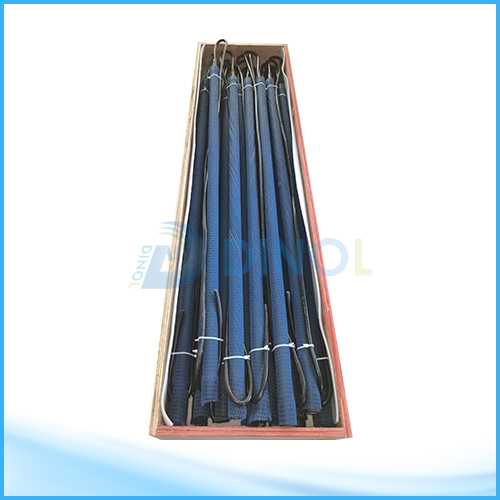
B2B buyers building private-label product lines need suppliers who offer full OEM capability: custom rod dimensions, branded retail packaging with barcodes, and product documentation that meets Amazon or Home Depot vendor requirements. Tianyi provides OEM/ODM services with customizable shapes — mesh, ribbon, disc, or straight rod — and flexible packaging configurations.
MOQ, Lead Time, and Supply Continuity
Competitive suppliers should offer tiered pricing with manageable MOQs for initial trial orders, ocean freight consolidation for regular replenishment, and air freight capability for urgent restocking. Confirm the supplier's quality control process: full inspection for thread integrity, coating adhesion, and electrical continuity is the baseline expectation for products entering the North American aftermarket.
Conclusion
In terms of both technology and cost, powered water heater anode rod for cathodic protection is better than alternatives that mean giving up something. A strong MMO-coated titanium rod is used with controlled ICCP technology to protect water heater tanks from electrochemical damage. This protection doesn't change based on when materials wear out, the chemistry of the water, or when they need to be replaced.
For procurement managers looking for corrosion protection products for the North American market, this technology lowers the total cost of maintenance, protects warranties, and boosts the reputations of private-label products. It's simple to change from "sacrificial" protection to "powered" protection, and data from long-term operations shows that it should be done anyway.
FAQ
How long does an MMO-powered titanium anode rod last?
That's right, a long time.
Can I retrofit an existing water heater tank?
Yes. Most driven anode rods link right away to the 3/4" NPT port on almost all storage water heaters in North America. There's no need to change the tank because the outside section connects to a normal grounded plug.
Does the powered rod use significant electricity?
No. At voltages below 3.5V DC, the system only needs 10 to 50 kWh of electricity a year, which costs a few dollars. The money saved by not having to repair the tank is much greater than the cost of the energy.
What certifications should I require from my supplier?
It is safe to touch water if it has NSF/ANSI 61 approval. The power module should have UL or ETL listing, and the MMO anode protection should have NACE TM0108 approval. These three things are the most important for following the rules for marketing in the U.S.
Is this technology suitable for hard water and well water applications?
Yes, ICCP systems change the flow of current through the water on their own. This means they can work with many kinds of water, including hard city water, water that has been softened, and well water that is high in iron and breaks magnesium bars easily.
Partner with Tianyi for Your Powered Anode Rod Supply
Tianyi creates ICCP MMO-coated titanium anodes with Grade 1/Grade 2 titanium bases and a choice of Ru-Ir or Ir-Ta coatings. Anodes can be made in any shape or size to fit any tank. It is known that Tianyi is a reliable producer of powered water heater anode rod for cathodic protection.
They offer OEM private-label programs, materials that are NSF/ANSI 61-compliant, and flexible MOQ structures for plumbing wholesalers in North America. You can email info@di-nol.com or go to dsa-anodes.com to get samples, tiered prices, and compliance paperwork from our technical team.
References
1. NACE International. Cathodic Protection of Water Storage Tanks. NACE Standard SP0388. 2007.
2. U.S. Department of Energy. Water Heating — Energy Saver Guide. Office of Energy Efficiency and Renewable Energy. 2022.
3. ASTM International. ASTM B338: Standard Specification for Seamless and Welded Titanium and Titanium Alloy Tubes for Condensers and Heat Exchangers. 2021.
4. NSF International. NSF/ANSI 61: Drinking Water System Components — Health Effects. 2023.
5. AMPP (formerly NACE/SSPC). NACE TM0108: Evaluation of Impressed Current Anode Materials for Cathodic Protection in Seawater and Freshwater Environments. 2008.
6. Ashcraft, R. & Kovacik, T. Impressed Current Cathodic Protection Systems for Commercial Water Heaters: Field Performance Review. Journal of Corrosion Science and Engineering. 2019.
