




Why Lead Oxide Anodes Matter in High-Current Applications Today
Electrodes may make or break process efficiency in electroplating, electrolytic copper production, and hydrogen creation. High-current industrial operations need electrochemical stability and corrosion resistance from a lead oxide anode on a titanium substrate covered with high-purity lead dioxide. In high-current, aggressive electrolyte settings, the incorrect anode degrades quickly, increases costs, and breaks production schedules. This tutorial explains why these anodes are favoured throughout sectors.
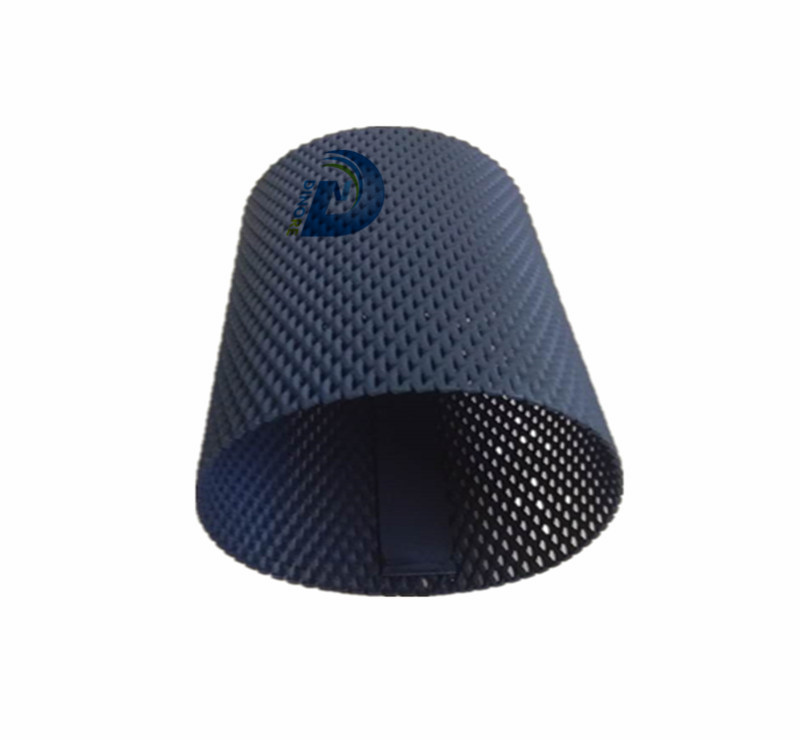
Understanding Lead Oxide Anodes and Their Core Functionality
What Makes Up a Lead Oxide Anode
An improved electrochemical layer covers a titanium base with very pure lead dioxide (PbO₂). This makes up the lead oxide anode. It is strong because of the titanium layer that forms the base, and the lead dioxide layer does the work over electricity. When these two things are put together, you get an electrode that can work in hard acidic and basic conditions for a long time.
How They Function in High-Current Environments
The PbO₂ layer helps the oxygen evolution process work well when there is a lot of current. This keeps the voltage of the cell low and lowers the energy used. It has been proven in the Journal of Applied Electrochemistry that lead dioxide electrodes have a high oxygen overpotential. This helps with electroplating and electrolytic metal recovery, which need to make sure that the current flows correctly.
Key Industrial Applications
Lead oxide anodes are commonly used in a number of tough areas, such as
- Electroplating and electrolytic deposition — where uniform coating on metal parts requires stable anodic current distribution
- Electrolytic copper and aluminum production — where long-term corrosion resistance under sulfuric acid conditions is non-negotiable
- Hydrogen production via water electrolysis — where electrode longevity directly affects operating economics
- Wastewater treatment and electrosynthesis — where oxidative degradation of organic compounds requires robust anodic surfaces
Strong anodic surfaces of lead oxide anode are needed for the oxidative breakdown of organic chemicals in electrosynthesis and the treatment of wastewater.
Comparing Lead Oxide Anodes with Other Anode Types for Industrial Use
Lead Oxide vs. Graphite Anodes
Graphite anodes are cheap to buy, but they get contaminated with high current densities and need to be replaced often because they break down slowly. Graphite abrasion adds carbon particles to the bath solutions during copper electroplating. This hurts the metal surfaces that are being treated. Lead dioxide-coated anodes don't erode in this way, so the total cost of ownership is lower after 12 to 24 months of use.
Lead Oxide vs. MMO (Mixed Metal Oxide) Titanium Anodes
When it comes to chlorine evolution and oxygen evolution, MMO anodes with ruthenium-iridium or iridium-tantalum layers work really well. However, they cost more up front because they have more expensive metals in them. Platinum-group metal surfaces would be too pricey for some oxygen-evolving methods, such as industrial electrolysis and metal electrodeposition. Anodes made of lead dioxide are less expensive. Real budgetary changes are made by this difference for procurement teams that have to weigh performance against unit cost.
Selecting the Right Anode for Your Process
The choice is based on three things: the electrolyte's chemistry, the current density at work, and the service life that is needed. For fluoride ions to work, you need special buffer layers no matter what kind of anode you use. It's not always the case that standard MMO grades work as well as lead dioxide anodes when they're used for metal plating in sulfuric acid at modest to high current rates.
Manufacturing and Quality Assurance of Lead Oxide Anodes
Production Process and Coating Technology
The titanium base is the first thing that needs to be done to make good lead oxide anode. To make sure that coatings stick well, raw titanium is checked for clarity and surface state before it goes through first steps like sandblasting and acid pickling. The PbO₂ layer is then added using electrochemical methods. It is a dense, even layer. How stable the coating thickness and noble oxide loading are affects how well an anode works electrically and how long it lasts.
Certifications and Compliance Standards
People who buy from other businesses in the U.S. need to make sure they have the right paperwork to show that they follow the rules. A reputable company that makes lead oxide anodes should be certified by ISO 9001 for quality management and follow the rules set by RoHS and REACH for the environment. They have these certifications that show dangerous materials like cadmium and hexavalent chromium are not used in the making process. This is needed for supply lines that work with companies in the medical device, electronics, and car businesses.
Customization and OEM Capabilities
In the business world, buyers don't usually need sizes that are already made. To make an electrolytic cell work, the anode form, substrate thickness, coating filling (in grams per square meter of active oxide), and link hardware all need to be right. OEM manufacturers can make anodes in any shape—plate, rod, mesh, or tube—as long as the specs are written down so they can be tracked. QA teams always ask for this when they do source checks.
Procurement Strategies and Supply Chain Considerations for Lead Oxide Anodes
Evaluating Suppliers Beyond Price
The price does not only change per unit. Businesses that buy lead oxide anodes should ask the companies that make them for quality control records, information on how consistent the batches are, and references from companies that have bought similar products before. Even if a provider ships on time, the coating thickness will not be uniform. This will cost you a lot more in rework, process downtime, and refused plating runs than the lower unit price would have saved you.
Factory-Direct vs. Distribution Models
When you buy straight from a maker, you can see prices more clearly, talk to engineers more quickly, and make changes right away. Small orders can be placed right away thanks to distribution models, but lead times are less stable. If your company buys a lot of things and only signs framework agreements once a year, factory-direct buying with planned batch deliveries is the better and less expensive choice.
Total Cost of Ownership Factors
These things should be added to the unit price to get the total cost:
- Recoating capability — titanium substrates can be sandblasted, re-pickled, and recoated once the active layer depletes, saving approximately 60–70% versus purchasing new anodes
- Warranty and after-sales support — reliable manufacturers back their products with service commitments and engineer support for troubleshooting
- Lead time reliability — consistent delivery schedules protect production continuity, especially in continuous-process industries
When you look at these costs of lead oxide anode over 24 months, they often make a big difference in whether or not you buy something.
Maximizing Performance and Lifespan of Lead Oxide Anodes in Your Operations
Routine Inspection and Cleaning Protocols
Regular electrical and visual checks can find early signs of covering wear, like the surface getting darker, the cell voltage going up, or the current not being spread out evenly. Cleaning should be done to get rid of scale layers, especially calcium carbonate in hard water systems, before they get so thick that they block the working area. When surfaces are blocked, voltage jumps happen in some places, which speeds up the wear and tear on coverings.
Operational Conditions That Affect Durability
Running current density above the rated maximum, fluoride ions above 50 ppm (which damage the titanium base), and changes in electrolyte temperature are the three things that shorten the anode's useful life the most. The people who work on the process should write these factors down and make sure that early changes are noticed. There is an operating window that tells you how long the service will last and how long it will last after that.
When to Recoat vs. Replace
When things like cell voltage, current efficiency, and deposit quality fall below what's considered normal, the anode needs to be fixed. It is usually better to coat instead of fix something because the metal base can't be broken down. It's possible to get full electrochemical performance back through coating for a small fraction of the cost of replacement. It also makes less waste, which is in line with eco-friendly buying policies.
Conclusion
Lead oxide anodes are popular in high-current electrochemistry because they combine good electrochemical performance with low cost. When these conditions are met, other types of anodes don't always work in the same way. It's not enough for procurement teams, engineers, and supply chain managers to just look at the price per unit to decide where to get these anodes. There should also be written specs, seller certifications, and a clear picture of how much it will cost all together. An honest seller can recoat, make sure that batches are all the same, and offer technical help, while an unreliable supplier can't do these things.
FAQ
Q1: Can a lead oxide anode be recoated after its service life ends?
Yes. The titanium substrate remains intact after the PbO₂ coating depletes. The substrate goes through sandblasting, acid pickling, and recoating, restoring full performance. This recoating process typically costs 60–70% less than purchasing a new anode.
Q2: What electrolytes are compatible with lead dioxide anodes?
Lead dioxide anodes perform well in sulfuric acid-based electrolytes, perchloric acid solutions, and some alkaline systems. They are not suitable for fluoride-containing electrolytes at standard grades, as fluoride ions attack the titanium base. Specialized barrier layer designs are required for those environments.
Q3: How is coating quality specified for procurement?
Specify coating loading in grams per square meter (g/m²) of active oxide, not just coating thickness. Loading is the more accurate performance predictor because PbO₂ coatings are inherently porous, making thickness measurements less reliable across production batches.
Q4: What certifications should a supplier provide?
At minimum, look for ISO 9001 certification, RoHS compliance documentation, and REACH conformity records. For automotive supply chain customers, IATF 16949 alignment is an additional consideration.
Q5: What causes premature anode failure in electroplating?
The most common causes are fluoride contamination above 50 ppm, persistent over-current operation, and heavy scale buildup blocking the active surface. Maintaining electrolyte chemistry within specified parameters prevents most premature failures.
Partner with Tianyi for Your Lead Oxide Anode Supply
Tianyi mainly makes high-performance anodes out of titanium, like anodes coated in lead dioxide that are made for tough industrial processes. We can make custom sizes, OEM orders, and yearly supply contracts because we are a reliable lead oxide anode maker. We keep track of quality at every step of the production process. We have a group of electrical experts who help with everything, from going over the specs to fixing issues after the delivery. Contact us right away to get a price quote or a review sample. We can be reached at dsa-anodes.com or info@di-nol.com.
References
1. Comninellis, C., & Pulgarin, C. (1993). Electrochemical oxidation of phenol for wastewater treatment using PbO₂ anodes. Journal of Applied Electrochemistry.
2. Trasatti, S. (2000). Electrocatalysis: Understanding the success of DSA® and lead dioxide anodes in industrial electrochemistry. Electrochimica Acta.
3. Pletcher, D., & Walsh, F. C. (1990). Industrial Electrochemistry (2nd ed.). Blackie Academic & Professional.
4. Gandini, D., Mahé, E., Michaud, P. A., Haenni, W., Perret, A., & Comninellis, C. (2000). Oxidation of carboxylic acids at boron-doped diamond electrodes for wastewater treatment. Journal of Applied Electrochemistry.
5. Feng, J., Johnson, D. C., Lowery, S. N., & Carey, J. J. (1994). Electrocatalysis of anodic oxygen-transfer reactions: Titanium substrates for lead dioxide electrodes. Journal of The Electrochemical Society.
6. Walsh, F. C., & Pletcher, D. (2014). Electrochemical technology for environmental treatment and clean energy conversion. Pure and Applied Chemistry.
