




How Does a Lead Dioxide Anode Improve Industrial Electrolysis Systems?
A lead dioxide anode improves industrial electrolysis systems by delivering a high oxygen evolution potential of 1.75 V, which generates powerful hydroxyl radicals (·OH) at the electrode surface. These radicals break down refractory organic compounds—such as phenol, nitrobenzene, and high-COD effluents—far more aggressively than conventional graphite or solid lead anodes. Built on a titanium substrate with a protective SnO₂-Sb interlayer and an electrodeposited β-PbO₂ active coating, this electrode type achieves current efficiency between 93% and 95%, reduces cell voltage by 5%–8%, and lasts 1.5 to 2 times longer than traditional lead anodes.
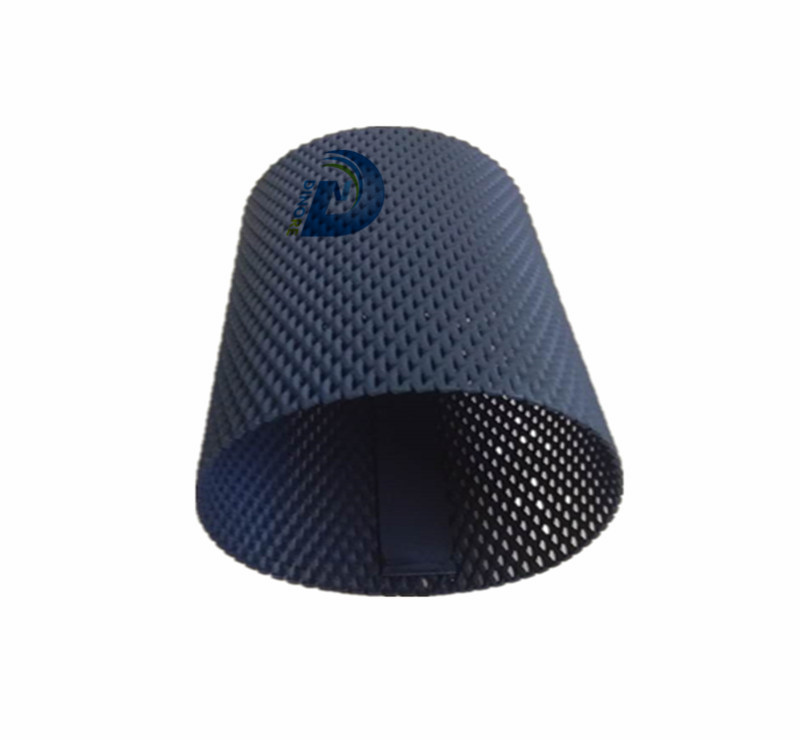
Understanding Lead Dioxide Anodes in Industrial Electrolysis
Key Physical and Chemical Properties
The Ti/PbO₂ anode is made up of three layers that work together: a base made of Grade 1 or Grade 2 titanium, an interlayer made of tin-antimony oxide (SnO₂-SbO₂O₀), and a surface coating made of β-PbO₂ that was electrodeposited. In concentrated H₂SO₄ and HNO₂, the β-PbO₂ phase stays chemically stable and has metallic-level conductivity (resistivity: 10⁻⁴ to 10⁻⁵ Ω·cm). It works really well for oxidative electrochemical processes because its oxygen evolution potential is higher than 1.70 V vs. SHE.
Electrochemical Reactions at the Anode Surface
When there is electrolysis, water molecules oxidize on the surface of the PbO₂ in a clear order:
OH·(ads) + H⁺ + e⁻ → H₂O
PbⲂ + OH·(ads) → Pb(OH)²⁺
Pb(OH)² + H₂O → PbO₂ + 3H⁺ + e⁻
The active oxidants that break down chronic organic pollution are the adsorbed hydroxyl intermediates (OH·ads). This process is not the same as Fenton-based systems, which make chemical gunk as a waste product.
Manufacturing Process and Quality Standards
A three-step electrodeposition process is used for fabrication: the substrate is pretreated with grinding and acid pickling, the interlayers are heated up and broken down, and then α-PbO₂ is deposited first in alkaline conditions and then β-PbO₂ is deposited in acidic conditions. As a structural buffer, the α-PbO₂ layer keeps the lattice from distorting between the interlayer and the outer β-PbO₂. Newer versions of the lead dioxide anode use CeO₂ or carbon nanotube dopants, which make the layer stick better by 30% and lower the cell voltage by 0.3 V.
Performance Advantages of Lead Dioxide Anodes Compared to Other Materials
Graphite, platinum-plated titanium, MMO (mixed metal oxide), and PbO₂-coated anodes are often hard for procurement engineers to decide between. Each material has pros and cons when it comes to price, durability, and electrochemical activity. Here are the main ways that Ti/PbO₂ performs differently from the other options:
- vs. Graphite anodes: Graphite corrodes rapidly in oxygen-evolving and strong-acid environments, generating carbon particles that contaminate electrolyte. Ti/PbO₂ anodes show no mechanical degradation under the same conditions and sustain current densities up to 5,000 A/m² without structural loss.
- vs. Solid lead alloy anodes: Lead alloys have poor corrosion resistance and low electrocatalytic activity, consuming significantly more power per unit of COD removed. The titanium-based version reduces cell voltage by 5%–8% and extends service life by 50%–100% over solid lead.
- vs. Platinum-plated titanium anodes: Platinum offers slightly lower oxygen evolution potential than PbO₂ in strongly oxidizing media. Ti/PbO₂ costs 30%–50% less than Pt/Ti and outperforms it in degrading refractory organics in sulfuric acid electrolytes.
- vs. MMO (Ru-Ir) anodes: MMO anodes excel in chlorine evolution but are not optimized for high-COD organic oxidation. The PbO₂ coating's elevated oxygen overpotential makes it the stronger choice for pharmaceutical wastewater, coking effluent, and leachate treatment.
These differences directly lead to lower running costs and fewer unplanned shutdowns, which are very important to project managers at EPC companies.
Practical Applications and Benefits in Industrial Electrolysis Systems
Industrial Wastewater Treatment
Ti/PbO₂ anodes can get rid of more than 85% of COD, which includes chemicals like phenol, aniline, and nitrobenzene. In lab tests that were recorded, a 10 mg/L solution of methyl orange lost almost all of its color in 12 minutes at 36 mA/cm². For nitrobenzene wastewater, the COD level dropped by 65% after 5 hours, which is something that graphite electrodes can't do. In 3 to 6 hours, effluents containing hydroxystyrene are fully mineralized to CO2 and inorganic salts.
Electrolytic Synthesis in the Chemical Industry
It is known that PbO₂ electrodes have been used to make chlorate, bromate, and iodate. They give current rates of 80% to 92.5% in haloform synthesis, which is higher than both platinum (87%) and graphite (86%) under the same conditions. During World War II, Japan switched from platinum to PbO anodes for making H2O, which proved that they worked well on a large scale. These days, they are used to make isobutyric acid instead of KMnO₄, which gets rid of about two tons of MnO₂ trash for every ton of completed product.
Metal Plating and Metallurgical Electrolysis
When zinc and manganese are electroplated, anodes that are coated with PbO₂ stay stable in size even when they are under a lot of current and don't rust in sulfate electrolytes. Their titanium mesh substrate lowers the resistance to electrolyte flow and keeps the electrodes from getting too hot, which is a problem that solid-lead designs have when they are stacked closely together.
Procurement Guide for Lead Dioxide Anodes
Selecting a Qualified Lead Dioxide Anode Supplier
When looking for a lead dioxide anode maker, make sure the company can show you data from rapid life tests, coating adhesion tests, and similar wastewater or chemical synthesis projects. When buying an EPC project, you must first get certifications to ISO 9001 and proof that you follow environmental laws.
Customization Options and Form Factors
Good providers offer plate, tube, and mesh shapes that can be used with any cell layout. For high-throughput electrolytic cells, the titanium mesh shape is best because it lowers flow resistance and makes mass transfer better. Before buying the whole system, ask providers if they can do 1:1 pilot-scale tests with real sewage samples. This is a very important step when going from lab data to full plant operation.
Lead Times, Logistics, and After-Sales Support
For custom geometries, standard delivery takes 30 to 60 days after the order is confirmed. Check to see if the seller offers services for base reclamation and recoating. This can cut long-term capital costs by 30% to 50%. For ongoing sewer treatment projects, having expert support available 24 hours a day, seven days a week is a must.
Maintenance and Optimization Tips for Lead Dioxide Anodes
Routine Inspection and Cleaning
Every 500 to 800 hours of use, check the anode surfaces for signs of coating delamination, surface fouling, or voltage drift that doesn't seem normal. A short soak in diluted HCl (5%–10%) will remove scales made of calcium or sulfate ions without hurting the PbO₂ layer. Checks for tiny cracks should be written down and tracked over time.
Identifying and Addressing Common Failure Modes
Not PbO₂ consumption, but titanium substrate passivation caused by electrolyte getting into micro-pores in the coating, is what fails most of the time. It makes a resistive TiO2 film that raises the voltage of the cell and lowers the efficiency of the current flow. If you use the SnO₂-Sb interlayer correctly, it stops electrolytes from getting in and stops this passivation pathway from happening. If the voltage of the lead dioxide anode goes up by more than 10% from the baseline, you should immediately schedule an inspection of the coating.
System Optimization and Long-Term Performance
The operating temperature should not go above 80°C, because higher temps speed up the breakdown of the barrier. By monitoring voltage and current in real time along with the anode, maintenance teams can spot performance drift weeks before it fails. You can fully recondition used titanium plates by grinding, acid pickling, and recoating them. This will protect your initial investment and bring them back to full electrochemical performance.
Conclusion
Anodes made of Ti/PbO₂ have been shown to be a reliable and inexpensive way to achieve high-efficiency electrolytic oxidation in a variety of applications, such as chemical synthesis, metal electrolysis, and wastewater treatment. They work better than alternatives like graphite and solid lead because they can release a lot of oxygen, are stable in strong acids, and can recover their substrate. It is technically sound and financially sound for EPC project teams that deal with difficult organic waste streams or high-COD industrial streams to require a properly made lead dioxide anode.
FAQ
What is the typical service life of a Ti/PbO₂ anode?
A Ti/PbO₂ anode lasts 1.5 to 2 times longer than a solid lead anode when the temperature is below 80°C, the current density is steady, and there is a low quantity of fluoride. The exact lifespan depends on the thickness of the coating, the type of electrolyte used, and the current load.
Is there a risk of lead contamination in treated effluent?
Solid lead anodes dissolve all the time, but the PbO₂ coating on a titanium substrate doesn't dissolve at all. Trace mechanical erosion is almost nonexistent when there is a lot of turbulent flow. If the environment is very sensitive to discharge, talk to your supplier about changing the coating or using different electrode materials.
Can the titanium substrate be reused after coating failure?
Yes. The titanium base can be polished, pickled in acid, and then a new layer of PbO₂ can be added on top. When compared to buying new anodes, this recoating process usually cuts long-term capital costs by 30% to 50%.
Does PbO₂ perform well in H₂SO₄ electrolytes?
Because it is very stable in concentrated H₂SO₄ and HNO₃, β-PbO₂ is usually used in sulfate-based electrolytic systems, like zinc electroplating and COD oxidation cells.
What shapes and sizes are available?
Plate, tube, and mesh-shaped Ti/PbO anodes are all offered. Mesh is best for uses that need low flow resistance and high current efficiency at high current densities.
Partner With Tianyi for Your Next Lead Dioxide Anode Project
Shaanxi Tianyi New Material Titanium Anode Technology Co., Ltd. sells Ti/PbO₂ anodes with proven coating adhesion data, plate, tube, and mesh geometries that can be customized, and full substrate recoating services. Tianyi, a well-known company that makes lead dioxide anodes, helps with pilot-scale tests and gives process documentation that works with EPC design packages. To get a quote for your project right away, email our technical team at info@di-nol.com.
References
1.Pletcher, D., & Walsh, F. C. Industrial Electrochemistry. Springer, 1990.
2.Trasatti, S. "Electrocatalysis: Understanding the Success of DSA." Electrochimica Acta, 2000.
3.Feng, Y. J., & Li, X. Y. "Electro-catalytic oxidation of phenol on several metal-oxide electrodes in aqueous solution." Water Research, 2003.
4.Kötz, R., Stucki, S., & Carcer, B. "Electrochemical waste water treatment using high overvoltage anodes." Journal of Applied Electrochemistry, 1991.
5.Comninellis, C. "Electrocatalysis in the electrochemical conversion/combustion of organic pollutants for waste water treatment." Electrochimica Acta, 1994.
6.Panizza, M., & Cerisola, G. "Direct and mediated anodic oxidation of organic pollutants." Chemical Reviews, 2009.