




Where to Buy Water Heater Power Anode Rods for Import Projects
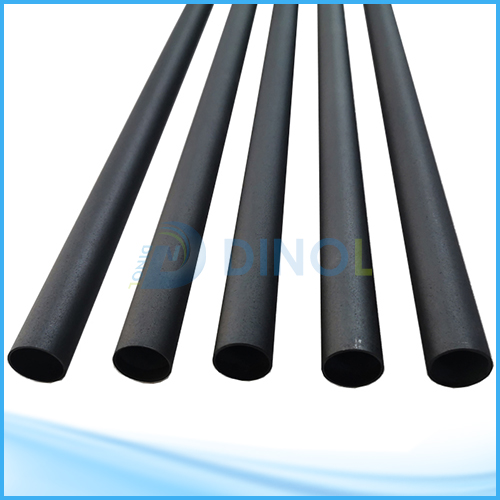
If you are sourcing a water heater power anode rod for an import project, the most reliable path is to work directly with a verified MMO-coated titanium anode manufacturer. Suppliers based in China's Baoji industrial corridor — a recognized hub for titanium electrode production — offer factory-direct pricing, full technical documentation, and OEM customization. Platforms such as Alibaba, direct manufacturer websites, and B2B inquiry forms give procurement engineers fast access to specifications, certifications, and sample requests without intermediary markups.
Understanding Water Heater Power Anode Rods for Import Projects
Before you look at different suppliers, it's helpful to know what you're buying and why the make-up of the materials is important for long-term performance.
What Is a Power Anode Rod?
A power anode rod, which is also known as an Impressed Current Cathodic Protection (ICCP) electrode, stops the electrochemical reactions that eat away at a water heater tank by running a small DC electrical current through a titanium substrate that can't be used up. Unlike a magnesium or aluminum bar that breaks down over time, the MMO-coated titanium version stays structurally solid for work lives that often last longer than 20 years.
MMO Coating vs. Traditional Sacrificial Metals
Mixed Metal Oxide (MMO) coatings, which are usually made of iridium-tantalum or ruthenium-iridium, stick to the titanium substrate through a process called sintering. This keeps the active layer in place. Depending on how hard the water is, traditional magnesium bars lose about 0.5 to 1 kg of their coating every year. An MMO titanium electrode, on the other hand, loses less than 1 mg of its coating per amp-year of operation. That difference directly leads to less maintenance costs for a water heater power anode rod.
Types Available for Import Procurement
Four rod types show up most often in B2B buying guides:
- Magnesium anode rods — low unit cost, widely available, but require replacement every 3–5 years and can generate hydrogen sulfide odor in sulfate-rich water.
- Zinc/aluminum composite rods — moderate corrosion rate, preferred for softened water systems.
- Titanium power anode rods with MMO coating — non-consumable, NSF/ANSI 61 compliant, and CE/UL certifiable; the preferred choice for commercial and industrial import projects.
- Lead dioxide-coated titanium anodes — used in specific industrial water treatment contexts where high oxidation potential is required.
Key Considerations for Choosing Power Anode Rods for Import
If you pick the wrong rod for your water heater system, you will waste money and run the risk of not following the rules. Before putting out an RFQ, pay close attention to the following technical issues.
Compatibility With Heater Brands and Sizes
Most rods have a ¾-inch NPT thread, which works with AO Smith, Rheem, and State water heaters without any problems. There might be a need for an adapter because Bradford White has a hex-socket port. Before you place your order for a water heater power anode rod, make sure you know the supplier's standard hex size (1-1/16 inches) and rod length (44–54 inches for home tanks and custom lengths for business boilers).
Water Chemistry and Material Selection
Water that has been softened or has a lot of Total Dissolved Solids (TDS) is especially bad for sacrificial metals. A study published in Corrosion Science in 2021 confirmed that titanium ICCP electrodes keep the protective current density in high-conductivity water for 18 months longer than magnesium rods do. Within 24 to 48 hours of installation, the non-consumable design stops the bacterial reaction that causes rotten-egg smells in well water with a lot of sulfur.
Lifespan Indicators and Degradation Signs
A core wire diameter less than 50% of the original, a lot of calcium buildup, or a persistent tank smell are all signs that a sacrificial rod needs to be replaced. When checking ICCP power rods, the main thing to look at is the controller's LED status indicator. A steady green signal means that security is working. NACE SP0169-2013 cathodic protection guidelines say that the only regular maintenance that needs to be done is a visual inspection once a year.
Where to Buy Quality Power Anode Rods for Import Projects
The global market for titanium anode electrodes is concentrated in a few manufacturing regions, and sourcing strategy significantly affects both price and product quality.
Direct Manufacturer Sourcing
Purchasing directly from a manufacturer eliminates distributor margins and gives you full access to production documentation, coating composition data sheets, and OEM customization. Shaanxi Tianyi New Material Titanium Anode Technology Co., Ltd., based in Baoji High-Tech Development Zone, produces MMO-coated titanium anodes including ruthenium-iridium, iridium-tantalum, and lead dioxide variants. Their factory holds ISO-level quality control at each production stage, from raw titanium substrate inspection through final sintering and pressure testing at 150 PSI.
B2B Platforms and Certification Verification
Alibaba International and Global Sources list hundreds of anode rod suppliers, but not all publish third-party test data. When evaluating any listing, request the NACE TM0108 accelerated life test report, the NSF/ANSI 61 drinking water safety certificate, and the CE or UL electronic module certification. These three documents together confirm that the product is safe, durable, and export-compliant.
Pricing Benchmarks for Bulk Import Orders
MOQ for titanium power anode rods from Chinese manufacturers typically starts at 50–100 units for standard sizes. Factory-direct unit pricing for MMO titanium rods ranges from USD 15–60 depending on coating type, rod diameter, and order volume. Custom lengths or dual-coating specifications (e.g., ruthenium-iridium over an iridium-tantalum base) carry a 15–30% premium but deliver measurably longer service life in aggressive water conditions.
Installation and Maintenance Guidance for Imported Power Anode Rods
If you put something correctly, it will protect your investment and keep the warranty terms in place.
Step-by-Step Installation Overview
Stop the flow of cold water and the heater's power. Take out 2–3 gallons of water from the tank to lower the pressure. To take out the old rod, use a ¾-inch NPT socket wrench. Then, use PTFE tape on the holes of the new water heater power anode rod to put it in. See the wiring diagram from the manufacturer for how to connect the low-voltage DC power lead to the controller. Turn the power back on and wait 60 seconds to make sure the LED light turns green.
Common Installation Mistakes
Most mistakes happen when the rod is cross-threaded under pressure, PTFE tape isn't used (which leads to tiny leaks at the port), or the power cable is routed too close to the heating element, where thermal cycling can damage the insulation over time. For a ¾-inch NPT fitting, the rod should always be torqued to the manufacturer's recommended level, which is usually 40 to 60 ft-lbs.
Inspection and Replacement Schedule
For ICCP titanium rods, the controller and LED indicator only need to be looked at once a year. For sacrificial types, check them every two years and replace them when the rod is more than half empty. Keep a photo log of each inspection to back up warranty claims and help your supplier's technical team make sure that future coating requirements are best for your water type.
Procurement Strategies for Import Projects: Ensuring Reliable Supply
Securing a long-term supply of corrosion protection anodes for a commercial or industrial project requires more than a one-time purchase order.
Supplier Qualification and Quality Assurance
Request a factory audit report or third-party inspection (SGS or Bureau Veritas) before placing a first order above USD 5,000. Confirm that the manufacturer conducts burn-in testing (48–72 hours) on electronic ICCP modules and that titanium substrate purity meets Grade 1 or Grade 2 ASTM B265 standards. These checks prevent brittle substrate failure that voids protection early in the product lifecycle.
Logistics, Customs, and Lead Times
Standard export packaging for titanium anode rods uses foam-lined wooden cases rated for sea freight. Lead time from a Chinese manufacturer runs 15–30 days for standard items and 30–45 days for custom orders. HS Code 8543.70.9000 applies to ICCP electronic anode assemblies in most jurisdictions; confirm with your customs broker before the first shipment to avoid clearance delays.
Building a Long-Term Supply Agreement
Negotiate a blanket purchase order with quarterly releases rather than spot orders. This gives the manufacturer visibility to hold raw titanium stock for your account, and it typically unlocks a 5–10% volume discount. Include a quality re-inspection clause that allows you to return any lot failing dimensional or coating-thickness tolerances without restocking fees.
Conclusion
To find a reliable water heater power anode rod for an import project, you need to make three choices: pick the right coating type for your water chemistry, check the supplier's certifications before making a commitment, and set up the purchase agreement in a way that protects supply continuity. MMO-coated titanium technology is a strong option for business and industry uses that need long-lasting parts that don't need much upkeep. Dealing directly with a qualified manufacturer is still the best way to get accurate specs, low prices, and quick technical help throughout the entire project lifecycle.
FAQ
How often should a commercial power anode rod be replaced?
MMO titanium ICCP rods typically last 20+ years. An annual LED indicator check is the only routine task required. Traditional sacrificial rods in commercial systems should be inspected every 2 years and replaced when more than 50% depleted.
Are titanium power anode rods compatible with all water heater brands?
Most use a standard ¾-inch NPT thread compatible with AO Smith, Rheem, and State brands. Bradford White models may require a hex-socket adapter. Always confirm thread size and rod length with the supplier before ordering.
What is the difference between magnesium and MMO titanium rods?
Magnesium rods dissolve gradually to protect the tank and need periodic replacement. MMO titanium rods deliver protection through electrical current, remain non-consumable, and do not generate sulfur odor in bacteria-prone water.
How do I verify product quality from an overseas supplier?
Request the NACE TM0108 life test report, NSF/ANSI 61 certificate, and CE or UL module certification. Third-party inspection by SGS or Bureau Veritas before shipment adds an additional layer of assurance.
What is the typical lead time for a custom order?
Standard sizes ship in 15–30 days. Custom coating specifications or non-standard dimensions require 30–45 days from order confirmation.
Request a Quote From Tianyi — Water Heater Power Anode Rod Manufacturer
Tianyi sells MMO-coated titanium anode rods straight from our factory in Baoji. We offer full certification paperwork, OEM customization, and quick technical support. Our team gets back to you within 24 hours whether you need a water heater power anode rod provider for a one-time order or a long-term deal. You can email your requirements to info@di-nol.comto get our product information and send us an RFQ right away.
References
1.NACE International. Cathodic Protection of Water Storage Tanks and Water Piping Systems. NACE SP0169-2013.
2.Shreir, L. L., Jarman, R. A., & Burstein, G. T. Corrosion: Metal/Environment Reactions. Butterworth-Heinemann, 2019.
3.NACE International. Test Method — Measurement Techniques Related to Criteria for Cathodic Protection on Underground or Submerged Metallic Piping Systems. NACE TM0108, 2019.
4.Trasatti, S. "Electrocatalysis in the Anodic Evolution of Oxygen and Chlorine." Electrochimica Acta, 2000.
5.ASTM International. Standard Specification for Titanium and Titanium Alloy Strip, Sheet, and Plate. ASTM B265-21, 2021.
6.NSF International. NSF/ANSI Standard 61: Drinking Water System Components — Health Effects. NSF International, 2022.