




How Does a Micro Acidic Electrolyzed Water Generator Really Work?
By running a diluted salt-water solution through a platinum-coated titanium electrode cell under regulated electrical current, a micro acidic electrolyzed water generator creates a potent, food-safe disinfectant. Water and salt molecules are divided into hypochlorous acid (HOCl) at 10–80 ppm, which has an ORP of +700 to +1100 mV and a pH of 2.5–6.5. The end product is a residue-free sanitizer that eliminates microorganisms immediately upon touch; it doesn't need washing, doesn't store harmful chemicals, and poses no regulatory risk for surfaces that come into contact with food.
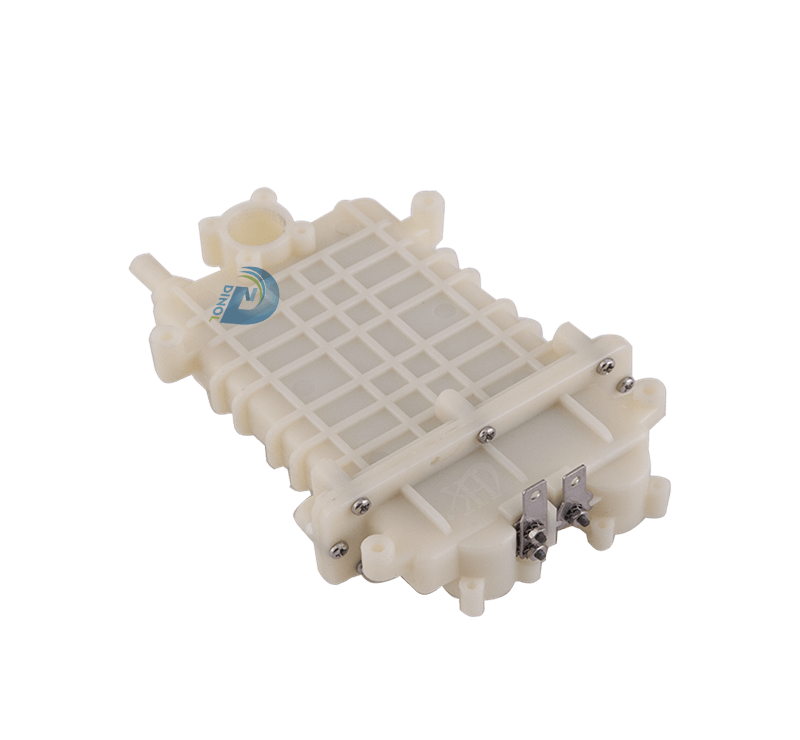
Understanding the Core Mechanism of Electrolyzed Water Generation
What Happens Inside the Electrolytic Cell
When diluted brine passes through the ionization chamber, a direct current flows between the titanium anode and the stainless steel cathode. At the anode, chloride ions transform into hypochlorous acid (HOCl). The active disinfectant is HOCl. The most biocidal form of HOCl is maintained in the pH range of 2.5 to 6.5. It transforms into the less potent hypochlorite ion (OCl⁻) at higher pH values.
Why ORP and pH Both Matter?
ORP measurements between +700 and +1100 mV indicate that the solution has sufficient oxidative energy to dissolve microbial cell walls in a few of seconds. Studies published in the Journal of Food Protection demonstrate that over 99.9% of Staphylococcus aureus and E. coli are killed by HOCl at these ORP values. pH by itself does not indicate that anything is effective; both indicators must be within the range simultaneously.
The "Micro Acidic" Distinction
Strongly acidic electrolyzed water (pH below 2.5) is used in some labs. The micro acidic electrolyzed water generator produces water in the micro acidic range (pH 2.5–6.5), which is safe for areas that come into touch with food and with people's skin. It doesn't rust stainless steel when exposed for normal amounts of time, so it can be used with CIP (clean-in-place) systems, which are common in food processing plants.
Benefits and Practical Applications Across Industries
Replacing Chemical Disinfectants in Food Processing
Export market auditors impose stringent residue limitations on food firms using quaternary ammonium compounds or sodium hypochlorite. Acidic water that has been electrolyzed evaporates without producing any chemical waste. This reduces the amount of water used in each cleaning cycle and eliminates the need for a rinse phase. For complete accountability, facilities using the HACCP or FSSC 22000 procedures may automatically record pH, ORP, and HOCl levels.
Agricultural and Livestock Applications
Bacteria in aquaculture plants and poultry are eliminated by aerial spraying with a low-concentration HOCl solution without endangering the animals or polluting their diet. According to study conducted by the National Agriculture and Food study Organization of Japan, Salmonella on broiler carcasses may be regularly reduced without affecting the meat's color or texture by using slightly acidic electrolyzed water at 20–30 ppm HOCl.
Healthcare and Commercial Facilities
Hospitals and food service operators like the non-toxic profile because it eliminates the need for them to wear personal protective equipment (PPE) to frequently clean surfaces, adhere to ventilation regulations, or maintain records of hazardous compounds. Workers utilize fresh disinfection rather than storing chemical solutions that degrade over time since the generator produces disinfectant at a rate of 1–5 L/min as required.
Because of these properties, slightly acidic HOCl water is a good choice in a number of controlled settings. When compared to purchasing chlorine products that are already mixed, making chlorine on-site from water and salt with a micro acidic electrolyzed water generator simplifies the purchasing process and gets rid of the costs that come with handling dangerous chemicals.
Comparing Electrolyzed Water Technology with Alternative Solutions
Micro Acidic Generators vs. Ozone Systems
Ozone generators destroy a lot of germs, but they have to be utilized in small areas, and workers can't return to areas that have been cleaned until the gas has had time to evaporate. Electrolyzed water may be sprayed directly to act as a liquid disinfectant. Since there is no possibility of airborne contact, it is ideal for open manufacturing lines where workers are constantly engaged.
Micro Acidic vs. Alkaline Electrolyzed Water
Because it breaks down organic fats and proteins, alkaline electrolyzed water (pH 10–13) is excellent for cleaning. Microacidic electrolyzed water is used for the disinfection stage. Alkaline cleaning solutions are employed initially and acidic sanitization solutions are used second in many high-tech establishments. This eliminates the need to add chemical SKUs and is compatible with existing two-stage CIP operations.
Portable vs. Industrial-Scale Units
When veterinary teams are on the road or in smaller spaces, portable models (50–100 W, ~1 L/min) perform effectively. Industrial units (200–300 W, 3–5 L/min) are directly connected to central supply systems that simultaneously serve several spray stations. An industrial unit that is utilized 16 hours a day has to replace its electrodes every 4 to 8 months since they have a lifetime of 2,000 to 5,000 hours. Planning is made simpler by the fact that this maintenance cost is known.
How to Choose the Right Generator for Your Operation?
Match Production Capacity to Line Demand
A generator with a minimum output of 3.5 L/min is needed for a single poultry processing line that uses 200 L/hour of sanitizer. Because the unit is too small, the staff has to make and keep solution in batches, which quickly lowers the HOCl concentration. Before choosing a model, you should figure out your peak hourly demand across all application points to get an accurate size.
Verify Certifications and Documentation
Food companies that want to export have to deal with checks from retail chains and food safety groups. The micro acidic electrolyzed water generator needs to be certified by CE, RoHS, and ISO, and there needs to be an English version of the safety statement for food-contact materials. Ask providers for test reports that show how well their products kill bacteria and other organisms that are important to your facility's HACCP plan.
Evaluate Electrode Quality and Total Cost of Ownership
Titanium electrodes coated with platinum or mixed metal oxide (MMO) determine both how long they last and how often they need to be replaced. If the seller tells your finance team how long the electrodes will last (2,000 to 5,000 hours), how much replacement units cost, and how long the lead time is, they can accurately figure out the ROI over a 3–5 year equipment period.
When procurement teams look at output capacity, compliance documentation, and electrode economics all at the same time, they usually make decisions about suppliers with more confidence and fewer surprises after the fact.
Maintenance and Operational Best Practices
Water Quality Pre-Treatment
If the hard water level is higher than 300 mg/L TDS, scale forms faster on the electrodes, which lowers the HOCl output within weeks. Putting the water that comes in through a softener or reverse osmosis unit first keeps the electrolysis conditions stable and greatly increases the electrode service life. Before installation, ask for the recommended inlet water specification sheet that most manufacturers offer.
Electrode Inspection and Cleaning Schedule
Check the wires for visible discolouration or scaling after 500 hours of usage. Calcium accumulation may be eliminated without damaging the platinum covering by briefly flushing with citric acid. Operators may be informed before effectiveness drops below the acceptable threshold in your HACCP procedure by monitoring ORP output daily on the generator's built-in screen.
Staff Training and System Monitoring
The desired pH range, the ORP minimum, and the HOCl concentration band are three figures that operators should be aware of. The majority of modern machines can transmit data by USB or serial output to a HACCP database and display all three on a digital screen. Training a designated equipment owner reduces errors and extends the life of generators rather than depending on general cleaning personnel.
Conclusion
Micro acidic electrolyzed water technology enables food processing and agriculture to avoid the use of bulk chemical disinfectants in a scientifically verified, residue-free method. pH 2.5 to 6.5 ORP +700 to +1100 mV HOCl 10 to 80 ppm on site generation from water and salt using a micro acidic electrolyzed water generator. This method meets HACCP tracking standards, reduces handling of hazardous materials and reduces the long term cost of cleaning. Before you purchase you need to verify the output capacity is equal to the line demand, check the licences and you must know the electrode economics to be able to pick the suitable unit.
FAQ
Is this water safe for direct contact with food?
Yes. HOCl at 10–80 ppm is approved by food safety authorities in numerous countries as safe for food-contact applications when manufactured within the specified pH and concentration range. It quickly breaks down into water and small amounts of chloride and leaves no synthetic residue on the surface of foods.
How often do electrodes need replacing?
Electrode life is 2000-5000 hours of operation dependent on intake water quality, current settings and frequency of maintenance. For a plant operating 8 hours per day, that’s around 8-20 months between replacements. Detailed records of run hours make it easier to arrange replacements.
Can this technology fully replace chlorine-based sanitizers?
For surface disinfection and food contact sanitization steps: yes — in most typical food processing situations. For liquid goods or applications in high-organic-load conditions where prolonged shelf-life pathogen control is critical, we advocate a thorough validation study with your HACCP program prior to complete transition.
What inlet water conditions are required?
The recommended inflow TDS is less than 300 mg/L and the water temperature is 5°C to 40°C. Hardness and salinity variations across regions might also be included in to the advise to suppliers on water quality.
Partner with Tianyi for a Certified Micro Acidic Electrolyzed Water Generator
Tianyi makes micro acidic electrolyzed water generators that are CE, RoHS, and ISO-certified. These generators are based on platinum-coated titanium electrodes and have been shown to last between 2,000 and 5,000 hours. We are a trusted provider of microacidic electrolyzed water generators and offer full compliance documentation, multilingual operating manuals, and direct technical support. Get in touch with our tech team right away to talk about your facility's cleaning needs and get a quote. Send email to info@di-nol.com.
References
1. Huang, Y. R., Hung, Y. C., Hsu, S. Y., Huang, Y. W., & Hwang, D. F. — Comprehensive Reviews in Food Science and Food Safety, 2008.
2. Koide, S., Shitanda, D., Note, M., & Isobe, S. — Journal of Food Engineering, 2011.
3. Hricova, D., Stephan, R., & Zweifel, C. — Journal of Food Protection, 2008.
4. Ayebah, B., & Hung, Y. C. — Journal of Food Science, 2005.
5. National Agriculture and Food Research Organization (NARO) Japan — Research Report on Slightly Acidic Electrolyzed Water in Poultry Processing, 2015.
6. Rahman, S. M. E., Jin, Y. G., & Oh, D. H. — Journal of Food Science, 2011.