




How to Choose an Acidic Oxidation Potential Water Generator System
Choosing the right acidic oxidation potential water generator is a decision that carries real consequences for your production quality, regulatory standing, and long-term operating costs. These systems produce electrolyzed water with a pH of 2.0–3.5 and an ORP of +800 to +1200 mV, delivering hospital-grade disinfection without chemical residues. For OEM procurement teams in medical device manufacturing or infection control, the core question is not just whether a system works — it's whether the supplier can meet your technical, regulatory, and production consistency requirements over a multi-year partnership.
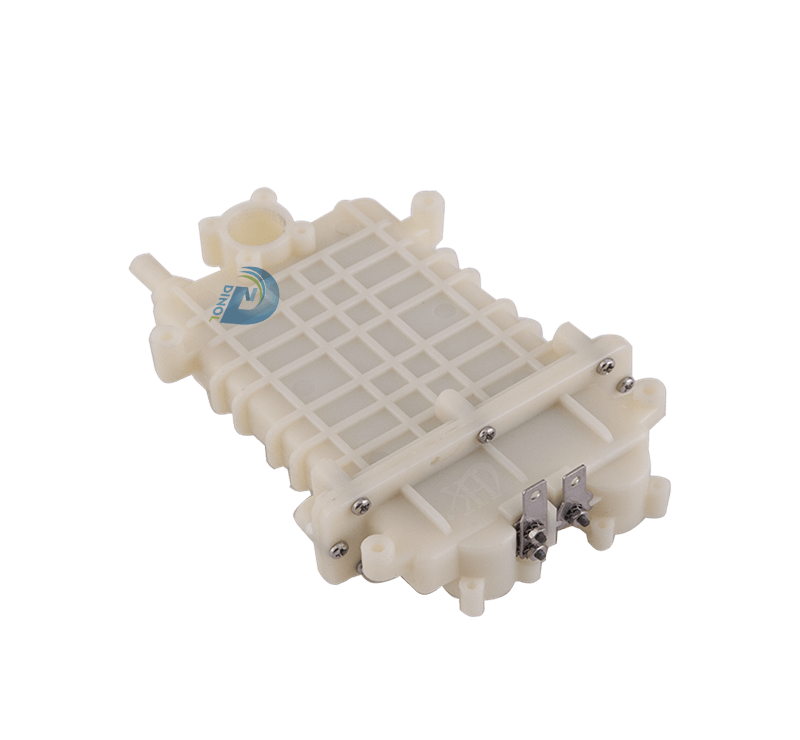
Understanding Acidic Oxidation Potential Water Generators
The Electrochemical Science Behind AOP Water
A water system that electrolyzes and oxidizes moves a weak saline solution through an electrolytic cell. The anode side of the cell makes hypochlorous acid (HOCl), which kills microbes.
How pH and ORP Affect Disinfection Performance
pH and ORP are not independent factors. When 30–100 ppm of free available chlorine is mixed with an ORP above +800 mV, the water has broad-spectrum antimicrobial action. It can kill bacterial spores, biofilms, and enveloped viruses. Between pH 2.0 and 3.5, almost all of the chlorine that is dissolved is as HOCl instead of OCl⁻, which is the less active hypochlorite ion. Because of this chemistry, one part per million of active chlorine is much more effective at killing germs than when the pH is normal or alkaline. The results of published, peer-reviewed studies on infection prevention show that HOCl kills five times as many Clostridium difficile spores in just ten minutes of touch.
Electrode Material and Its Role in Output Consistency
The material of the electrodes directly affects how stable the output is and how long it lasts. Titanium surfaces that have been covered with mixed metal oxides (MMO coating) protect against corrosion and provide the catalytic activity needed for long-term electrolysis. Under normal conditions, an electrode will last between 3,000 and 6,000 hours. Output drift is a big problem for medical OEM applications that check for consistency from batch to batch. Systems that use cheaper electrode materials are more likely to have this problem.
Key Criteria for Selecting an Acidic Oxidation Potential Water Generator
Define Your Use Case and Volume Requirements
Make a map of your actual output needs before you look at any system. A CSSD endoscope reprocessing station with an acidic oxidation potential water generator needs a steady flow of 0.5 to 4 L/min, while an OEM module built into a cleaning desk might need a small, fixed-installation design. For R&D sampling (5–20 prototype units), portable benchtop models work best. For production-scale usage, rack-mounted or inline setups work best. Fitting the system's format to the layout of your building will save you a lot of money in the long run.
Evaluate Technical Specifications Systematically
Before you choose a seller, you should check these precise details:
- pH output range: Confirmed at 2.0–3.5 under your local water hardness conditions, not just in the lab environment of the manufacturer.
- ORP consistency: Should hold +800 to +1200 mV across the stated flow rate range, with documented variance data per production batch.
- Active chlorine concentration: 30–100 ppm, verified by third-party disinfection efficacy reports, including spore reduction data.
- Electrode lifespan documentation: Minimum 3,000-hour accelerated aging test results, with traceability records per electrode batch.
- Power efficiency: Systems rated 60–300 W should show output-per-watt benchmarks relative to their production rate.
For medical device integration, these requirements can't be changed because consistent performance has a direct effect on your product registration files.
Assess Supplier Compliance and Documentation Readiness
When a technically sound product is paired with a seller who won't work with you, legal risk arises. Your supplier must give you a full technical dossier that includes quality agreements that meet ISO 13485 standards, process validation records, and material certifications for electrode coatings. When suppliers agree to plant checks and sign non-disclosure agreements for OEM work, it shows that they know how important it is to have good relationships in the medical supply chain. Certifications like CE, RoHS, and ISO are just the norm and don't set a product apart.
Market Options and How to Compare Them Effectively?
Acidic vs. Alkaline Generator Technology
OEM buyers are sometimes sent ideas for alkaline ionizer systems that are presented as options. These make water with a pH between 8 and 10, but their electrical qualities are different, so they can't be used in place of acidic oxidation potential water generator to kill germs at a high level. The two tools are used for very different things. The acidic electrolysis route is the only way to get the result you need when your goal standard calls for ORP above +800 mV and active chlorine generation.
Cost Structure and Total Ownership Calculation
Unit price at the start is not a good indicator. When figuring out the real cost of OEM procurement, you have to look at how often the electrodes need to be replaced, how much energy is used per liter of output, how much saline or salt cartridges are used, and the chance of downtime due to inconsistent output. A system with premium RuO₂/IrO₂-coated titanium electrodes that lasts 6,000 hours costs a lot less per hour of operation than a cheaper system whose electrodes need to be replaced every 1,500 hours. Well-documented wire tracking also makes it easier to do quality checks over time.
Portability and Installation Considerations
For buying test stages, small sizes (like 300 × 200 × 400 mm, 5–15 kg) let them fit on a bench without having to change the facility. For OEM integration on a large scale, make sure that the supplier's engineering team can give you dimensional drawings, mounting interface specs, and flow connection standards that are the same as the ones on your workstation. If your systems can work with standard 100–240V AC, 50/60 Hz power supplies, you won't have to worry about electrical compliance issues that are unique to each country in your target markets.
Maintenance, Longevity, and Operational Best Practices
Routine Maintenance Protocols
In electrolyzed water systems, electrode growth is the main thing that needs to be taken care of. As suggested by the maker, regular reverse-polarity flushing or citric acid descaling processes keep the product consistent. In clinical settings, systems with automated self-cleaning cycles make the job of the operator easier. Keeping the hardness of the water coming in below the manufacturer's recommended level (usually less than 200 ppm CaCO₀) makes the electrode last a lot longer.
Monitoring and Service Agreements
Integrated ORP and pH sensors allow real-time tracking, which lets workers find performance drift before it changes the quality of the output. For medical OEM integration, batch record needs can be met by ongoing data logging. Service agreements that include priority parts supply and yearly calibration checks lower the risk of production stops. This is especially important for small-batch trial runs where production schedules can't be changed easily.
Regulatory Validation and Certification Review
Any medical-grade electrolyzed water module should come with published disinfection effectiveness data, such as standardized EN and AOAC test methods for sporicidal activity. In order to follow ISO 13485, buyers must always ask for a CE Declaration of Conformity, material safety data sheets for electrode coatings, and reports on the traceability of each batch. Suppliers who don't have this paperwork are not only a quality risk, but also a registration liability.
Making the Final Decision: Personalized Recommendations for B2B Procurement
Match System Specifications to Your Product Registration Path
If you change a core part after registering the device, the approval process starts over, which most OEM teams can't handle because it means they have to wait 12 to 24 months. As a result, the first choice of provider for an acidic oxidation potential water generator becomes overly important. Give more weight to suppliers who offer clear technical documentation for parts that can be included in your device registration file and who promise not to sell similar OEM modules to your direct competitors.
Balance Performance Requirements With Budget Realities
If you buy between $100,000 and $600,000 a year, you should talk to electrode suppliers about making deals that lock in coating formulation specs across order cycles. This keeps your products consistent without making you pay for the full cost of keeping your own tools. Before agreeing to a volume price, ask for pilot batch testing of 5 to 20 units, and make sure the supplier gives small development orders the same production priority as volume runs.
Why Tianyi's Electrolysis Modules Fit OEM Medical Applications
Shaanxi Tianyi New Material Titanium Anode Technology Co., Ltd. makes MMO-coated titanium electrodes and electrolytic cells that are designed to work with medical disinfection equipment. Their RuO₂/IrO₂ electrode sets provide stable pH 2.0–3.5 and ORP +800–+1200 mV output over 3,000–6,000 hours of use, with full batch tracking and OEM agreements backed by NDAs. Some of the certifications are ISO, CE, and RoHS. For ISO 13485 supplier qualification standards, factory checks are okay.
Conclusion
It takes more than looking at a specification sheet to choose an acidic oxidation potential water generator system for OEM medical integration. The choice is based on the quality of the electrode materials, the uniformity of the output, the availability of regulatory paperwork, and a supplier connection that can last for the lifecycle of the device, which is several years. Systems with titanium electrodes coated in RuO₂/IrO₂, a service life of at least 3,000 to 6,000 hours, and quality processes that are in line with ISO standards should be used as a starting point for medical procurement. Test sample units, read full technical dossiers, and make sure that your seller will back your device registration path instead of making it harder.
FAQ
How often do electrodes need replacement in an AOP generator?
RuO₂/IrO₂-coated titanium electrodes usually last between 3,000 and 6,000 hours under normal working conditions and with good water quality control. In places where it is constantly used in professional settings, this means that it will last between 18 and 36 months before it needs to be replaced. The supplier's records of the accelerated age test should confirm this range.
Can these systems handle different regional water quality conditions?
Yes, but with some changes. The result of electrolysis is affected by how hard the water is, what minerals are in it, and how much chlorine is in it. Systems that can change the current flow and pre-condition the water coming in (by cooling or filtering it) can adapt to changes in the water in different areas. Always ask for performance data that was tested at levels of water hardness that are typical of the area where you want to deploy it.
What certifications are required for medical device integration?
It must have at least CE marking, RoHS compliance, and quality management paperwork that is in line with ISO standards. For OEM integration into Class IIa or IIb medical devices, your seller should give you a full technical file for the part, a quality agreement, and permission to be part of your supplier audit program.
Does changing the electrolysis module supplier require re-registration?
In most regulatory areas, like the EU MDR and FDA 510(k) frameworks, changing a core functional component leads to a design change review, which could mean that the whole thing has to be sent in again. So, picking a supplier with stable manufacturing processes and a promise to supply for a long time is a strategic priority, not just a procurement preference.
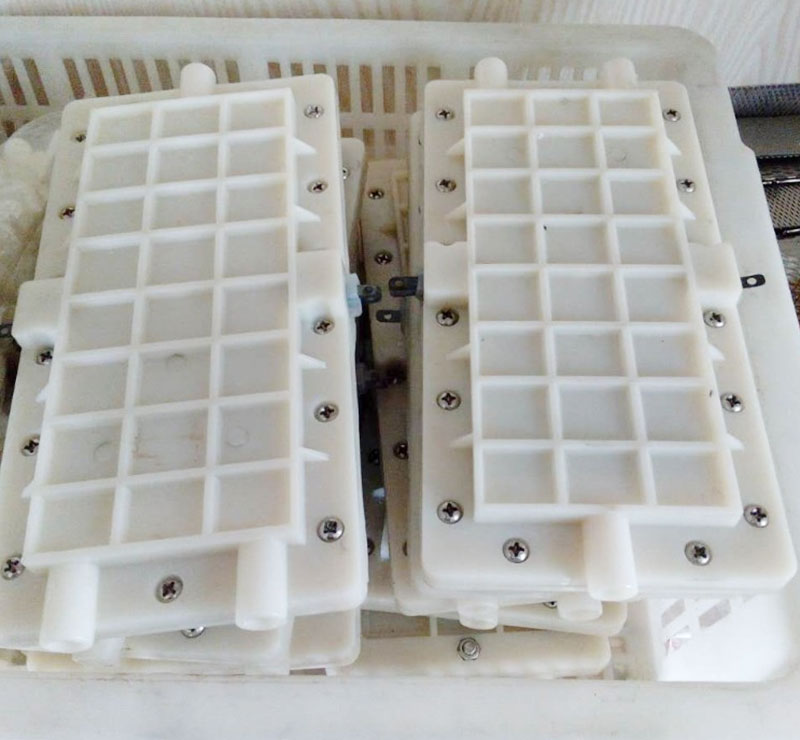
Partner With Tianyi for Your AOP Generator OEM Needs
Tianyi specializes in making custom electrolysis units for OEM uses in medical disinfection. Tianyi is a well-known company that makes acidic oxidation potential water generators. They offer full technical documentation, OEM deals covered by NDAs, and quality systems that are compatible with ISO. Their small, high-efficiency electrode units can be easily added to endoscope cleaning stations and tools for preventing infections. Get in touch with the Tianyi team to get sample modules, technical datasheets, or to set up a plant check. Send an email to info@di-nol.com to start the review.
References
1. Huang, Y. R., Hung, Y. C., Hsu, S. Y., Huang, Y. W., & Hwang, D. F. (2008). Application of electrolyzed water in the food industry. Food Control, 19(4), 329–345.
2. Issa-Zacharia, A., Kamitani, Y., Miwa, N., Muhimbula, H., & Iwasaki, K. (2011). Application of slightly acidic electrolyzed water as a potential non-thermal food sanitizer. Food Control, 22(3–4), 601–607.
3. Hricová, D., Stephan, R., & Zweifel, C. (2008). Electrolyzed water and its application in the food industry. Journal of Food Protection, 71(9), 1934–1947.
4. Smiechowicz, J., Skrzypek, M., & Dul, A. (2021). Hypochlorous acid-based disinfectants in hospital infection control: A review. Journal of Hospital Infection, 117, 1–8.
5. Thorn, R. M. S., Lee, S. W. H., Robinson, G. M., Greenman, J., & Reynolds, D. M. (2012). Electrochemically activated solutions: Evidence for efficacy and current perspectives on mechanisms of action. Journal of Applied Microbiology, 113(4), 759–769.
6. Venczel, L. V., Arrowood, M., Hurd, M., & Sobsey, M. D. (1997). Inactivation of Cryptosporidium parvum oocysts and Clostridium perfringens spores by a mixed-oxidant disinfectant and by free chlorine. Applied and Environmental Microbiology, 63(4), 1598–1601.